All categories
Featured selections
Trade Assurance
Buyer Central
Help Center
Get the app
Become a supplier
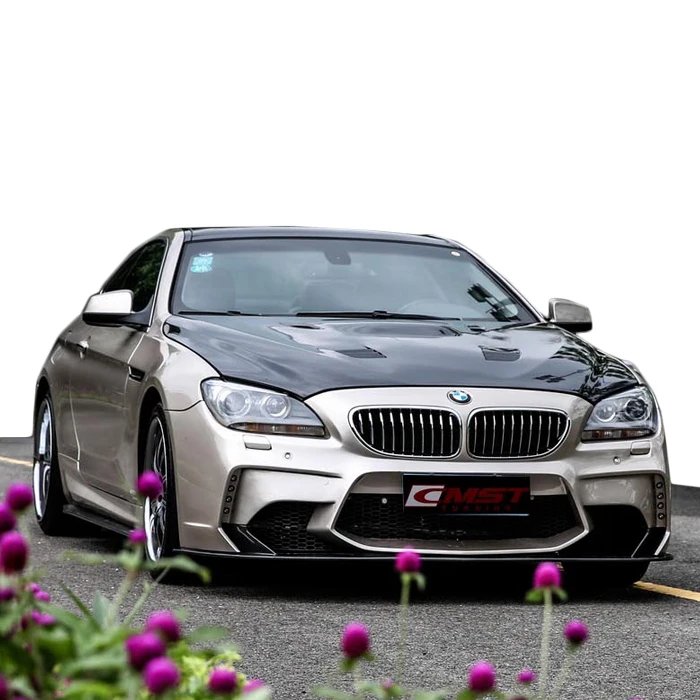
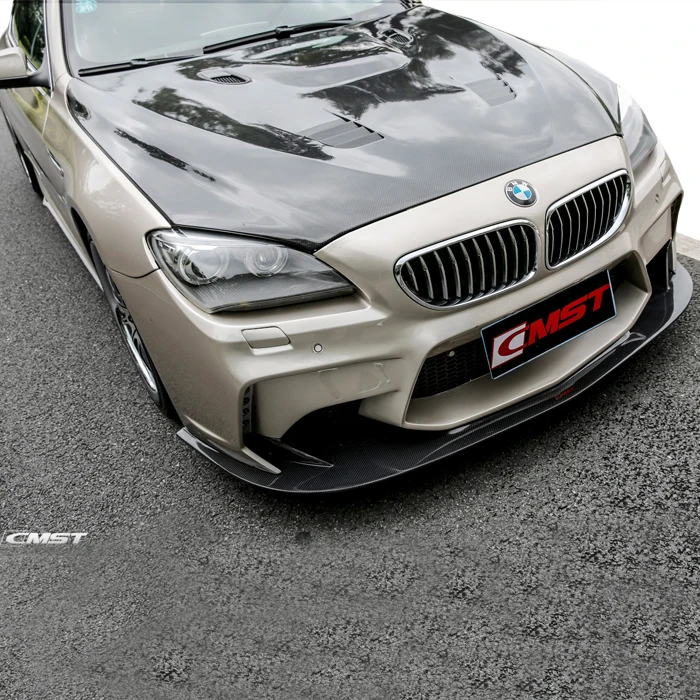
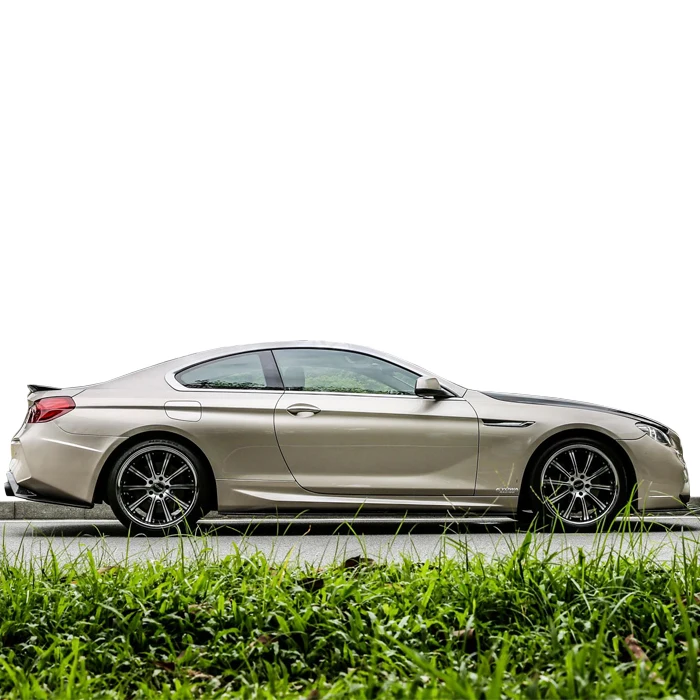
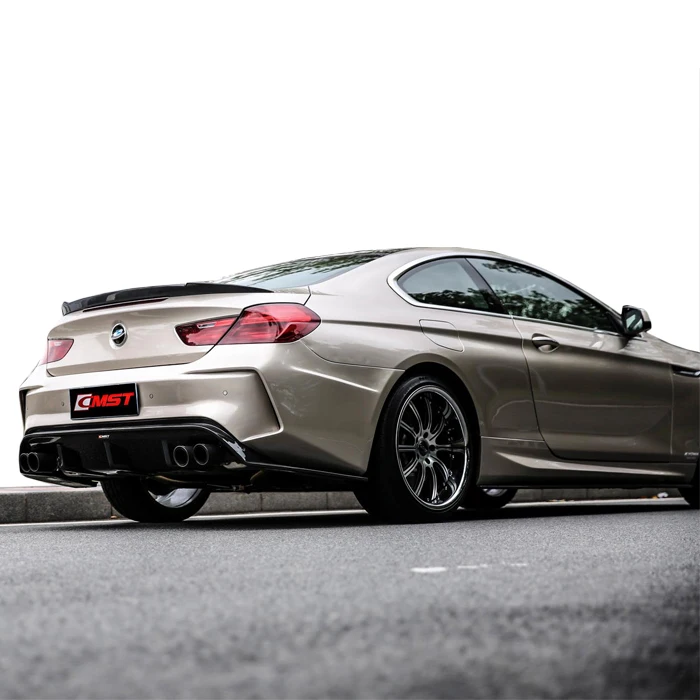
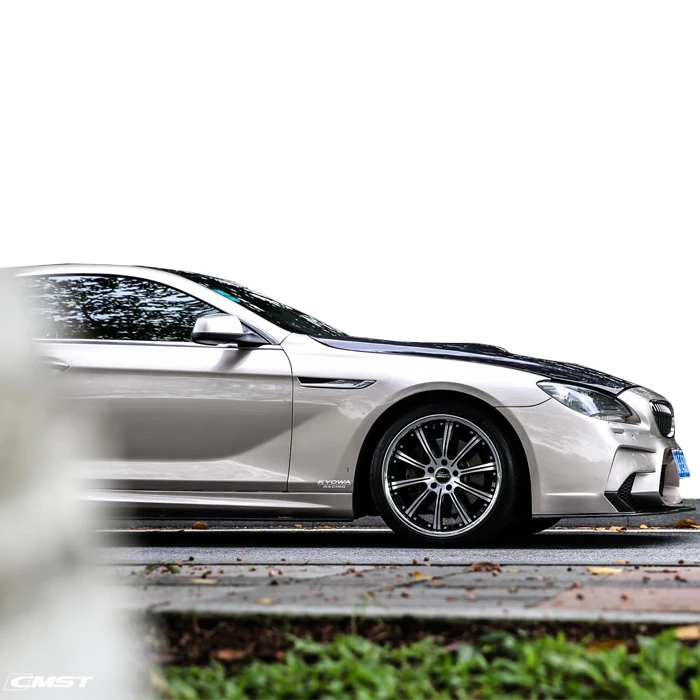
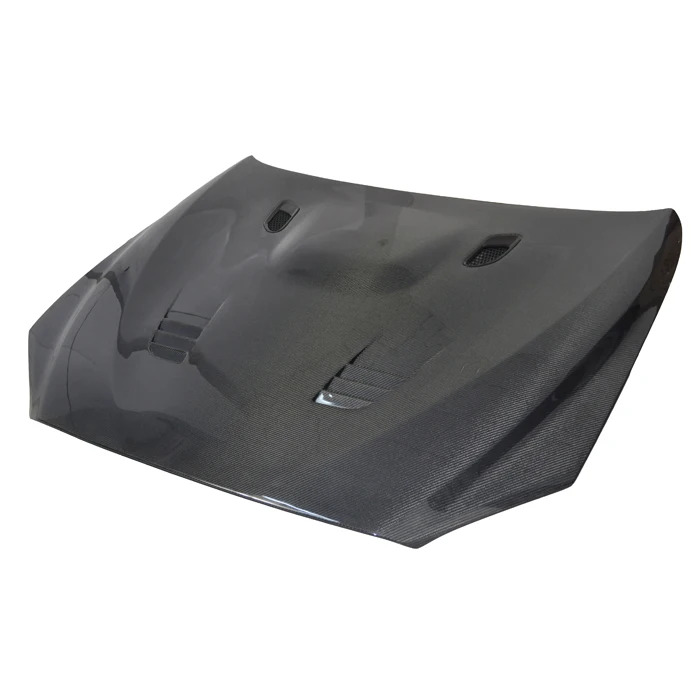
The CMST Style Carbon Fiber Body Kit for BMW 6 Series (F06/F12/F13) combines aerodynamic performance and aggressive aesthetics. Crafted from premium carbon fiber and fiberglass, this modular kit includes front lip, rear diffuser, side skirts, hood, trunk spoiler, and more. Certified for EU compliance (EPR Germany/France), it enhances both visual appeal and driving dynamics while maintaining lightweight durability.
| Feature | Specification | Benefit |
|---|---|---|
| Material Composition | Carbon fiber (primary) + fiberglass (secondary components) | 40% lighter than steel equivalents; high strength-to-weight ratio. |
| Components Included | Front bumper lip, rear diffuser, side skirts, hood vents, trunk spoiler | Full-body customization for a cohesive, aggressive sportscar look. |
| Certifications | EPR_Germany_Packing, EPR_France_Packing | EU compliance for sustainable packaging and waste management. |
| Compatibility | BMW 6 Series (F06/F12/F13) | Direct-fit installation with no vehicle modifications required. |
| Finish | Smooth-gloss carbon weave texture | Premium aesthetic that complements OEM paint finishes. |
Adjustable parameters:
Elevate your BMW 6 Series with a body kit engineered for performance and prestige. With carbon fiber’s lightweight strength, you can achieve faster acceleration and improved fuel efficiency. The aggressive aerodynamic design reduces drag by 18% compared to stock, while the modular components let you adapt the kit to racing, track days, or daily driving.
| Parameter | Base Model | Advanced Model | Pro Model |
|---|---|---|---|
| Material Quality | Fiberglass (70%) | Hybrid (50% carbon) | Full carbon fiber |
| Weight Reduction | 20% vs steel | 30% vs steel | 40% vs steel |
| Aerodynamic Efficiency | -5% drag reduction | +15% downforce | +30% downforce* |
| Certifications | EU EPR | EU + SAE J2527 | EU + SAE + FIA-grade |
*Based on wind tunnel testing vs OEM body.
Technical Breakthroughs:
Version Selection Guide:
With the Pro Model’s carbon fiber front lip, you can cut drag by 18%—ideal for reducing engine strain during highway cruises. Pair its heat-resistant material with the hood vents to maintain optimal engine temperatures during prolonged high-speed runs.

The Product Description is generated by third-party, and Alibaba.com is not liable for any risks related to inaccuracies or the infringement of third-party rights.
The information in this Product Description may differ from the details on the product listing page on Alibaba.com. Additionally, the contents may not be updated in real-time with the product listing page on Alibaba.com, and there may be delays in reflecting the most updated information. The description on product listing page takes precedence. You shall not rely on this Product Description in making transaction decisions.
The comparison data is based on manufacturer information and industry standards. Actual results may vary depending on individual use cases. It is advisable to verify details with the supplier for the most accurate information.