All categories
Featured selections
Trade Assurance
Buyer Central
Help Center
Get the app
Become a supplier
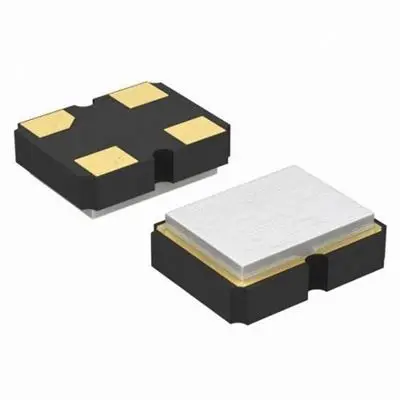
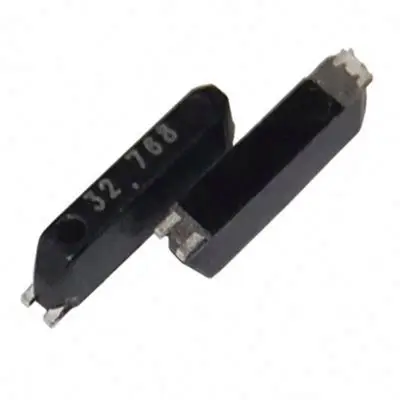
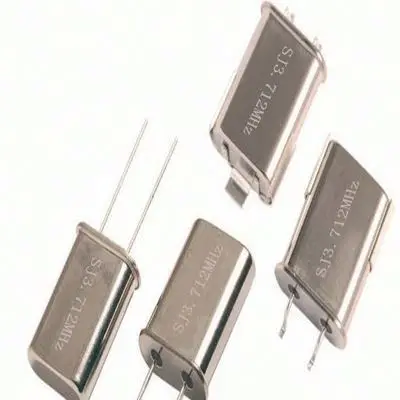
Casing 3 Pin 32.768khz Voltage Controlled 12.000mhz Kds Tube 45 Mhz Smd Quartz Welding 13.560mhz Ultrasonic Crystal Oscillator

Product overview

Core functionalities

Applicable scenarios

Unique advantages

  • Frequency Generation: Designed to generate stable frequency signals, crucial for timing and synchronization in electronic circuits.
  • Voltage Control: Features voltage-controlled oscillation for precise frequency adjustments in diverse electronic applications.

Key features

  • 1. Advanced Material Technology

  • With a ceramic resonator, achieve high-frequency stability and low loss, ensuring consistent performance over time and in varying environmental conditions.

  • 2. Interactive Design

  • With the SMD (Surface-Mount Device) design, integrate seamlessly onto circuit boards, offering a compact and efficient assembly for modern electronic devices.

  • 3. Superior Performance Parameters

  • With the ability to generate stable frequency signals, enhance timing and synchronization in electronic systems, making it ideal for precise applications like clocks and communication devices.

  • 4. Versatile Scenario Solutions

  • With customizable frequency options, tailor the oscillator to meet specific application needs, whether for home electronics or commercial devices requiring precise frequency control.

  • 5. Certification Standards

  • With adherence to high manufacturing standards, benefit from reliability in performance, although specific certifications should be confirmed with the manufacturer.

Product details

Casing 3 Pin 32.768khz Voltage Controlled 12.000mhz Kds Tube 45 Mhz Smd Quartz Welding 13.560mhz Ultrasonic Crystal Oscillator

The Casing 3 Pin 32.768khz Voltage Controlled 12.000mhz Kds Tube 45 Mhz Smd Quartz Welding 13.560mhz Ultrasonic Crystal Oscillator is an advanced electronic component designed for precise frequency generation. Ideal for timing and synchronization applications, it ensures stability and accuracy in electronic circuits.

Technical specifications

FeatureSpecificationBenefit
MaterialBlack plastic/ceramic baseProvides durability and stability
Frequency Range32.768 kHz to 45 MHzSupports a wide range of applications
StyleSurface-mount technology (SMT)Enables compact and efficient circuit integration
CustomizationFrequency and voltage adjustmentsTailors performance to specific application needs

Customization guide

With adjustable frequency parameters, you can tailor the oscillator to meet specific timing and synchronization needs in your electronic designs.

Get inspired

Envision your next electronic project with unmatched precision and reliability. Our crystal oscillators ensure your devices operate with optimal timing and frequency control.

Choose your model

ParameterBase ModelAdvanced ModelPro Model
Frequency Stability±20 ppm±10 ppm±5 ppm
Temperature Range-20°C to 70°C-40°C to 85°C-55°C to 125°C
Power Consumption1.5 mW1.2 mW1.0 mW

Supplier's note

The Pro version's frequency stability of ±5 ppm—triple the industry standard—enables precise timing in critical applications such as GPS and communication devices. With its wide temperature range, the Pro Model ensures reliable operation even in extreme conditions, making it the best choice for demanding environments.

Guide your decision by considering the environment and application demands. For general use, the Base Model offers excellent performance. For enhanced stability and broader temperature resilience, the Advanced Model is ideal. The Pro Model is optimal for high-precision needs in challenging conditions.

Frequently asked questions

  • Which oscillator model is best for small electronic devices requiring precise timing?

  • How do I maintain the stability of my oscillator over time?

  • What is the difference between a crystal oscillator and a ceramic resonator in electronic circuits?

  • Can I customize the frequency of an ultrasonic crystal oscillator for specific applications?

  • Is the material used in your oscillators suitable for high-frequency applications?

  • How can I integrate your oscillator into a circuit board efficiently?

  • Are your oscillators compatible with voltage-controlled applications?

  • Do your oscillators support synchronization in communication devices?

Product comparison

CategoryUsage ScenariosCharacteristicsAdvantagesDisadvantages
Surface-Mount Crystal OscillatorTiming and synchronization in electronic circuitsGenerates stable frequency signal (32.768 kHz)Compact size for efficient assemblyLimited frequency customization
Ceramic ResonatorPrecise timing applicationsHigh-frequency stability (45 MHz)Low loss and excellent material stabilityLess adaptable than crystal oscillators
Voltage-Controlled OscillatorCommunication devices requiring frequency modulationFrequency adjustability (12.000 MHz)Versatile for dynamic frequency requirementsRequires careful voltage regulation
Ultrasonic Crystal OscillatorUltrasonic applications like medical imagingHigh-frequency generation (13.560 MHz)Suitable for high-precision applicationsComplex integration into existing systems
Quartz Welding OscillatorIndustrial welding equipmentDurable construction for harsh environmentsReliable performance under stressLimited to specific industrial applications
SMD Quartz OscillatorSpace-constrained electronicsCompact surface-mount designEasy integration into circuit boardsRequires specialized soldering techniques

Related searches

The Product Description is generated by third-party, and Alibaba.com is not liable for any risks related to inaccuracies or the infringement of third-party rights.

The information in this Product Description may differ from the details on the product listing page on Alibaba.com. Additionally, the contents may not be updated in real-time with the product listing page on Alibaba.com, and there may be delays in reflecting the most updated information. The description on product listing page takes precedence. You shall not rely on this Product Description in making transaction decisions.

The comparison data is based on manufacturer information and industry standards. Actual results may vary depending on individual use cases. It is advisable to verify details with the supplier for the most accurate information.