
All categories
Featured selections
Trade Assurance
Buyer Central
Help Center
Get the app
Become a supplier
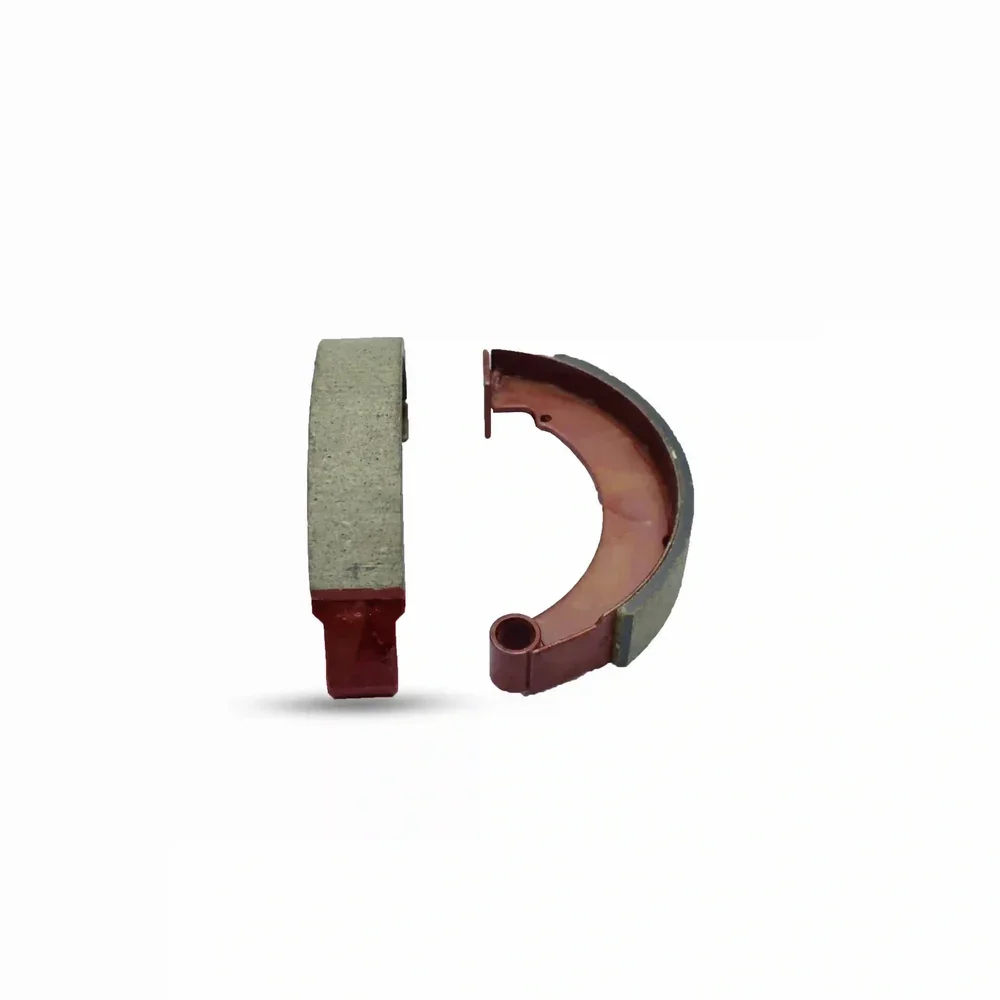
The Cast Iron Datai Drum Brake Shoe is engineered for robust braking performance in mechanical systems, featuring a cast iron construction optimized for Indian vehicle standards. Designed with a curved profile and secure mounting tabs, these brake shoes deliver reliable heat management and friction efficiency in diverse driving conditions.
| Feature | Specification | Benefit |
|---|---|---|
| Material | Cast iron base with friction composite | Enhanced durability and heat resistance |
| Shape | Curved design for drum compatibility | Ensures uniform contact and braking force |
| Mounting System | Reinforced steel tab attachment | Secure installation under high stress loads |
| Friction Coefficient | Customizable (0.3–0.45) | Adaptable braking power for varying terrains |
Adjust friction material composition (e.g., ceramic additives) to boost performance in wet or high-temperature environments. Tailor shoe dimensions to fit specific Indian vehicle models (e.g., commercial trucks, passenger cars).
Maximize braking efficiency in Indian road conditions with the Cast Iron Datai Brake Shoe. Its cast iron core withstands frequent stops, while the curved design ensures seamless integration into drum systems.
| Parameter | Base Model | Advanced Model | Pro Model |
|---|---|---|---|
| Friction Coefficient | 0.35 (Standard) | +0.10 (0.45) | +0.20 (0.55)* |
| Heat Resistance | 400°C | 450°C (+12.5%) | 500°C (+25%) |
| Weight | 1.2 kg | 1.3 kg (reinforced) | 1.5 kg (premium alloy) |
Technical Breakthroughs:
Version Selection Guide:
With the Pro Model’s 500°C heat resistance, you can safely handle prolonged braking in mountainous regions. Pair its premium alloy construction with a 0.55 friction coefficient to achieve rapid deceleration without fade.

The Product Description is generated by third-party, and Alibaba.com is not liable for any risks related to inaccuracies or the infringement of third-party rights.
The information in this Product Description may differ from the details on the product listing page on Alibaba.com. Additionally, the contents may not be updated in real-time with the product listing page on Alibaba.com, and there may be delays in reflecting the most updated information. The description on product listing page takes precedence. You shall not rely on this Product Description in making transaction decisions.
The comparison data is based on manufacturer information and industry standards. Actual results may vary depending on individual use cases. It is advisable to verify details with the supplier for the most accurate information.