All categories
Featured selections
Trade Assurance
Buyer Central
Help Center
Get the app
Become a supplier
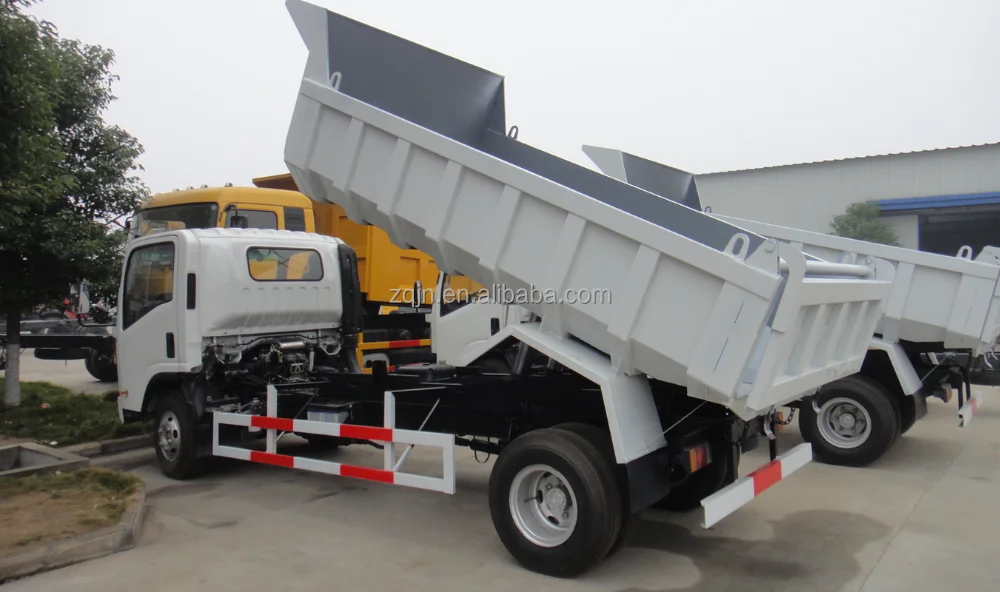
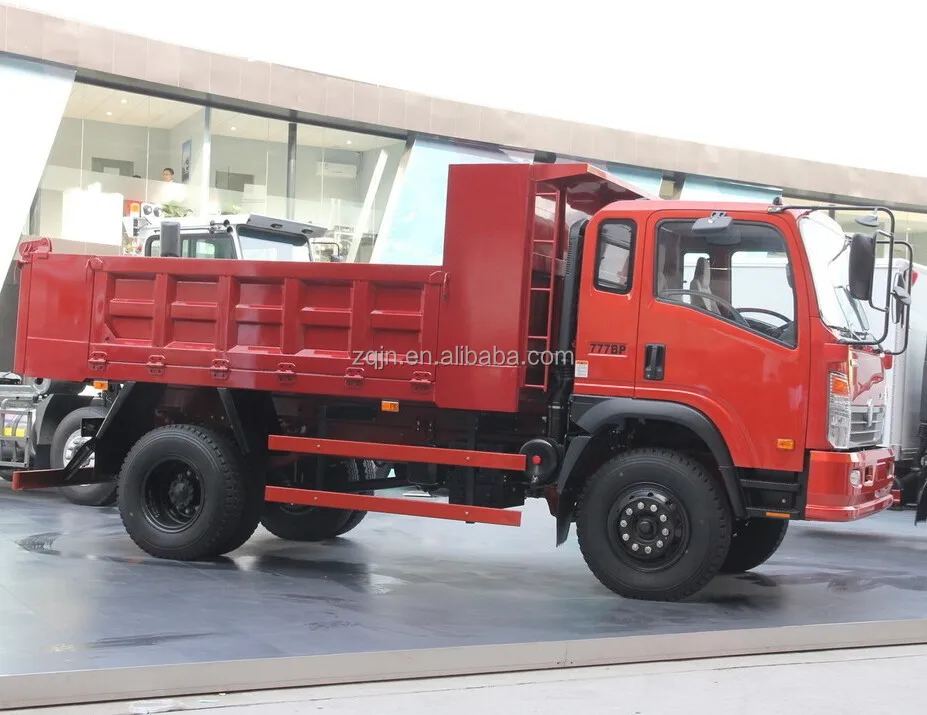
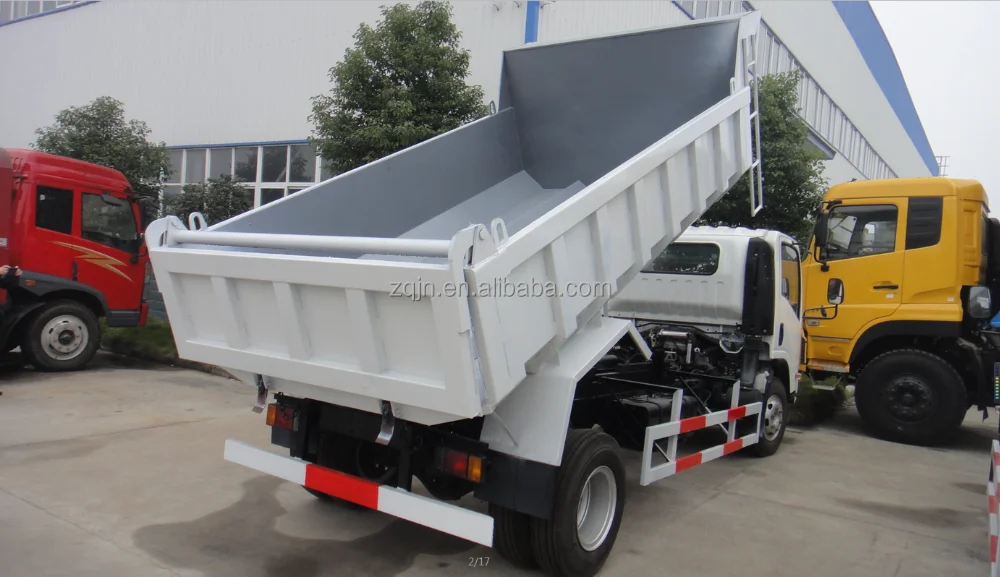
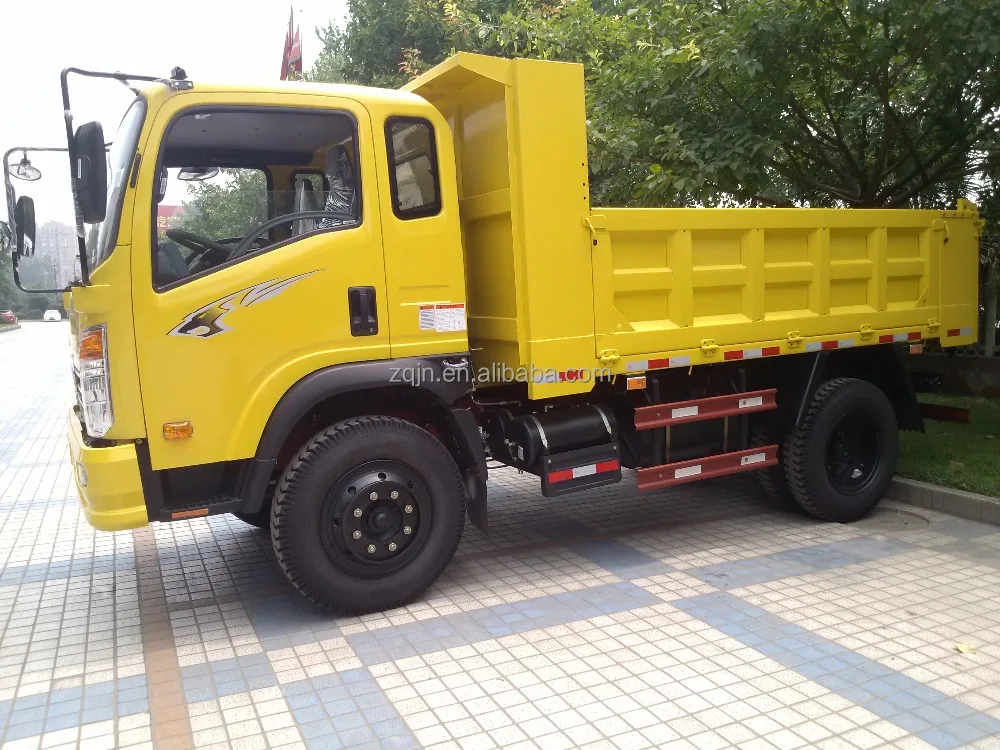
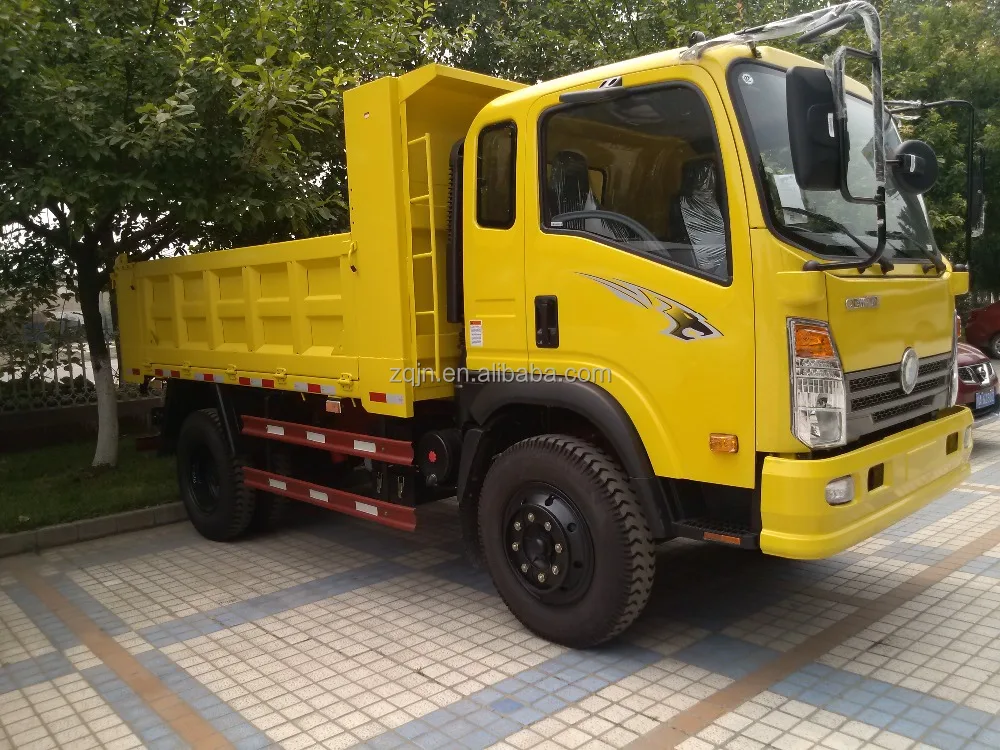
The China SINOTRUK CDW 5 Tons Tipper Truck is a robust, heavy-duty commercial vehicle designed for efficient material transport and unloading. Equipped with a 6L diesel engine, manual transmission, and a hydraulic lift system, it meets Euro 2 emission standards while offering customizable load capacities (1-10t) and terrain versatility.
| Feature | Specification | Application Scenario |
|---|---|---|
| Load Capacity | 1-10 tons | Construction, mining, demolition sites |
| Engine Capacity | 6L diesel | Power-efficient for heavy-duty tasks |
| Hydraulic System | Adjustable tilt mechanism | Smooth and safe cargo unloading |
| Fuel Tank | 100-200L | Long-range operations without refuel |
| Safety Features | Steel cargo bed, roll cage | Protection in rough terrains |
| Emission Standard | Euro 2 | Compliance with environmental norms |
Adjustable bed size and load capacity to meet specific project requirements. The hydraulic system can be optimized for faster tilt speeds or higher torque, enhancing efficiency in specialized tasks.
With a 5-ton capacity and robust steel construction, this tipper truck is ideal for medium-scale construction projects. Its hydraulic lift system ensures quick unloading, while the Euro 2-compliant engine balances power and environmental responsibility.
| Parameter | Base Model (5t) | Advanced Model (8t) | Pro Model (10t) |
|---|---|---|---|
| Load Capacity | 5 tons | +60% (8t) | +100% (10t)* |
| Maximum Torque | 1,000-1,500 Nm | +15% (1,725 Nm) | +30% (1,950 Nm) |
| Fuel Tank Capacity | 100-200L | 200-300L | 300-400L |
| Emission Standard | Euro 2 | Euro 3 | Euro 4 |
Technical Breakthroughs:
Version Selection Guide:
With the Pro Model’s 1,950 Nm torque, you can tackle steep inclines effortlessly. Pair it with its 400L fuel tank for non-stop operation across expansive mining sites.

The Product Description is generated by third-party, and Alibaba.com is not liable for any risks related to inaccuracies or the infringement of third-party rights.
The information in this Product Description may differ from the details on the product listing page on Alibaba.com. Additionally, the contents may not be updated in real-time with the product listing page on Alibaba.com, and there may be delays in reflecting the most updated information. The description on product listing page takes precedence. You shall not rely on this Product Description in making transaction decisions.
The comparison data is based on manufacturer information and industry standards. Actual results may vary depending on individual use cases. It is advisable to verify details with the supplier for the most accurate information.