All categories
Featured selections
Trade Assurance
Buyer Central
Help Center
Get the app
Become a supplier
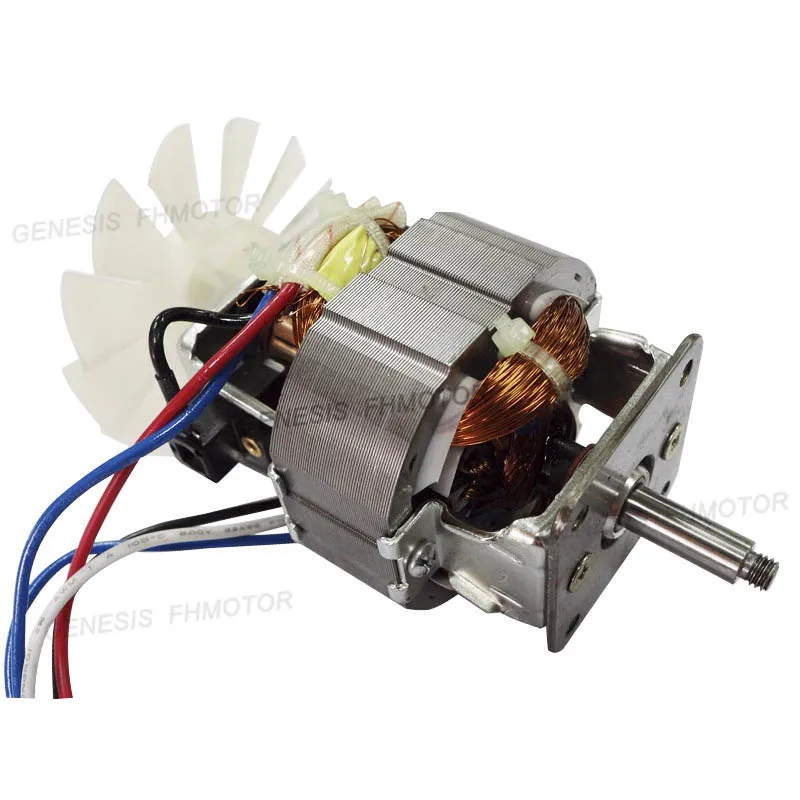
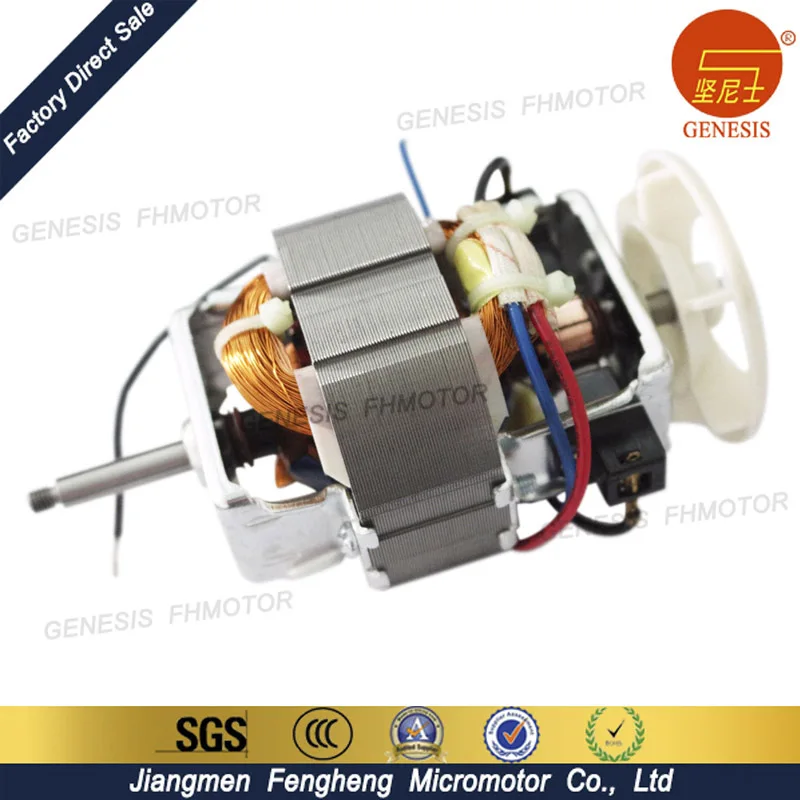
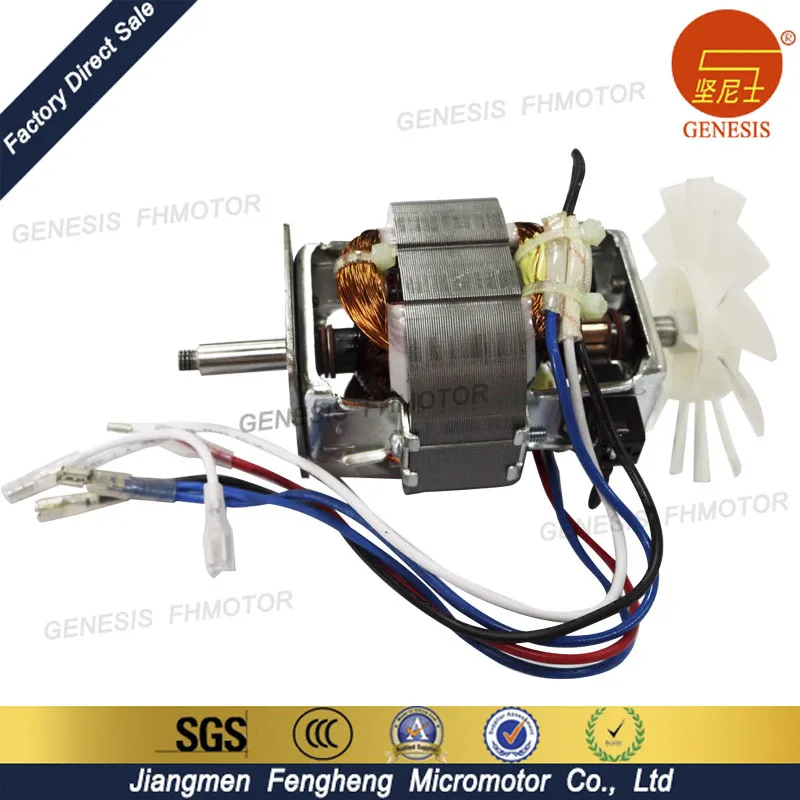
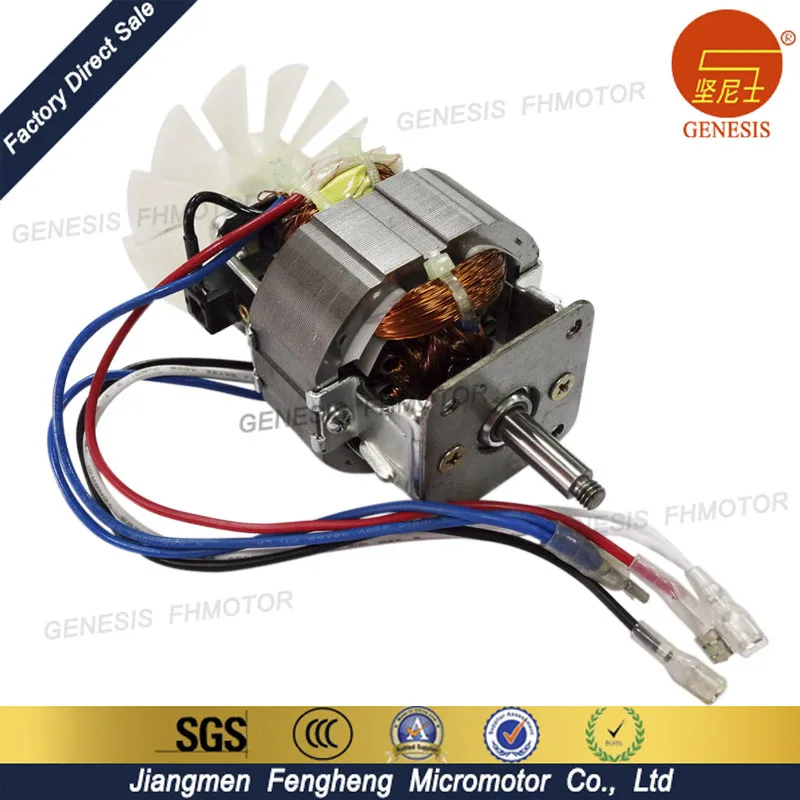
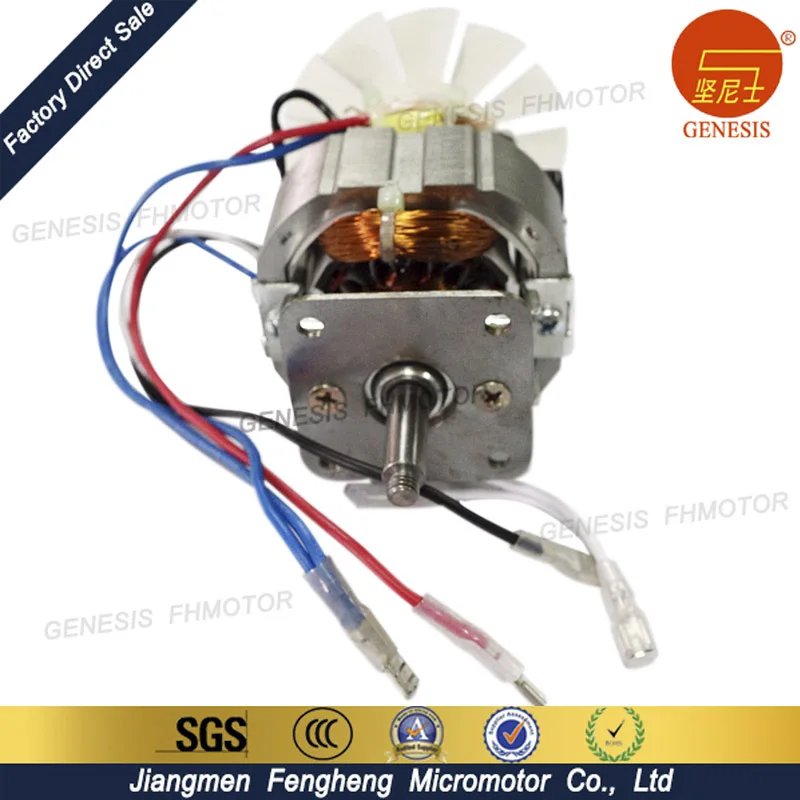
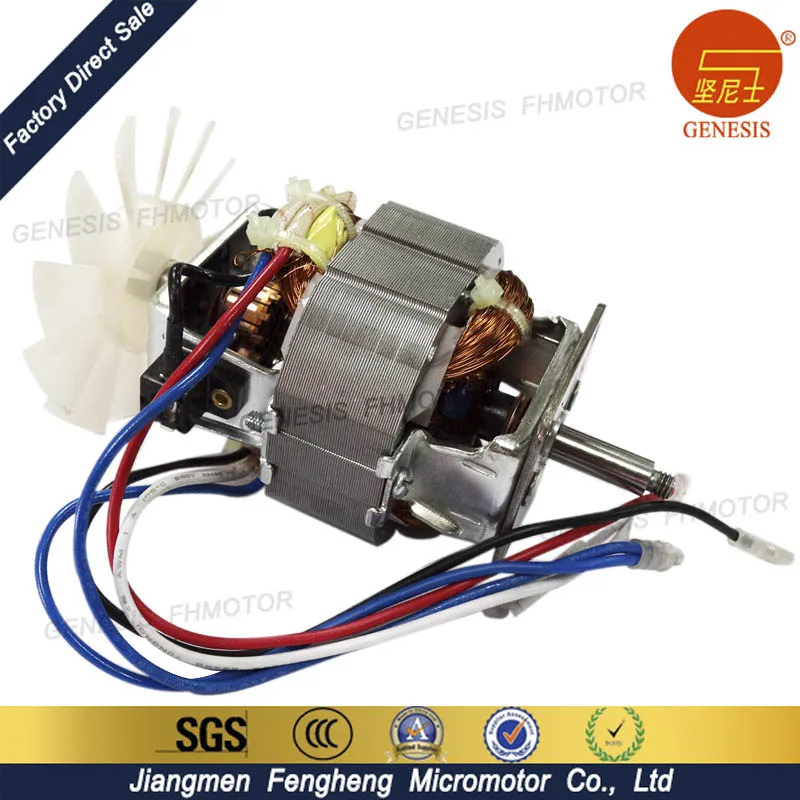
The China Supplier Micro Electric Motor AC Universal Blender Motor is a compact, high-performance motor designed for small household appliances like blenders, mixers, and grinders. Built with durable materials and optimized for efficiency, it delivers reliable performance at 240V AC with IE1 energy standards.
| Feature | Specification | Benefit |
|---|---|---|
| Material | Aluminum casing, copper windings | Enhanced heat dissipation and durability |
| Bearings | Ball bearings | Reduced friction and extended lifespan |
| Voltage | 240V AC | Compatibility with standard household circuits |
| Efficiency Class | IE1 | Meets international energy efficiency standards |
| Rated Power | 200W | Sufficient torque for blending and grinding tasks |
| Design | Compact, color-coded wiring | Easy installation and integration into appliances |
Adjustable wiring configurations and mounting options allow customization to fit specific appliance designs. The motor’s modular structure supports tailored solutions for varying power requirements or spatial constraints.
Ideal for blending, mixing, and grinding tasks, this motor combines robust performance with energy efficiency. Its compact size ensures seamless integration into kitchen appliances, while its durable materials guarantee long-term reliability.
| Parameter | Base Model | Advanced Model | Pro Model |
|---|---|---|---|
| Power Output | 200W | 250W (+25%) | 300W (+50%) |
| Efficiency Class | IE1 | IE2 (+15% efficiency) | IE3 (+30% efficiency)* |
| Torque | Standard | Enhanced | Premium |
| Lifespan | 5,000 hours | 8,000 hours (+60%) | 12,000 hours (+140%) |
Technical Breakthroughs:
Version Selection Guide:
With its IE3 efficiency, the Pro Model consumes 20% less energy than traditional models, reducing operational costs. Pair its high torque with copper windings for seamless operation in demanding scenarios.

The Product Description is generated by third-party, and Alibaba.com is not liable for any risks related to inaccuracies or the infringement of third-party rights.
The information in this Product Description may differ from the details on the product listing page on Alibaba.com. Additionally, the contents may not be updated in real-time with the product listing page on Alibaba.com, and there may be delays in reflecting the most updated information. The description on product listing page takes precedence. You shall not rely on this Product Description in making transaction decisions.
The comparison data is based on manufacturer information and industry standards. Actual results may vary depending on individual use cases. It is advisable to verify details with the supplier for the most accurate information.