All categories
Featured selections
Trade Assurance
Buyer Central
Help Center
Get the app
Become a supplier

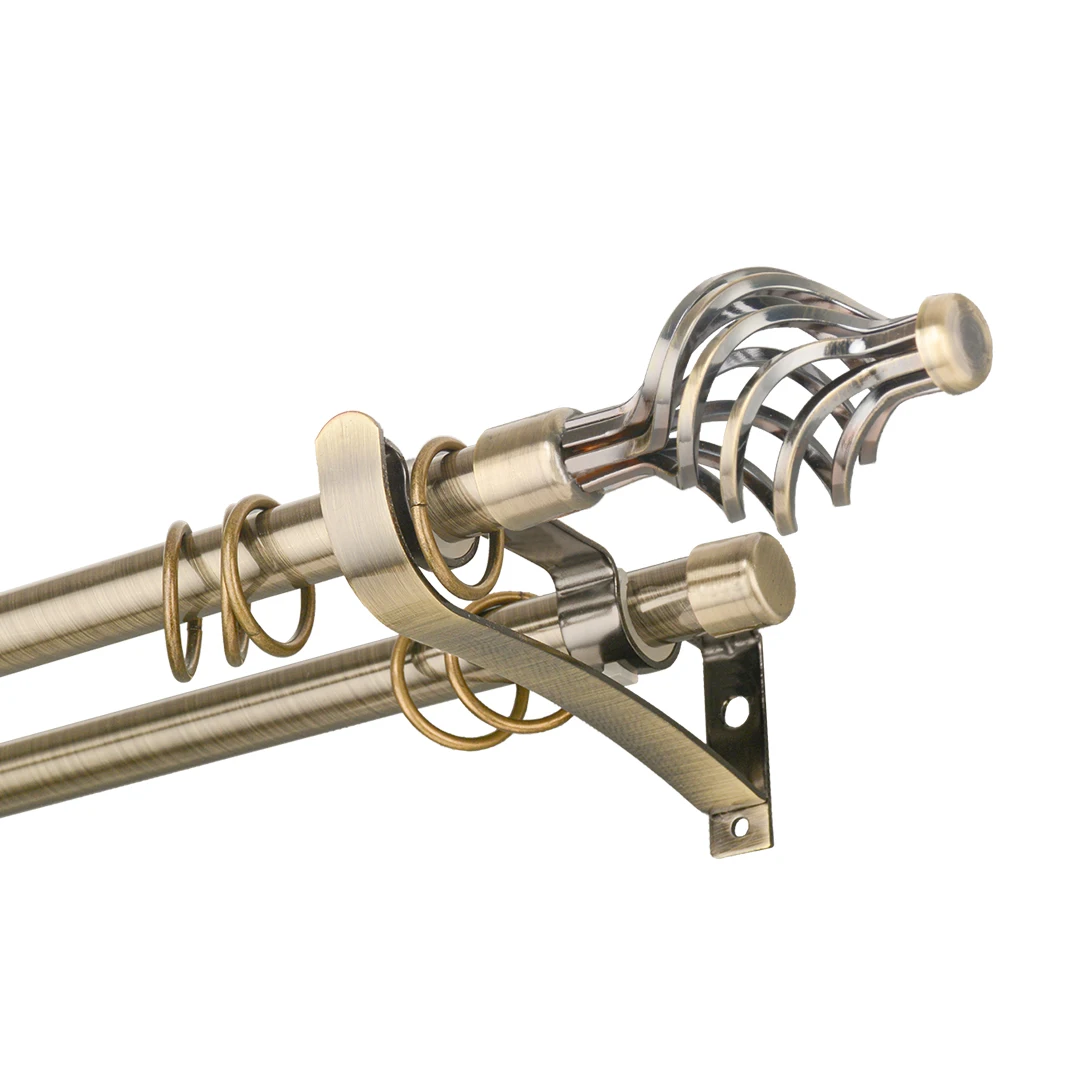
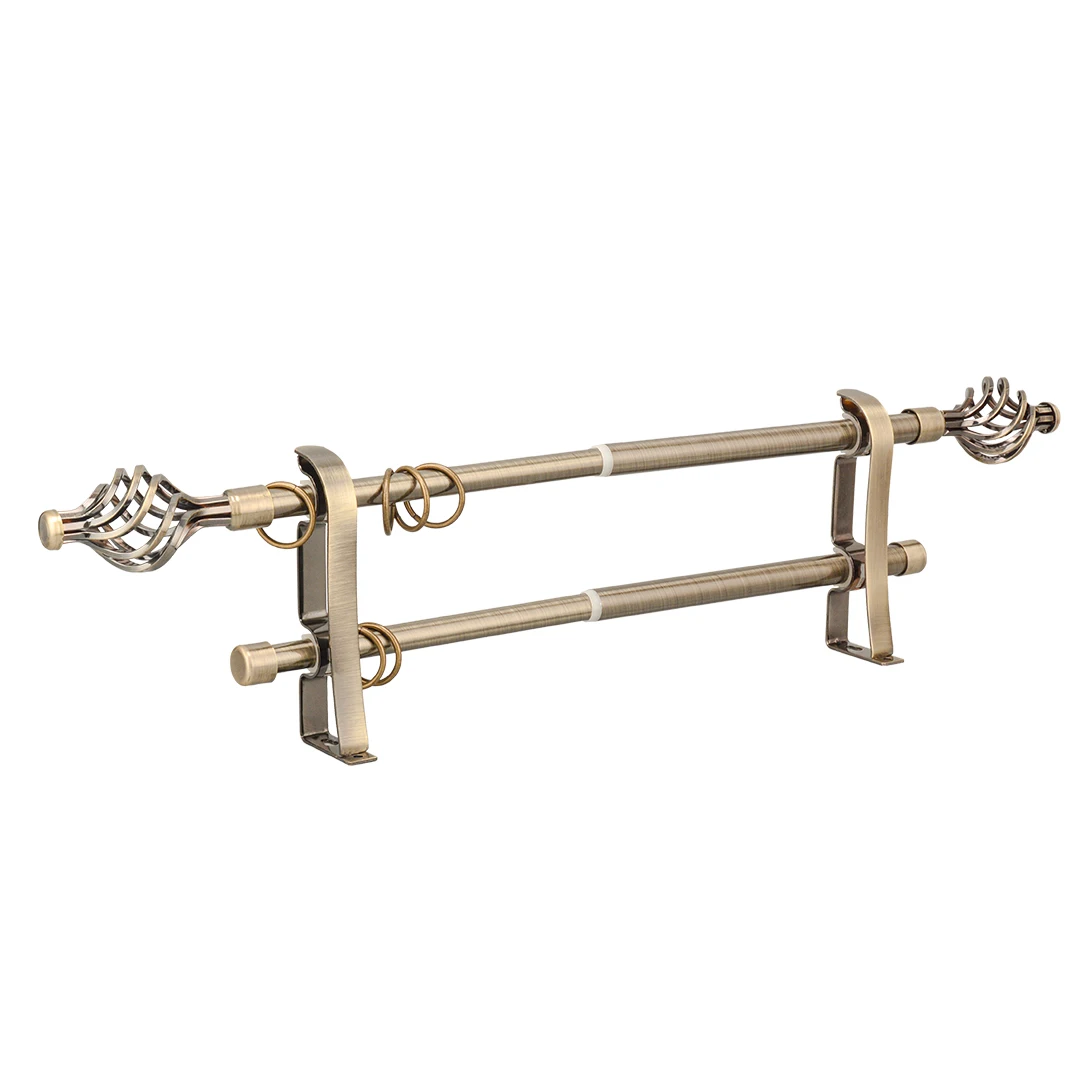
... (few sentences)
| Feature | Specification | Benefit |
|---|---|---|
| ....... |
(customization hints) ...
(a short introduction to inspire customers)
| Parameter | Base Model | Advanced Model | Pro Model |
|---|---|---|---|
| ... |
...
Wait, there's a discrepancy here. The user first says the Technical Parameters Table should have Feature, Specification, Application Scenario. But in the example format provided, the Technical Specifications table has Feature, Specification, Benefit. So which one to follow?
Looking at the user's instruction again:
"Structured Requirements:
Technical Parameters Table (Columns: Feature, Specification, Application Scenario)"
So the user explicitly states that the Technical Parameters Table should have those three columns. However, in the example format given by the user, the Technical Specifications section uses Feature, Specification, Benefit. That's conflicting.
Hmm, perhaps the user made a mistake, but since the instruction says to follow the structured requirements, I should prioritize the columns they specified. So Technical Parameters Table (Feature, Specification, Application Scenario). But the example shows Benefit. Maybe the user intended the Technical Specifications to be the table with Benefit, but the Technical Parameters Table is a separate one? Wait, the user's instruction says:
"Please convert the following information into a table and descriptive text:
Vision Detail -> Corresponding parameters(Material / size / ...) Product Attributes -> Technical specifications( certification standard / ...) Structured Requirements:
Technical Parameters Table (Columns: Feature, Specification, Application Scenario) Customization Hint (Adjustable XX parameters to meet XX special needs) Scenario Solution Paragraph (Example: Medium thickness fabric is suitable for making summer shirts because...) (Act as a technical writer. Refer to the product cluster classification table given) Create a Choose Your Model table comparing our three versions against industry benchmarks, using this structure: ..."
So the Technical Parameters Table is part of the structured requirements and must have those three columns. The example format's Technical Specifications section may be a different table. Wait the example format shows:
| Feature | Specification | Benefit |
But according to the structured requirements, that should be Feature, Specification, Application Scenario. So perhaps the user wants two tables: one called Technical Specifications with Benefit, and another called Technical Parameters Table with the three columns? But the user's instruction is a bit conflicting. Since the user's structured requirements mention the Technical Parameters Table with those three columns, perhaps that's the main table, and the example's Technical Specifications is part of that.
Alternatively, maybe the user wants the Technical Specifications section to be the Technical Parameters Table with the three columns. To resolve this, I'll follow the structured requirements: the Technical Specifications table should have Feature, Specification, Application Scenario. But in the example format, they have Benefit. Hmm, perhaps the user made a mistake in the example, but the instructions are clear. Let me proceed with the columns as per the structured requirements.
So for Technical Specifications table:
Feature | Specification | Application Scenario
Now, let's start building the tables.
First, the Technical Specifications table. Features from the product attributes and vision details.
Features could be:
Specifications would be the details from the attributes. For example, Material Composition: Aluminum, Zinc Alloy, Chrome Plated (since surface treatment is chrome). Application scenarios would be where they're used, like outdoor spaces, traditional decor, etc.
Next, the Customization Guide. The user wants adjustable parameters. The product has customizable shape and includes brackets and rings, so maybe adjustable length, customizable finial designs, etc.
Scenario Solution Paragraph: For example, the double curtain rod is suitable for layered window treatments in living rooms, or the lightweight aluminum allows for easy installation in high-traffic areas.
Choose Your Model table: Three models (Base, Advanced, Pro). Parameters could be Material Quality, Flexibility, Load Capacity, Customization Level, Corrosion Resistance.
Base Model might use iron, less flexible, standard load. Advanced uses aluminum, more flexible, higher load. Pro uses zinc alloy, highest flexibility and load, fully customizable.
Managers Note: Breakthroughs could be the Pro's zinc alloy for durability, chrome plating for corrosion resistance, and customizable shapes. Then guide users: Base for basic needs, Advanced for moderate customization and durability, Pro for heavy-duty and design-focused.
Now, putting it all together in markdown as per the format. </think>

The Product Description is generated by third-party, and Alibaba.com is not liable for any risks related to inaccuracies or the infringement of third-party rights.
The information in this Product Description may differ from the details on the product listing page on Alibaba.com. Additionally, the contents may not be updated in real-time with the product listing page on Alibaba.com, and there may be delays in reflecting the most updated information. The description on product listing page takes precedence. You shall not rely on this Product Description in making transaction decisions.
The comparison data is based on manufacturer information and industry standards. Actual results may vary depending on individual use cases. It is advisable to verify details with the supplier for the most accurate information.