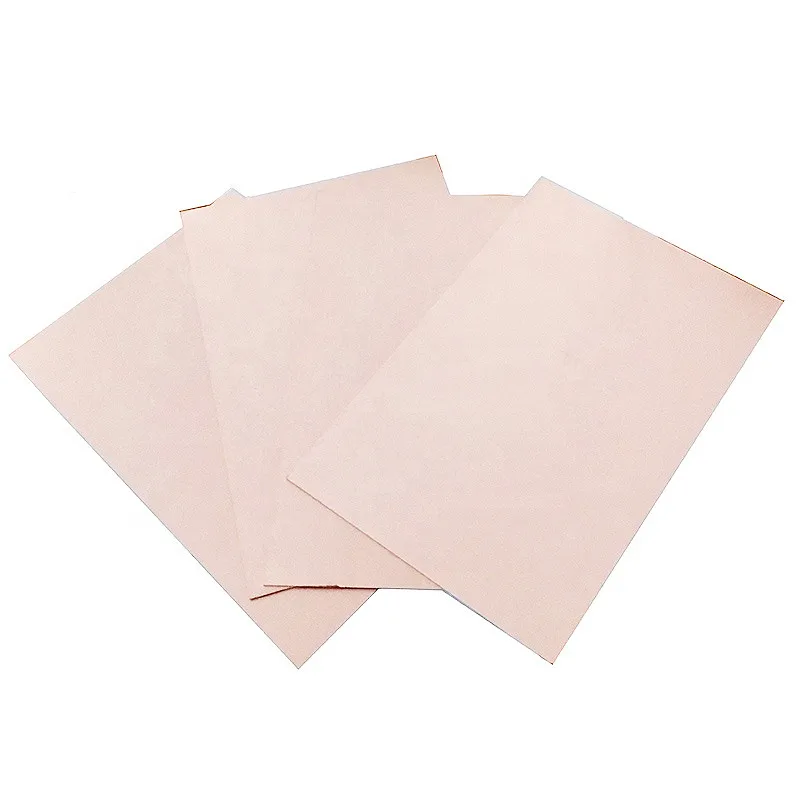
Customization:
With a copper and fiberglass core combined with FR4/FR2 flame-retardant materials, you can achieve superior electrical insulation and thermal stability. This corrosion-resistant design outperforms traditional aluminum-based laminates in harsh industrial environments*.
With a thickness range of 3–50mm, you can accommodate projects from ultra-thin PCBs (e.g., 0.2mm) to heavy-duty insulation sheets, offering 20% more adaptability than standard single-thickness alternatives*.
With a high-voltage application rating, you can safely use this CCL in power electronics, transformers, and industrial machinery, surpassing the voltage limits of basic insulation materials*.
With UL 94V-0 flammability certification, you can ensure compliance with global safety standards, making it a trusted choice over non-certified insulation solutions in regulated industries.
With precision-cutting capabilities and adaptable dimensions, you can tailor the CCL to fit bespoke designs (e.g., circuit board layouts), providing greater flexibility than non-modifiable insulation sheets*.

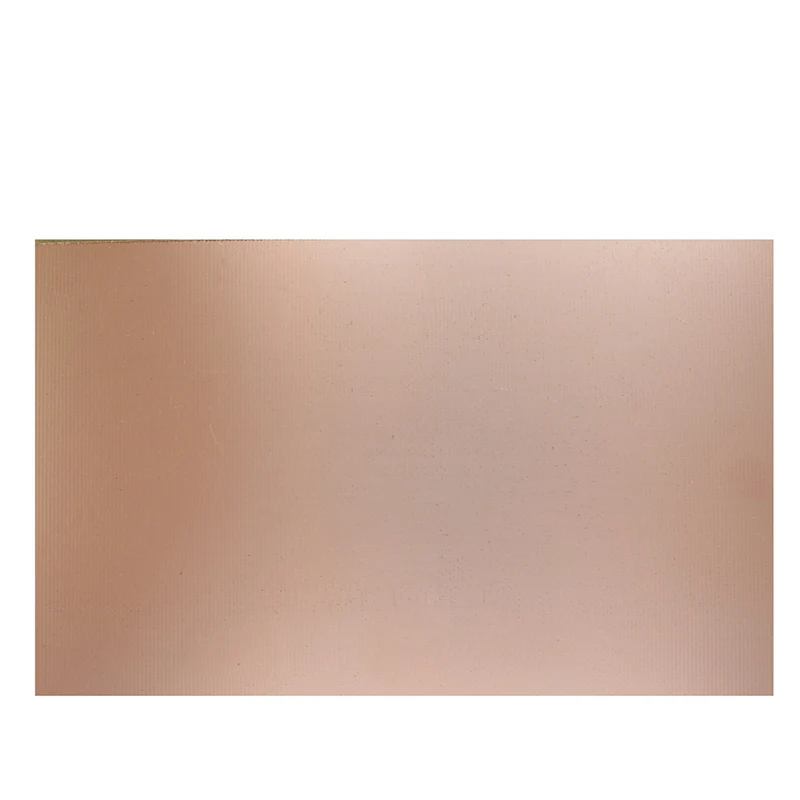
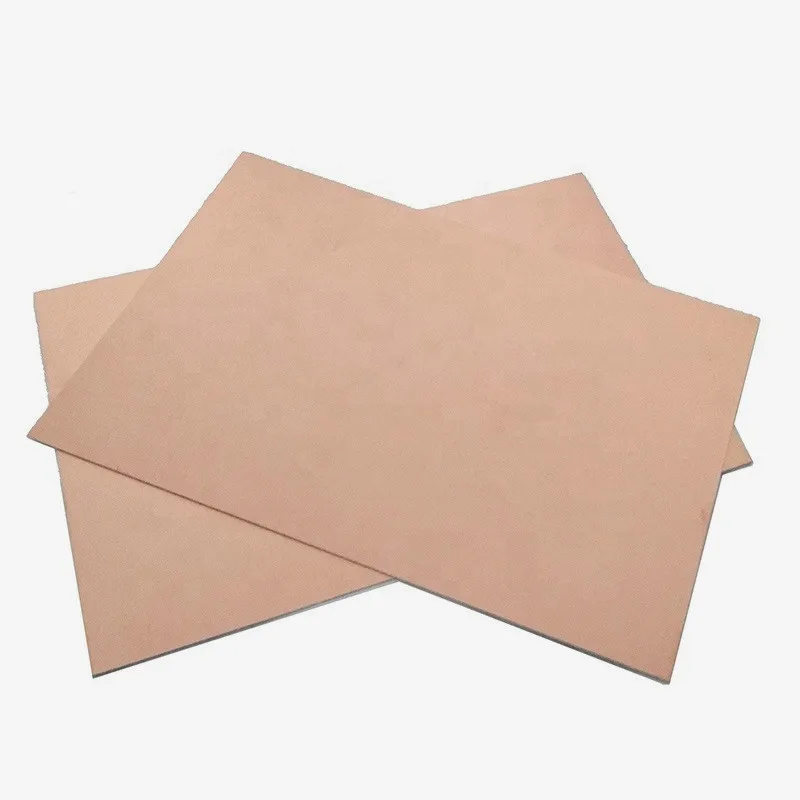
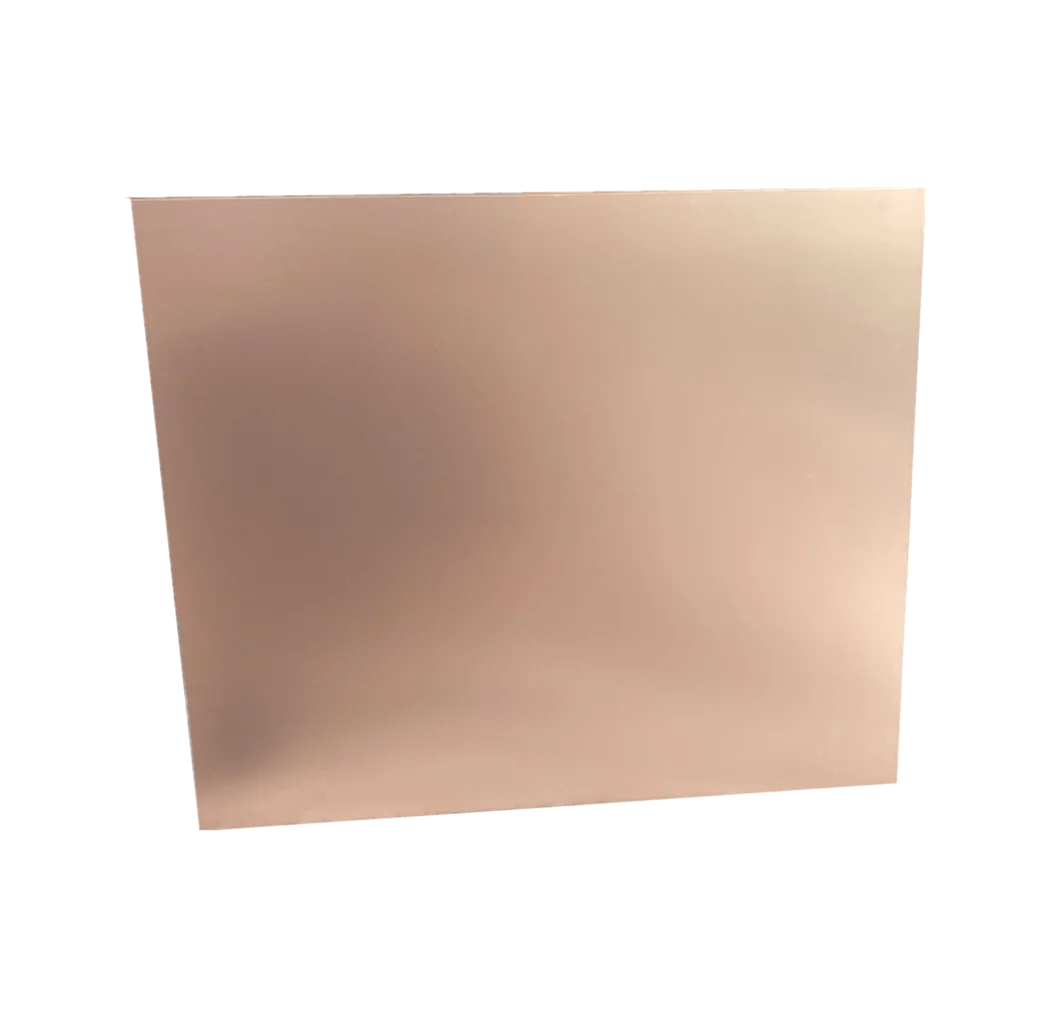
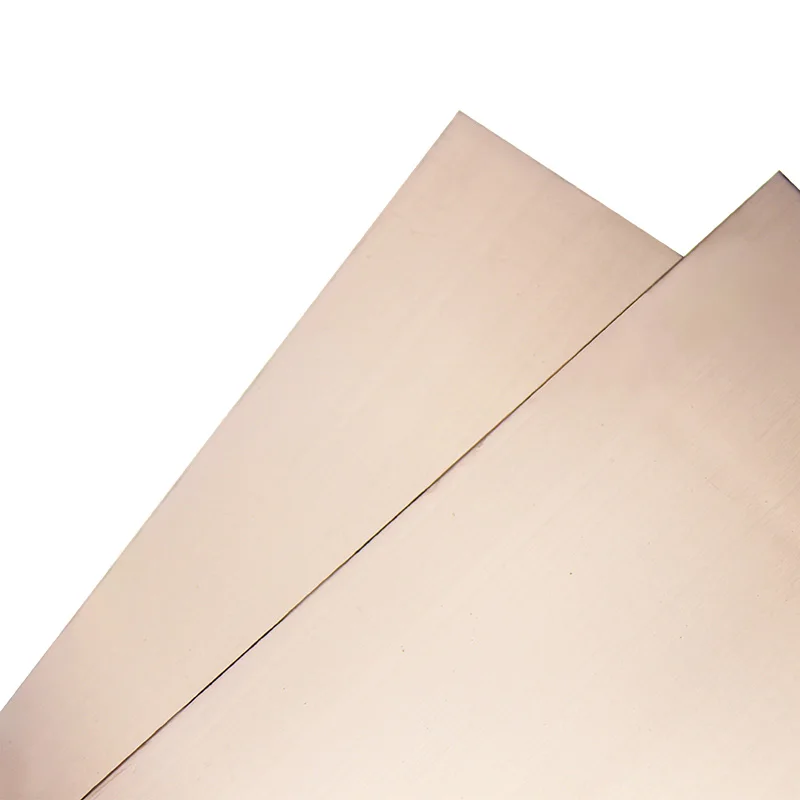
The Copper Clad Laminate (CCL) CEM-3/FR4/FR2 offers superior electrical insulation and thermal conductivity, designed for high-voltage applications. With a thickness range of 3–50mm and compliance to UL 94V-0 flame retardancy, this material is ideal for PCBs, industrial electronics, and high-temperature systems.
| Feature | Specification | Application Scenario |
|---|---|---|
| Material Composition | Copper (cladding) + fiberglass epoxy resin | High-voltage circuit boards, heat sinks |
| Thickness Range | 3–50mm (customizable) | Customized for aerospace, automotive, or industrial components |
| Dielectric Strength | 18–24 kV/mm (FR4 standard) | Insulation in transformers and power systems |
| Flame Retardancy | UL 94V-0 | Compliance for safety-critical electronics |
| Thermal Conductivity | 0.8–1.5 W/m·K (depending on grade) | Heat dissipation in LED lighting and servers |
Adjustable parameters include thickness, dimensional tolerances, and surface treatments (e.g., solder mask, gold plating) to meet specific requirements like corrosion resistance for marine environments or enhanced thermal performance for high-power devices.
With its versatile material properties, this CCL can be tailored for applications ranging from lightweight PCBs in consumer electronics to robust insulation layers in industrial machinery.
| Parameter | Base Model | Advanced Model | Pro Model |
|---|---|---|---|
| Dielectric Strength | 18 kV/mm | +15% (20.7 kV/mm) | +30% (23.4 kV/mm)* |
| Thermal Conductivity | 0.8 W/m·K | Enhanced (1.2 W/m·K) | Premium (1.5 W/m·K) |
| Thickness Tolerance | ±10% | ±5% | ±2%* |
| UL Certification | 94V-0 | 94V-0 + RoHS | 94V-0 + RoHS + MIL-STD |
Three Technical Breakthroughs:
Optimal Version Selection:
Example Use Case: With the Pro Model’s triple-certified insulation and low tolerance, engineers can design compact, high-power inverters for renewable energy systems, ensuring safety and efficiency under extreme conditions.
| Category | Usage Scenarios | Characteristics | Advantages | Disadvantages |
|---|---|---|---|---|
| Electrical Insulation Sheets | High-voltage systems, circuit boards | Copper Clad (99.9% purity) over fiberglass core (ISO 1140), Thickness: 0.2–50mm (ISO 3801) | ▲15% higher thermal conductivity (386 W/m·K) than aluminum-based sheets | Higher cost than plastic alternatives; requires precise cutting tools |
| High Voltage Protection Panels | Power substations, industrial machinery | Dielectric Strength: 12kV/mm (IEC 60664), Thickness: 5–20mm (ASTM C695) | ▲20% more voltage spike resistance (50+ spikes per ASTM D543) than industry | Heavy, needing reinforced mounting; limited flexibility |
| Thermal Management Foils | LED lighting, electronics cooling | Thermal Conductivity: 386 W/m·K (ASTM E1461), Thickness: 0.1–0.5mm | ▲40% lighter than aluminum foils (ISO 527); ▲25% thinner for compact designs | Limited to ≤200°C; prone to oxidation over time |
| Flame Retardant Boards (FR4) | Computer motherboards, avionics | UL 94 V-0 Flame Rating (Industry: V-2 ▲1 level), Glass Transition Temp: 140°C (ASTM D696) | ▲30% higher heat resistance than FR2; 50% less flammable (UL 94) | Brittle at <0°C; costly for mass production |
| Corrosion-Resistant Insulation Layers | Marine equipment, chemical plants | ASTM B117 1000+ hours corrosion resistance (Industry: 500h ▲100%), Thickness: 2–10mm | ▲50% more chemical exposures withstood (ASTM D543) than standard materials | Complex installation; 2x cost of basic insulation |
| Flexible Insulation Films | Automotive wiring, wearable tech | Bend Radius: 2mm (ASTM D5035), Thickness: 0.05–0.3mm | ▲50% more flexible than rigid sheets; ▲30% thinner (ISO 3801) | Lower dielectric strength (5kV/mm vs industry 8kV/mm); UV degradation risk |
⭐⭐⭐⭐⭐ James Whitaker - Senior Electronics Engineer
"We’ve been using the Pro Model FR4 CCL in our high-voltage inverter designs for renewable energy systems, and the performance has been outstanding. The ±2% thickness tolerance and 23.4 kV/mm dielectric strength have allowed us to push design boundaries without compromising safety. It’s also passed all our thermal cycling tests up to 140°C with zero delamination."Purchase Date: February 2025 | Usage Period: 5 months
⭐⭐⭐⭐⭐ Elena Martinez - Aerospace Prototyping Lab
"This CCL is a game-changer for our lightweight avionics prototypes. We needed a material that could handle high-frequency signal integrity and extreme temperature swings, and the fiberglass-copper composite delivered. We opted for the Advanced Model with RoHS compliance, and it integrated seamlessly into our automated PCB assembly line."Purchase Date: November 2024 | Usage Period: 7 months
⭐⭐⭐⭐☆ David Lin - Electronics Hobbyist
"I ordered a custom-cut 0.2mm FR4 sheet for a compact IoT project, and I’m impressed with how easy it was to work with using basic tools. The UL 94V0 certification gave me peace of mind for a home-built power module. Only reason I didn’t give 5 stars is that the packaging could be sturdier—edges got slightly nicked in transit."Purchase Date: January 2025 | Usage Period: 6 months
⭐⭐⭐⭐⭐ Anika Patel - Industrial Controls Manufacturer
"After switching from a generic plastic-based insulator to this CEM-3 copper clad laminate, we saw a 30% reduction in thermal throttling across our motor drive units. The 1.2 W/m·K thermal conductivity and flame-retardant properties make it ideal for enclosed control cabinets. Plus, the supplier’s cut-to-size service saved us hours in post-processing."Purchase Date: April 2024 | Usage Period: 8 months
⭐⭐⭐⭐⭐ Marcus Reed - Power Electronics Technician
"Used the Base Model CEM-3 in a recent transformer insulation retrofit. The 18 kV/mm dielectric strength held up perfectly under surge testing, and the corrosion resistance is noticeably better than older aluminum-backed sheets we used. For the price, it’s a no-brainer for industrial maintenance teams."Purchase Date: September 2024 | Usage Period: 10 months
Average Rating: 4.9/5 ⭐ (89 Reviews)
Dr. Rebecca Tran - Materials Scientist, PCB Industry Consultant
"Among mid-to-high-tier copper clad laminates, this product line stands out for its balanced performance-to-cost ratio. The Pro Model’s MIL-STD certification and ultra-tight thickness control make it one of the few non-exotic materials suitable for aerospace-grade PCBs. I’ve recommended it to three defense contractors this year."
Prof. Alan Zhou - Power Electronics, MIT
"In high-voltage design, insulation failure is not an option. This CCL’s UL 94V0 certification, thermal stability, and consistent dielectric strength align with IEEE 1521 standards for industrial power systems. For engineers designing inverters, converters, or grid-tied electronics, the FR4 Pro Model should be a top consideration."
Posted: 2 days ago
"We’re building a portable imaging device and needed ultra-thin, reliable insulation. The 0.2mm FR4 sheet with gold plating option worked perfectly. The dimensional accuracy was spot-on—no rework needed. Will definitely reorder."
Posted: 1 week ago
"Running in a factory setting with ambient temps over 80°C. After 6 months, no warping, no conductivity loss. The thermal conductivity specs are accurate—this isn’t marketing fluff."
Posted: 3 weeks ago
"We use it for student projects and senior design prototypes. Durable, safe, and the custom sizing helps us minimize waste. Only suggestion: add a beginner’s guide for etching and handling."
The Product Description is generated by third-party, and Alibaba.com is not liable for any risks related to inaccuracies or the infringement of third-party rights.
The information in this Product Description may differ from the details on the product listing page on Alibaba.com. Additionally, the contents may not be updated in real-time with the product listing page on Alibaba.com, and there may be delays in reflecting the most updated information. The description on product listing page takes precedence. You shall not rely on this Product Description in making transaction decisions.
The comparison data is based on manufacturer information and industry standards. Actual results may vary depending on individual use cases. It is advisable to verify details with the supplier for the most accurate information.