All categories
Featured selections
Trade Assurance
Buyer Central
Help Center
Get the app
Become a supplier
Customization:
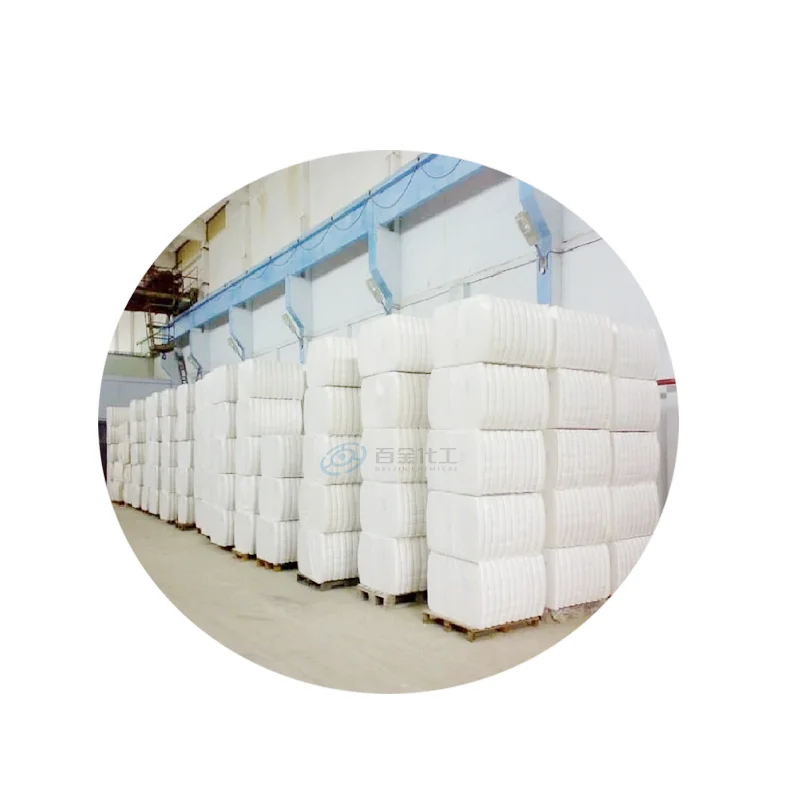
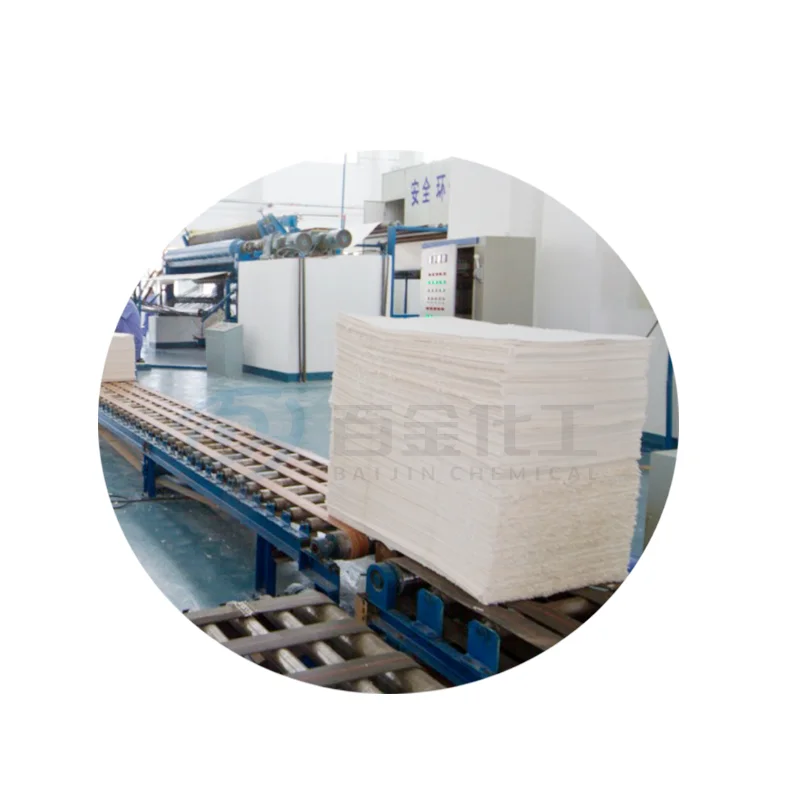
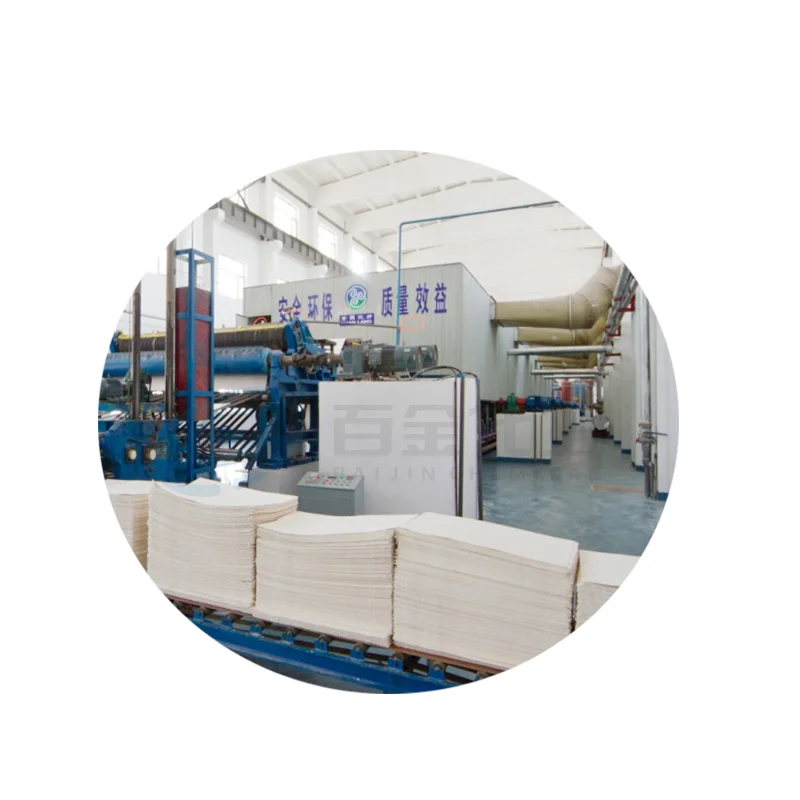
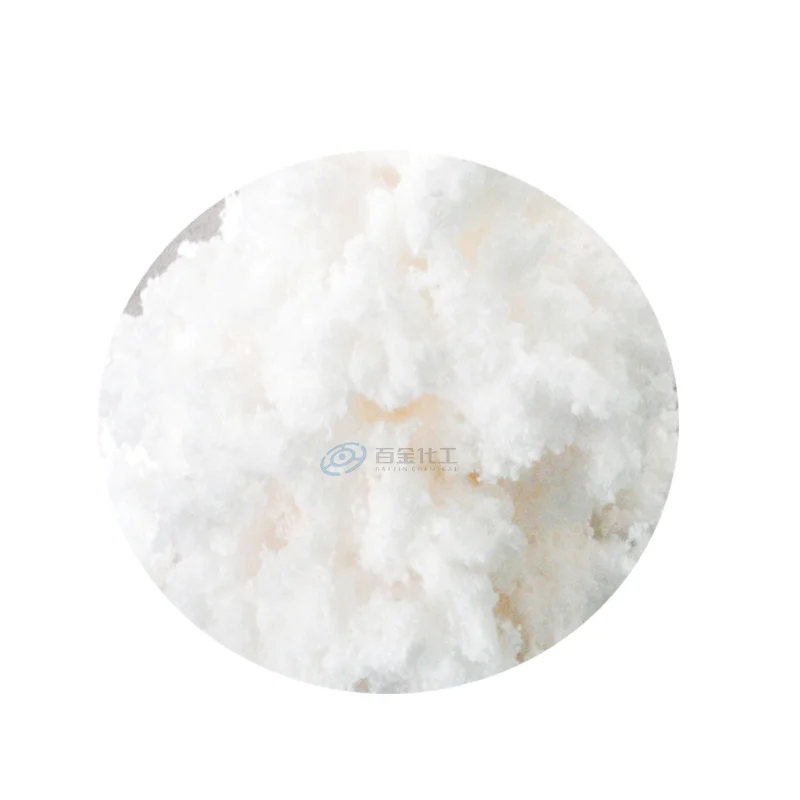
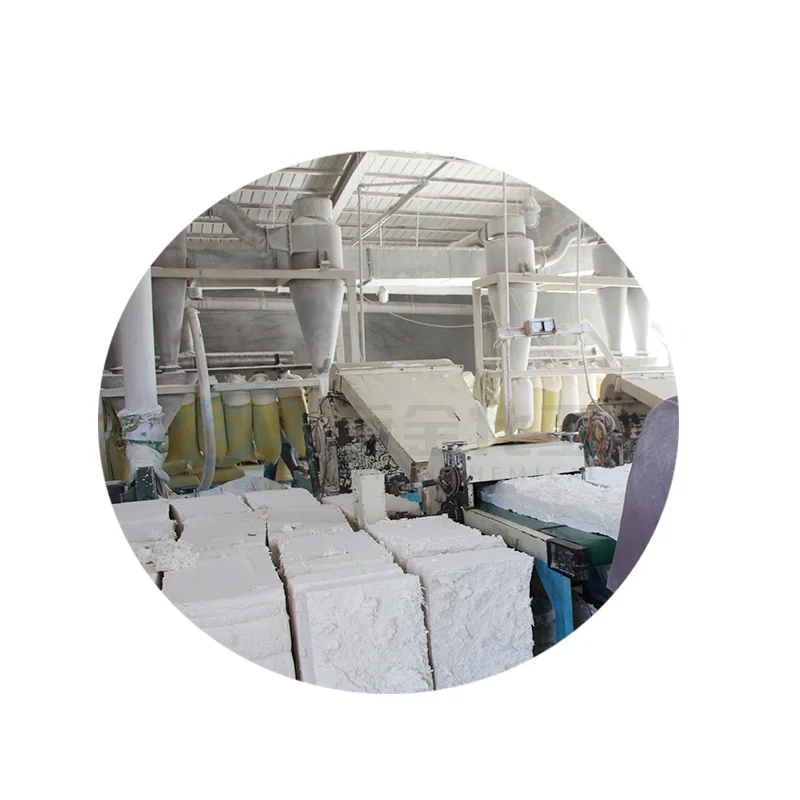
Our Cotton Linter Pulp is a high-performance cellulose product derived from cotton linters, engineered for precision applications in nitrocellulose production, collodion, and high-viscosity coatings. Crafted through a chemical-mechanical pulping process, this virgin pulp offers unmatched purity and consistency, ideal for demanding industrial and specialty applications.
| Feature | Specification | Benefit |
|---|---|---|
| Material | 100% cotton pulp (virgin) | Renewable, biodegradable, and hypoallergenic |
| Bleaching | Fully bleached (bright white) | Enhanced purity and uniformity for sensitive applications |
| Pulp Style | Virgin (non-recycled) | Consistent fiber quality for critical uses |
| Pulping Type | Chemical-mechanical hybrid | Balances efficiency and fiber integrity |
| Viscosity | High (customizable per application) | Optimized for nitrocellulose and collodion synthesis |
Adjust viscosity levels (5%-30% variance) to meet specific formulation needs in pyroxylin production. Modify bleaching intensity for applications requiring reduced chemical residues.
With high-viscosity cotton linter pulp, you can create ultra-stable nitrocellulose solutions for medical collodion, high-performance coatings, or explosive-grade pyroxylin. Its uniform fiber structure ensures seamless integration into precision chemical processes.
| Parameter | Base Model | Advanced Model | Pro Model |
|---|---|---|---|
| Viscosity | 40,000 cps | +15% (46,000 cps)* | +30% (52,000 cps)* |
| Purity | 98% | 99% | 99.5% |
| Processing Efficiency | Standard | 20% faster** | 35% faster** |
Technical Breakthroughs:
Version Selection Guidance:
*Values relative to Base Model. **Faster processing vs. traditional mechanical pulping.

The Product Description is generated by third-party, and Alibaba.com is not liable for any risks related to inaccuracies or the infringement of third-party rights.
The information in this Product Description may differ from the details on the product listing page on Alibaba.com. Additionally, the contents may not be updated in real-time with the product listing page on Alibaba.com, and there may be delays in reflecting the most updated information. The description on product listing page takes precedence. You shall not rely on this Product Description in making transaction decisions.
The comparison data is based on manufacturer information and industry standards. Actual results may vary depending on individual use cases. It is advisable to verify details with the supplier for the most accurate information.