All categories
Featured selections
Trade Assurance
Buyer Central
Help Center
Get the app
Become a supplier
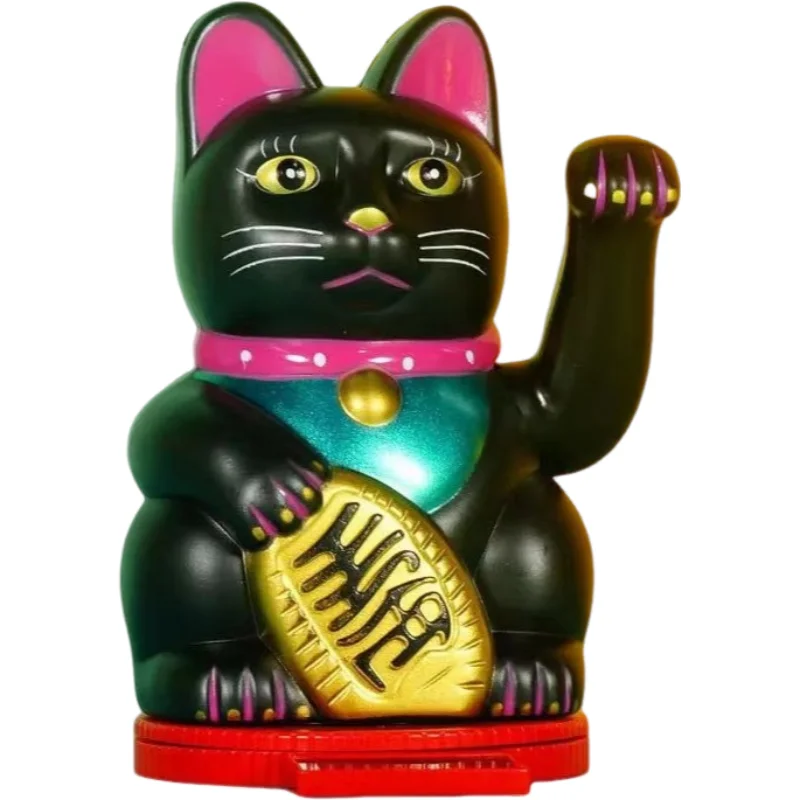
Customization:
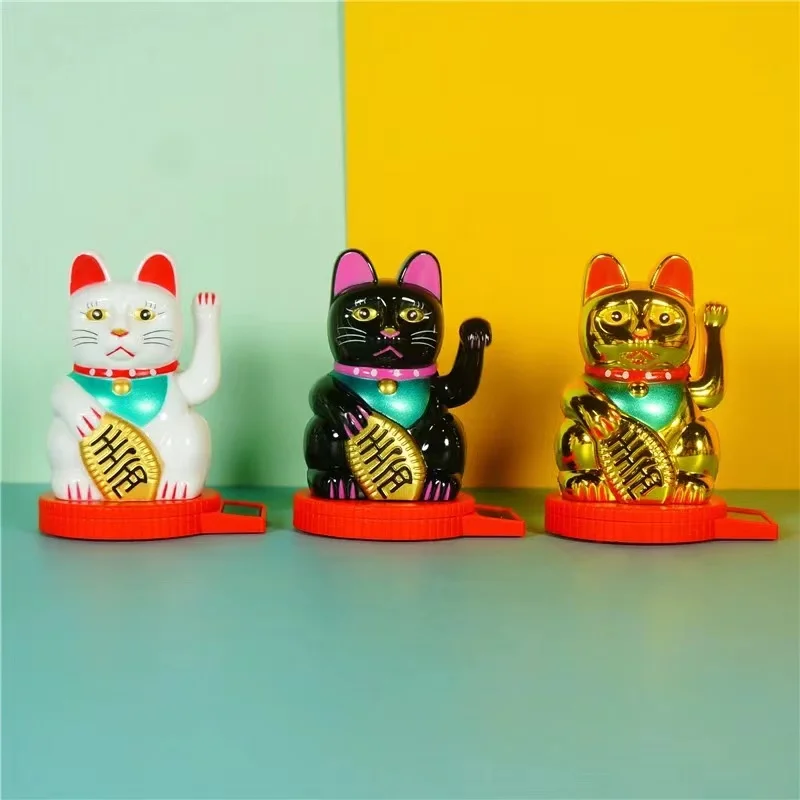
... (few sentences)
| Feature | Specification | Benefit |
|---|---|---|
| ....... |
(customization hints) ...
(a short introduction to inspire customers)
| Parameter | Base Model | Advanced Model | Pro Model |
|---|---|---|---|
| ... |
...
Ah, here in the example format, the Technical Specifications table has Benefit instead of Application Scenario. So perhaps the user made a mistake in the initial instruction, and the correct format is the example's. Since the user provided the format example, which is the required structure, I should follow that. So the Technical Specifications table should have Feature, Specification, Benefit.
Therefore, the Technical Parameters Table in the user's instruction (which says Application Scenario) might be a mistake, and the example's format takes precedence. So I'll proceed with the example's columns: Feature, Specification, Benefit.
Now, proceeding with that. Let's outline each section.
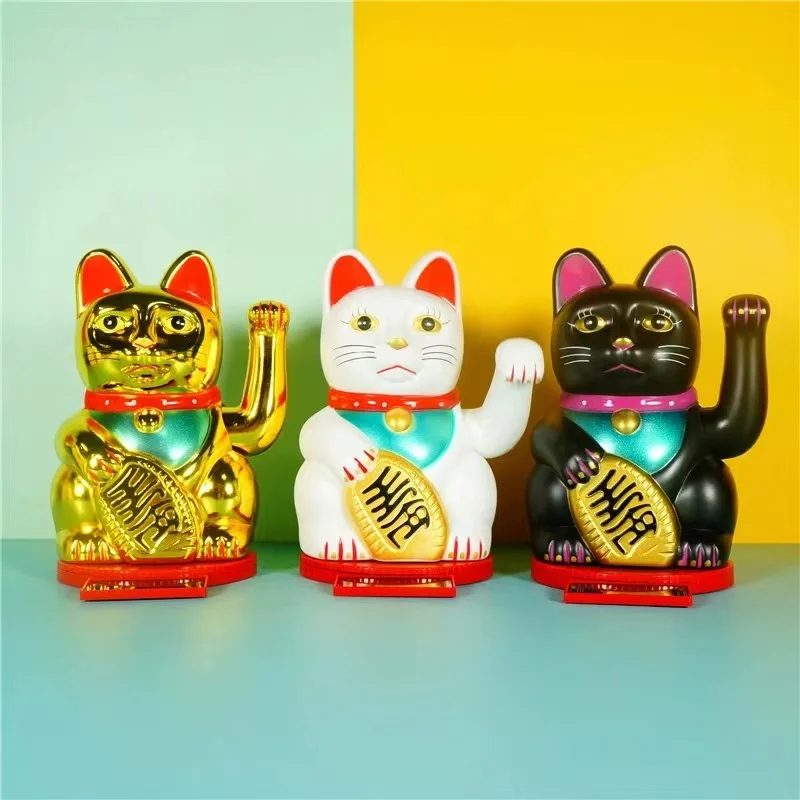
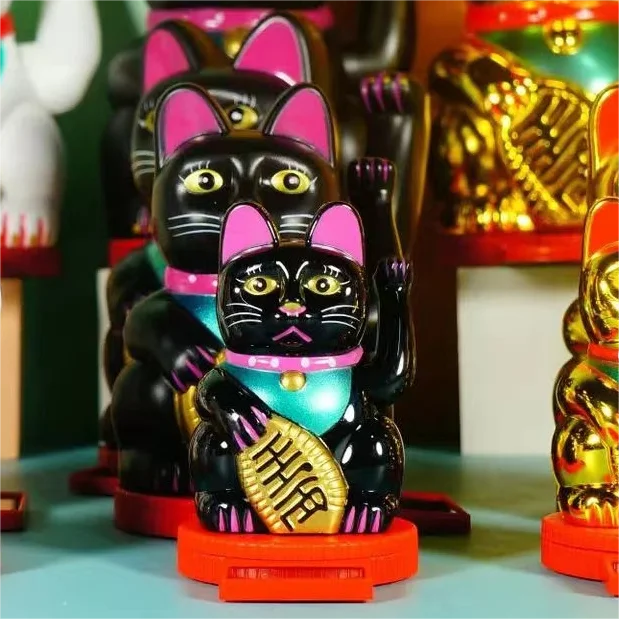
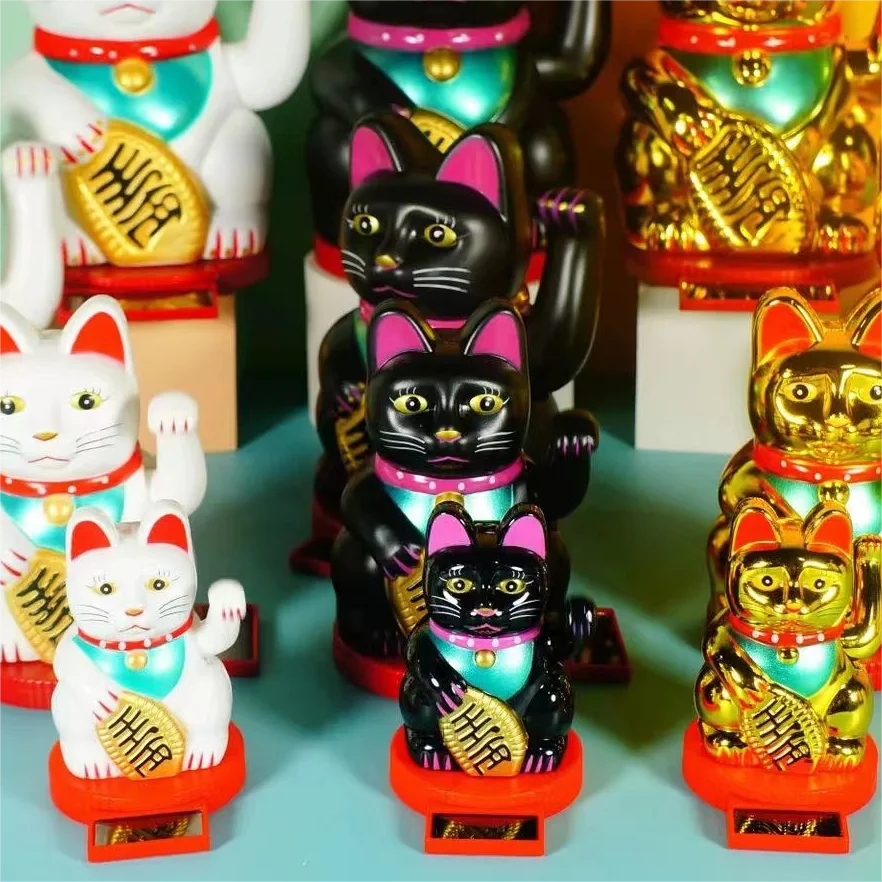
Product Details: A brief intro. Mention it's a traditional lucky cat for car decoration, solar-powered, made of enamel/ ceramic, etc.
Technical Specifications Table:
Features like Material (Enamel/Ceramic), Power Source (Solar), Design (Traditional with raised paw), Technique (Glazed Finish), Packaging (PVC Box), Theme (Holiday/Animal). Specifications would be the actual specs. Benefits: durability, eco-friendly, cultural significance, etc.
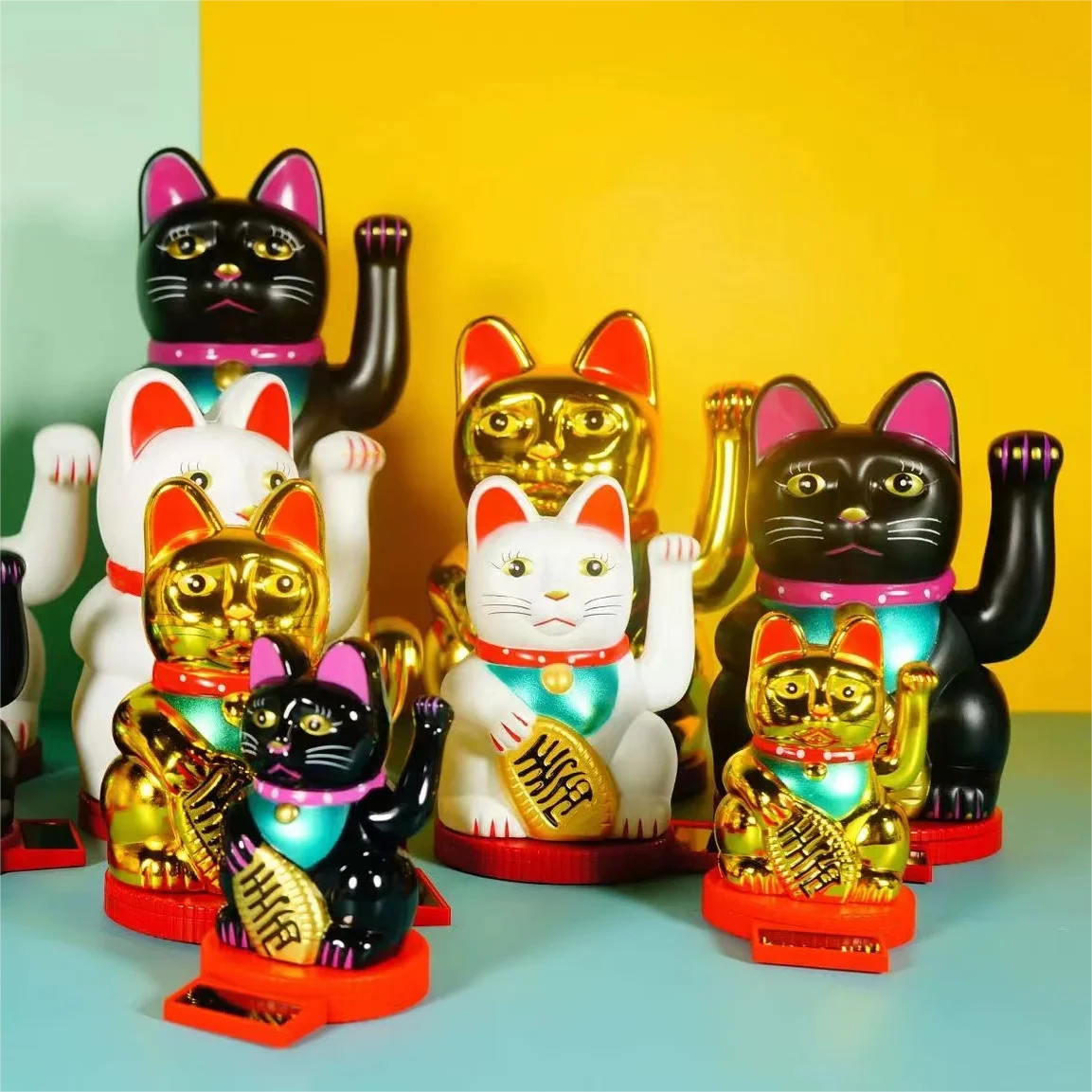
Customization Guide: Suggest color options, size adjustments, adding LED lights or sounds.
Get Inspiration: Talk about cultural significance, use in cars for good luck, solar movement adds charm without batteries.
Choose Your Model Table: Three versions. Parameters could be Movement Type, Solar Efficiency, Design Complexity, Durability. Base Model: Static, standard solar, basic design. Advanced: Solar movement, improved solar, detailed design. Pro: Enhanced solar, durable materials, premium features. Compare against industry benchmarks like traditional static models.
Managers Note: Technical breakthroughs like solar movement, glazed finish, compact design. Guide users: Base for basic needs, Advanced for movement, Pro for durability and features.
Now, structuring all this into the required markdown format. </think>

The Product Description is generated by third-party, and Alibaba.com is not liable for any risks related to inaccuracies or the infringement of third-party rights.
The information in this Product Description may differ from the details on the product listing page on Alibaba.com. Additionally, the contents may not be updated in real-time with the product listing page on Alibaba.com, and there may be delays in reflecting the most updated information. The description on product listing page takes precedence. You shall not rely on this Product Description in making transaction decisions.
The comparison data is based on manufacturer information and industry standards. Actual results may vary depending on individual use cases. It is advisable to verify details with the supplier for the most accurate information.