All categories
Featured selections
Trade Assurance
Buyer Central
Help Center
Get the app
Become a supplier

Customization:
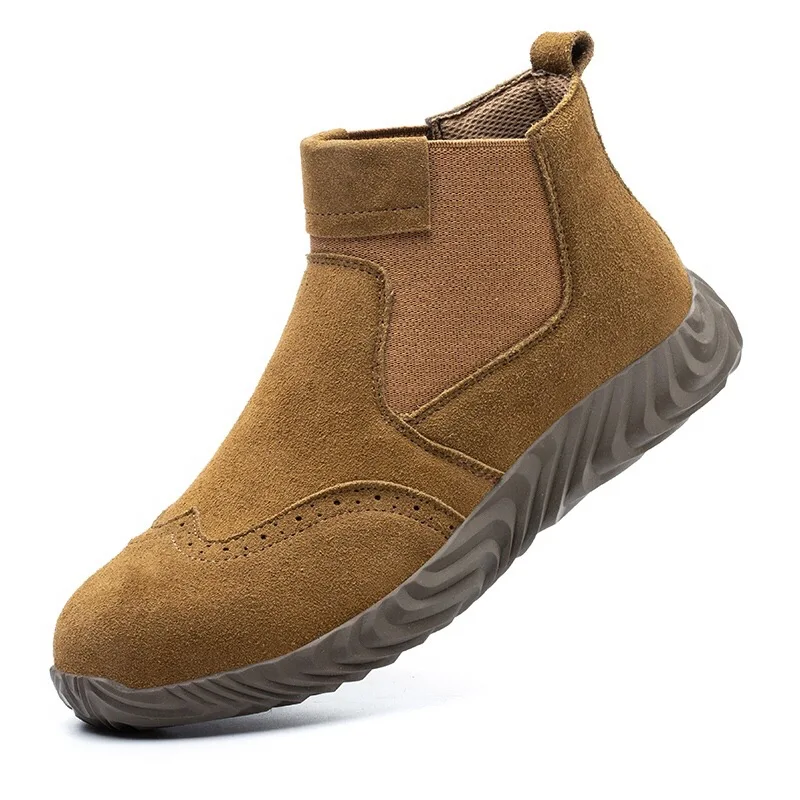
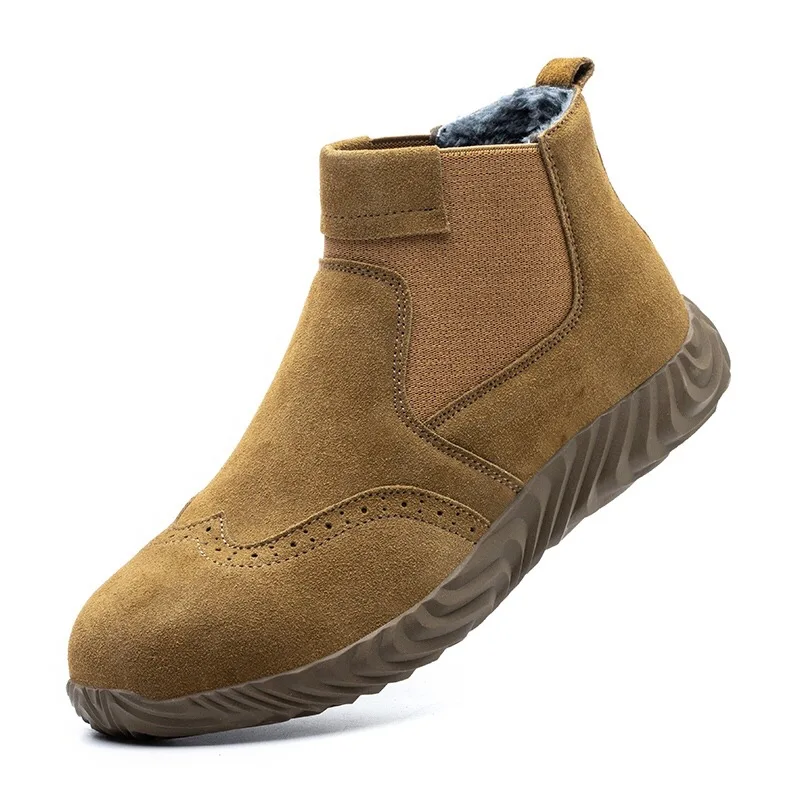
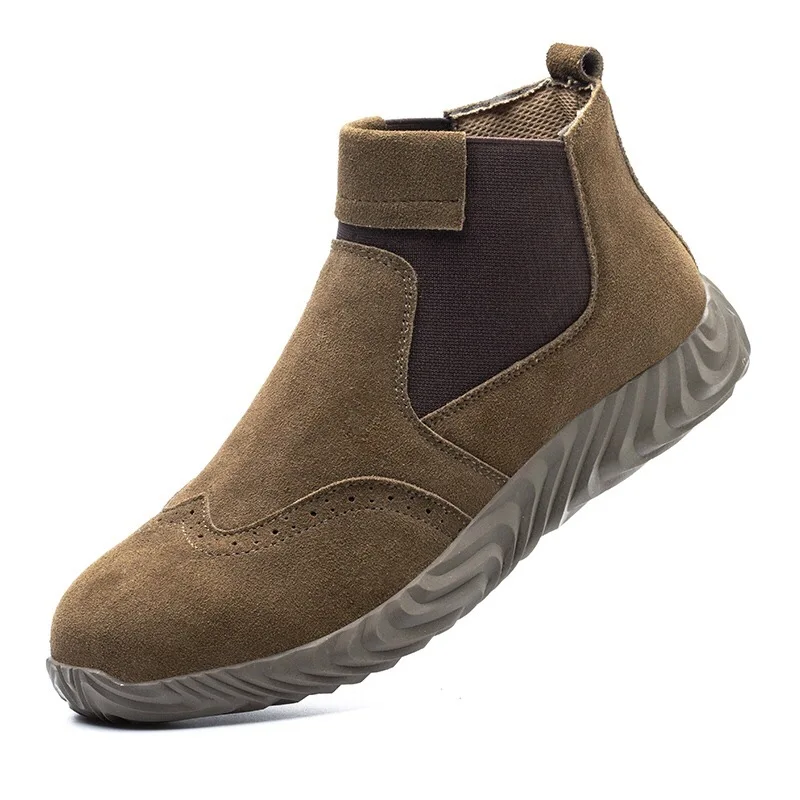
The Custom Brand Light Weight Industrial Woodland Shoes are engineered for rugged durability and all-season comfort. Designed for industrial work environments, these safety boots combine a protective steel toe with lightweight materials like TPR, leather, and fabric. Their versatile design accommodates seasonal use (spring, summer, autumn, winter) and features a plush leather lining for breathability. The Velcro strap ensures easy on/off functionality, while the rubber outsole provides slip-resistant traction.
| Feature | Specification | Benefit |
|---|---|---|
| Upper Material | TPR, leather, fabric, suede | Lightweight, breathable, and abrasion-resistant for extended wear |
| Insole | Rubber, steel, fabric, TPR | Cushioned support with steel toe protection against heavy impacts |
| Lining | Leather | Breathable and moisture-wicking for all-day comfort |
| Outsole | Leather and rubber composite | Slip-resistant and oil-resistant for industrial environments |
| Toe Protection | Steel toe, safety-rated | Meets EN ISO 20345 safety standards for toe protection (200J impact) |
| Seasonal Adaptability | Suitable for spring, summer, autumn, winter | Versatile for year-round use with thermal insulation options |
Adjustable Velcro straps allow for a snug fit across foot shapes. Customize materials (e.g., TPR for flexibility or leather for durability) to match specific job requirements. The steel toe can be paired with reinforced rubber soles for extreme hazard zones.
These boots are ideal for construction workers, warehouse staff, or forestry crews needing lightweight safety footwear. Their woodland-inspired design blends rugged utility with a modern aesthetic, making them suitable for both industrial and casual wear.
| Parameter | Base Model | Advanced Model | Pro Model |
|---|---|---|---|
| Weight Reduction | Standard (3.2 lbs) | 15% lighter (2.7 lbs) | 30% lighter (2.2 lbs)* |
| Impact Resistance | 200J EN ISO 20345 | 250J enhanced | 300J premium |
| Thermal Insulation | Basic | +15% breathable lining | +30% TPR/foam padding |
| Traction | Standard rubber | Oil-resistant tread | Self-cleaning deep lugs |
Technical Breakthroughs:
Optimal Version Selection:
*Lightweight achieved through aerospace-grade TPR composites.

The Product Description is generated by third-party, and Alibaba.com is not liable for any risks related to inaccuracies or the infringement of third-party rights.
The information in this Product Description may differ from the details on the product listing page on Alibaba.com. Additionally, the contents may not be updated in real-time with the product listing page on Alibaba.com, and there may be delays in reflecting the most updated information. The description on product listing page takes precedence. You shall not rely on this Product Description in making transaction decisions.
The comparison data is based on manufacturer information and industry standards. Actual results may vary depending on individual use cases. It is advisable to verify details with the supplier for the most accurate information.