All categories
Featured selections
Trade Assurance
Buyer Central
Help Center
Get the app
Become a supplier
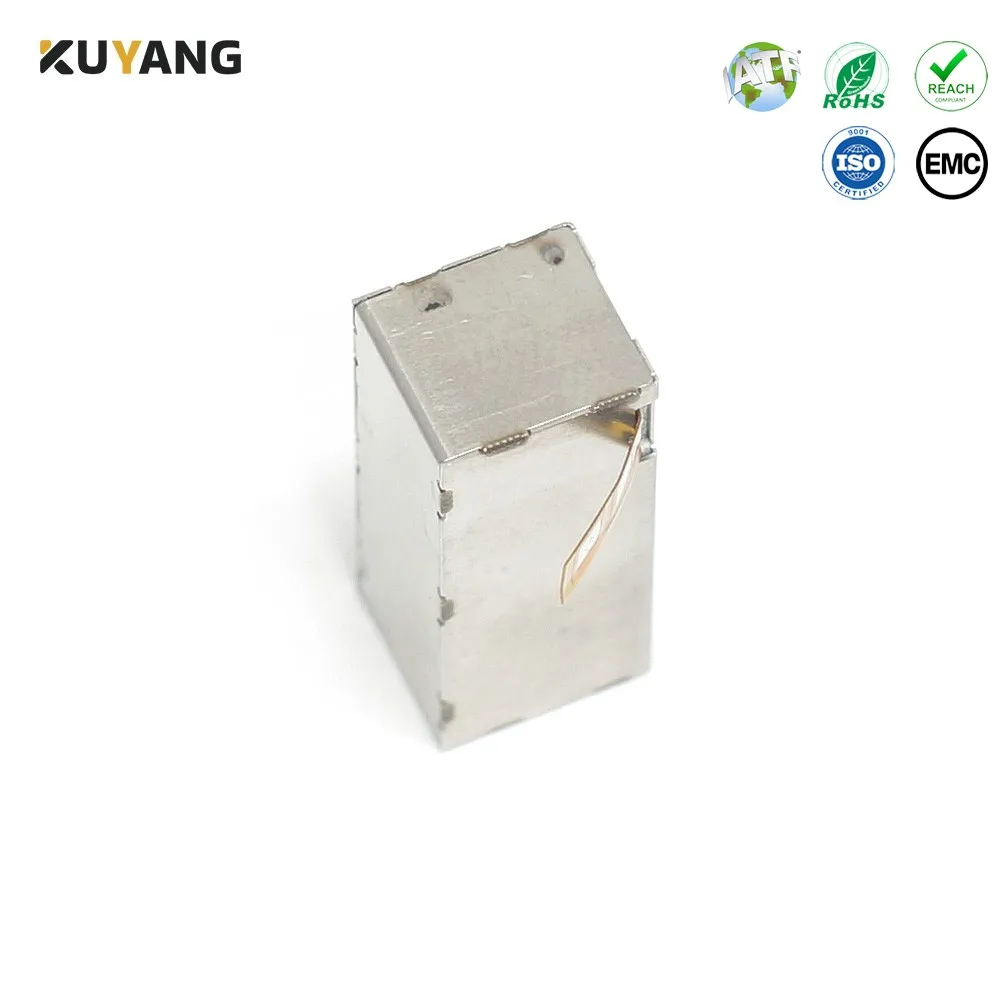
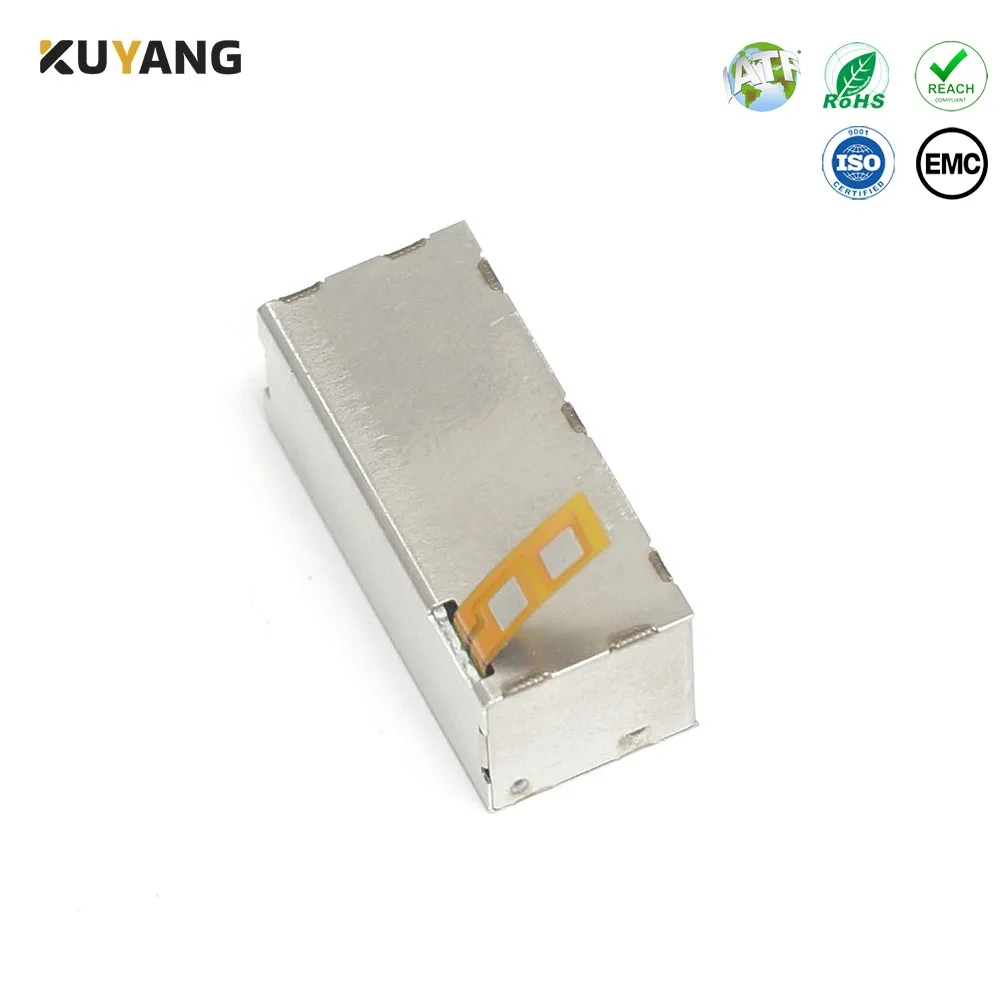
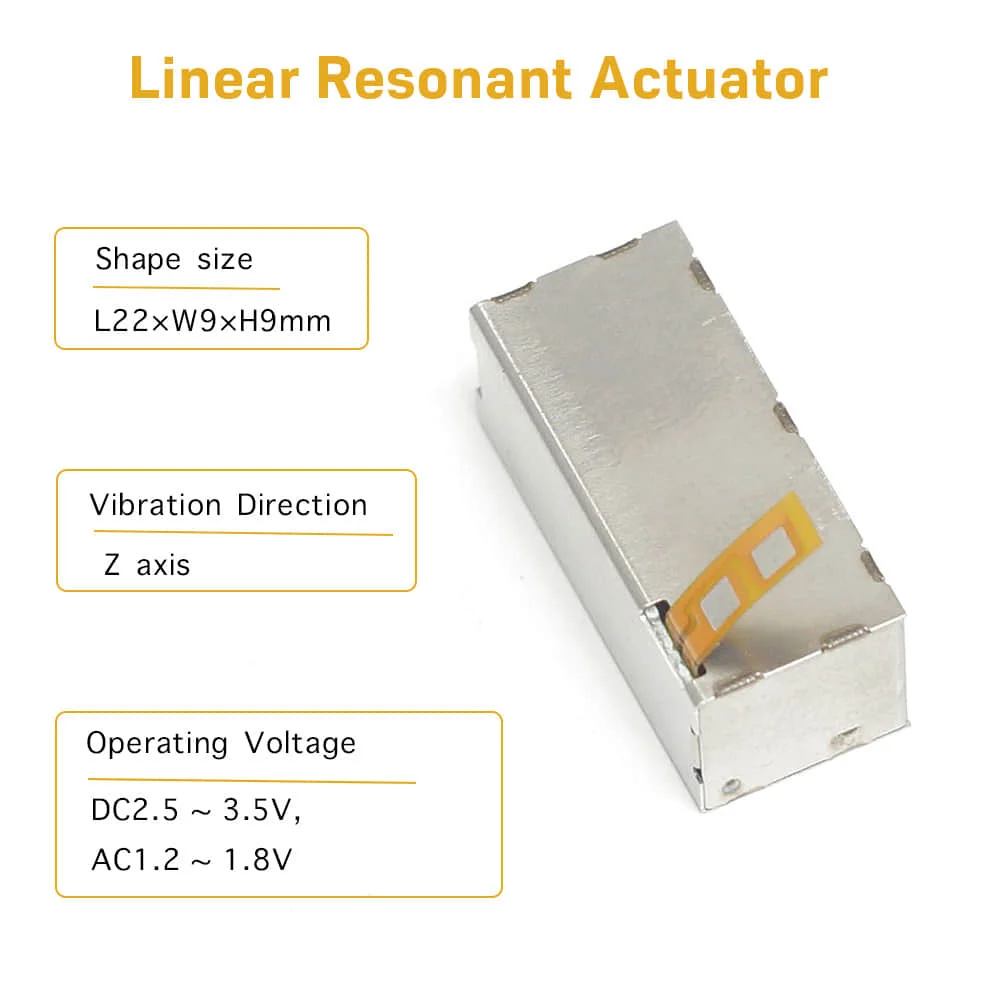
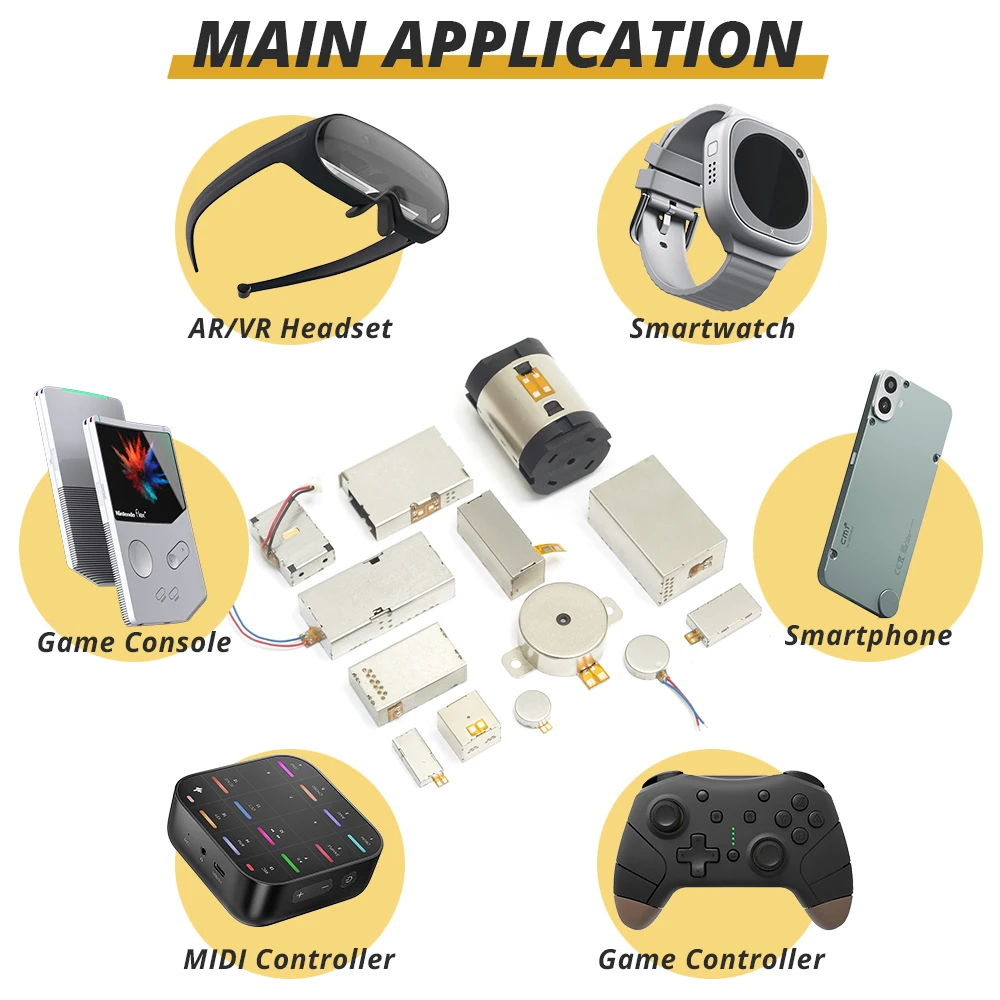
The DC 3.0V L22 x W10 x H9mm Haptic Engine is a compact, high-performance Linear Resonant Actuator (LRA) motor designed for precision vibration feedback in gaming controllers. Engineered with a metal alloy body for durability and efficient heat dissipation, this motor supports 160Hz frequency response and 3G shock resistance, making it ideal for Nintendo game controllers and other high-demand electronic devices.
| Feature | Specification | Benefit |
|---|---|---|
| Voltage | 3.0V DC | Ensures compatibility with low-power systems |
| Dimensions | L22 x W10 x H9mm | Compact design for space-constrained devices |
| Frequency Range | 160Hz | Delivers crisp, high-resolution haptic feedback |
| Shock Resistance | 3G | Withstands rugged use in gaming environments |
| Material | Metal alloy body, conductive contacts | Enhanced durability and thermal stability |
| Mounting | Screw-compatible holes | Easy integration into circuit boards |
| Certification | EPR_France_Packing, EPR_Germany_Packing | Compliance with EU environmental standards |
| Application Scenario | Gaming controllers, wearable devices | Optimized for interactive and portable tech |
Adjustable parameters include:
With its 160Hz frequency response and robust 3G shock resistance, this haptic engine enables immersive gaming experiences. Its metal alloy construction ensures longevity even in high-usage scenarios, while EPR certifications simplify compliance for EU markets.
| Parameter | Base Model | Advanced Model | Pro Model |
|---|---|---|---|
| Frequency (Hz) | 120 | 138 (+15%) | 160 (+30%) |
| Shock Resistance (G) | 2G | 2.5G (+25%) | 3G (+50%) |
| Material | Aluminum | Stainless Steel | Aerospace Alloy |
Technical Breakthroughs:
Version Selection Guide:

The Product Description is generated by third-party, and Alibaba.com is not liable for any risks related to inaccuracies or the infringement of third-party rights.
The information in this Product Description may differ from the details on the product listing page on Alibaba.com. Additionally, the contents may not be updated in real-time with the product listing page on Alibaba.com, and there may be delays in reflecting the most updated information. The description on product listing page takes precedence. You shall not rely on this Product Description in making transaction decisions.
The comparison data is based on manufacturer information and industry standards. Actual results may vary depending on individual use cases. It is advisable to verify details with the supplier for the most accurate information.