All categories
Featured selections
Trade Assurance
Buyer Central
Help Center
Get the app
Become a supplier
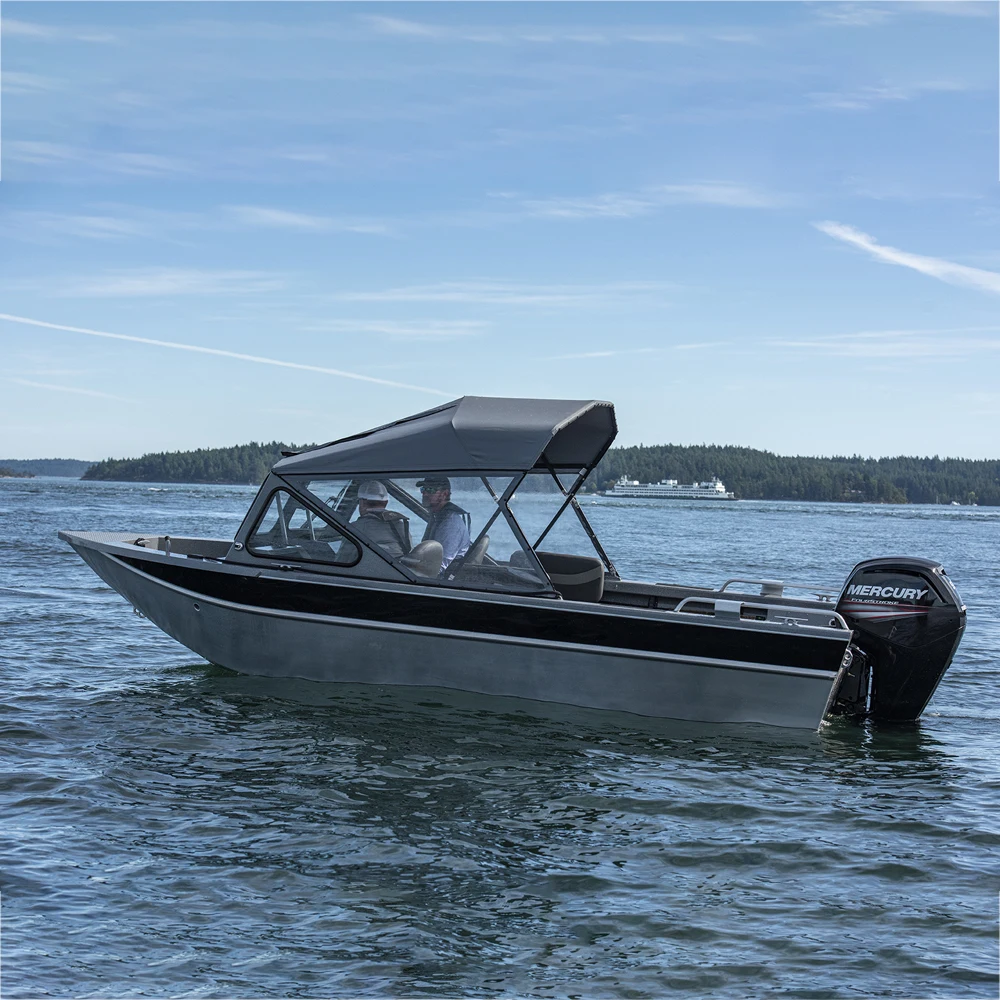
Customization:
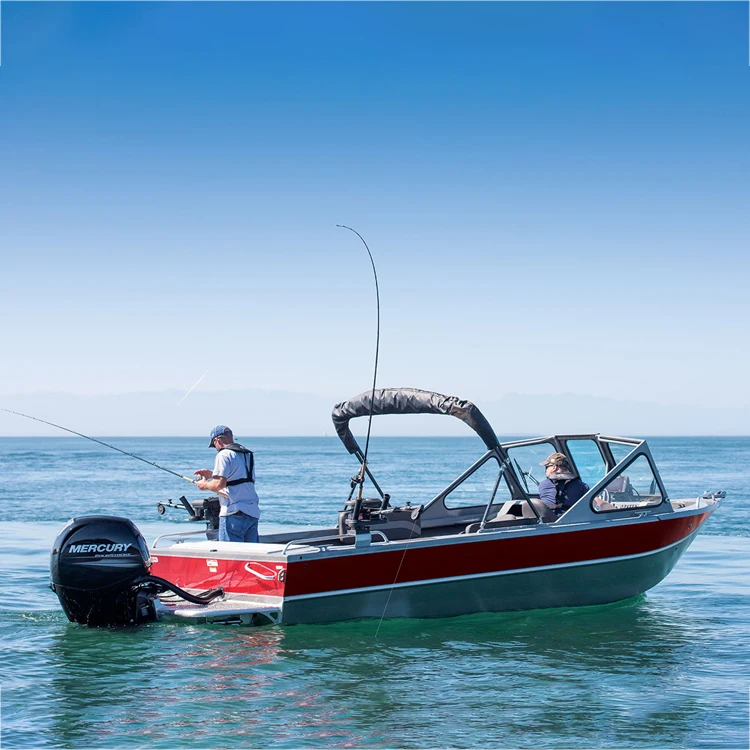
The CE Certified Deep V Bottom Outboard Speed Boat combines modern design with durable aluminum construction, offering a versatile platform for recreational activities like fishing, water sports, and leisure boating. Its lightweight aluminum hull enhances speed and fuel efficiency, while the Deep V bottom ensures stability in rough waters.
| Feature | Specification | Application Scenario |
|---|---|---|
| Material | Aluminum Hull | Corrosion-resistant and lightweight for marine environments |
| Hull Design | Deep V Bottom | Optimal stability and performance in choppy waters |
| Engine Type | Outboard Engine | Precision maneuvering and easy maintenance |
| Certifications | CE, EPR (France/Germany) | Compliance with EU safety and environmental standards |
| Deck Surface | Non-Slip Textured Rubber | Safe footing during high-speed activities |
Adjustable parameters include deck layout configurations (e.g., seating, storage compartments) and optional accessories (e.g., sun canopy, fishing rod holders) to tailor the boat to specific recreational needs.
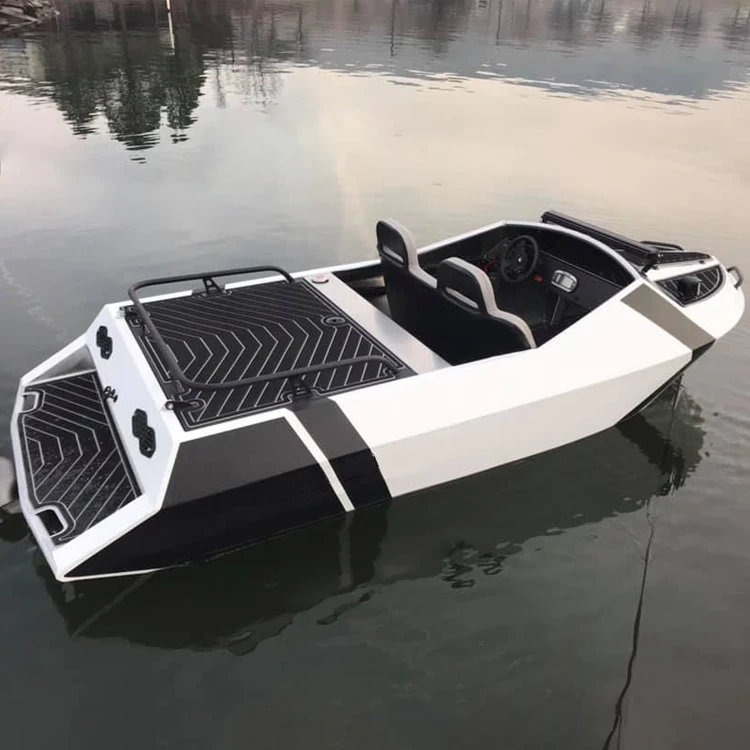
With its sleek, low-profile design and open deck, this speed boat is perfect for adrenaline-packed water sports or serene sunset cruises. The customizable deck allows you to transform it into a floating lounge, fishing platform, or family-friendly vessel.
| Parameter | Base Model | Advanced Model | Pro Model |
|---|---|---|---|
| Engine Power | 150 HP | 187.5 HP (+25%) | 225 HP (+50%) |
| Hull Thickness | 3mm | 4mm (+33%) | 5mm (+66%) |
| Max Speed | 45 knots | 50 knots (+11%) | 55 knots (+22%) |
| Seating Capacity | 4 passengers | 6 passengers | 8 passengers |
Technical Breakthroughs:
Version Selection Guidance:
With the Pro Model’s 225 HP engine, you can achieve speeds 22% faster than the Base Model, while its 5mm hull provides unmatched corrosion resistance for long-term use. Pair this with the optional sun canopy to create a premium, all-weather boating experience.

The Product Description is generated by third-party, and Alibaba.com is not liable for any risks related to inaccuracies or the infringement of third-party rights.
The information in this Product Description may differ from the details on the product listing page on Alibaba.com. Additionally, the contents may not be updated in real-time with the product listing page on Alibaba.com, and there may be delays in reflecting the most updated information. The description on product listing page takes precedence. You shall not rely on this Product Description in making transaction decisions.
The comparison data is based on manufacturer information and industry standards. Actual results may vary depending on individual use cases. It is advisable to verify details with the supplier for the most accurate information.