All categories
Featured selections
Trade Assurance
Buyer Central
Help Center
Get the app
Become a supplier
Customization:
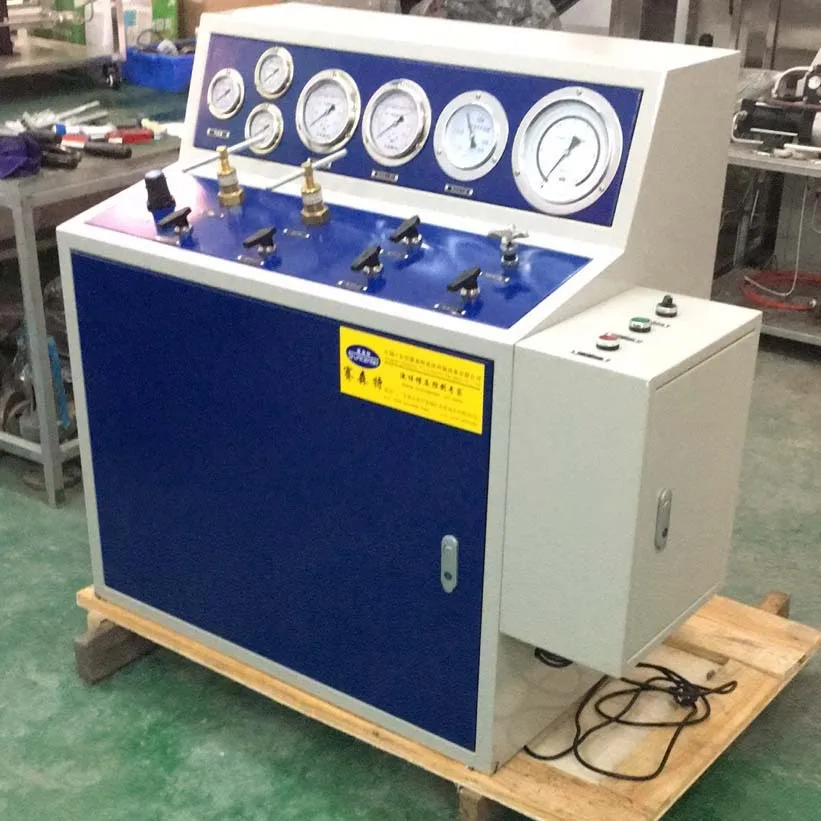
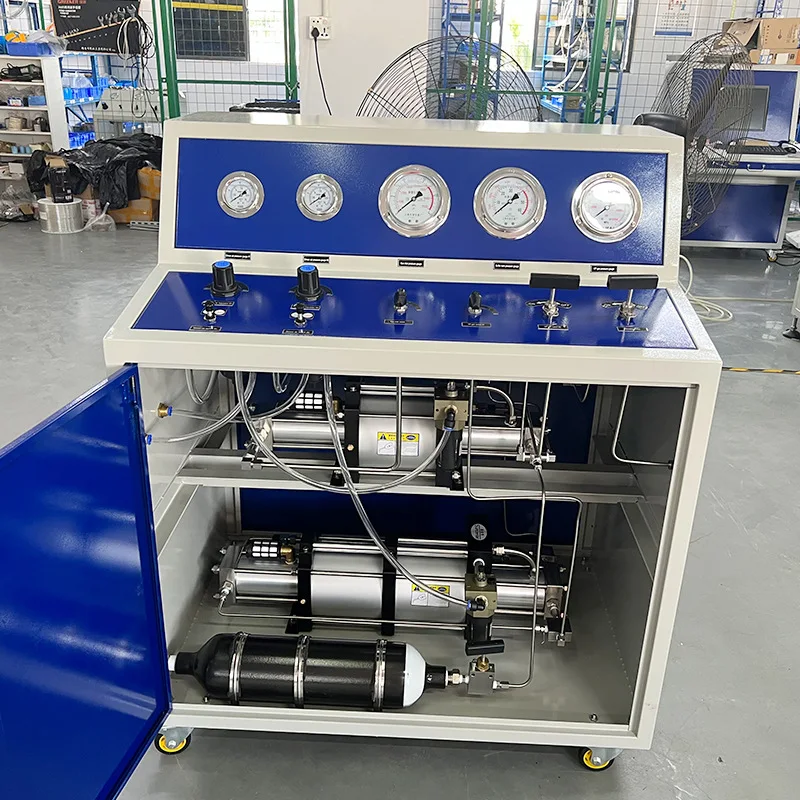
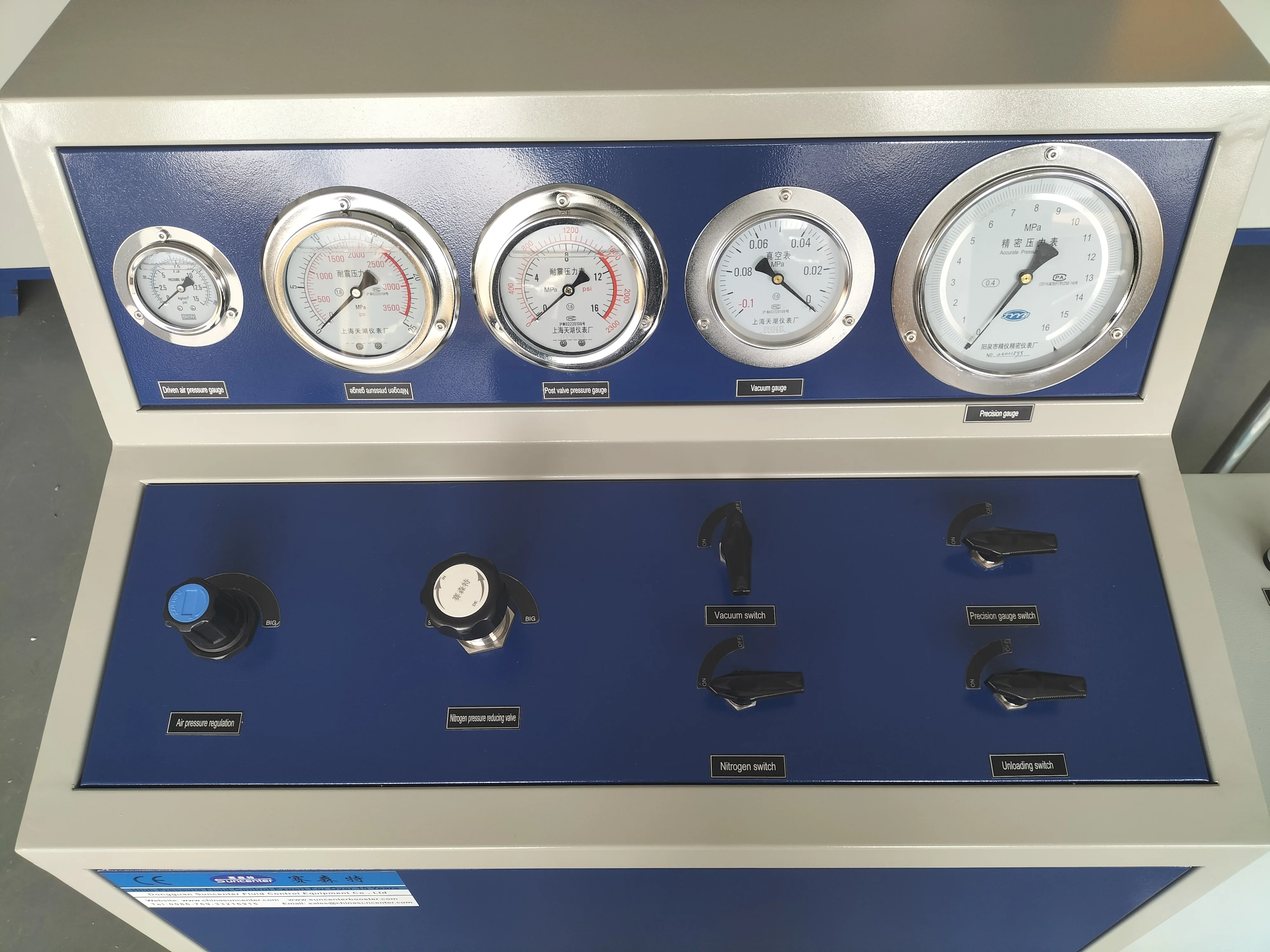
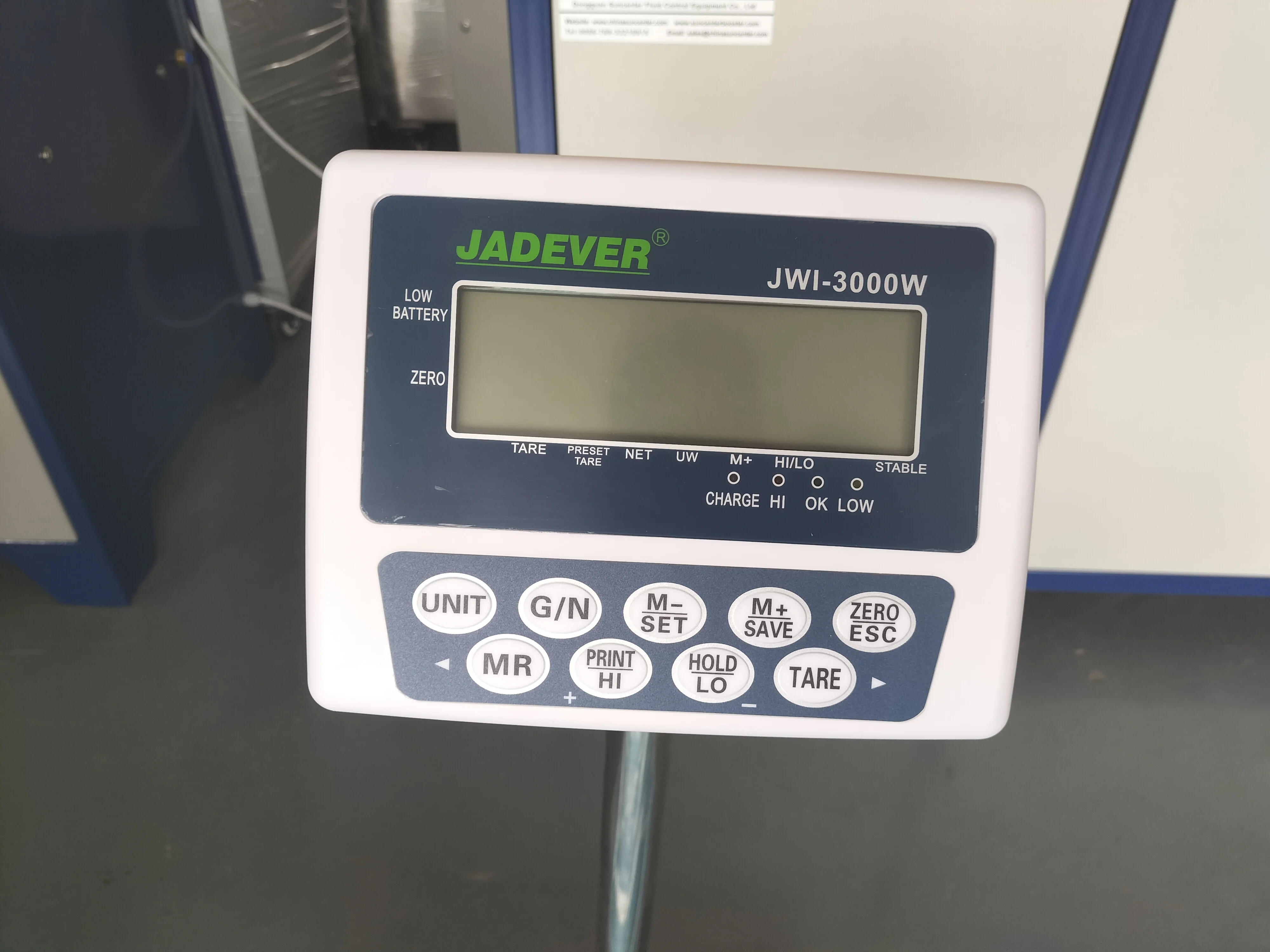
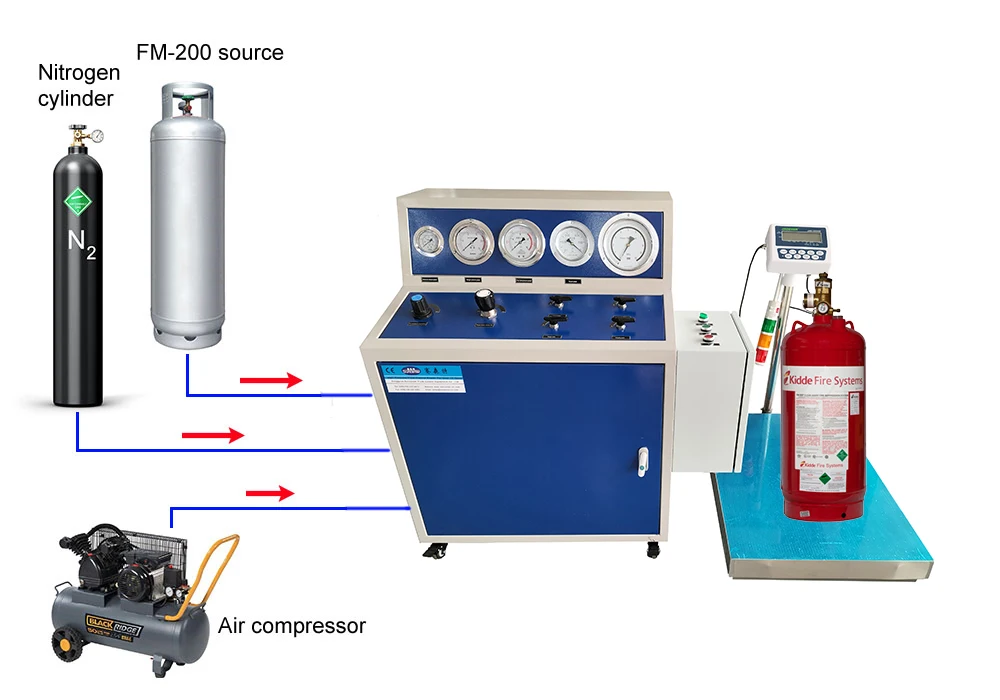
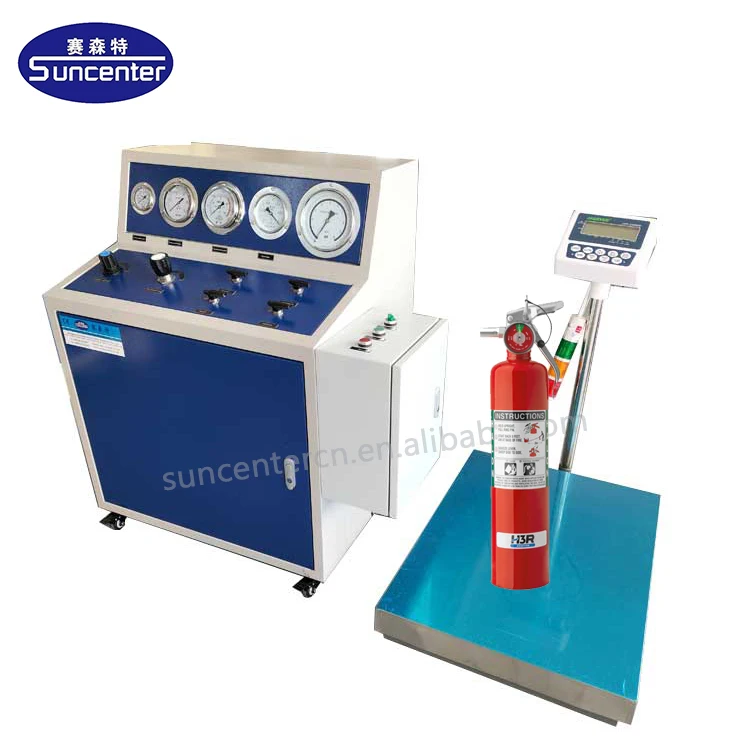
The Dry Powder CO₂ Foam Water Fire Filling Machine is a high-precision, fully automated system designed for testing and filling fire extinguishers with liquid, powder, CO₂, and FM200 agents. Built with durable metal and plastic components, it features pneumatic-driven operation, safety interlocks, and advanced gauges for accurate pressure and weight measurements. Its versatile design accommodates production volumes from 500 to 20,000 units per hour, ensuring compliance with global safety standards.
| Feature | Specification | Benefit |
|---|---|---|
| Automatic Grade | Fully automatic operation | Reduces manual intervention, boosting efficiency |
| Driven Type | Pneumatic | Ensures smooth, consistent performance |
| Filling Accuracy | ±0.1% | Guarantees precise material distribution |
| Filling Material | Liquid, water, powder, CO₂, FM200 | Versatile for multi-agent fire suppression systems |
| Machinery Capacity | 500–20,000 units/hour (configurable) | Scalable to meet diverse production needs |
| Packing Type | Bottles, cases | Adaptable for standardized fire extinguisher packaging |
| Warranty | 1 year | Comprehensive post-purchase support |
Adjustable parameters include:
Ensure fire safety compliance effortlessly with this robust filling machine. Its precision engineering and pneumatic power make it ideal for manufacturers, fire safety agencies, and industrial facilities prioritizing reliability and scalability.
| Parameter | Base Model | Advanced Model | Pro Model |
|---|---|---|---|
| Capacity (units/h) | 5,000 | 10,000 | 20,000 |
| Accuracy | ±0.1% | ±0.1% | ±0.1% |
| Safety Features | Basic interlock | Dual interlock | Triple redundancy |
| Energy Efficiency | Standard | 20% lower power | 30% lower power |
| Certifications | ISO 9001 | ISO 9001 + CE | ISO 9001 + CE + FM |
Technical Breakthroughs:
Version Selection Guide:
With the Pro Model’s triple redundancy safety system, you can safely process hazardous materials like FM200 gas, while its 20,000 units/hour capacity meets industrial-scale demands. Pair this with ±0.1% accuracy to ensure every extinguisher meets strict regulatory standards.

The Product Description is generated by third-party, and Alibaba.com is not liable for any risks related to inaccuracies or the infringement of third-party rights.
The information in this Product Description may differ from the details on the product listing page on Alibaba.com. Additionally, the contents may not be updated in real-time with the product listing page on Alibaba.com, and there may be delays in reflecting the most updated information. The description on product listing page takes precedence. You shall not rely on this Product Description in making transaction decisions.
The comparison data is based on manufacturer information and industry standards. Actual results may vary depending on individual use cases. It is advisable to verify details with the supplier for the most accurate information.