All categories
Featured selections
Trade Assurance
Buyer Central
Help Center
Get the app
Become a supplier
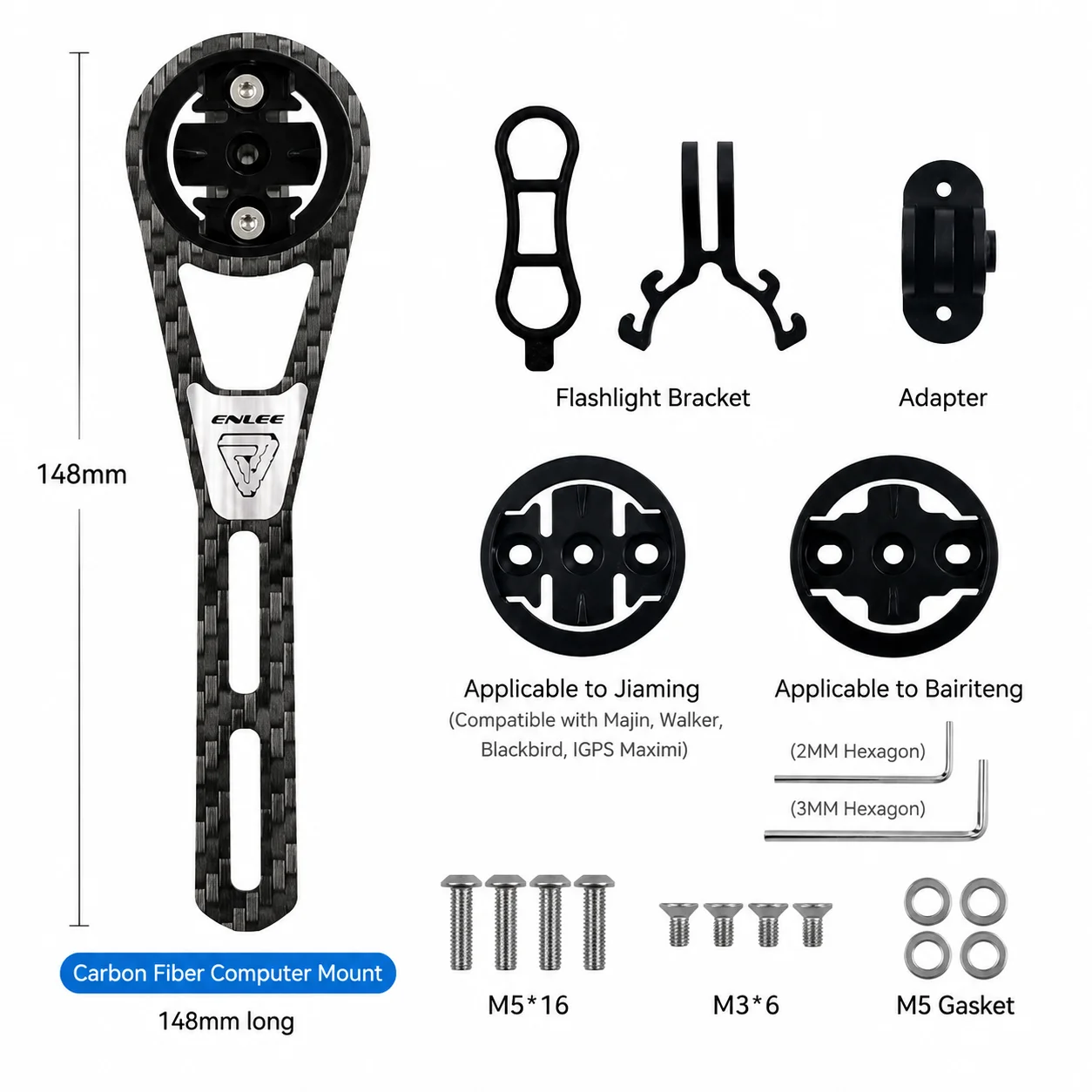
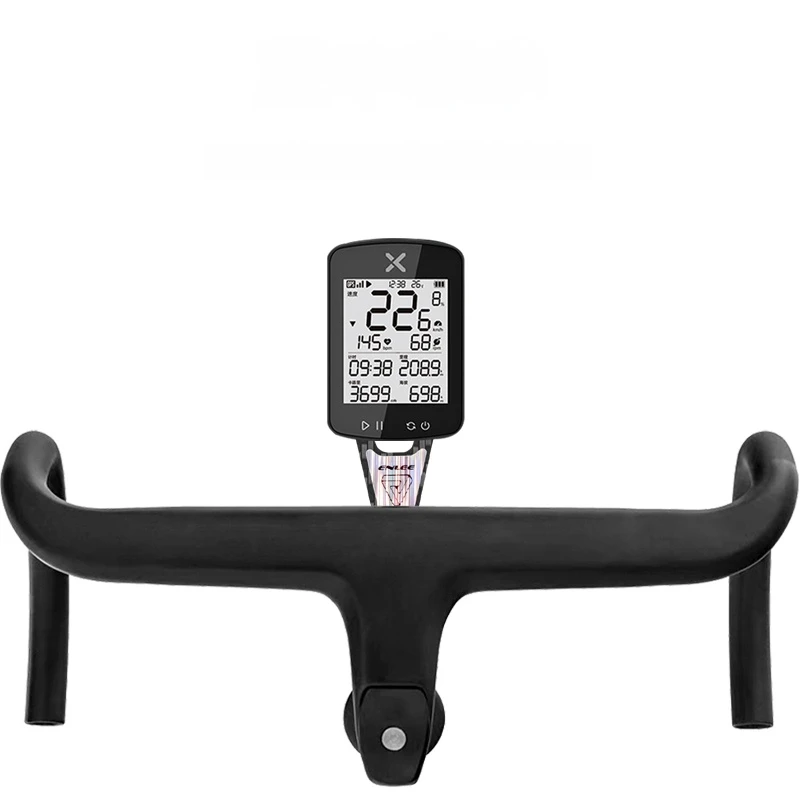
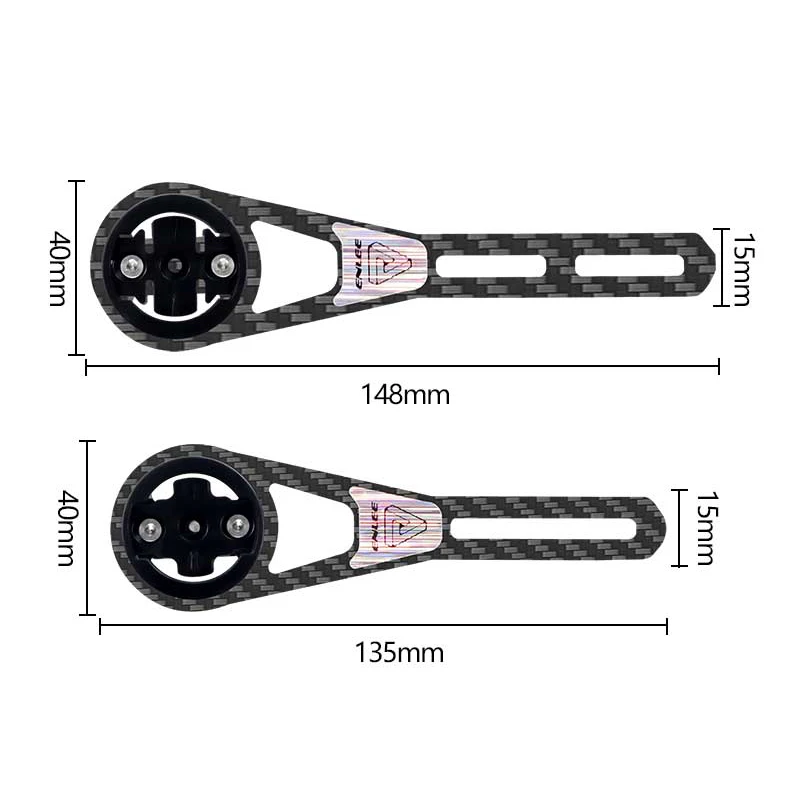
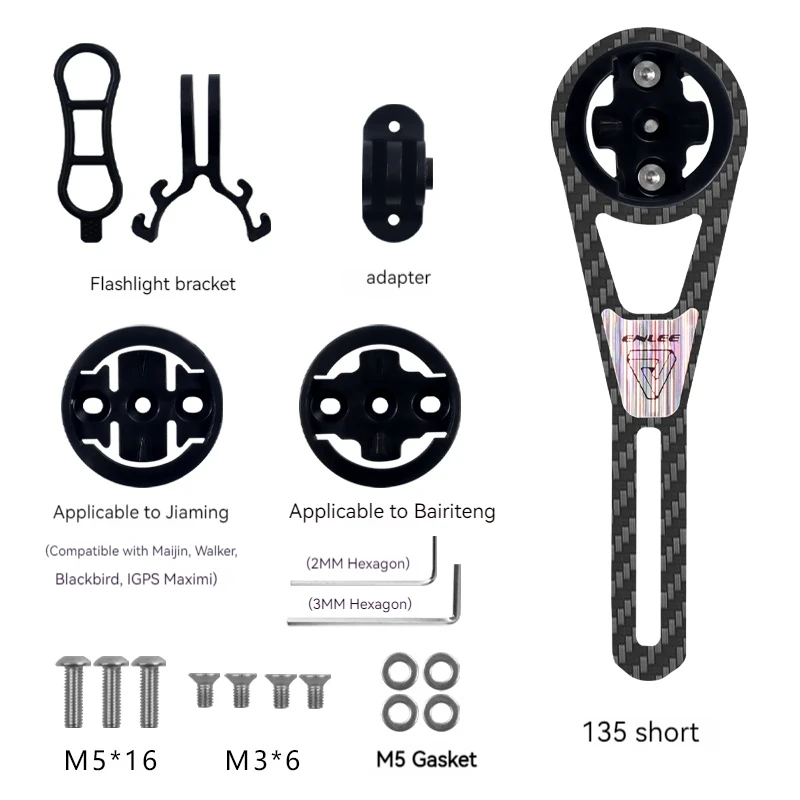
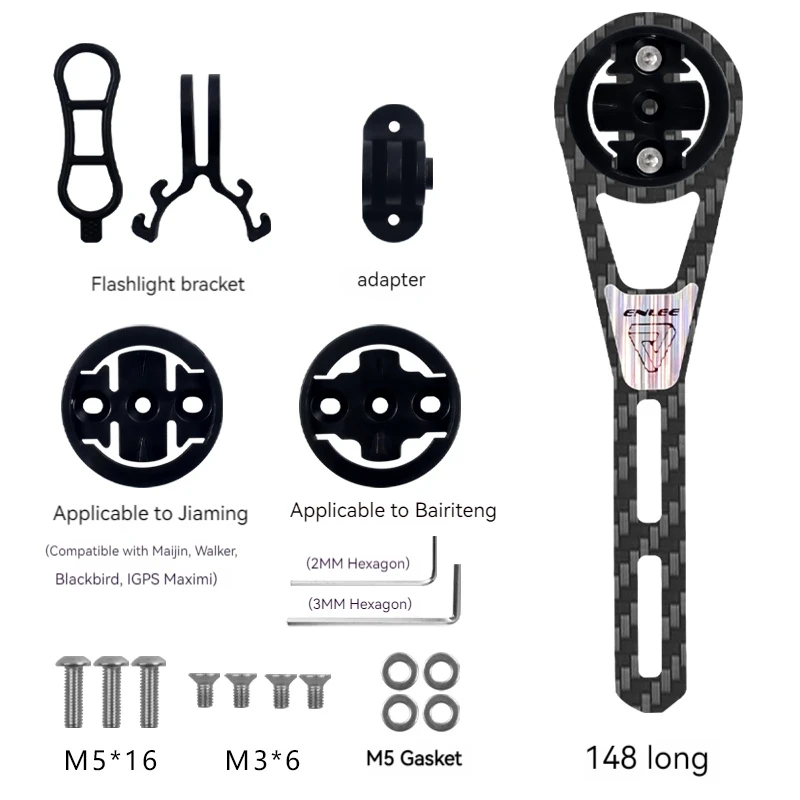
The ENLEE Carbon Fiber Bike Computer Camera Mount Holder is a lightweight, durable accessory designed to securely attach GPS devices, cycling computers, and cameras to bicycle handlebars. Crafted from high-strength carbon fiber, it offers superior stability and aerodynamics while minimizing weight. Its adjustable design accommodates various handlebar diameters and devices, making it ideal for cyclists seeking reliability and versatility.
| Feature | Specification | Benefit |
|---|---|---|
| Material | High-strength carbon fiber | Lightweight, corrosion-resistant, and durable |
| Compatibility | Fits most cycling computers/cameras | Universal use across brands and models |
| Adjustable Mounting | 22.2-31.8mm handlebar diameter support | Versatile fit for road, mountain, and hybrid bikes |
| Stability | Reinforced clamp design | Secure hold during high-speed or rough terrain |
| Weight | 45g | Reduces bike weight for improved agility |
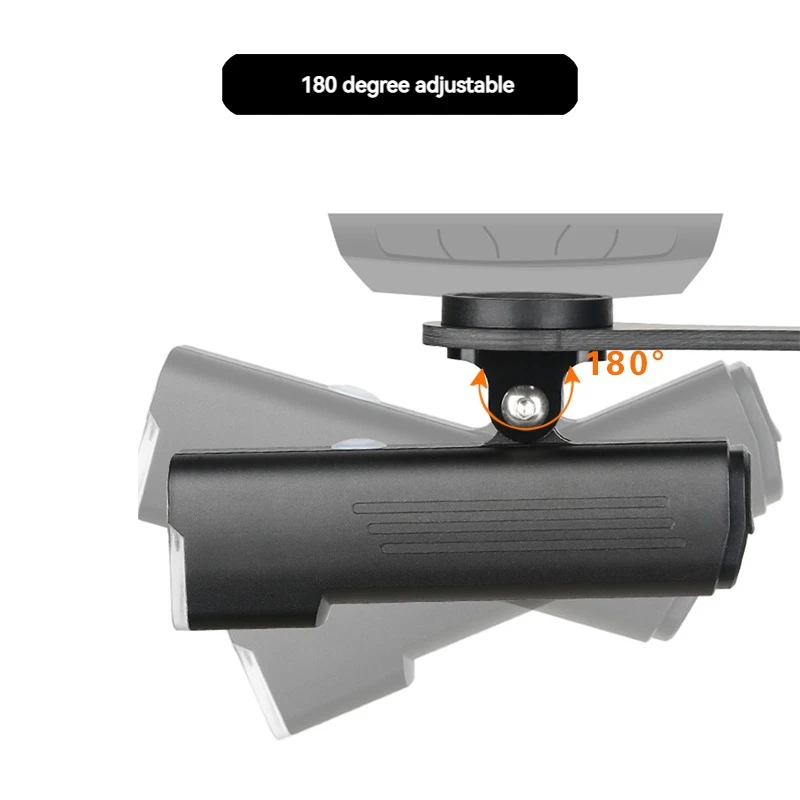
Adjustable parameters like handlebar diameter and clamp tension allow customization to meet specific bike setups. The mount can be paired with quick-release mechanisms or additional brackets for specialized needs.
Whether you’re tracking routes on a mountain trail or capturing scenic rides, the ENLEE mount ensures your device stays secure and visible. Its sleek design blends seamlessly with your bike’s aesthetics while enhancing performance.
| Parameter | Base Model | Advanced Model | Pro Model |
|---|---|---|---|
| Weight | 50g | 40g (-20%) | 30g (-40%) |
| Compatibility | 5 devices | 8 devices | 12 devices |
| Adjustability | 2 handlebar sizes | 3 handlebar sizes | 4 handlebar sizes |
| Durability | Standard | Enhanced (+20%) | Premium (+50%) |
Three Breakthroughs:
Version Selection Guide:
With the Pro Model’s tripled durability, you can withstand extreme off-road conditions while maintaining precision. Pair its carbon fiber build with 12-device compatibility to streamline your gear setup effortlessly.

The Product Description is generated by third-party, and Alibaba.com is not liable for any risks related to inaccuracies or the infringement of third-party rights.
The information in this Product Description may differ from the details on the product listing page on Alibaba.com. Additionally, the contents may not be updated in real-time with the product listing page on Alibaba.com, and there may be delays in reflecting the most updated information. The description on product listing page takes precedence. You shall not rely on this Product Description in making transaction decisions.
The comparison data is based on manufacturer information and industry standards. Actual results may vary depending on individual use cases. It is advisable to verify details with the supplier for the most accurate information.