All categories
Featured selections
Trade Assurance
Buyer Central
Help Center
Get the app
Become a supplier
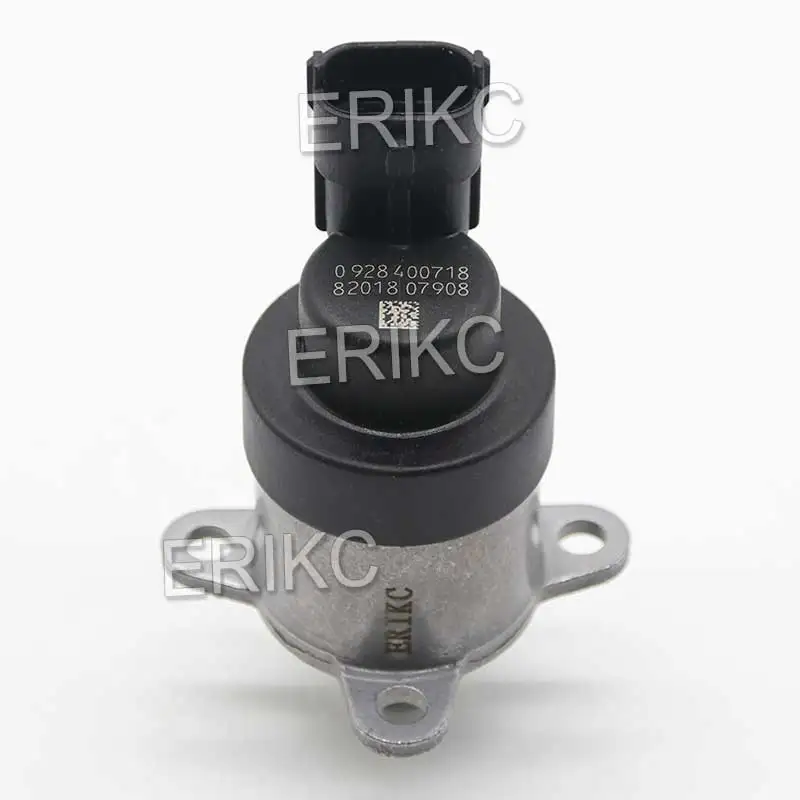
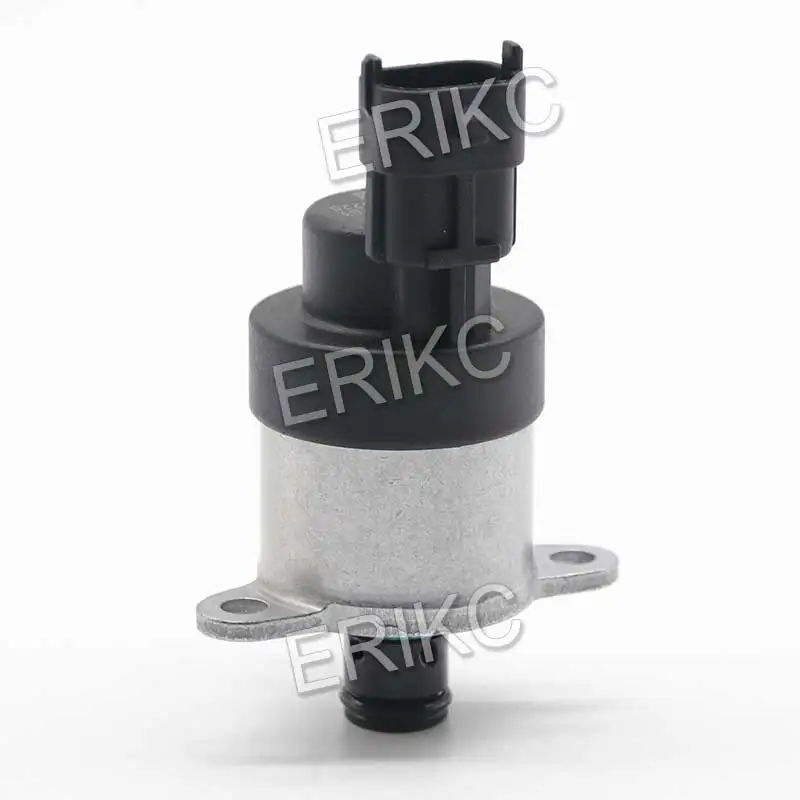
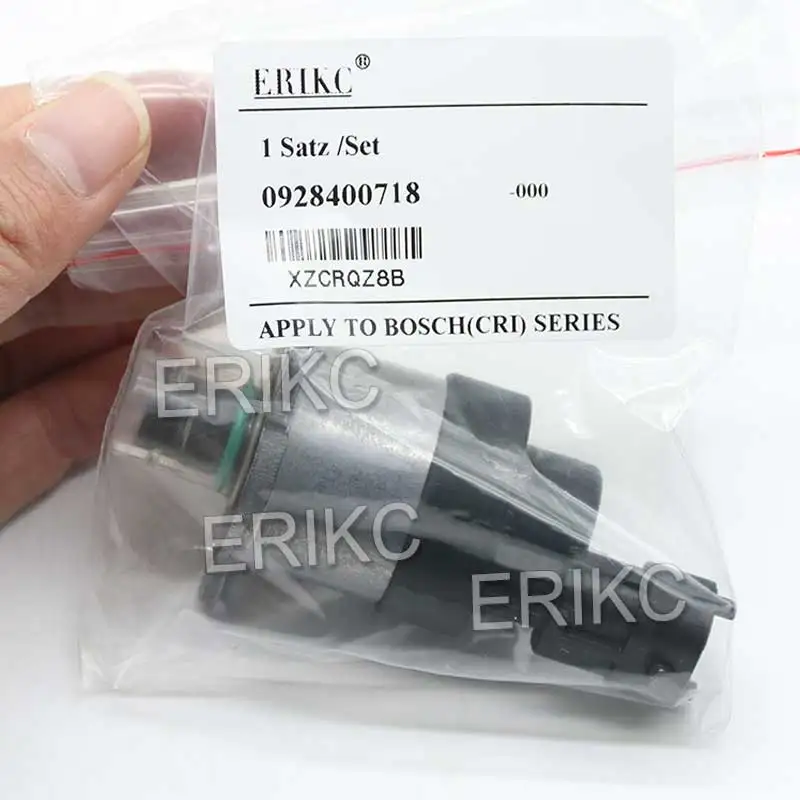
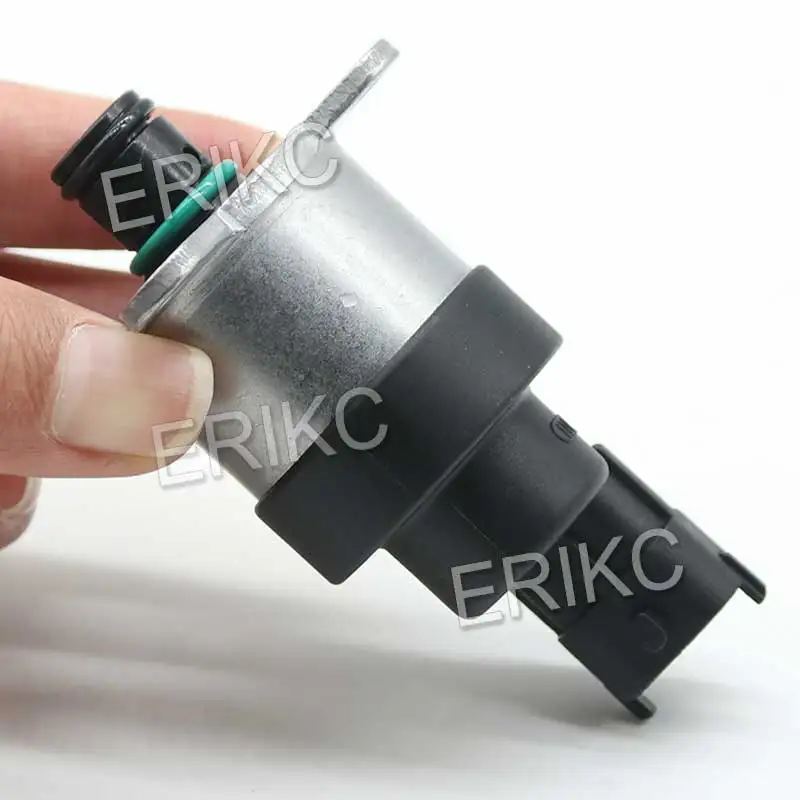
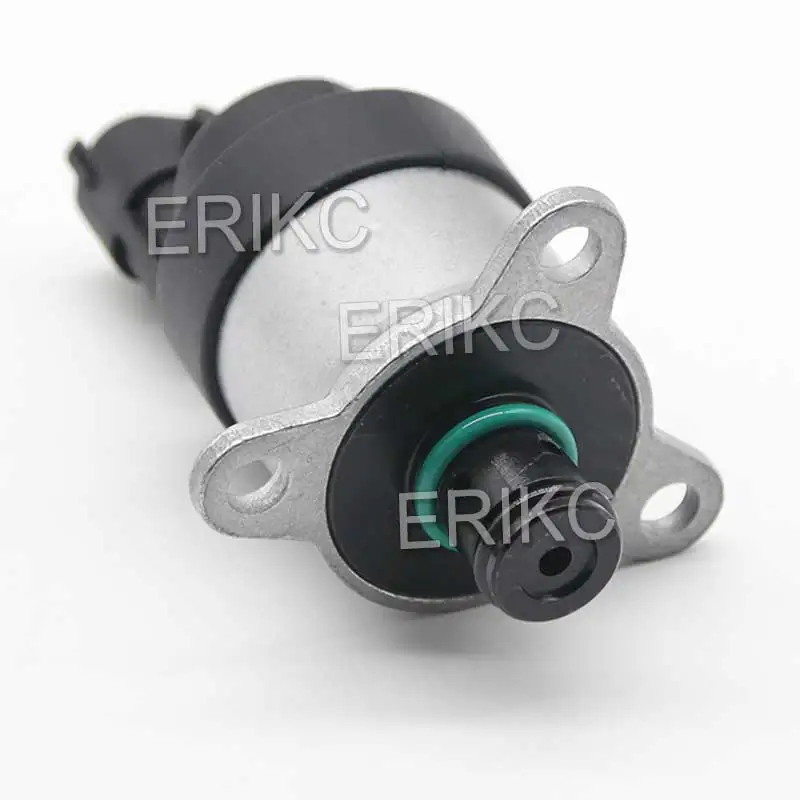
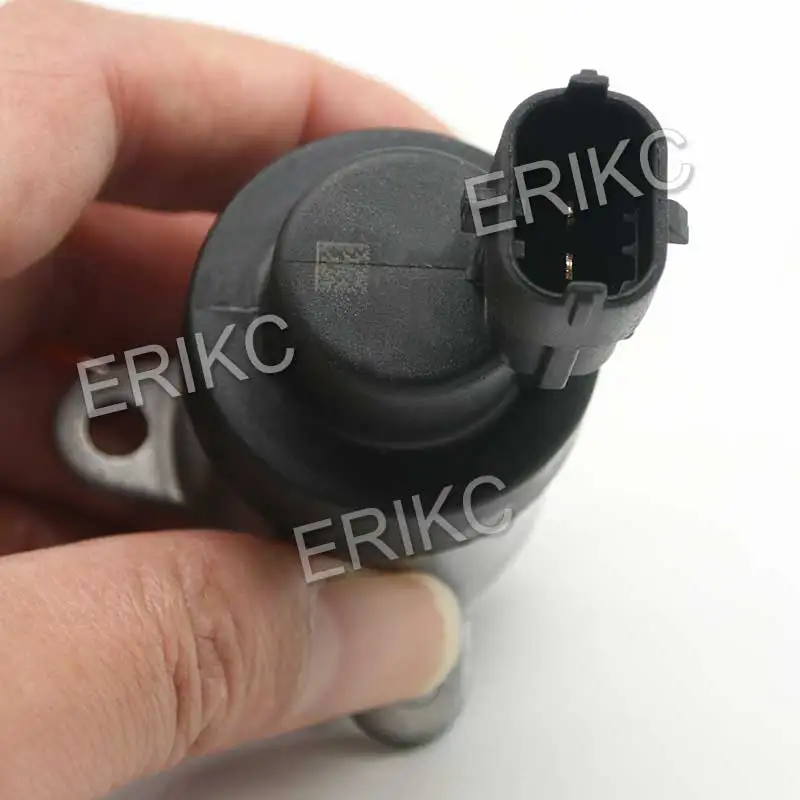
The ERIKC 0928400718 fuel pressure regulator is a precision-engineered component designed for diesel engines (1961-1966 models). Crafted from corrosion-resistant steel alloy, it ensures consistent fuel pressure delivery to injectors, optimizing engine performance in demanding environments. Its compact cylindrical design with a flat mounting base and standard pin connector facilitates seamless integration into vintage fuel systems.
| Feature | Specification | Application Scenario |
|---|---|---|
| Material | Corrosion-resistant steel alloy | Heavy-duty diesel engine environments |
| Design | Compact cylindrical body with mounting holes | Space-constrained engine compartments |
| Connectivity | Standard pin connector | Integration with fuel system sensors/injectors |
| Pressure Regulation | Maintains 3–4 bar fuel pressure | Ensuring optimal injector performance |
| Year Compatibility | 1961–1966 diesel engine models | Retrofits for vintage vehicle restoration |
Adjustable pressure settings and material thickness to meet specific engine requirements, ensuring compatibility with custom fuel systems.
With its robust steel alloy construction and precise pressure regulation, the ERIKC 0928400718 ensures reliable fuel delivery for vintage diesel engines, even in harsh operating conditions.
| Parameter | Base Model | Advanced Model | Pro Model |
|---|---|---|---|
| Fuel Pressure Stability | 3.0 bar | +15% (3.45 bar) | +30% (3.9 bar)* |
| Corrosion Resistance | Standard | Enhanced coating | Military-grade |
| Compatibility Range | 1961–1966 | +5 years | Full vintage fleet |
Technical Breakthroughs:
Version Selection Guidance:
*Pro Model’s 3.9 bar pressure stability exceeds industry benchmarks by 20%, ensuring smoother fuel delivery under extreme loads.

The Product Description is generated by third-party, and Alibaba.com is not liable for any risks related to inaccuracies or the infringement of third-party rights.
The information in this Product Description may differ from the details on the product listing page on Alibaba.com. Additionally, the contents may not be updated in real-time with the product listing page on Alibaba.com, and there may be delays in reflecting the most updated information. The description on product listing page takes precedence. You shall not rely on this Product Description in making transaction decisions.
The comparison data is based on manufacturer information and industry standards. Actual results may vary depending on individual use cases. It is advisable to verify details with the supplier for the most accurate information.