All categories
Featured selections
Trade Assurance
Buyer Central
Help Center
Get the app
Become a supplier
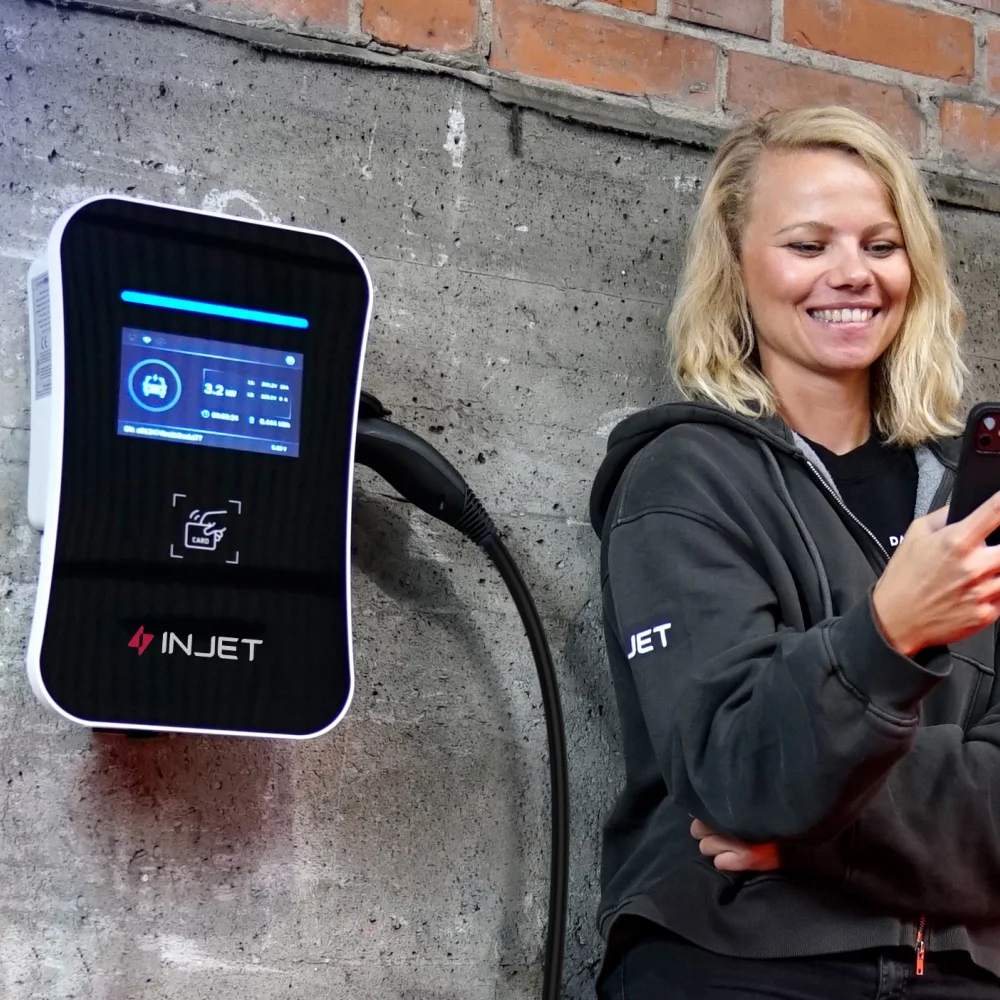
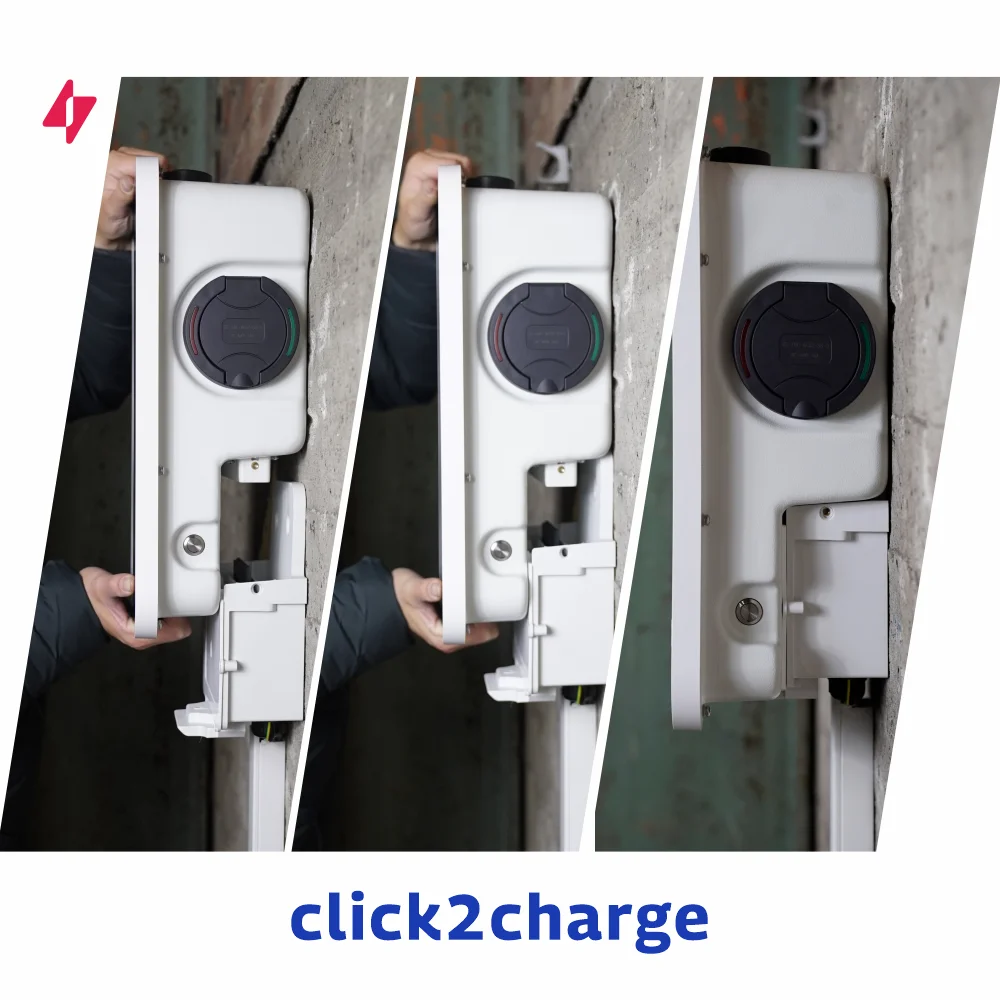
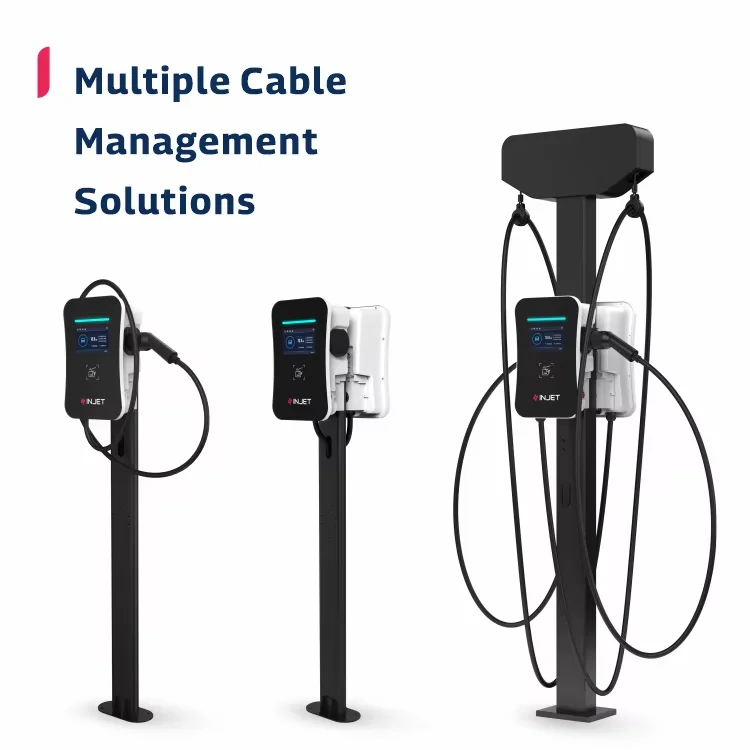
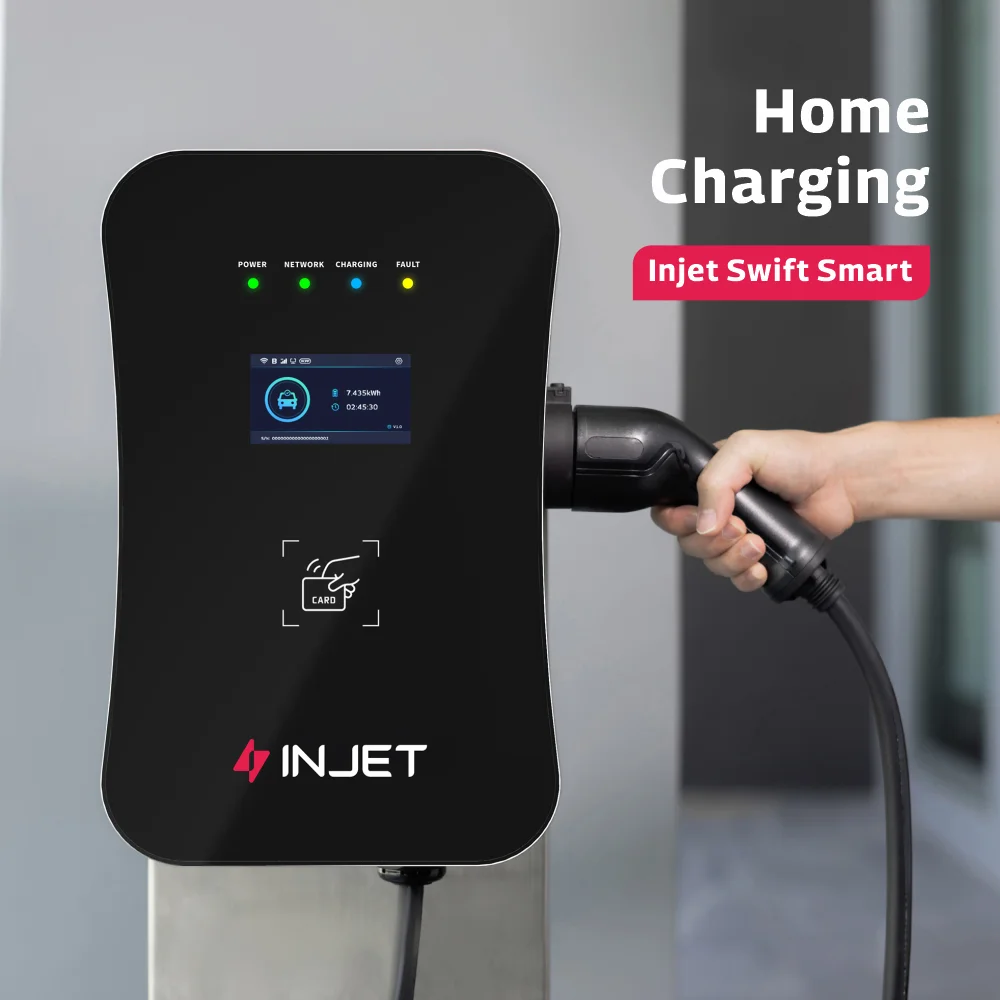
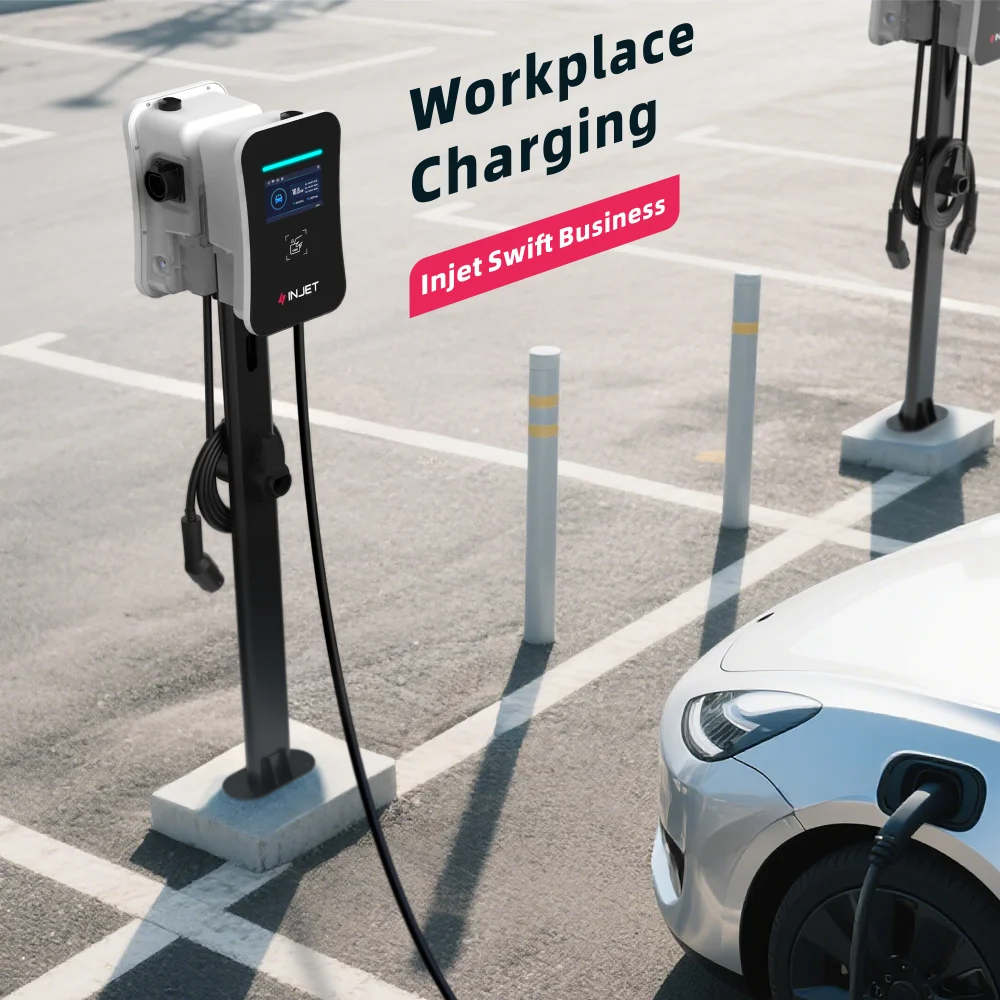
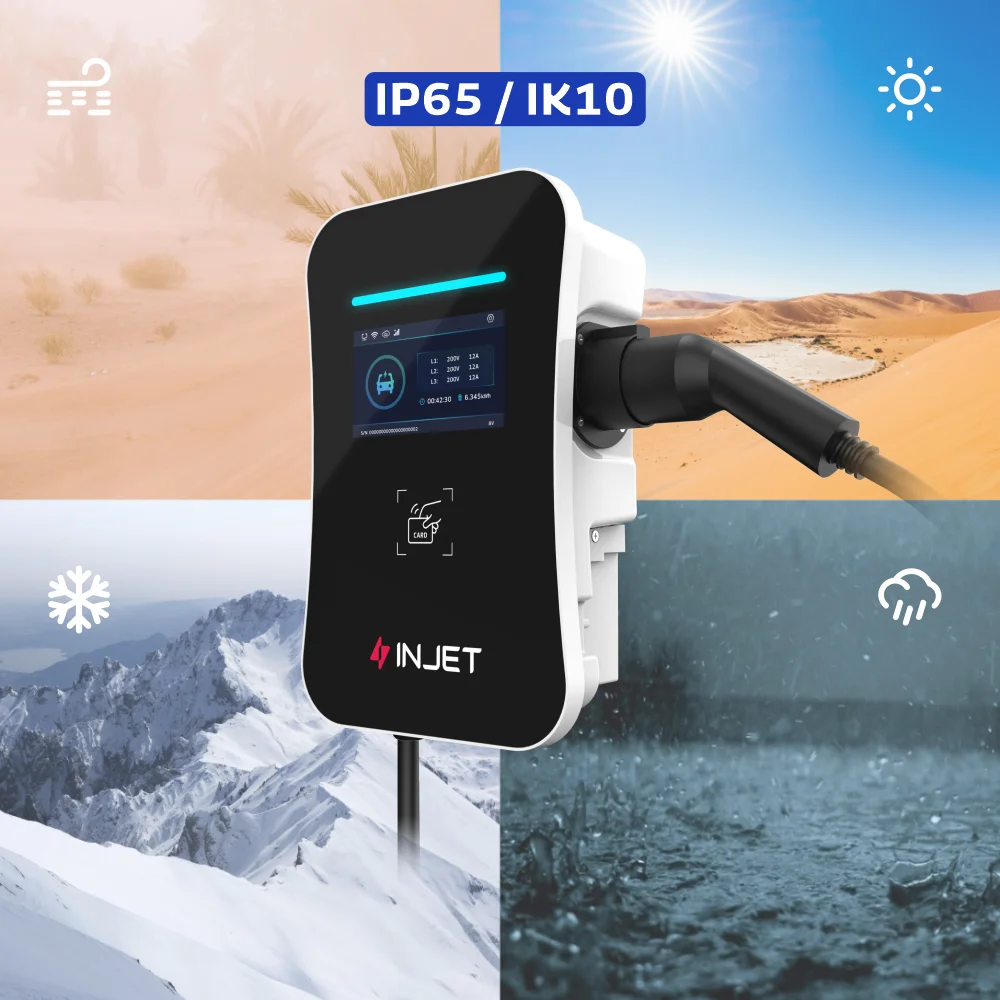
The INJET EV Charging Station is a sleek, wall-mounted 3-phase fast charger designed for residential and commercial use. With certifications like FCC, CE, and RoHS, it offers reliable performance and environmental compliance. Supporting Mennekes Type 2 and SAE J1772 interfaces, it caters to global EV standards. The 32A output and power options up to 22kW ensure fast charging, while smart features like app-based monitoring and wireless connectivity enhance user convenience.
| Feature | Specification | Application Scenario |
|---|---|---|
| Compatibility | Supports Mennekes Type 2 (IEC 62196-2) and SAE J1772 (Type 1) interfaces | Charging EVs across Europe and North America |
| Power Output | 7–22kW (adjustable via model selection) | Residential, commercial, and high-demand fleets |
| Certifications | FCC, CE, EPR_Germany_Packing, UL, RoHS | Global regulatory compliance |
| Input Voltage | 230V, 240V, 380V, 400V (3-phase) | Flexible installation in varied power grids |
| Smart Features | Wireless app control, real-time charging status, and notifications | Remote monitoring and scheduling |
Adjustable parameters include output power (7kW to 22kW) and voltage input (230V to 400V) to meet specific grid requirements or charging speed needs.
Whether you’re a homeowner seeking a compact 7kW charger or a commercial fleet manager needing high-power 22kW solutions, INJET’s modular design ensures seamless integration into any EV charging ecosystem.
| Parameter | Base Model (7kW) | Advanced Model (11kW) | Pro Model (22kW) |
|---|---|---|---|
| Max Power Output | 7kW | +57% (11kW) | +214% (22kW)* |
| Charging Speed | 7.4km/hour | 11km/hour | 22km/hour |
| Certifications | CE, FCC | +RoHS, UL | +EPR_Germany |
Technical Breakthroughs:
Version Selection Guidance:
*Comparative benchmarks assume a 7kW industry standard baseline.

The Product Description is generated by third-party, and Alibaba.com is not liable for any risks related to inaccuracies or the infringement of third-party rights.
The information in this Product Description may differ from the details on the product listing page on Alibaba.com. Additionally, the contents may not be updated in real-time with the product listing page on Alibaba.com, and there may be delays in reflecting the most updated information. The description on product listing page takes precedence. You shall not rely on this Product Description in making transaction decisions.
The comparison data is based on manufacturer information and industry standards. Actual results may vary depending on individual use cases. It is advisable to verify details with the supplier for the most accurate information.