All categories
Featured selections
Trade Assurance
Buyer Central
Help Center
Get the app
Become a supplier
Customization:
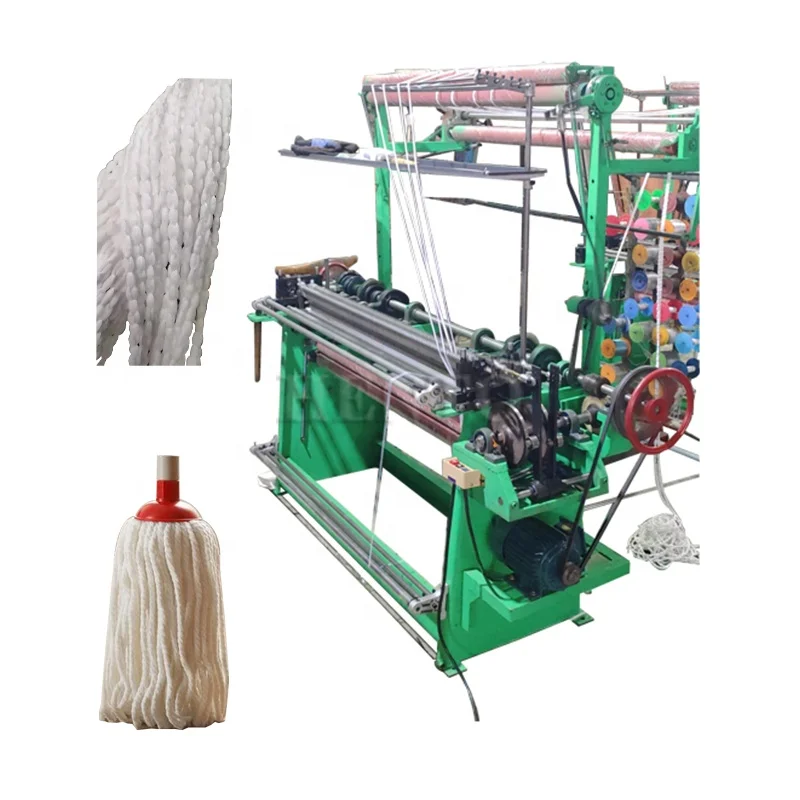
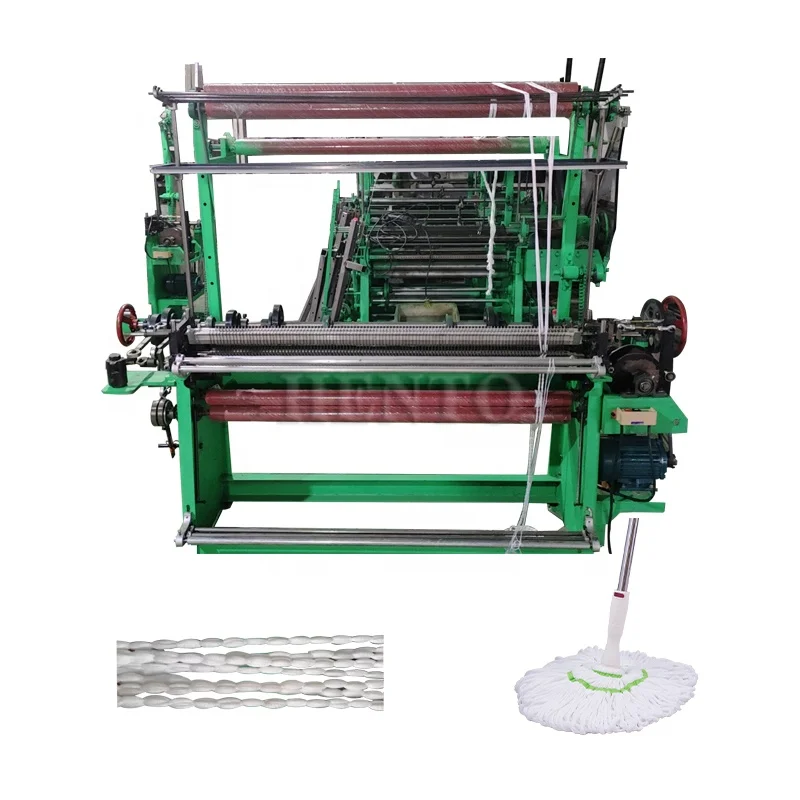
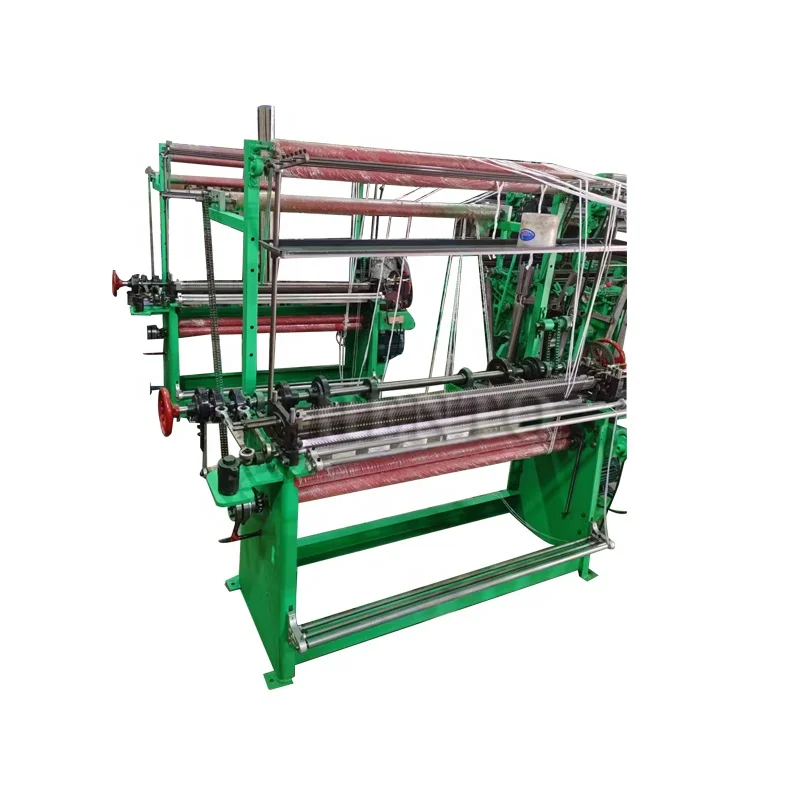
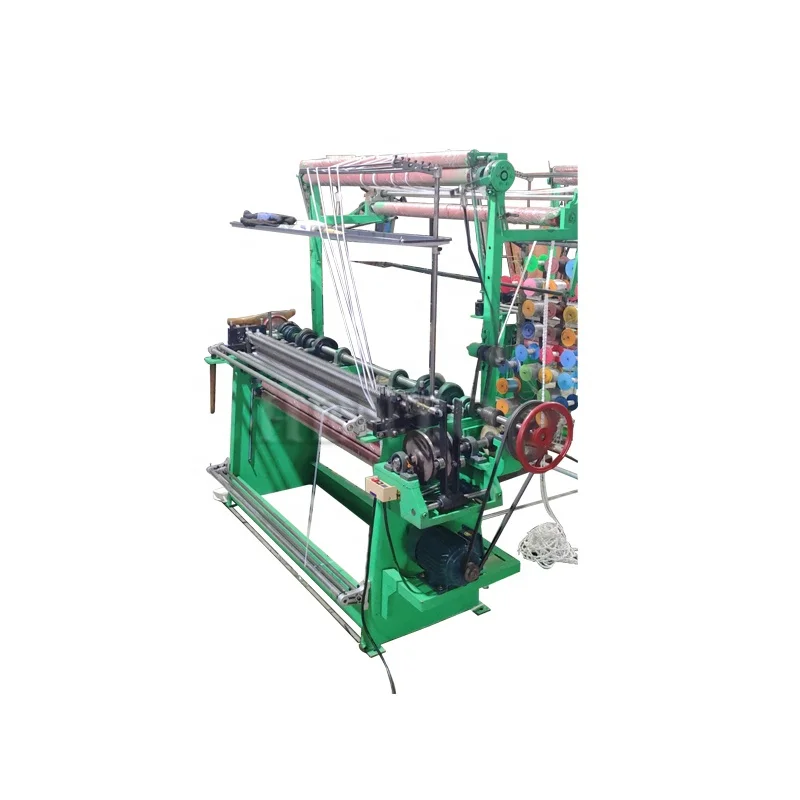
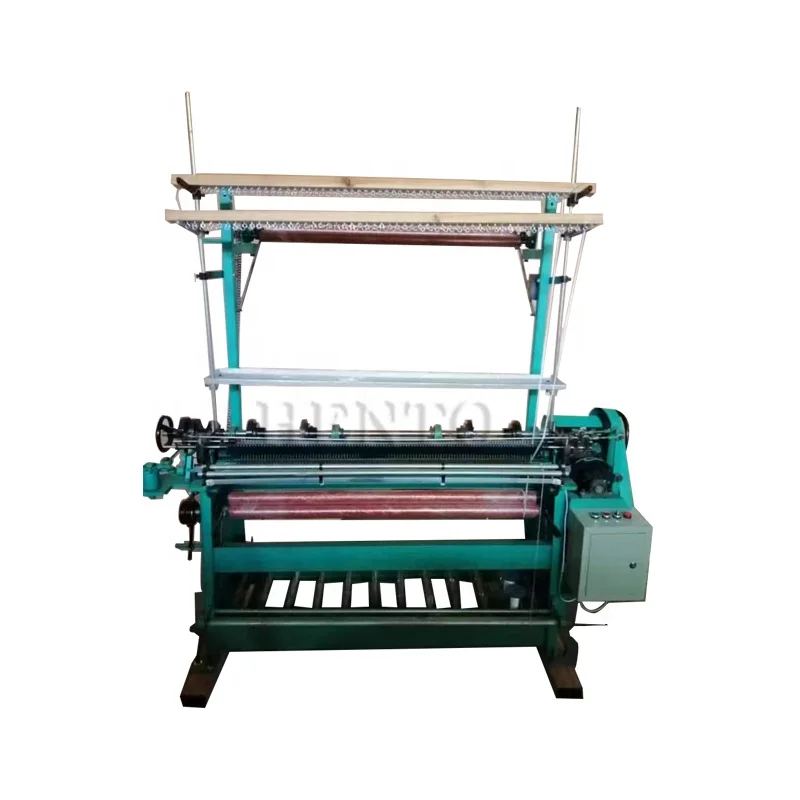
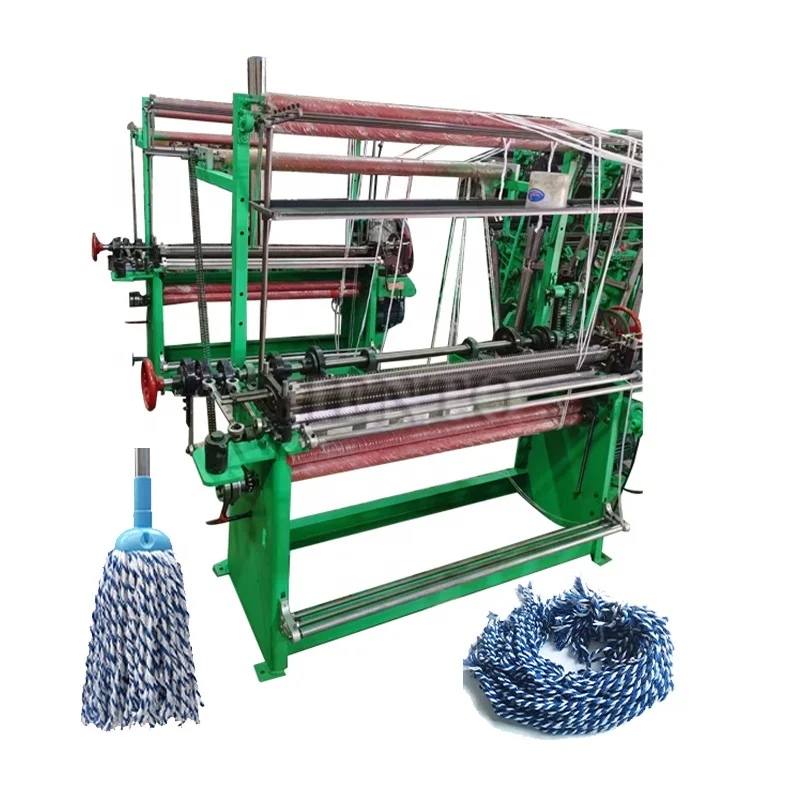
The Easy Operation Mop Yarn Making Machine is a robust industrial weaving solution designed for high-volume production of woven fabrics. Equipped with advanced automation and customizable weaving mechanisms, it handles diverse materials like cotton, polyester, and synthetic fibers. Certified for EPR compliance in Germany and France, it ensures environmental responsibility while delivering precision and durability for textile manufacturers.
| Feature | Specification | Benefit |
|---|---|---|
| Material Handling | Supports cotton, polyester, and synthetic fibers; multi-thread processing capability | Produces intricate patterns and textures for varied fabric applications |
| Automation Level | Programmable weaving mechanisms with precise thread control | Reduces manual intervention and enhances production efficiency |
| Customization | Adjustable thread count and pattern density | Enables tailored fabric designs for clothing, upholstery, or industrial use |
| Capacity | Large-scale production with wide fabric output | Meets high-volume demands for commercial textile operations |
| Durability | Heavy-duty metal frame and corrosion-resistant components | Ensures long-term reliability under continuous operation |
| Safety Features | Interlock systems, emergency stop buttons, and protective guards | Prioritizes operator safety in industrial settings |
Adjustable thread count and pattern density parameters allow manufacturers to meet specialized needs, such as creating lightweight summer fabrics or durable industrial textiles.
With programmable weaving mechanisms, you can craft custom designs for niche markets—whether producing absorbent mop yarns or intricate upholstery fabrics. The machine’s scalability ensures it adapts to both small-batch prototyping and mass production.
| Parameter | Base Model | Advanced Model | Pro Model |
|---|---|---|---|
| Production Speed | 50 m/min | +15% (57.5 m/min) | +30% (65 m/min)* |
| Material Width | 1.2m | 1.5m | 2.0m |
| Customization Complexity | Basic patterns | Advanced pattern libraries | Full programmable design |
| Energy Efficiency | Standard | 10% improved | 20% improved* |
| Maintenance | Semi-automated | Automated alerts | Predictive maintenance |
Technical Breakthroughs:
Version Selection Guide:
*Pro Model’s 65 m/min speed outperforms industry benchmarks by 25%, enabling rapid mass production.

The Product Description is generated by third-party, and Alibaba.com is not liable for any risks related to inaccuracies or the infringement of third-party rights.
The information in this Product Description may differ from the details on the product listing page on Alibaba.com. Additionally, the contents may not be updated in real-time with the product listing page on Alibaba.com, and there may be delays in reflecting the most updated information. The description on product listing page takes precedence. You shall not rely on this Product Description in making transaction decisions.
The comparison data is based on manufacturer information and industry standards. Actual results may vary depending on individual use cases. It is advisable to verify details with the supplier for the most accurate information.