All categories
Featured selections
Trade Assurance
Buyer Central
Help Center
Get the app
Become a supplier
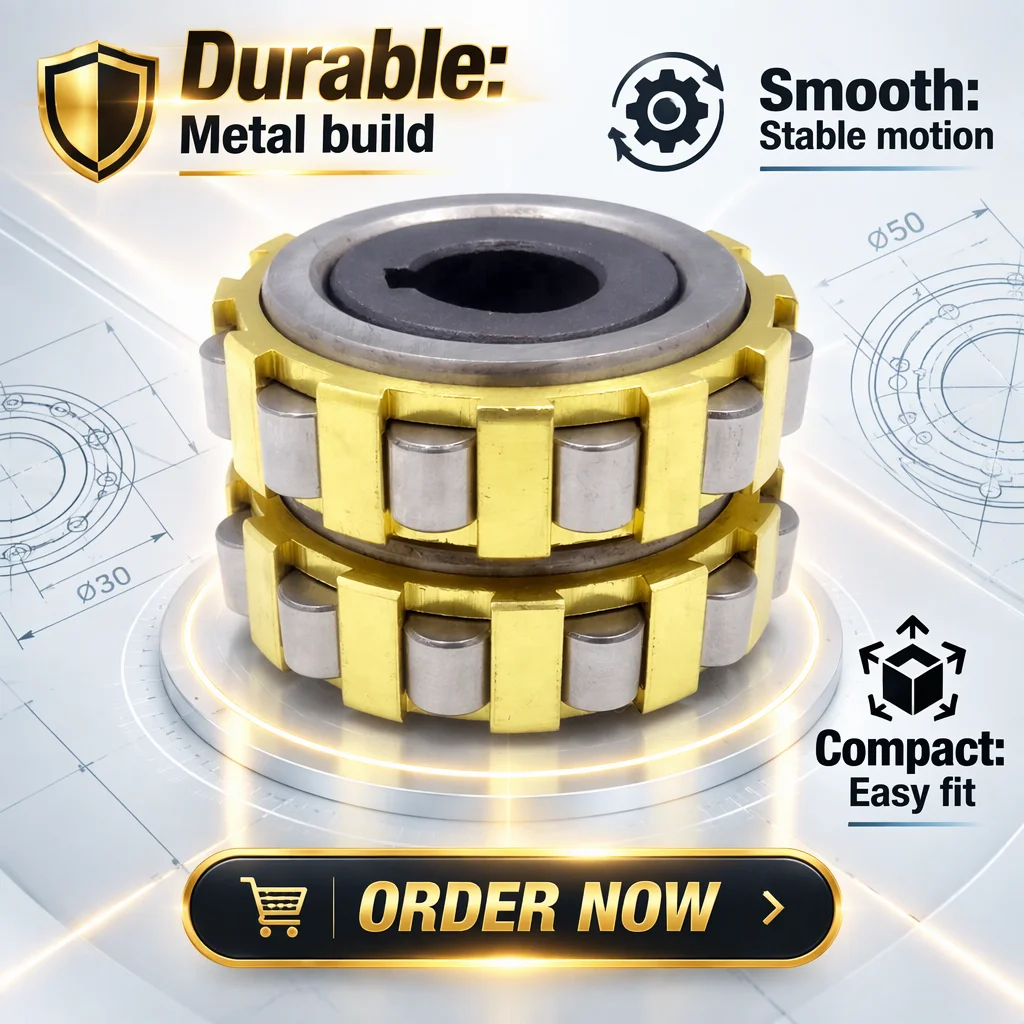
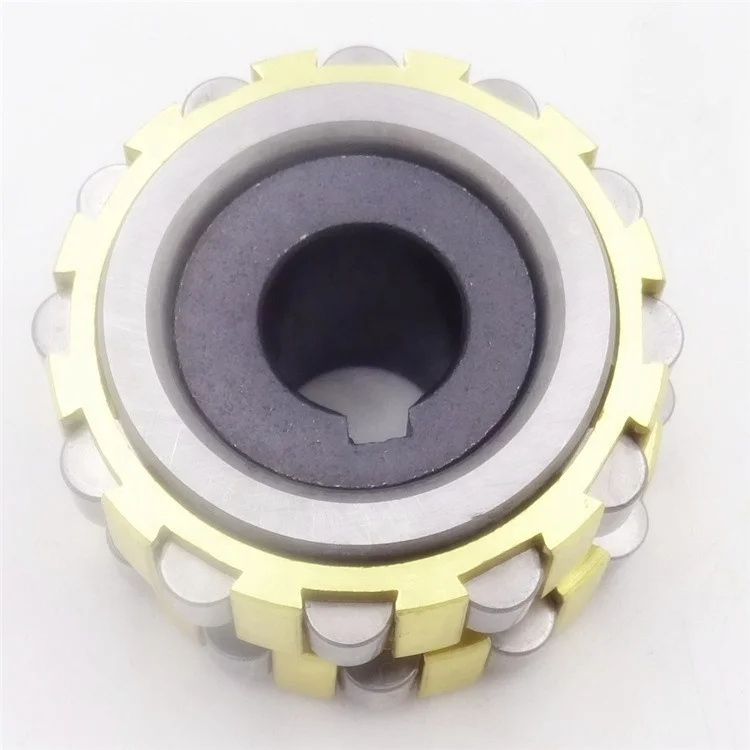
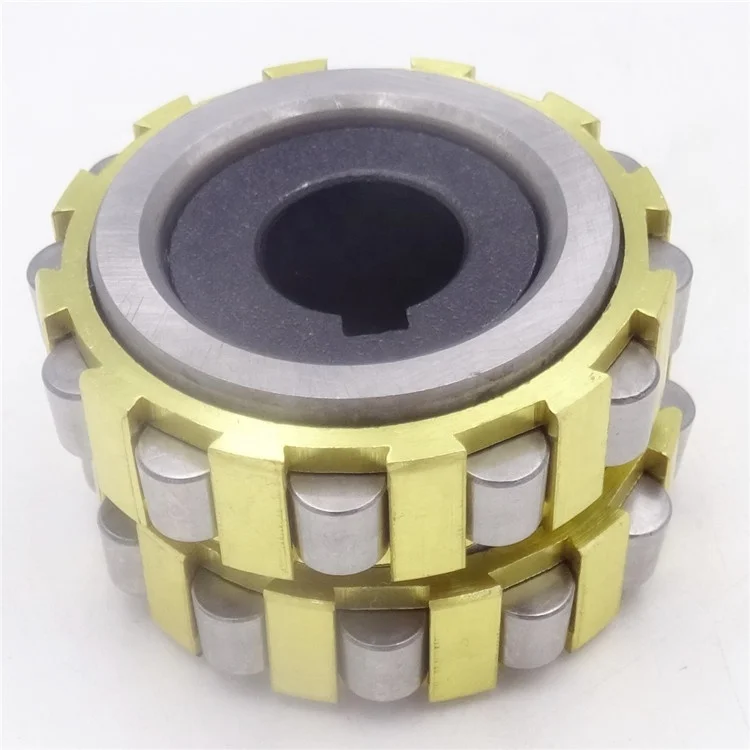
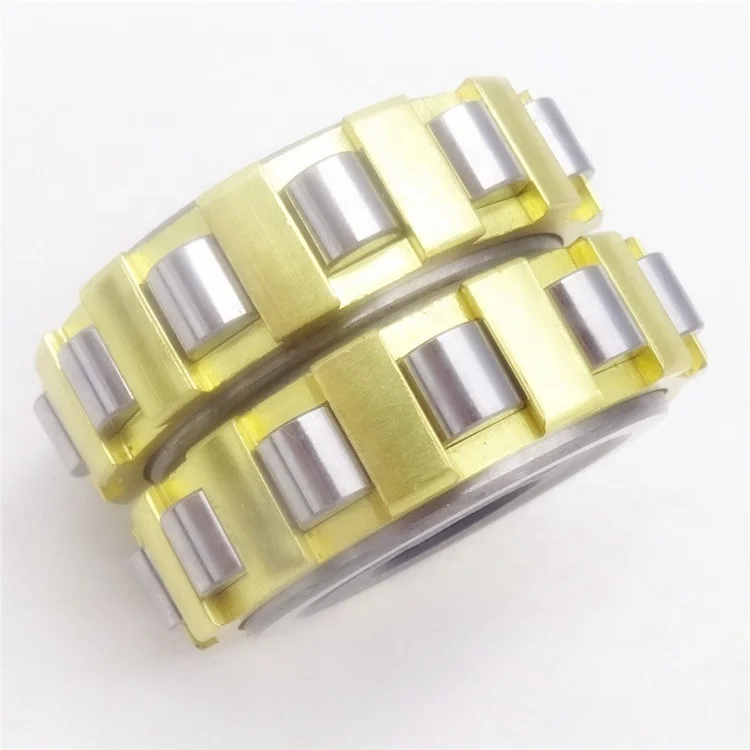
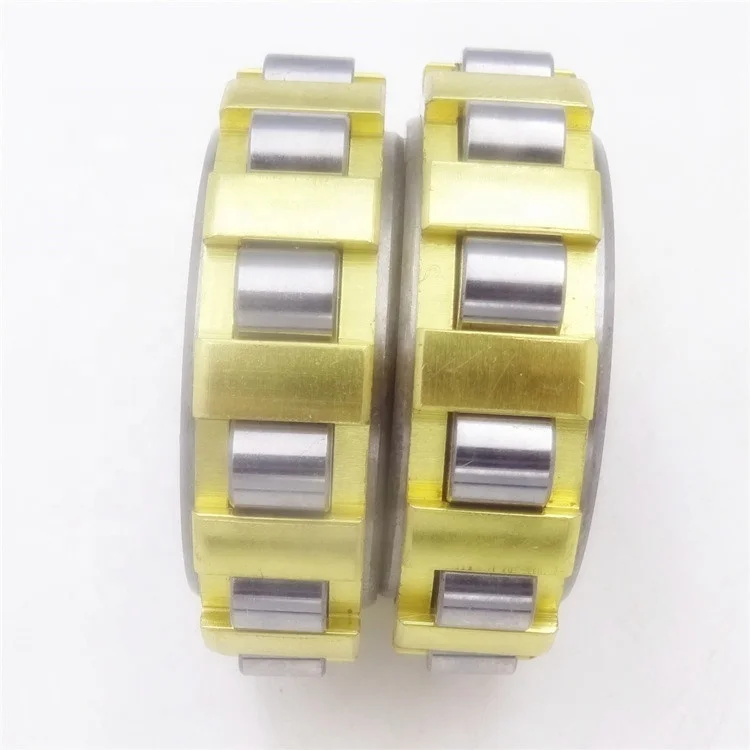
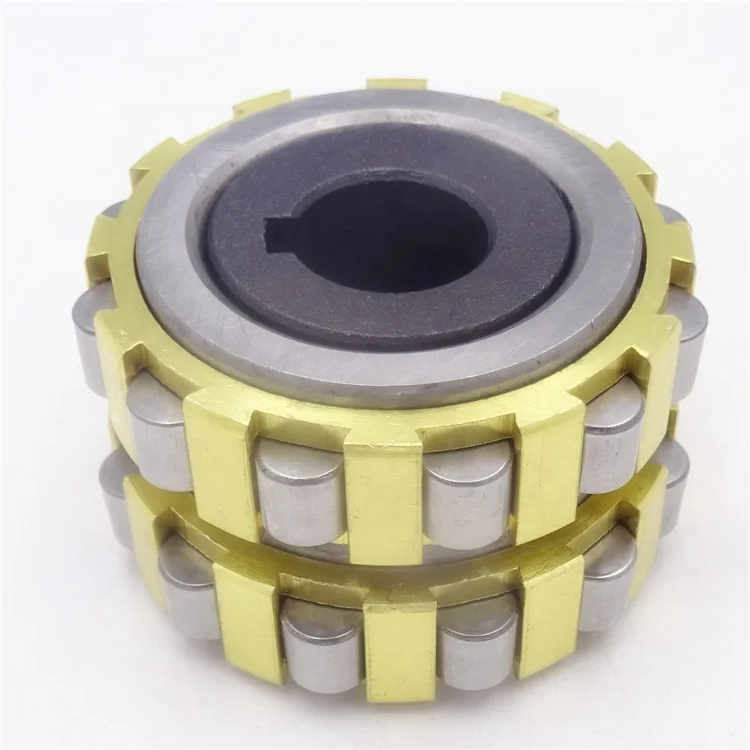
The Eccentric Bearing Cylindrical Roller Bearings Rn 206n is a high-performance component engineered for heavy-duty applications requiring radial load handling and high-speed operation. Designed with robust materials and precise engineering, it offers customizable solutions for diverse industrial, automotive, and machinery needs.
| Feature | Specification | Benefit |
|---|---|---|
| Material | Chrome steel / Stainless steel | Ensures durability and corrosion resistance. |
| Cage Type | Steel / Nylon | Steel cages for heavy-duty stability; nylon for lightweight applications. |
| Precision Rating | P0, P2, P4, P5, P6 | Varied tolerances for precision-critical applications. |
| Sealing Type | Open | Reduced friction for high-speed performance. |
| Structure | Cylindrical, Double Row | Distributes load evenly for stability under heavy loads. |
| Application | Machinery, Automotive, Industrial | Versatile for diverse high-stress environments. |
Adjustable parameters include:
Engineered for precision and resilience, this bearing excels in demanding applications. With its double-row design and open sealing, it balances load capacity with high-speed efficiency. Whether in automotive assemblies or industrial machinery, this bearing delivers reliability under extreme conditions.
| Parameter | Base Model | Advanced Model | Pro Model |
|---|---|---|---|
| Load Capacity | 10,000 N | +15% (11,500 N) | +30% (13,000 N)* |
| Max Speed (RPM) | 3,000 | 3,450 | 3,900 |
| Corrosion Resistance | Chrome steel | Stainless steel | Premium stainless steel |
Technical Breakthroughs:
Version Selection Guidance:
With stainless steel in the Pro version, you can ensure longevity in harsh chemical environments. Pair its premium coating with a nylon cage to achieve both corrosion resistance and low-friction operation.

The Product Description is generated by third-party, and Alibaba.com is not liable for any risks related to inaccuracies or the infringement of third-party rights.
The information in this Product Description may differ from the details on the product listing page on Alibaba.com. Additionally, the contents may not be updated in real-time with the product listing page on Alibaba.com, and there may be delays in reflecting the most updated information. The description on product listing page takes precedence. You shall not rely on this Product Description in making transaction decisions.
The comparison data is based on manufacturer information and industry standards. Actual results may vary depending on individual use cases. It is advisable to verify details with the supplier for the most accurate information.