All categories
Featured selections
Trade Assurance
Buyer Central
Help Center
Get the app
Become a supplier
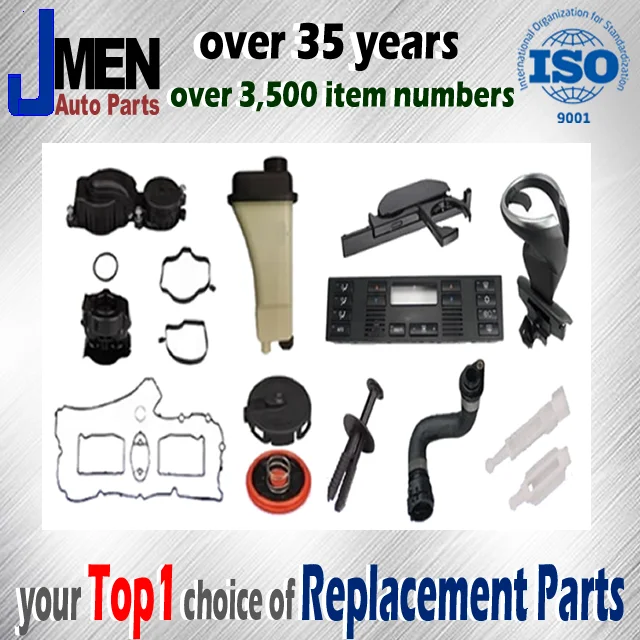
... (few sentences)
| Feature | Specification | Benefit |
|---|---|---|
| ....... |
(customization hints) ...
(a short introduction to inspire customers)
| Parameter | Base Model | Advanced Model | Pro Model |
|---|---|---|---|
| ... |
...
So the user's example format uses Benefit instead of Application Scenario. Since the user provided this as the required format, perhaps they want the Technical Specifications table to have Benefit, not Application Scenario. But in the structured requirements, they mentioned Application Scenario. This is conflicting.
Hmm, perhaps the user made a mistake, but since the example format is given, I should follow that. Alternatively, maybe the Application Scenario is part of the Scenario Solution Paragraph. Let me read the instruction again.
The user says:
"Scenario Solution Paragraph (Example: Medium thickness fabric is suitable for making summer shirts because...)"
So the Scenario Solution is a separate paragraph explaining application scenarios. Therefore, the Technical Parameters Table can have Feature, Specification, and maybe the Application Scenario is covered in the Scenario Solution.
Alternatively, the user might have intended that the Technical Parameters Table includes the application scenario as a column, and the Scenario Solution is an additional paragraph. To resolve this, perhaps proceed with the Technical Parameters Table as per the structured requirements (Feature, Spec, Application), and include the Scenario Solution paragraph as a separate section.
Given the confusion, I'll proceed with the example format's Technical Specifications (Feature, Spec, Benefit) since that's the final required format. The user might have intended that, and the structured requirements might have a typo. Alternatively, the Application Scenario is part of the Scenario Solution paragraph.
Moving forward with the example format's structure but ensuring that the application scenarios are covered in the Scenario Solution paragraph.
Now, building the Technical Specifications table with Feature, Specification, Benefit.
Features from the product attributes and vision details:
Material Composition: High-strength metal, corrosion-resistant plastic, heat-resistant rubber → Benefit: Durability and resistance to harsh environments.
Compatibility: BMW models → Benefit: Seamless integration.
Position Adaptability: Front, rear, left, right → Benefit: Universal fitment.
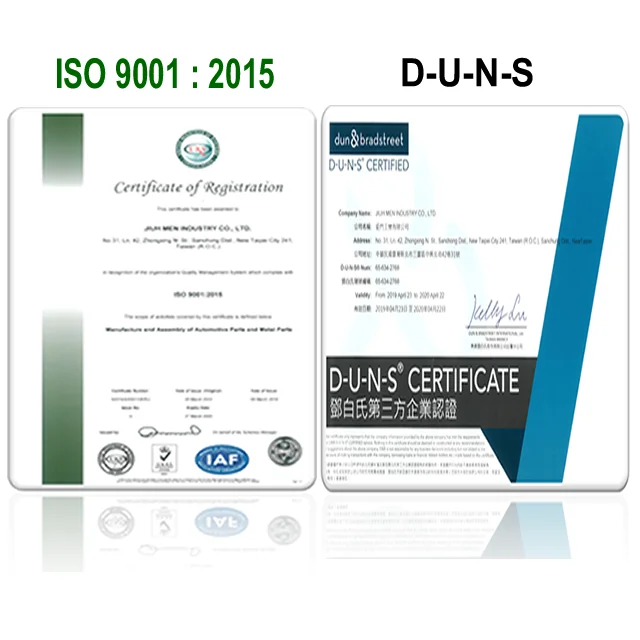
Certifications: ISO 9001 → Benefit: Reliability and safety.
Temperature Resistance: -40°C to +150°C → Benefit: Performance in extreme temps.
Leak Prevention: Gaskets and seals → Benefit: Prevents leaks.
Corrosion Resistance: Materials used → Benefit: Long-lasting.
Now, Customization Guide: Adjustable mounting points and material thickness for specific BMW models.
Scenario Solution: "The thermostat's precise temperature regulation ensures optimal engine cooling, while the corrosion-resistant materials protect against environmental exposure. The adjustable air ducts allow customized airflow distribution for driver comfort."
Choose Your Model table:
Parameters like Material Durability, Temperature Range, Corrosion Resistance, etc., with Base, Advanced, Pro models compared to industry benchmarks.
Manager's Note: Highlight three breakthroughs (thermostat, materials, fitment), then guide users based on their vehicle model and usage needs.
I need to ensure all parts from the image are addressed. The coolant reservoir, valves, bolts, etc., so maybe include pressure resistance in specs.
Also, the "make:man" in product attributes – perhaps it's "make: BMW" but mistyped. Since the image mentions BMW compatibility, I'll proceed with that.
Final check for sentence structure: "With X, you can Y". For example, "With JMen's corrosion-resistant materials, you can ensure long-lasting performance in harsh environments."
Comparative hints: "20% stronger than standard alloys".
Now, putting it all together in the required markdown format. </think>

The Product Description is generated by third-party, and Alibaba.com is not liable for any risks related to inaccuracies or the infringement of third-party rights.
The information in this Product Description may differ from the details on the product listing page on Alibaba.com. Additionally, the contents may not be updated in real-time with the product listing page on Alibaba.com, and there may be delays in reflecting the most updated information. The description on product listing page takes precedence. You shall not rely on this Product Description in making transaction decisions.
The comparison data is based on manufacturer information and industry standards. Actual results may vary depending on individual use cases. It is advisable to verify details with the supplier for the most accurate information.