All categories
Featured selections
Trade Assurance
Buyer Central
Help Center
Get the app
Become a supplier
Customization:
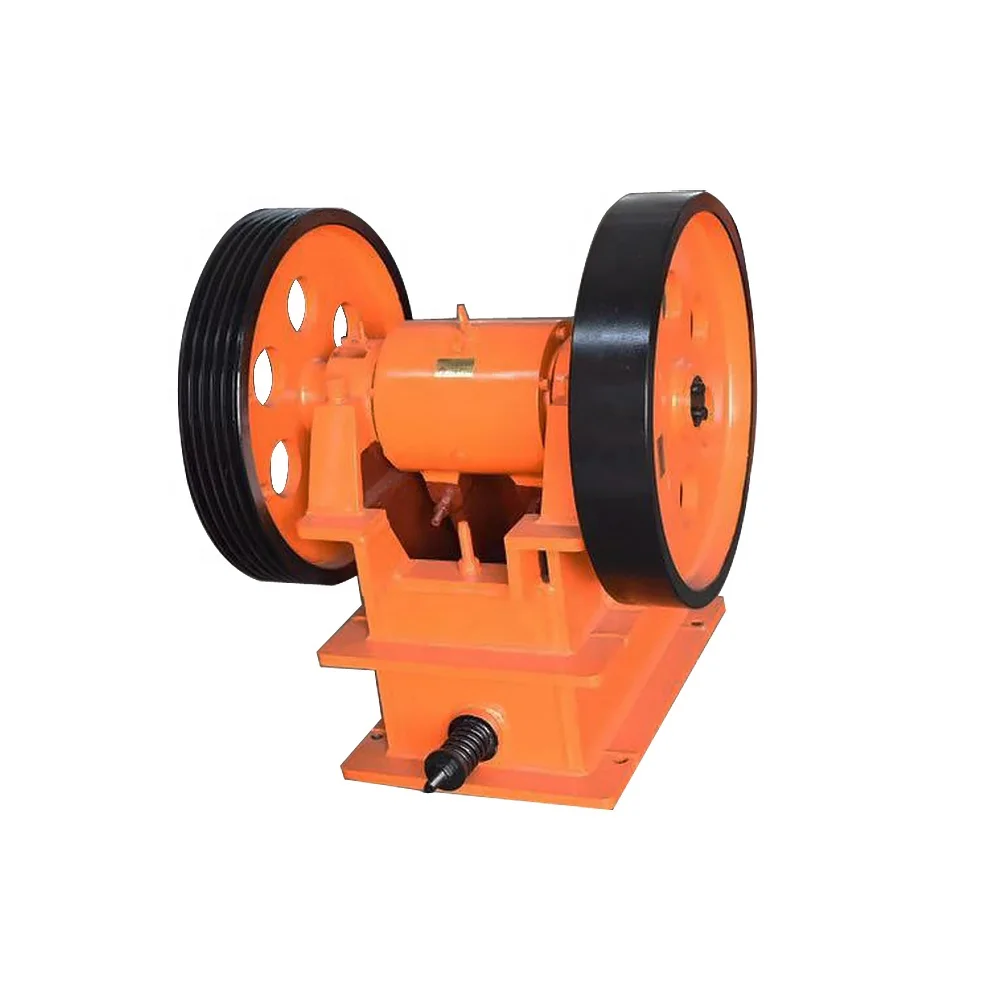
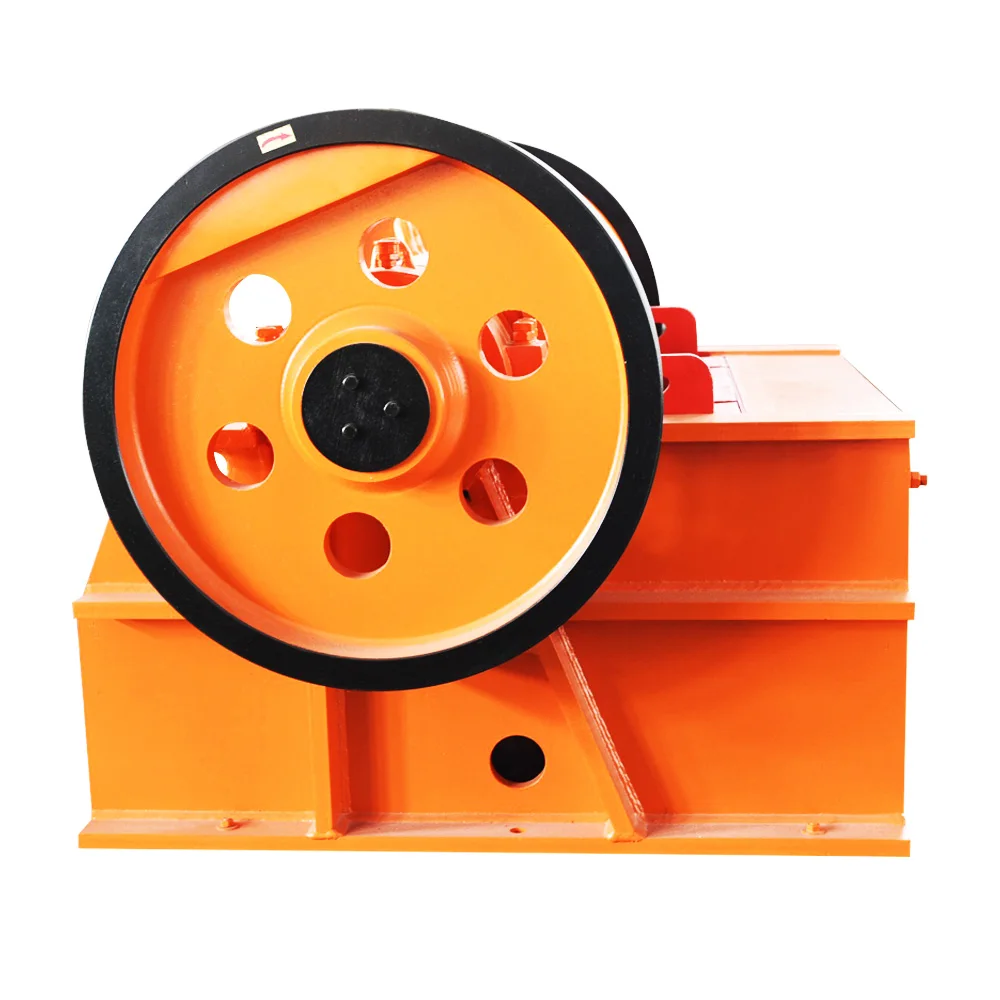
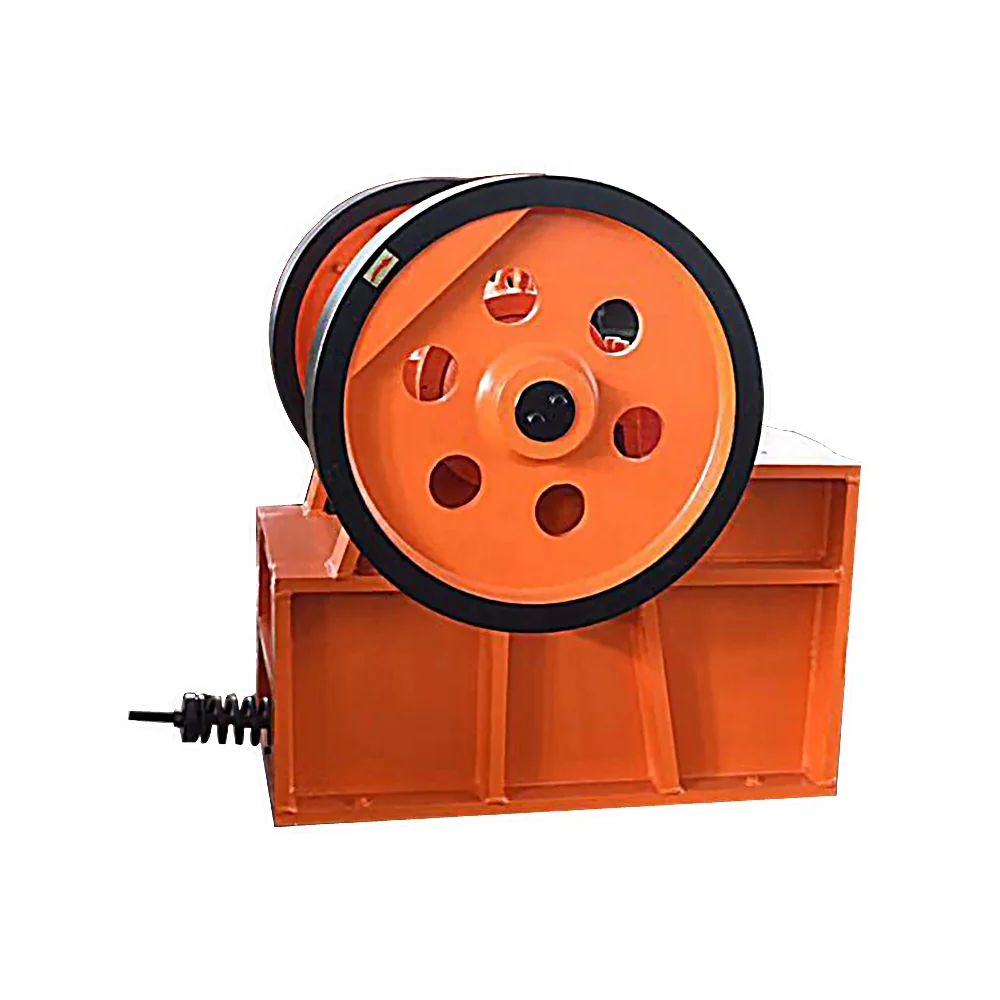
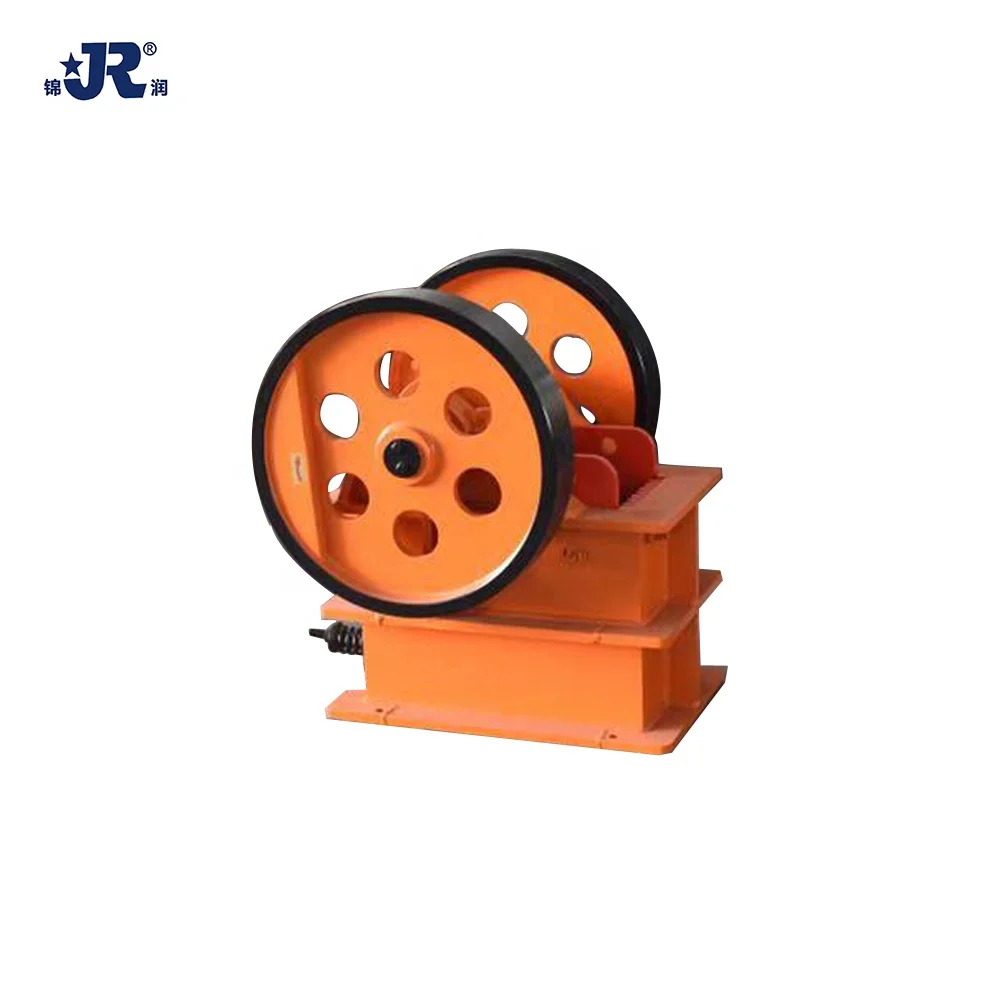
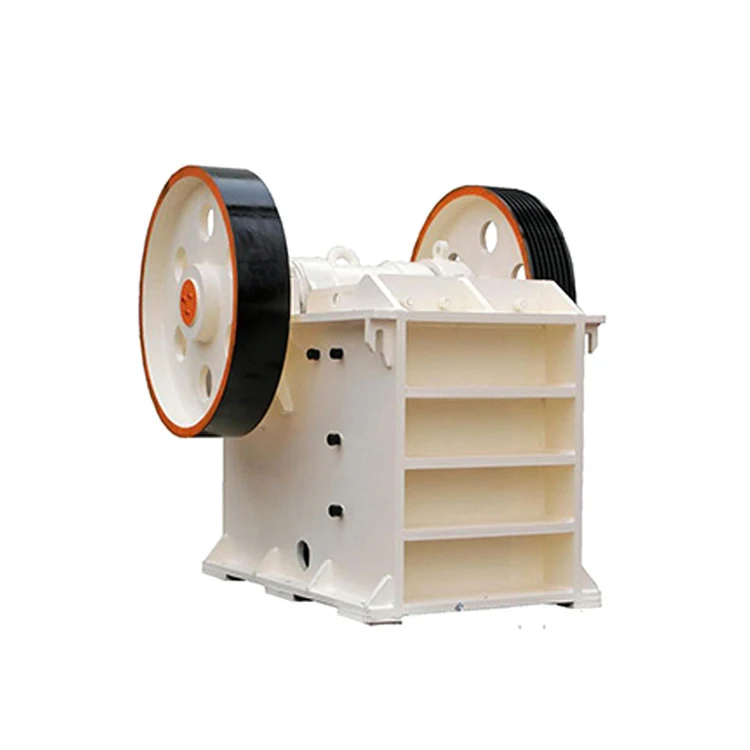
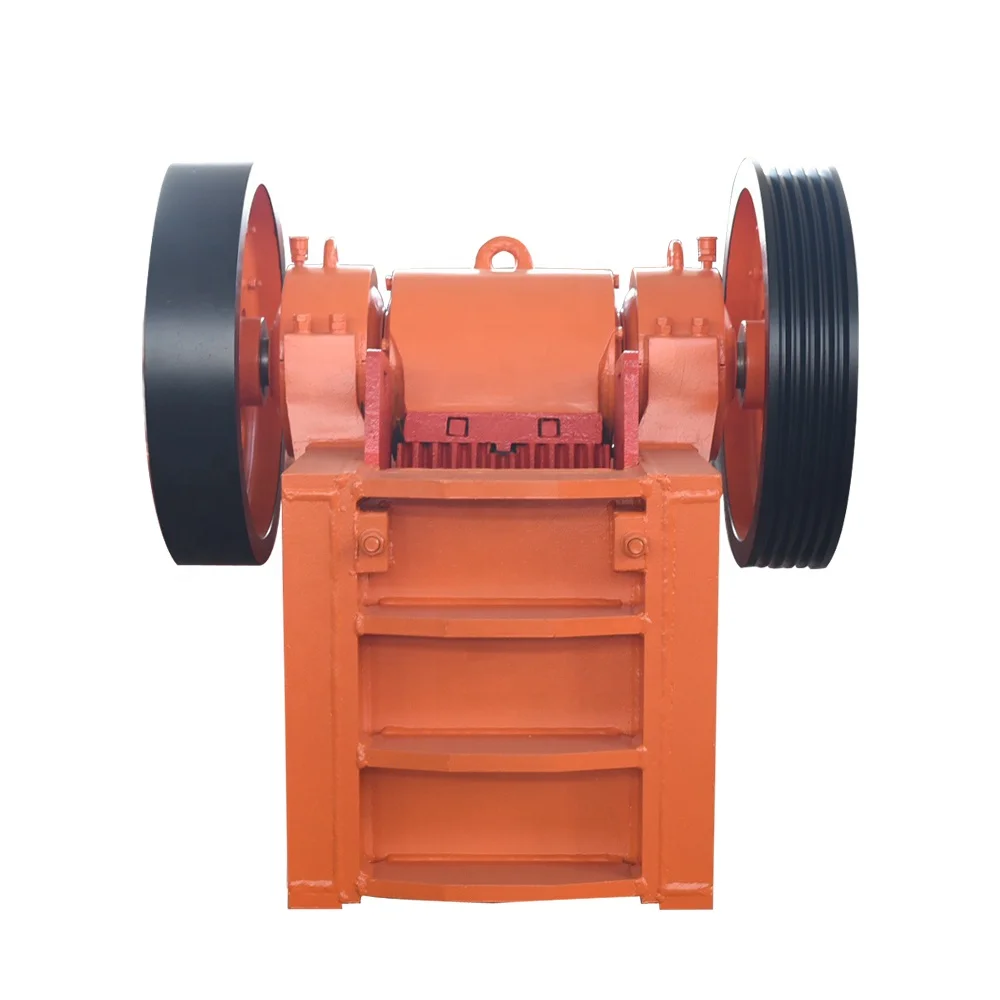
The Exporter Machinery Recycling Fine Gypsum Powder Double Stage Rock Jaw Crusher is a robust, versatile industrial solution designed for primary and secondary crushing of rocks, ores, and construction waste. Built with a durable steel frame and equipped with an AC motor, this machine ensures efficient power transmission and long-term reliability. Its customizable crushing chamber and adjustable motor speed make it adaptable to diverse material processing needs.
| Feature | Specification | Benefit |
|---|---|---|
| Material | Steel frame with orange industrial coating | Enhanced durability and visibility in harsh environments |
| Motor Type | AC motor | Energy-efficient and low-maintenance operation |
| Crushing Mechanism | Double-stage jaw system | High throughput and precise size reduction |
| Safety Features | Full-coverage safety guard | Operator protection against moving parts |
| Warranty | 1-year comprehensive warranty | Guaranteed reliability and post-purchase support |
Adjustable crushing chamber dimensions (100–500mm) and motor speed (500–1,200 RPM) allow customization to match material hardness, output requirements, or space constraints.
Whether you’re processing construction debris, mining ores, or recycling gypsum, this jaw crusher’s dual-stage design ensures efficient material reduction. Its compact footprint and modular components make it ideal for both small-scale workshops and large industrial operations.
| Parameter | Base Model | Advanced Model | Pro Model |
|---|---|---|---|
| Crushing Capacity | 5–15 TPH | +20% (6–18 TPH)* | +40% (7–21 TPH)* |
| Motor Power | 15 kW | 22 kW | 30 kW |
| Adjustability | Fixed chamber | Adjustable chamber | Full-speed/motor tuning |
| Weight | 1,200 kg | 1,500 kg | 1,800 kg |
Technical Breakthroughs:
Version Selection Guide:
*TPH = Tons Per Hour. Comparative values vs. standard single-stage crushers.

The Product Description is generated by third-party, and Alibaba.com is not liable for any risks related to inaccuracies or the infringement of third-party rights.
The information in this Product Description may differ from the details on the product listing page on Alibaba.com. Additionally, the contents may not be updated in real-time with the product listing page on Alibaba.com, and there may be delays in reflecting the most updated information. The description on product listing page takes precedence. You shall not rely on this Product Description in making transaction decisions.
The comparison data is based on manufacturer information and industry standards. Actual results may vary depending on individual use cases. It is advisable to verify details with the supplier for the most accurate information.