All categories
Featured selections
Trade Assurance
Buyer Central
Help Center
Get the app
Become a supplier
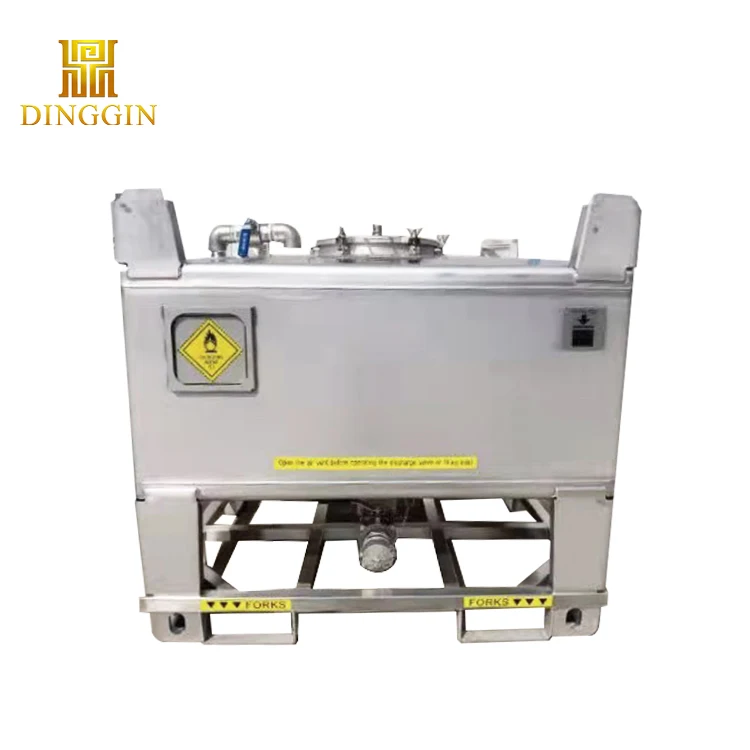
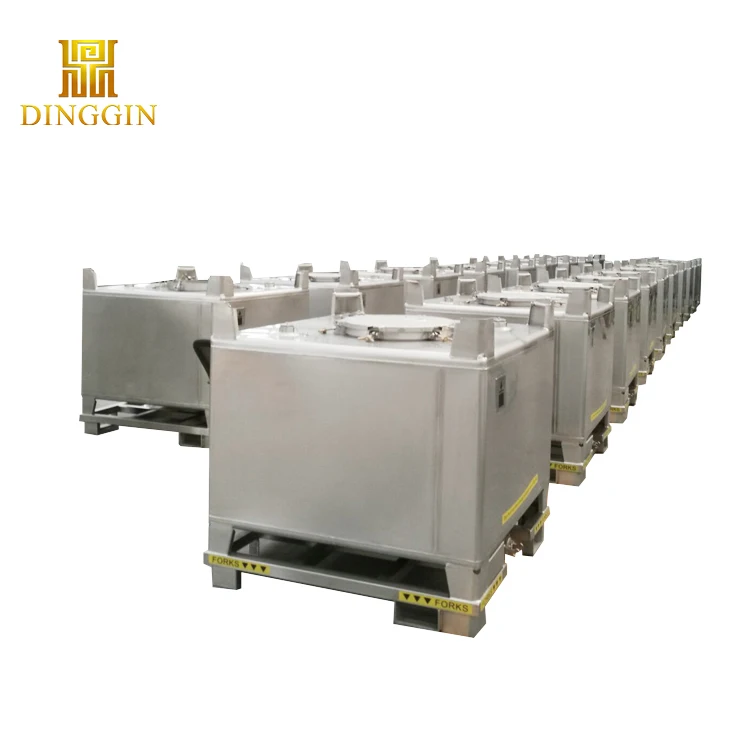
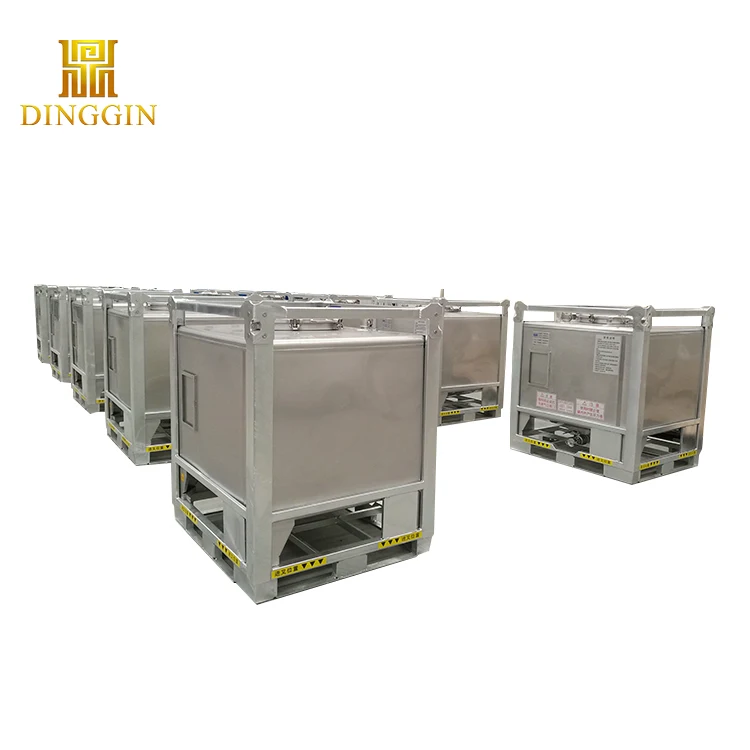
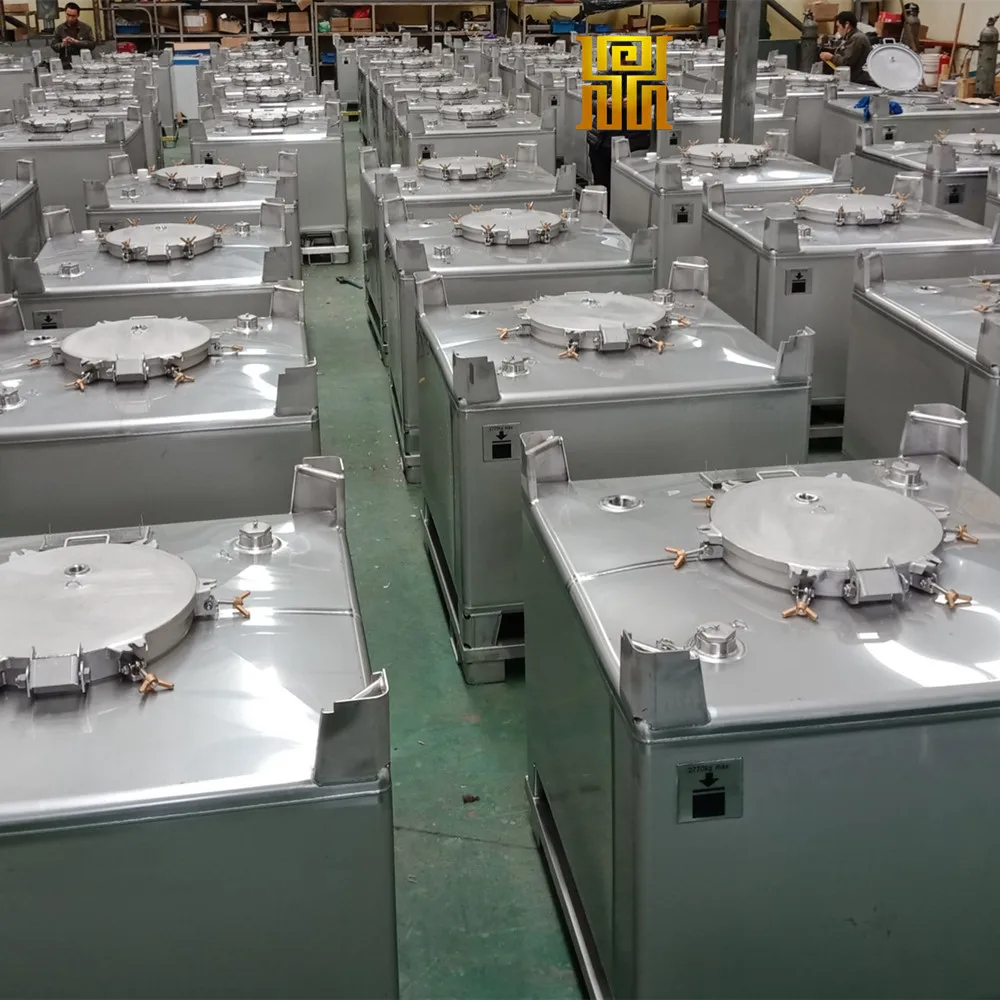
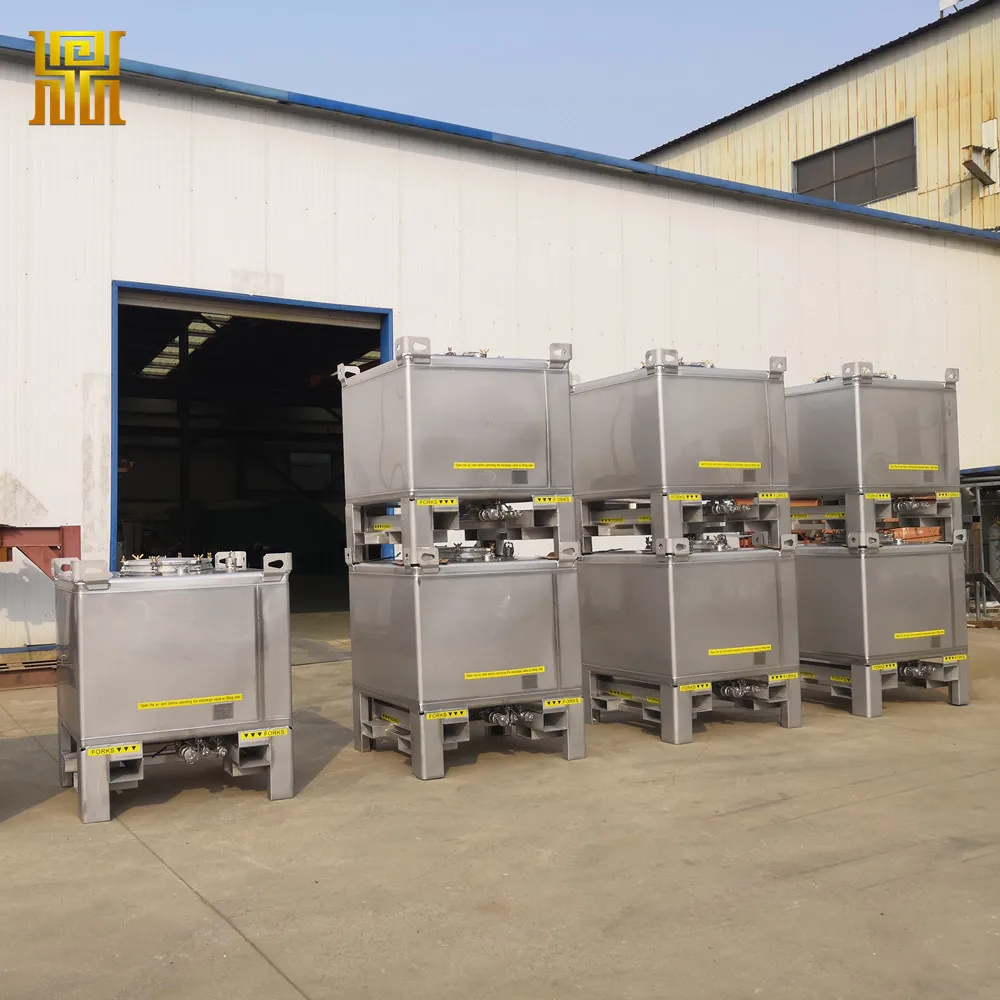
The Factory Direct 1000L SS304 IBC Tank is a high-quality, customizable stainless steel storage solution designed for safe and efficient liquid storage in chemical and food industries. Built with corrosion-resistant SS304 stainless steel and certified by CCS, it ensures durability, compliance, and adaptability for diverse applications.
| Feature | Specification | Benefit |
|---|---|---|
| Material | SS304 stainless steel | With corrosion resistance, withstand harsh environments. |
| Certification | CCS | Meets industry safety and quality standards. |
| Capacity | 1000L | Store large volumes of chemicals or food-grade liquids. |
| Lid Design | Circular lid with central opening | Easy access and secure sealing via locking mechanism. |
| Safety Features | Locking mechanism | Prevent accidental spills or contamination. |
Adjustable parameters include size (from 500L to 2000L), material thickness, and lid seal type to meet specific requirements like enhanced chemical resistance or pressure tolerance.
Whether storing aggressive chemicals or sensitive food products, our IBC tanks provide a robust, scalable solution. Their modular design allows seamless integration into existing industrial workflows.
| Parameter | Base Model | Advanced Model | Pro Model |
|---|---|---|---|
| Corrosion Resistance | SS304 standard | +15% (thicker gauge) | +30% (SS316 alloy) |
| Pressure Rating | 10 bar | 12 bar | 15 bar |
| Temperature Range | -20°C to 100°C | -30°C to 120°C | -40°C to 150°C |
| Capacity | 1000L | 1200L | 1500L |
Technical Breakthroughs:
Version Selection Guidance:
With the Pro model’s SS316 alloy, you can safely store aggressive chemicals at 15 bar pressure, ensuring long-term durability. Pair this with its wide temperature range to handle cryogenic or high-heat processes, minimizing downtime and maintenance costs.

The Product Description is generated by third-party, and Alibaba.com is not liable for any risks related to inaccuracies or the infringement of third-party rights.
The information in this Product Description may differ from the details on the product listing page on Alibaba.com. Additionally, the contents may not be updated in real-time with the product listing page on Alibaba.com, and there may be delays in reflecting the most updated information. The description on product listing page takes precedence. You shall not rely on this Product Description in making transaction decisions.
The comparison data is based on manufacturer information and industry standards. Actual results may vary depending on individual use cases. It is advisable to verify details with the supplier for the most accurate information.