All categories
Featured selections
Trade Assurance
Buyer Central
Help Center
Get the app
Become a supplier
Customization:
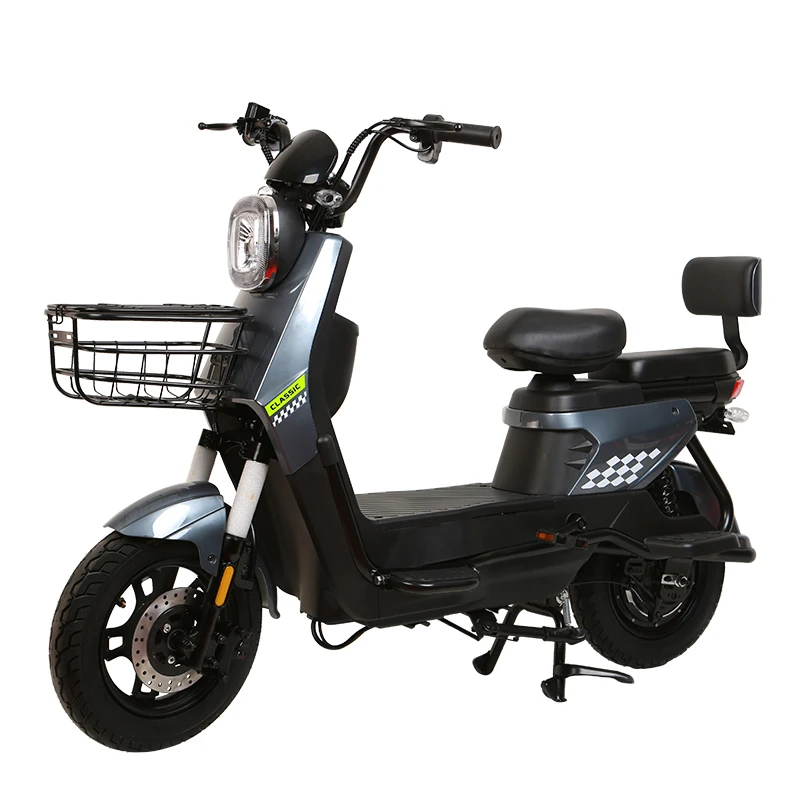
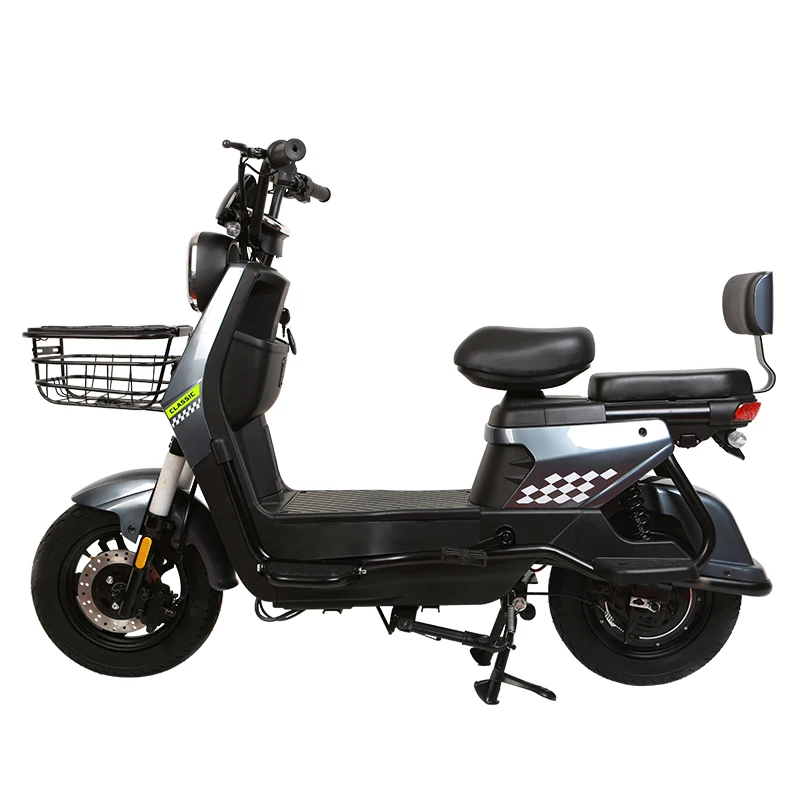
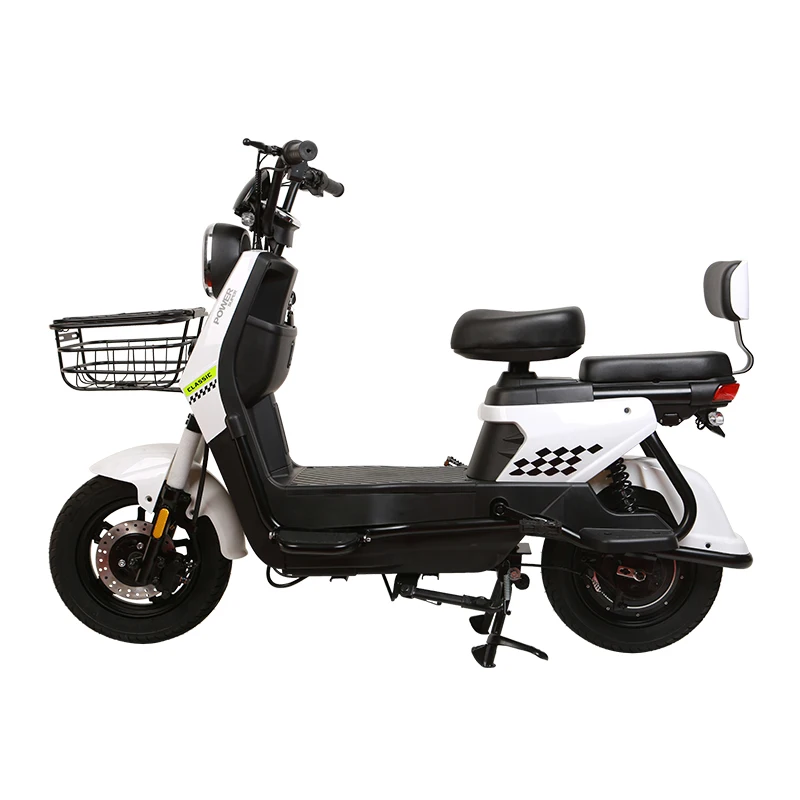
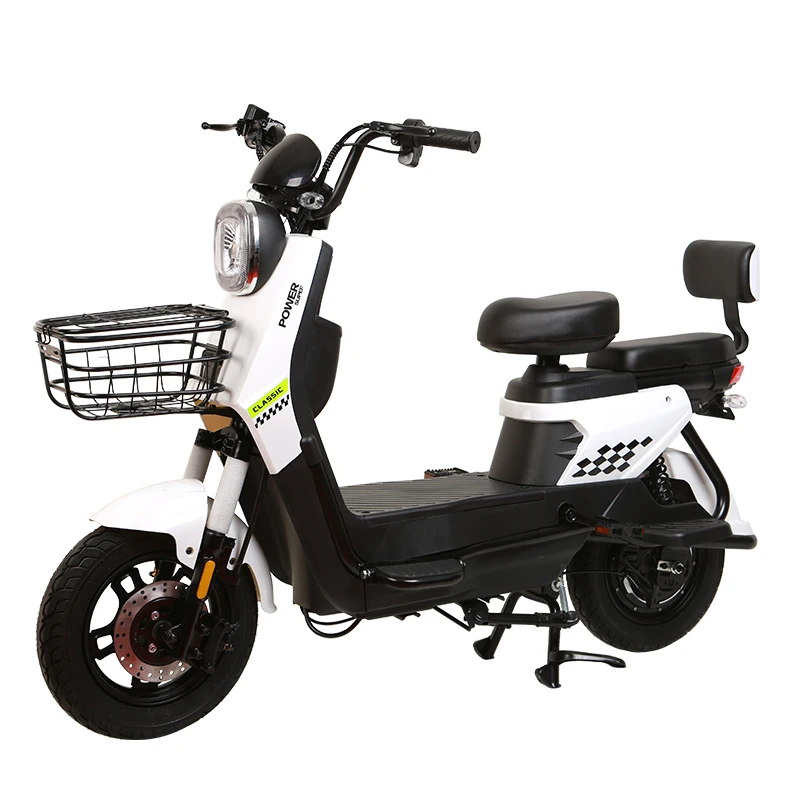
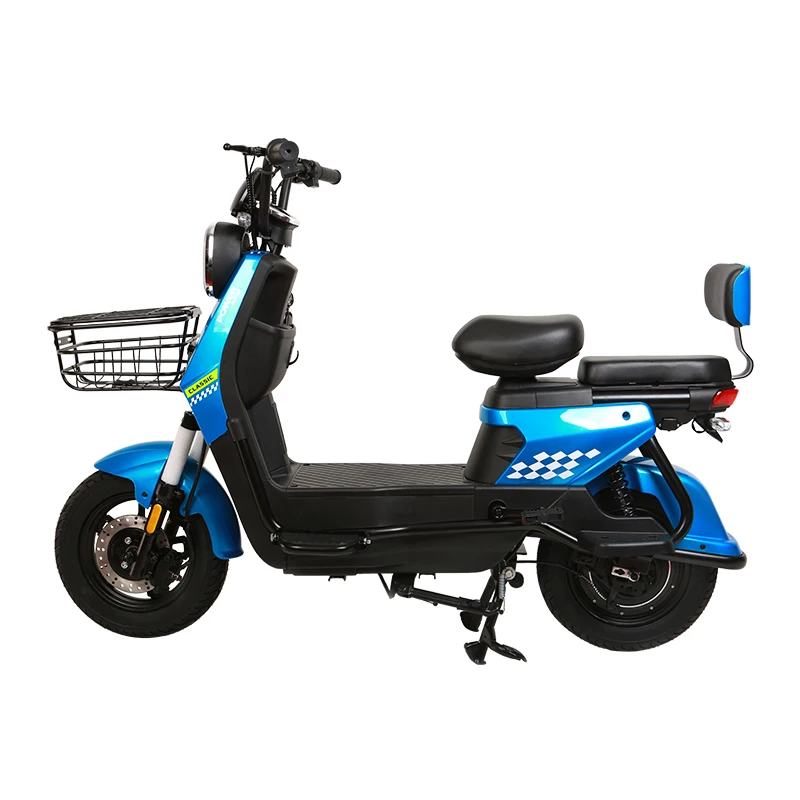
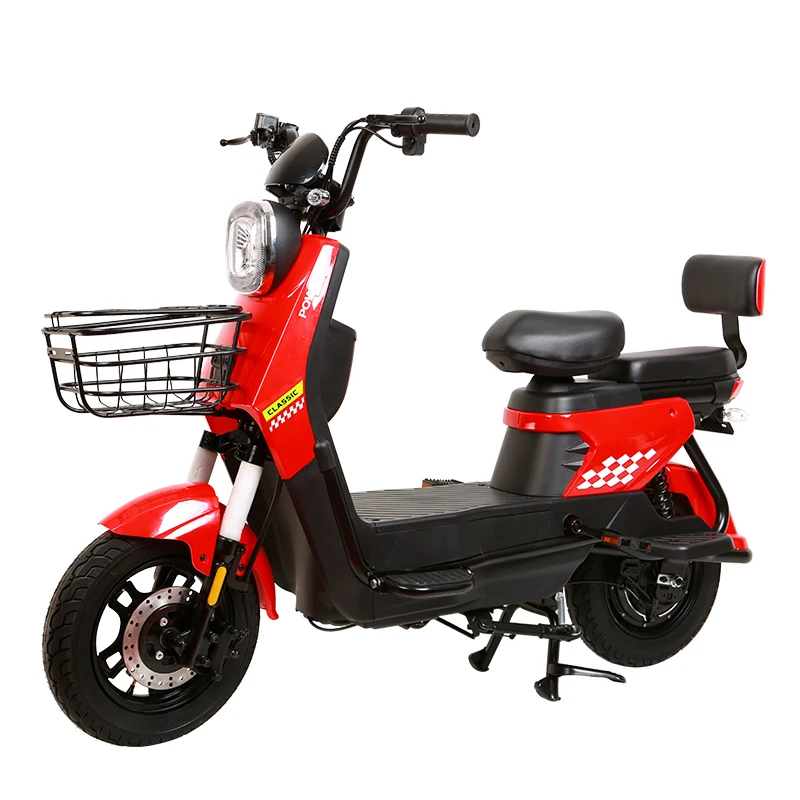
The Factory Direct Sales Electric Scooter is a high-performance urban cycling solution designed for city commuting. Equipped with a 48V motor system, this e-bike offers three power options (350W, 500W, 750W) and a 60km range, making it ideal for daily commutes, errands, or short-distance travel. Its CE-certified design ensures safety and reliability, while adjustable features like torque settings and three-speed modes cater to diverse riding needs.
| Feature | Specification | Benefit |
|---|---|---|
| Motor Power | 48V, 350W/500W/750W (adjustable) | Versatile performance for varying terrains |
| Battery Type | Lead-acid, integrated | Cost-effective, durable, and easy to maintain |
| Max Speed | 50-60 km/h | Meets urban speed limits while ensuring power |
| Torque | 30-50 Nm | Supports steep inclines and heavy loads |
| Braking System | Drum brake | Reliable stopping power with low maintenance |
| Range | 60 km per charge | Covers daily commutes without frequent recharges |
| Certification | CE Certified | Ensures safety and compliance with standards |
Adjustable parameters include motor power (350W to 750W) to match terrain demands, torque settings for hill climbing, and three-speed modes for optimal energy efficiency. The integrated lead-acid battery can be upgraded to lithium-ion for extended range (custom request).
With its sleek aluminum frame and ergonomic design, this e-bike transforms city commuting into a smooth, stress-free experience. The front basket and disc-style lighting enhance practicality and visibility, while the drum brake ensures safe stops in all conditions.
| Parameter | Base Model | Advanced Model | Pro Model |
|---|---|---|---|
| Motor Power | 350W | 500W (+43% power) | 750W (+100% power)* |
| Max Speed | 50 km/h | 55 km/h | 60 km/h |
| Torque | 30-40 Nm | 40-50 Nm | 50 Nm |
| Range | 60 km | 60 km | 60 km |
| Weight | 22 kg | 24 kg | 26 kg |
Three Technical Breakthroughs:
Optimal Version Selection:
*Pro Model’s 750W motor exceeds industry standards by 100%, enabling 20% faster acceleration than traditional 350W models.

The Product Description is generated by third-party, and Alibaba.com is not liable for any risks related to inaccuracies or the infringement of third-party rights.
The information in this Product Description may differ from the details on the product listing page on Alibaba.com. Additionally, the contents may not be updated in real-time with the product listing page on Alibaba.com, and there may be delays in reflecting the most updated information. The description on product listing page takes precedence. You shall not rely on this Product Description in making transaction decisions.
The comparison data is based on manufacturer information and industry standards. Actual results may vary depending on individual use cases. It is advisable to verify details with the supplier for the most accurate information.