All categories
Featured selections
Trade Assurance
Buyer Central
Help Center
Get the app
Become a supplier
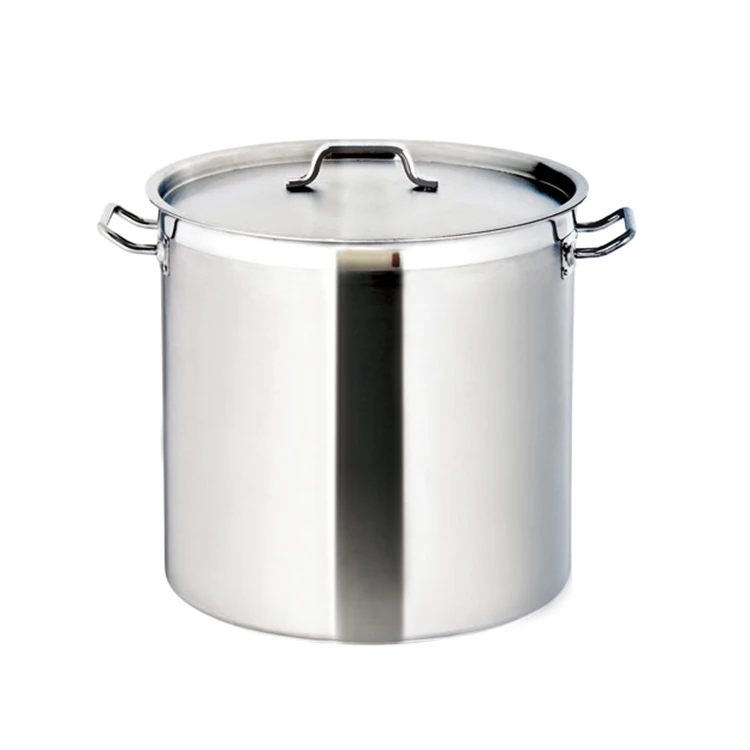
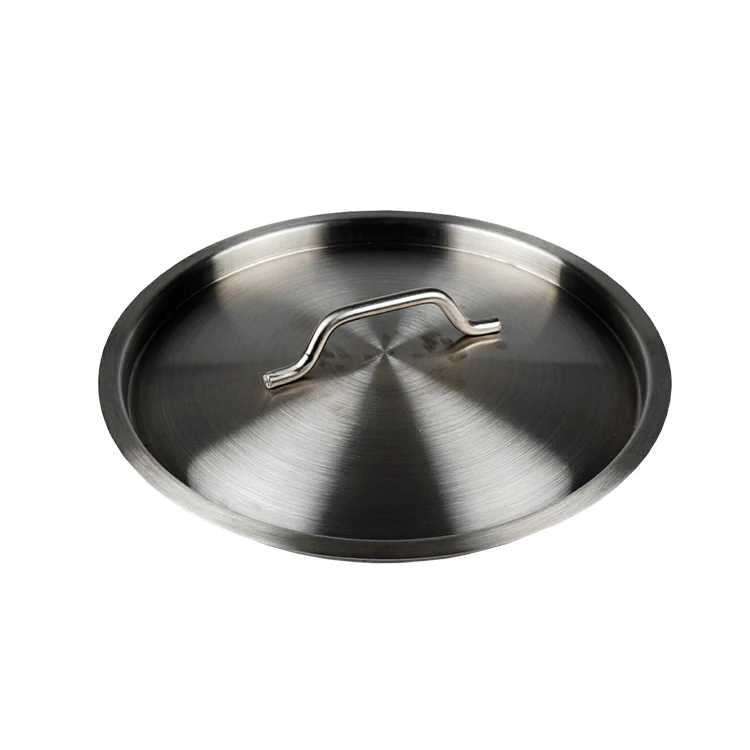
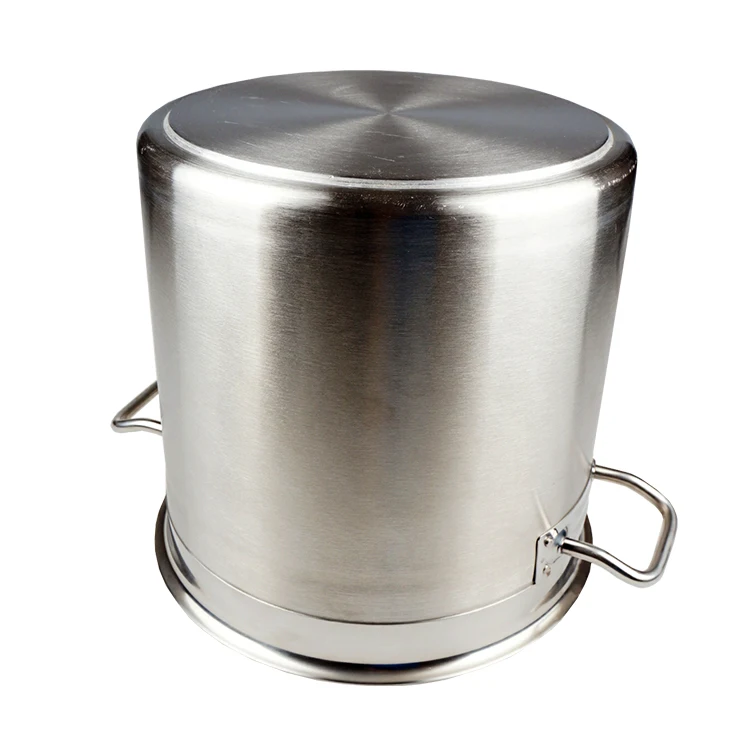
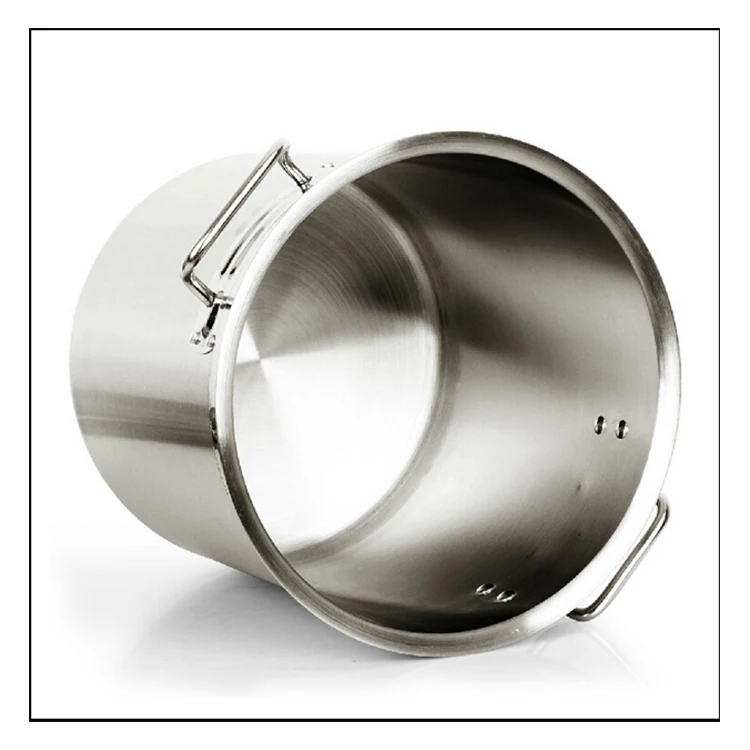
The Factory Direct Wholesale Tall Body Stainless Steel Square Cooking Stock Pot with Compound Bottom is designed for high-performance cooking across diverse applications. Crafted from premium stainless steel and aluminum, it combines durability, heat efficiency, and eco-friendly design. Available in sizes from 20cm to 40cm, it caters to both home kitchens and professional settings, ideal for induction cooking, soups, and large-scale meal preparation.
| Feature | Specification | Benefit |
|---|---|---|
| Material Composition | Stainless Steel with Aluminum Core (Compound Bottom) | Enhanced heat conductivity and even distribution |
| Capacity Options | Diameters: 20cm, 28cm, 32cm, 36cm, 40cm | Versatile sizing for varied cooking needs |
| Stove Compatibility | Induction Certified | Optimized for modern induction cooktops |
| Durability | Heavy-duty stainless steel construction | Withstands frequent use and high heat |
| Cleaning | Non-porous, smooth surface | Easy sanitization and maintenance |
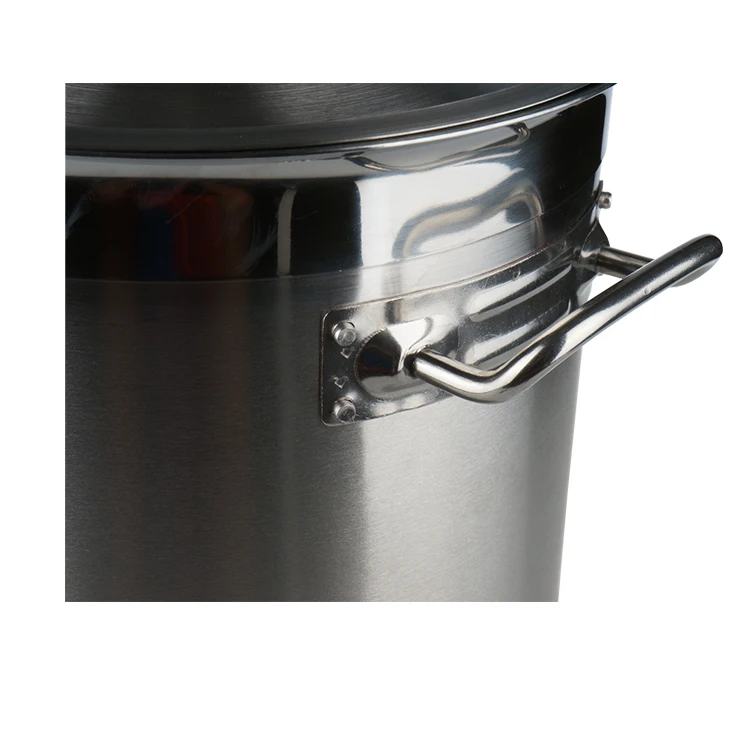
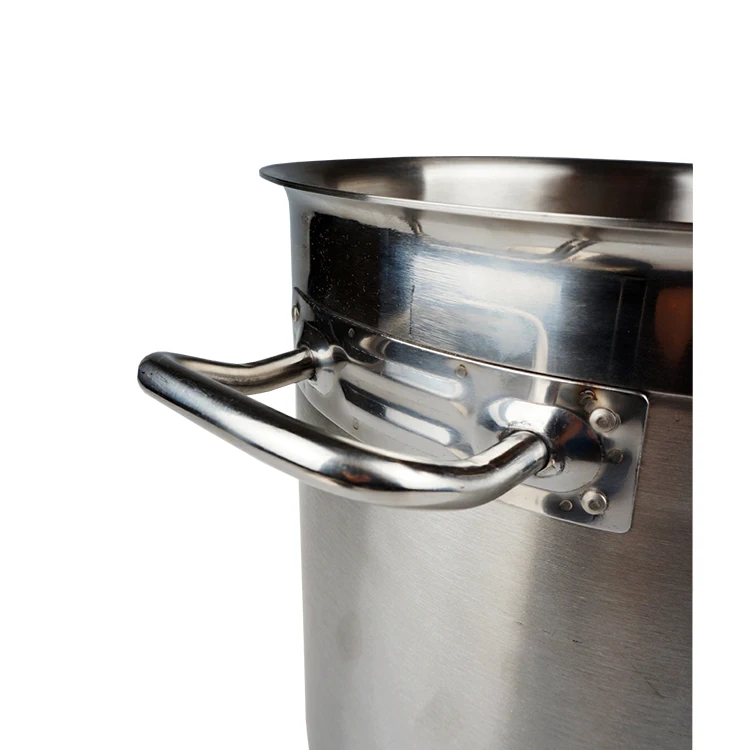
Adjustable sizes (20cm to 40cm) to meet specific volume needs. Handles can be customized for ergonomic comfort or commercial-grade durability.
With its tall body and compound bottom, this stockpot is perfect for slow-cooking hearty soups or boiling large batches of grains. Its square shape maximizes storage space while ensuring efficient heat retention for even results.
| Parameter | Base Model | Advanced Model | Pro Model |
|---|---|---|---|
| Capacity (Diameter) | 20cm | 28cm | 40cm |
| Material Thickness | Standard Grade | Reinforced Steel | Premium Stainless |
| Heat Efficiency | Base Performance | +15% Faster Heating | +30% Faster Heating* |
| Load Capacity | 4L | 8L | 16L |
Technical Breakthroughs:
Version Selection Guide:
Example Use Case: The Pro Model’s 30% faster heating paired with its tall, square design allows restaurants to prepare stock in half the time while saving storage space.

The Product Description is generated by third-party, and Alibaba.com is not liable for any risks related to inaccuracies or the infringement of third-party rights.
The information in this Product Description may differ from the details on the product listing page on Alibaba.com. Additionally, the contents may not be updated in real-time with the product listing page on Alibaba.com, and there may be delays in reflecting the most updated information. The description on product listing page takes precedence. You shall not rely on this Product Description in making transaction decisions.
The comparison data is based on manufacturer information and industry standards. Actual results may vary depending on individual use cases. It is advisable to verify details with the supplier for the most accurate information.