All categories
Featured selections
Trade Assurance
Buyer Central
Help Center
Get the app
Become a supplier

Customization:
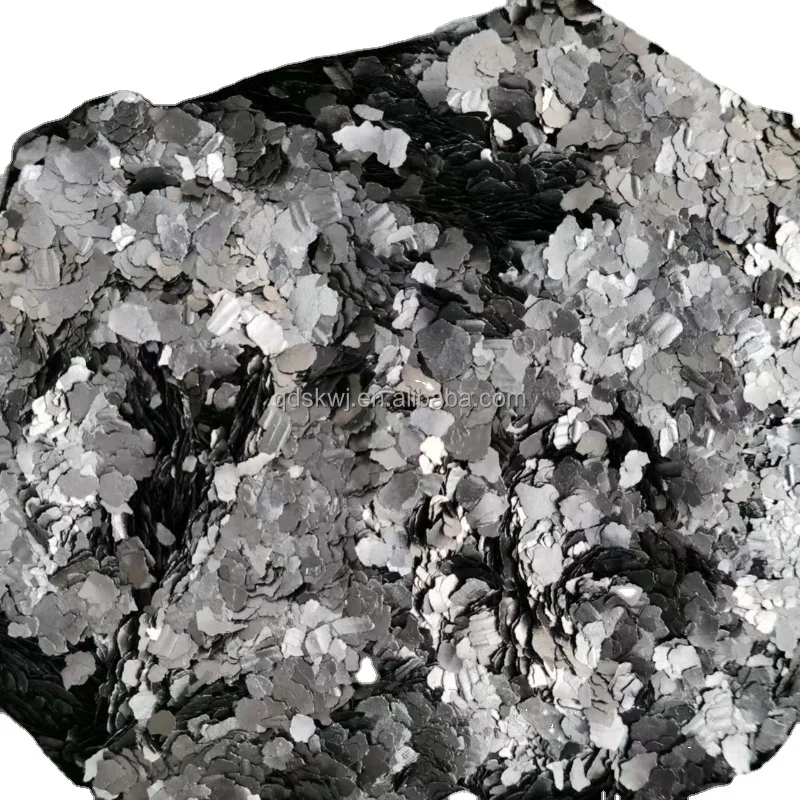
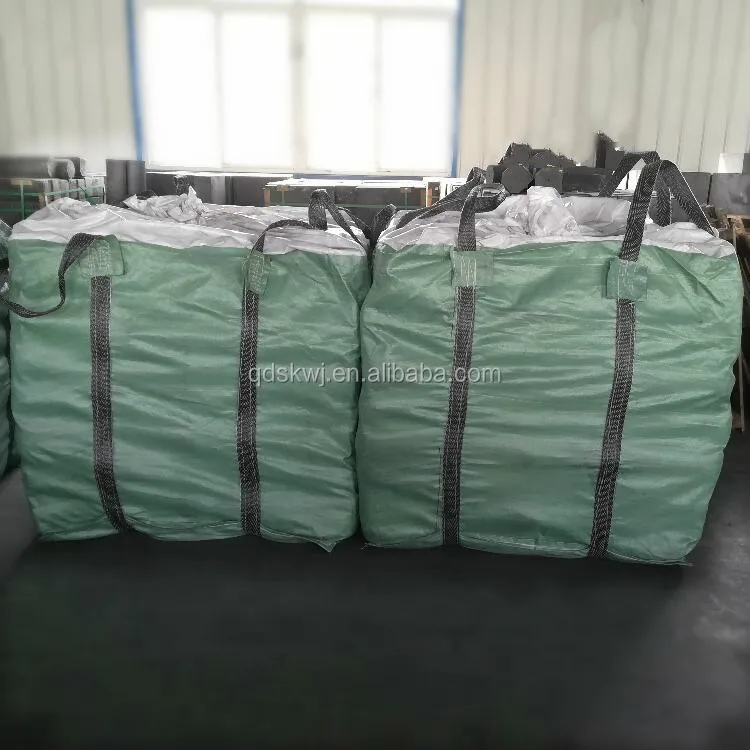
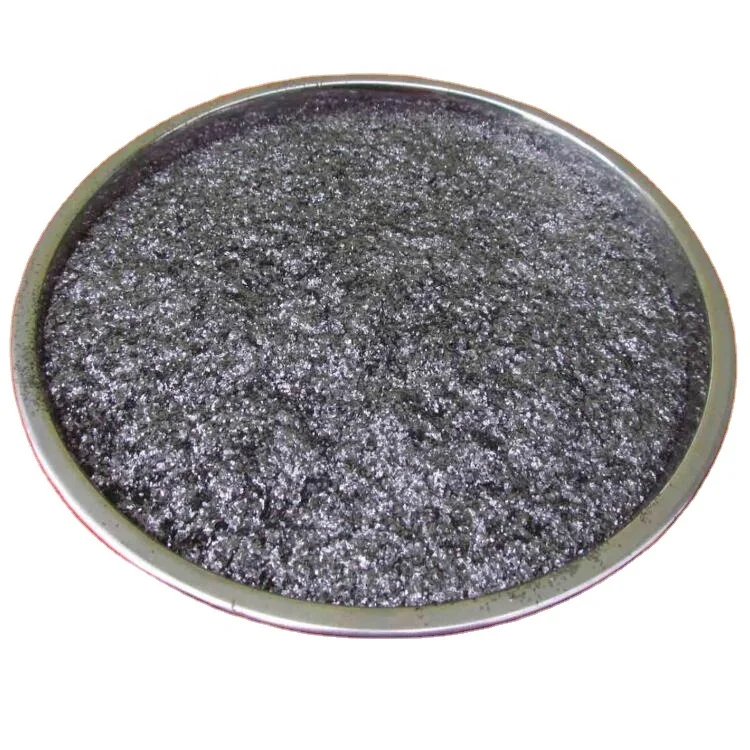
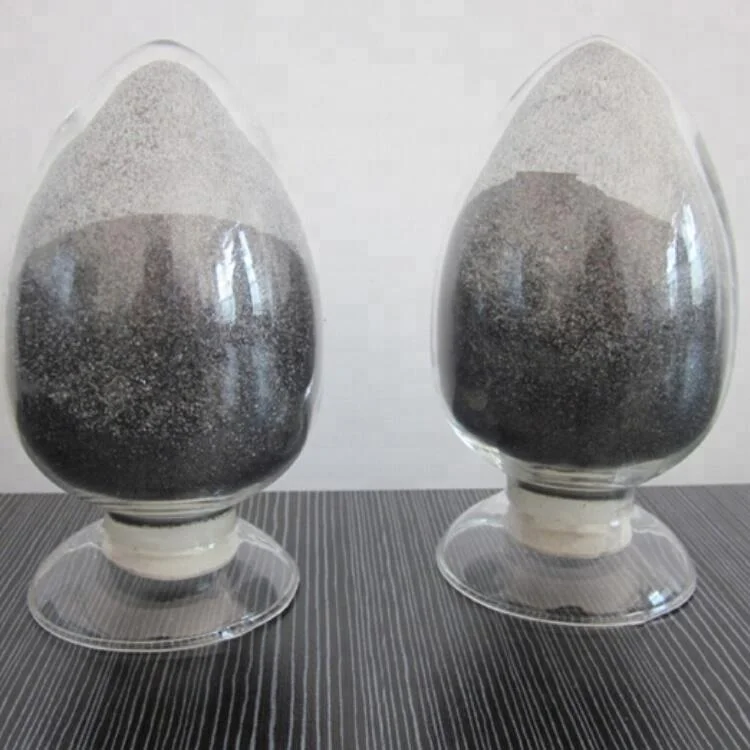
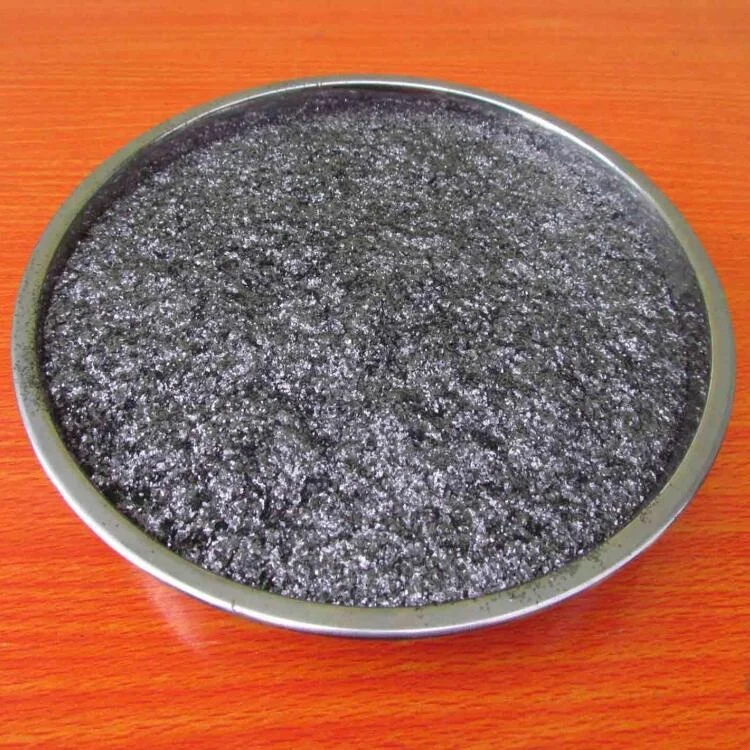
Fine Grain Colloidal Graphite Powder is a high-carbon, natural graphite product engineered for precision industrial applications. Its ultra-fine particle size and superior conductivity make it ideal for demanding environments, while its natural composition ensures eco-friendly recyclability.
| Feature | Specification | Benefit |
|---|---|---|
| Carbon Content | 99.9%+ high-purity natural graphite | Ensures exceptional thermal and electrical conductivity |
| Particle Size | 1-5 microns (colloidal dispersion) | Enables uniform application in coatings and composites |
| Conductivity | 150-200 S/cm (ISO 1702:2015) | Outperforms standard graphite in high-current applications |
| Moisture Resistance | <0.1% (ASTM D873) | Maintains stability in humid industrial settings |
| Application | Industrial lubrication, electrodes | With fine grain, you can achieve precise dispersion in high-precision machinery |
Adjustable particle size distribution (1-10 microns) and dispersibility parameters to meet specific viscosity or conductivity requirements for specialized coatings, battery anodes, or thermal management systems.
Leverage the powder’s colloidal properties to create advanced lubricants for machinery, high-performance electrodes for energy storage, or conductive inks for printed circuitry.
| Parameter | Base Model | Advanced Model | Pro Model |
|---|---|---|---|
| Particle Size (µm) | 3-5 | 1-3 | 0.5-1.5 |
| Carbon Purity | 99.5% | 99.8% | 99.95% |
| Conductivity | 150 S/cm | 180 S/cm (+20%) | 220 S/cm (+46.7%)* |
| Dispersibility | Standard | Enhanced | Ultra-stable |
Technical Breakthroughs:
Version Selection Guidance:
With the Pro Model’s 99.95% purity, you can achieve unmatched performance in fuel cell electrodes. Pair its nanoscale particles with its low moisture absorption to ensure durability in humid industrial environments.

The Product Description is generated by third-party, and Alibaba.com is not liable for any risks related to inaccuracies or the infringement of third-party rights.
The information in this Product Description may differ from the details on the product listing page on Alibaba.com. Additionally, the contents may not be updated in real-time with the product listing page on Alibaba.com, and there may be delays in reflecting the most updated information. The description on product listing page takes precedence. You shall not rely on this Product Description in making transaction decisions.
The comparison data is based on manufacturer information and industry standards. Actual results may vary depending on individual use cases. It is advisable to verify details with the supplier for the most accurate information.