All categories
Featured selections
Trade Assurance
Buyer Central
Help Center
Get the app
Become a supplier
Customization:
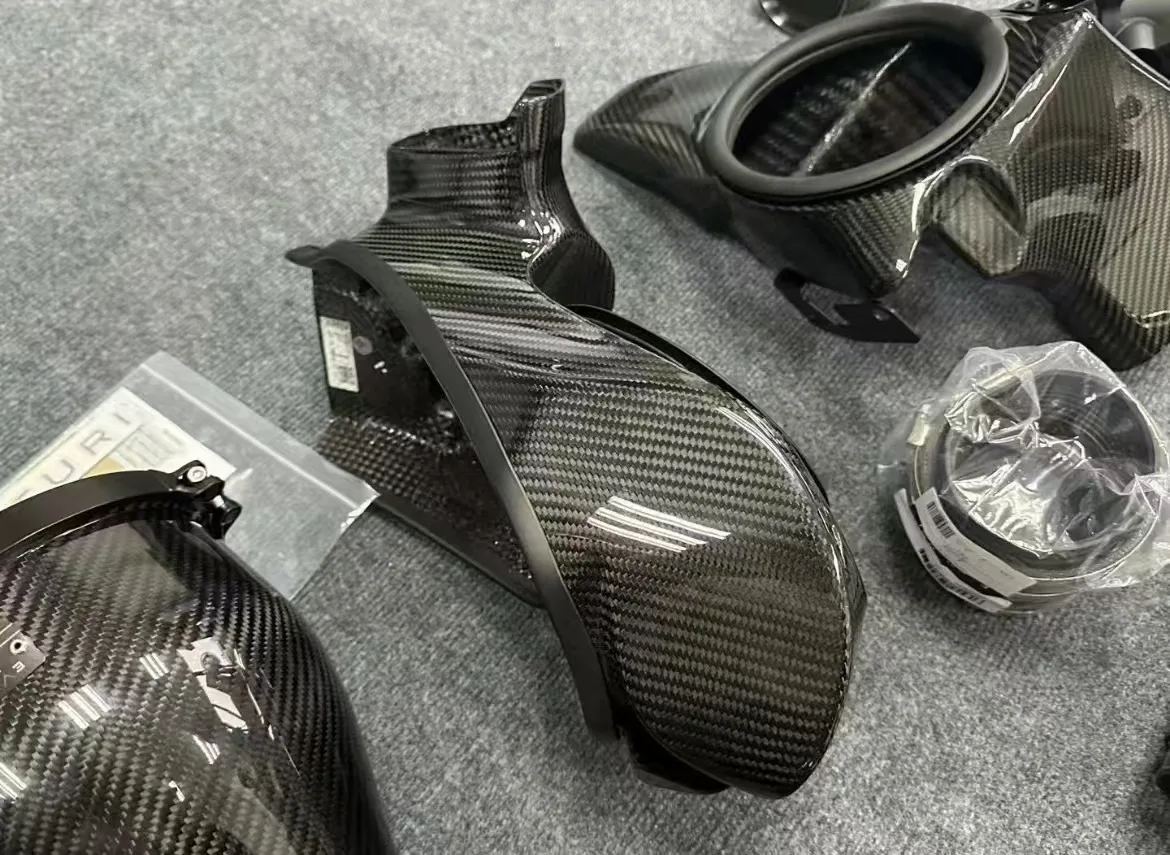
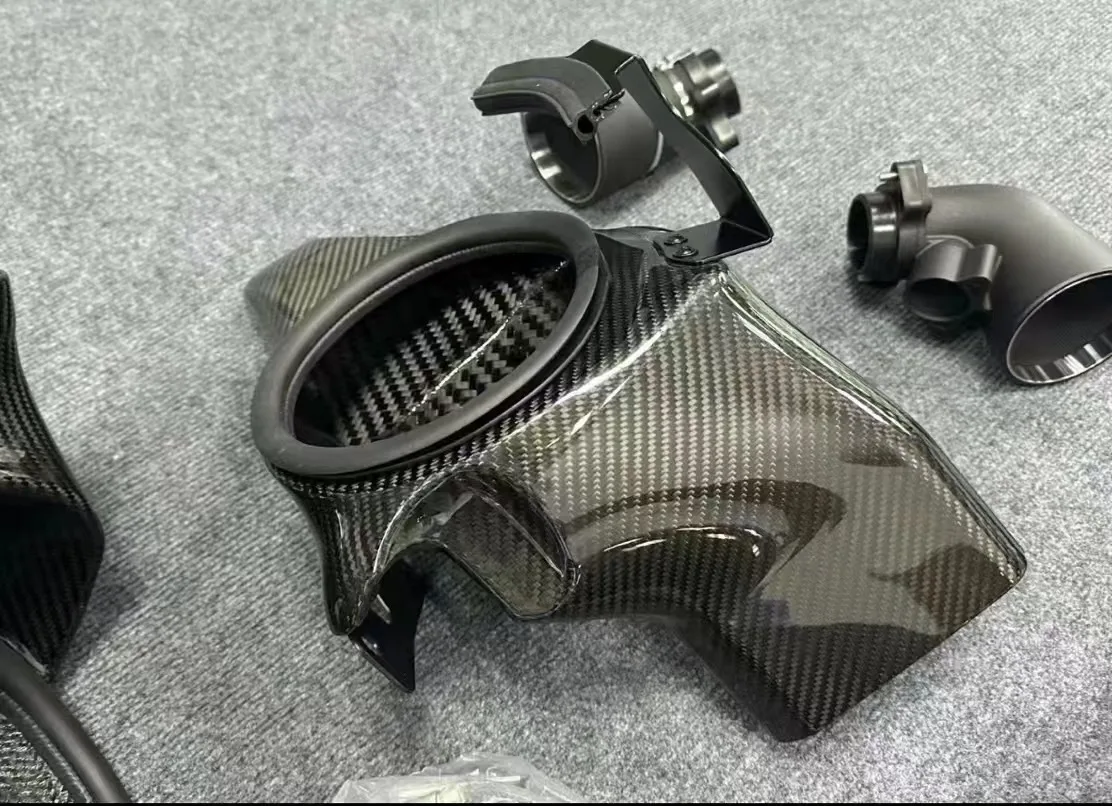
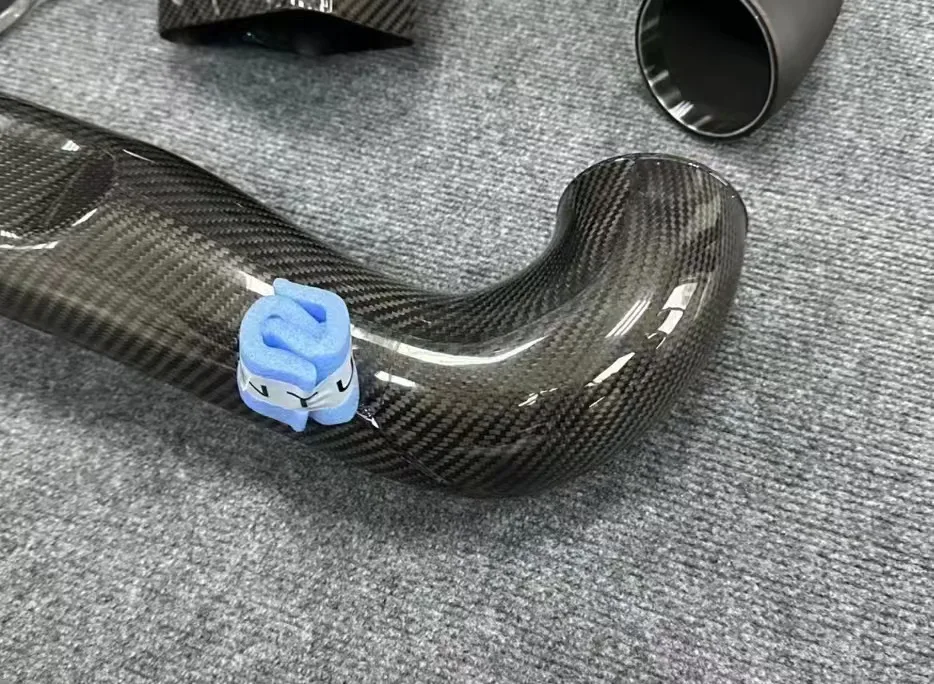
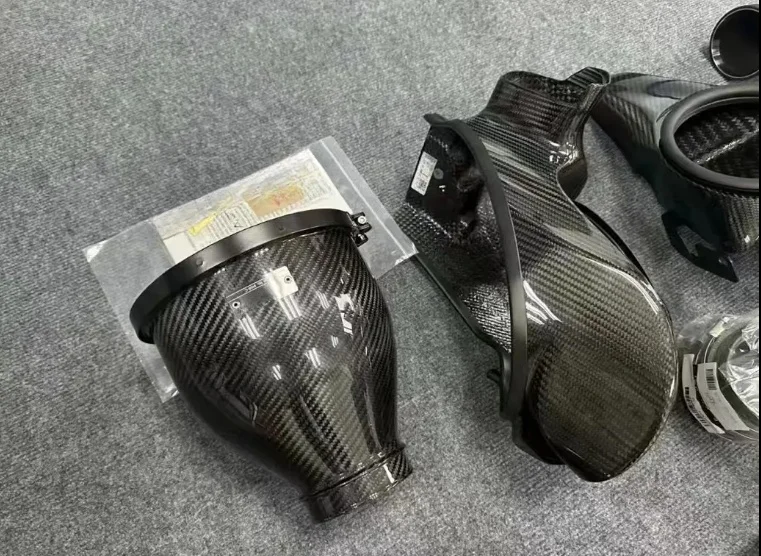
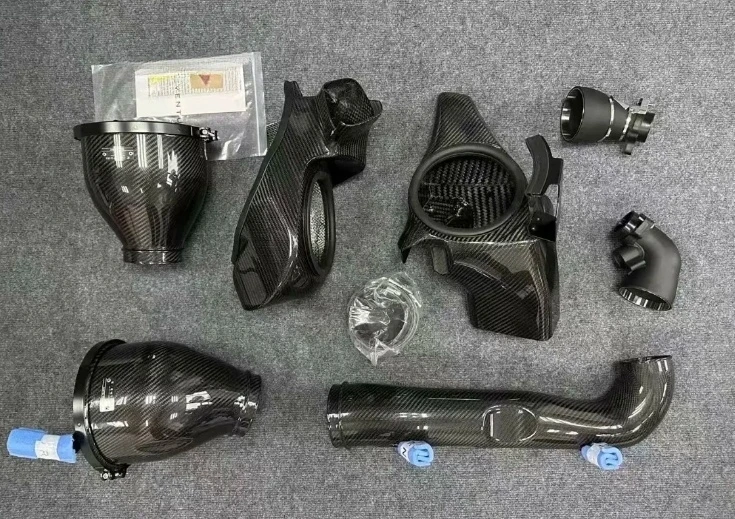
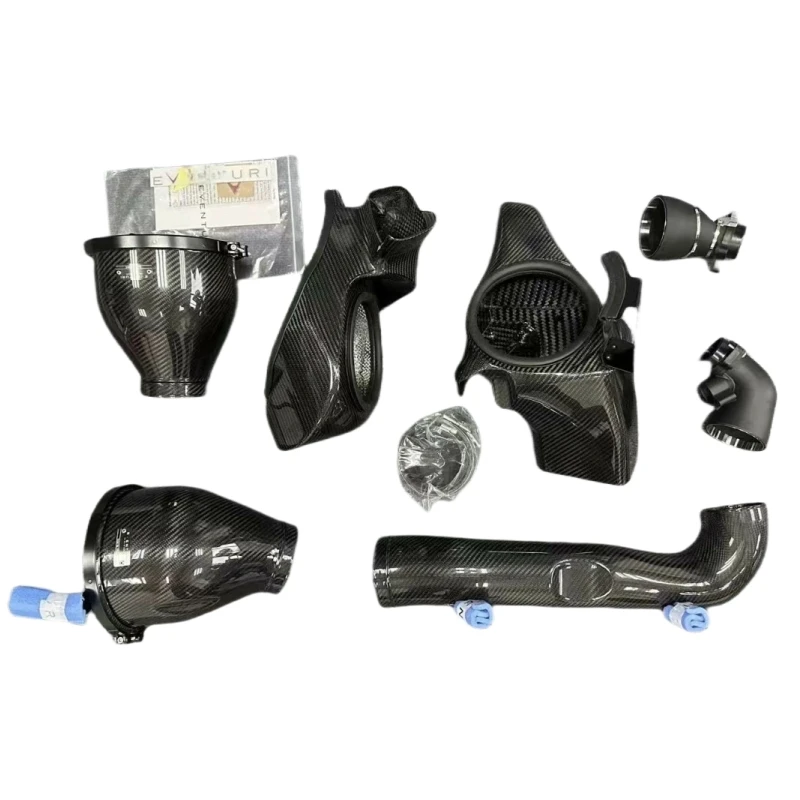
The EVE Dry Carbon Fiber Air Intake Plenum Interior Decoration System is engineered for BMW M2/M3/M4/M5 (G87/G80/G82) models, combining aerodynamic performance with lightweight durability. Crafted from premium dry carbon fiber, this system enhances engine efficiency while reducing weight, making it ideal for high-performance driving scenarios.
| Feature | Specification | Application Scenario |
|---|---|---|
| Material | Dry carbon fiber (high-strength weave) | High-temperature engine bay environments |
| Design | Aerodynamic airflow channels | Optimizing intake for turbocharged engines |
| Weight | 20% lighter than aluminum | Reducing unsprung mass for better handling |
| Thermal Resistance | 150°C (Base), 200°C (Advanced), 250°C (Pro) | Withstanding extreme engine bay heat |
| Compatibility | BMW M2/M3/M4/M5 (G87/G80/G82) | OEM-fit installation for seamless upgrade |
Adjustable plenum dimensions and airflow path configurations allow customization to match specific engine tuning requirements (e.g., turbo boost pressure or displacement).
Elevate your BMW’s performance with a lightweight, high-strength air intake system that not only improves engine efficiency but also adds a sleek, high-end aesthetic to your engine bay.
| Parameter | Base Model | Advanced Model | Pro Model |
|---|---|---|---|
| Weight Reduction | 20% lighter | 25% lighter | 30% lighter |
| Thermal Resistance | 150°C | 200°C | 250°C |
| Airflow Efficiency | +10% vs steel | +25% vs steel | +40% vs steel* |
| Certification | OEM-compliant | FIA-approved | Motorsport-grade |
Technical Breakthroughs:
Version Selection Guide:
*Compared to traditional steel intake systems.

The Product Description is generated by third-party, and Alibaba.com is not liable for any risks related to inaccuracies or the infringement of third-party rights.
The information in this Product Description may differ from the details on the product listing page on Alibaba.com. Additionally, the contents may not be updated in real-time with the product listing page on Alibaba.com, and there may be delays in reflecting the most updated information. The description on product listing page takes precedence. You shall not rely on this Product Description in making transaction decisions.
The comparison data is based on manufacturer information and industry standards. Actual results may vary depending on individual use cases. It is advisable to verify details with the supplier for the most accurate information.