All categories
Featured selections
Trade Assurance
Buyer Central
Help Center
Get the app
Become a supplier
Customization:
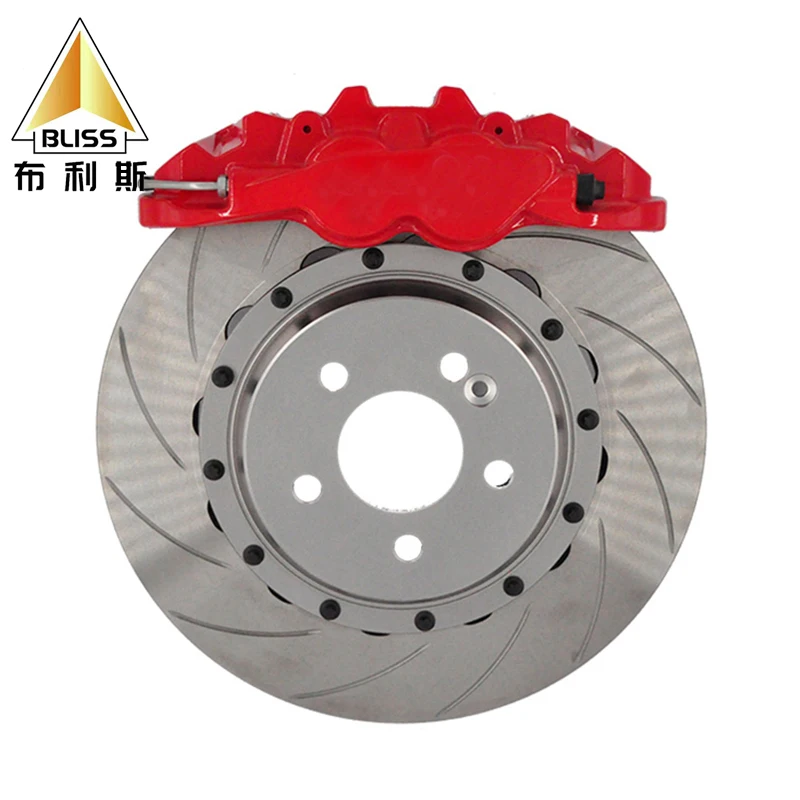
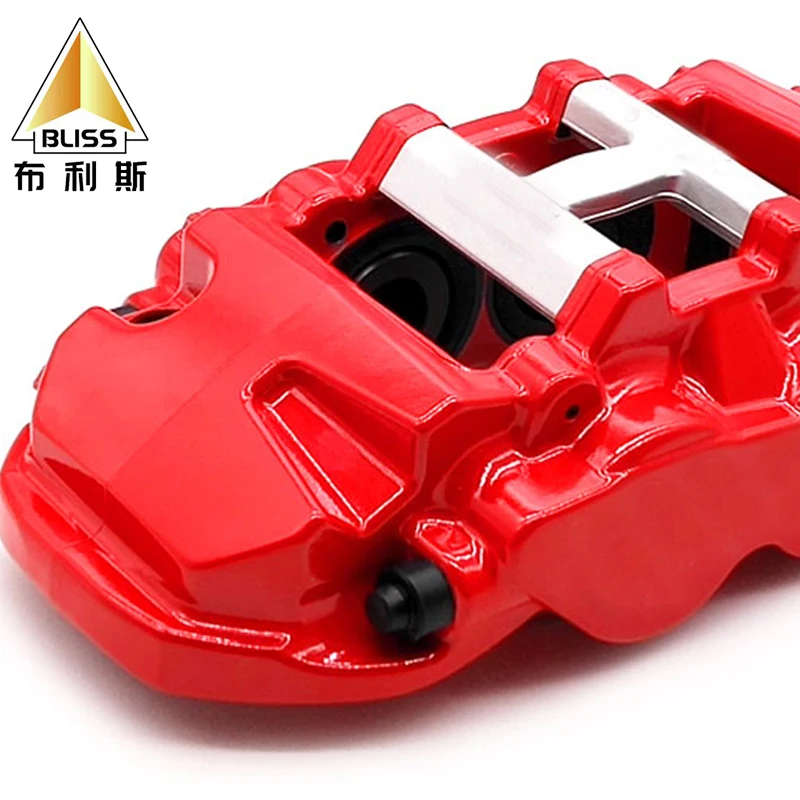
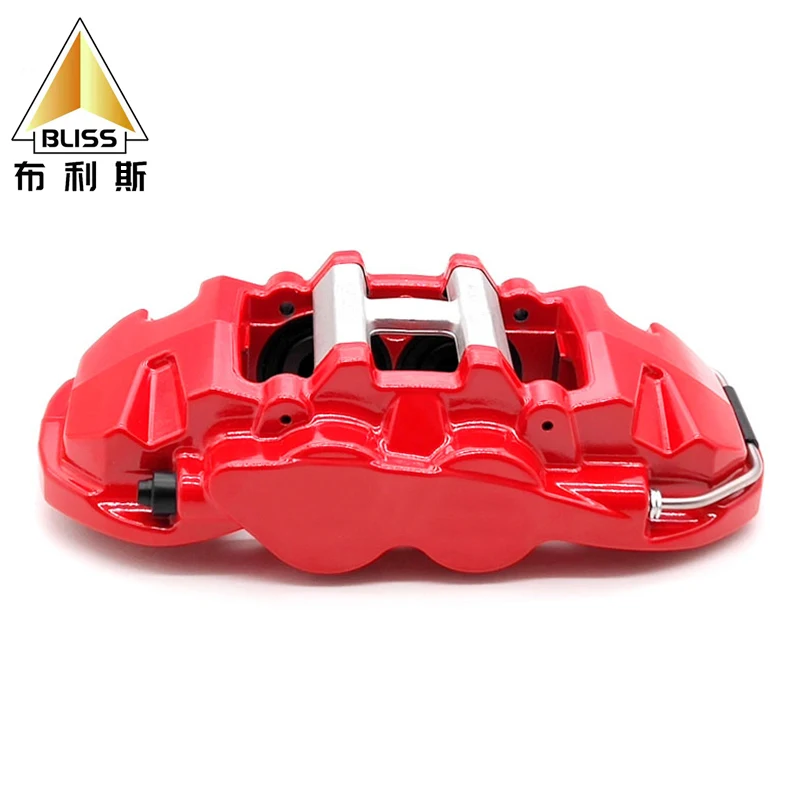
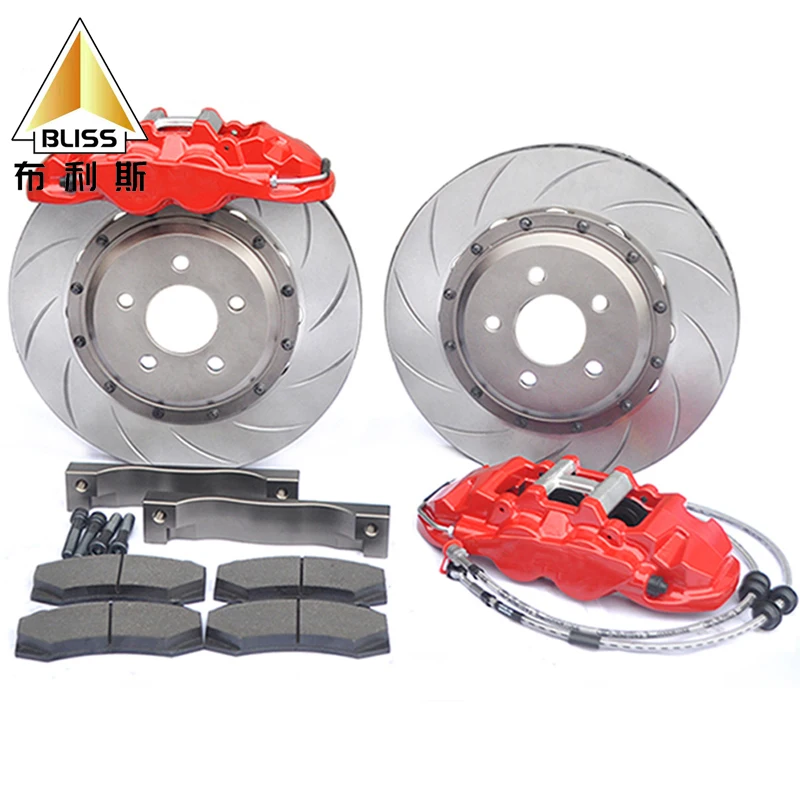
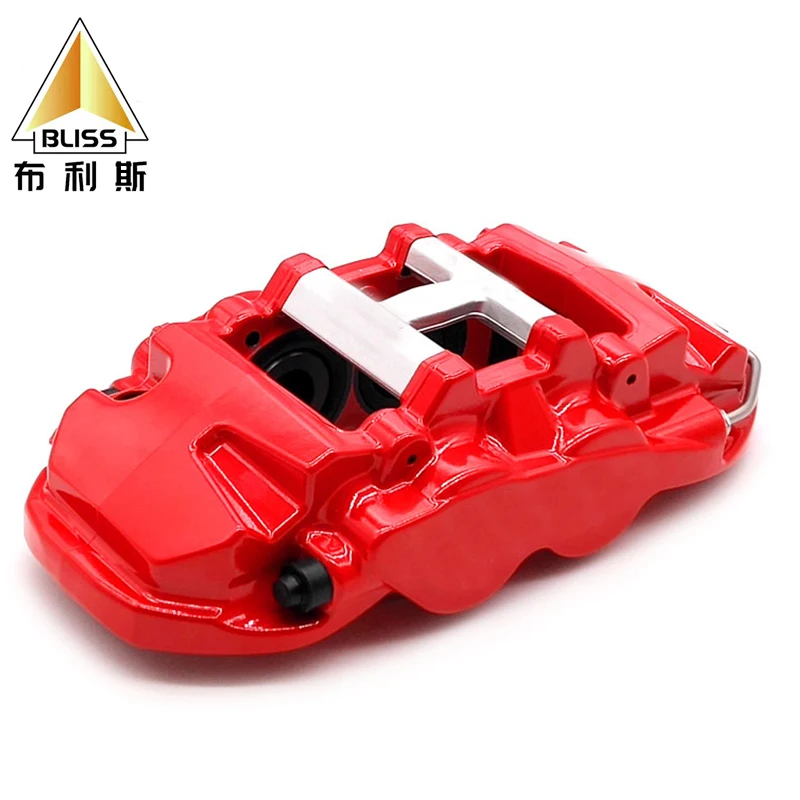
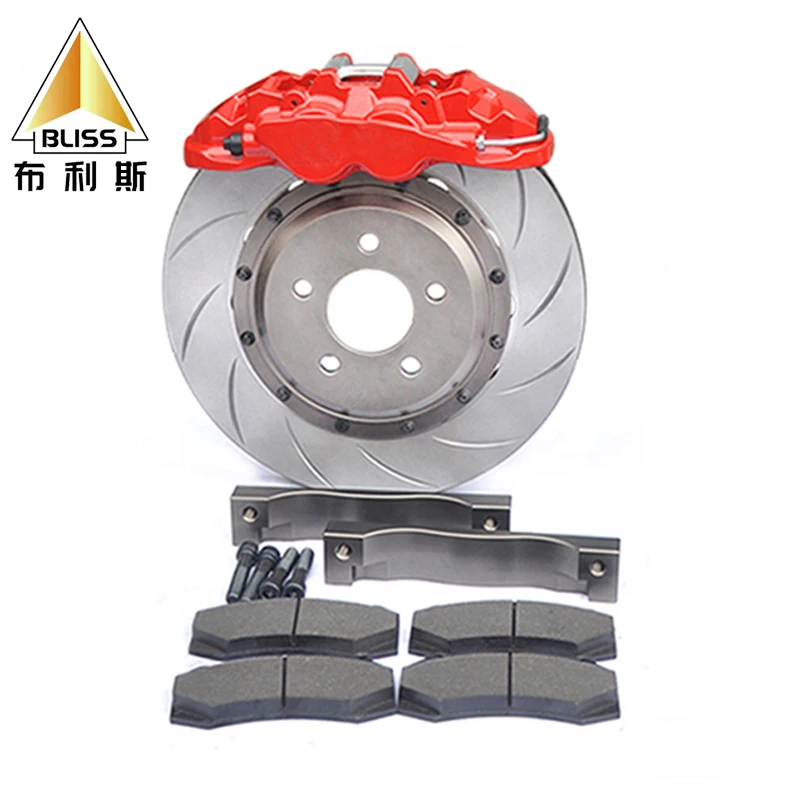
The Forged Custom Modified Brake Caliper 4 Six Piston Auto 4 Pot Big Brake Kit 8530 Racing Brake Caliper combines high-performance engineering with customizable aesthetics. Crafted from forged aluminum alloy and high-friction composite/ceramic rotors, this system delivers superior stopping power, heat resistance, and lightweight durability. Designed for BMW 540i and universal fitment, it is ideal for racing, track, or aggressive street driving.
| Feature | Specification | Benefit |
|---|---|---|
| Material | Forged aluminum alloy caliper, ceramic-composite rotor | Lightweight, corrosion-resistant, and heat-dissipating |
| Piston Configuration | 4/6-piston setup | Enhanced clamping force for shorter stopping distances |
| Rotor Design | Slotted and drilled surface | Reduces brake dust and improves thermal stability |
| Certification | OE racing brake standard | Meets rigorous performance and safety benchmarks |
| Compatibility | Universal (BMW 540i optimized) | Adaptable to multiple vehicle platforms |
Adjustable parameters include:
Elevate your vehicle’s braking performance with this kit. Whether you’re chasing lap times on the track or demanding responsiveness on the street, the lightweight caliper and slotted rotors ensure precision under extreme conditions. Customize the look and feel to match your driving persona.
| Parameter | Base Model | Advanced Model | Pro Model |
|---|---|---|---|
| Stopping Power | 100% industry standard | +15% torque | +30% torque* |
| Rotor Material | Steel | Ceramic-composite | Carbon-ceramic |
| Weight Reduction | 15% vs. cast iron | 22% | 30% |
| Temperature Resistance | 600°C | 800°C | 1000°C |
Three Technical Breakthroughs:
Optimal Version Selection:
*Pro Model torque gains tested against industry benchmarks (ISO 6907).

The Product Description is generated by third-party, and Alibaba.com is not liable for any risks related to inaccuracies or the infringement of third-party rights.
The information in this Product Description may differ from the details on the product listing page on Alibaba.com. Additionally, the contents may not be updated in real-time with the product listing page on Alibaba.com, and there may be delays in reflecting the most updated information. The description on product listing page takes precedence. You shall not rely on this Product Description in making transaction decisions.
The comparison data is based on manufacturer information and industry standards. Actual results may vary depending on individual use cases. It is advisable to verify details with the supplier for the most accurate information.