All categories
Featured selections
Trade Assurance
Buyer Central
Help Center
Get the app
Become a supplier
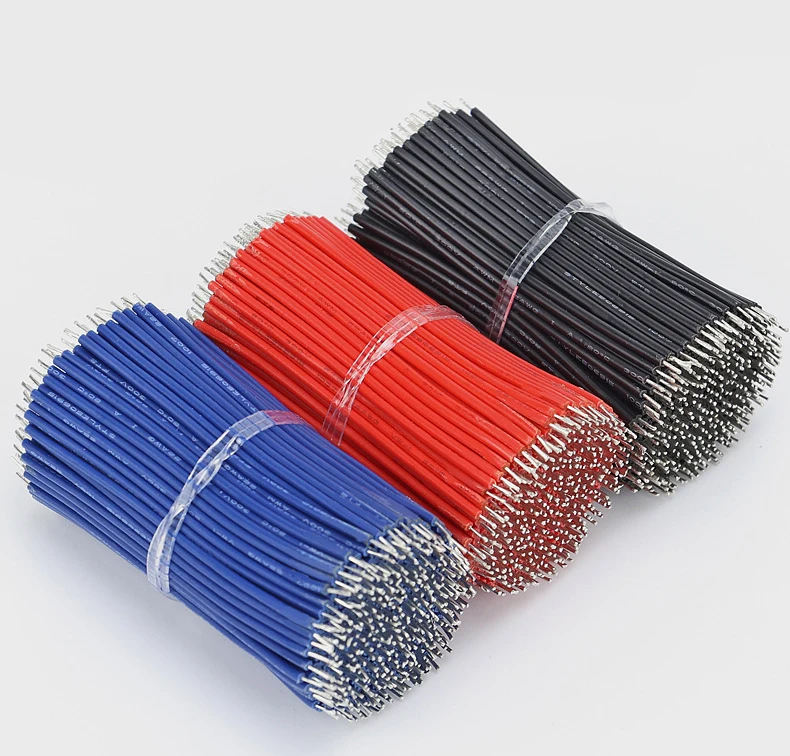
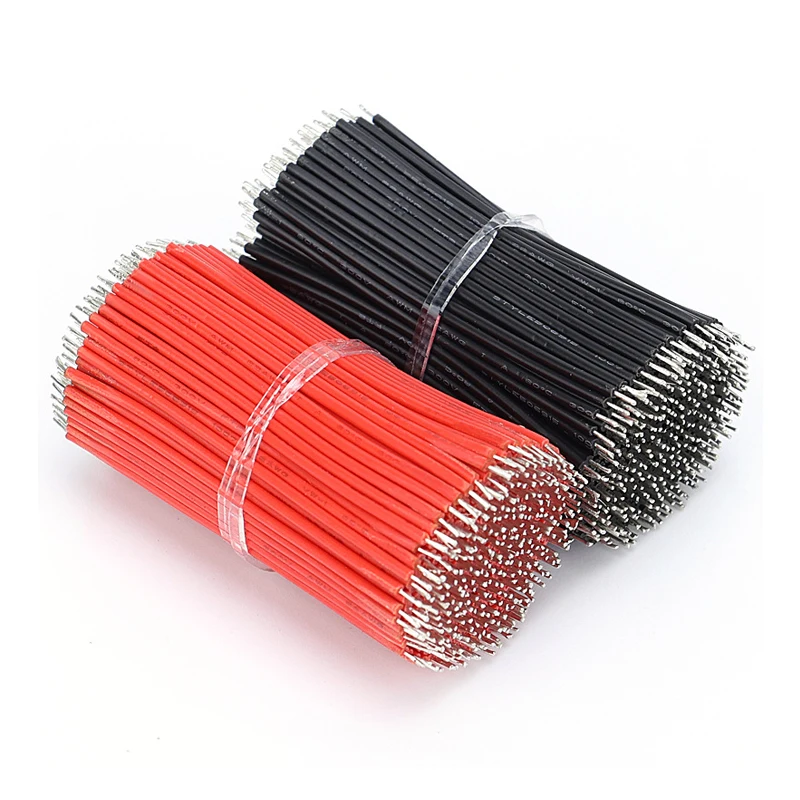
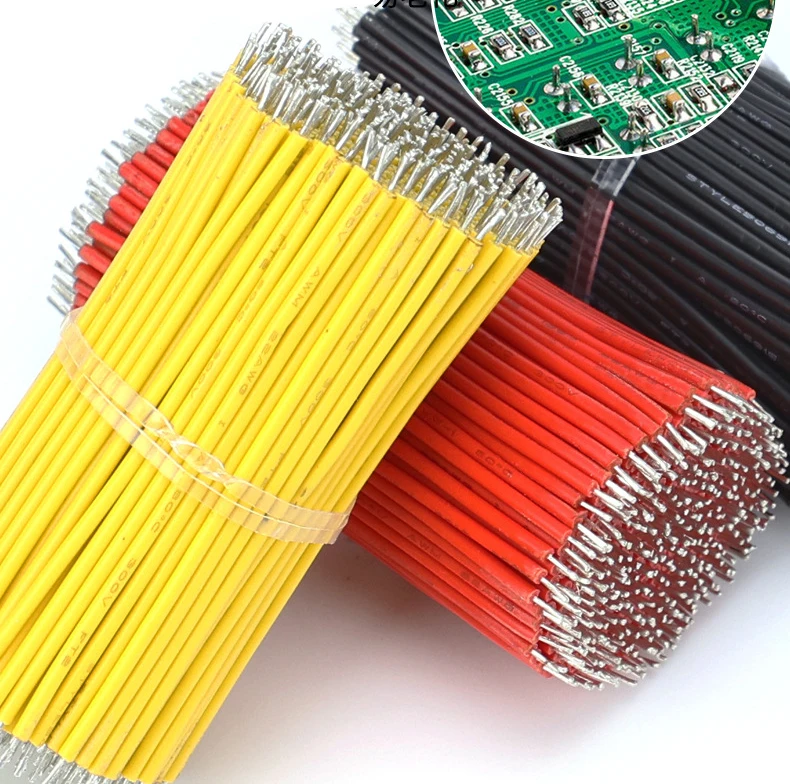
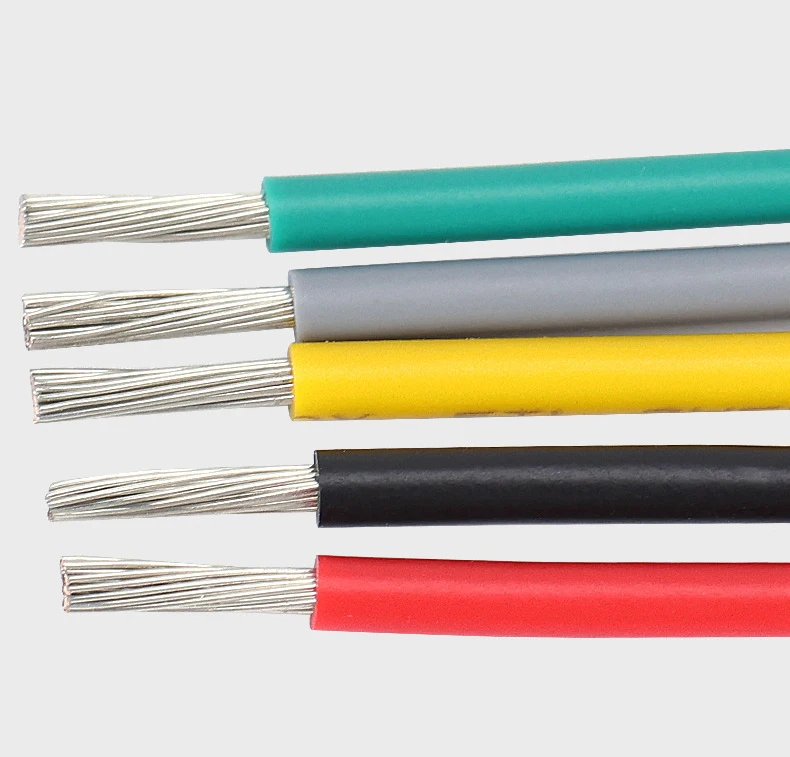
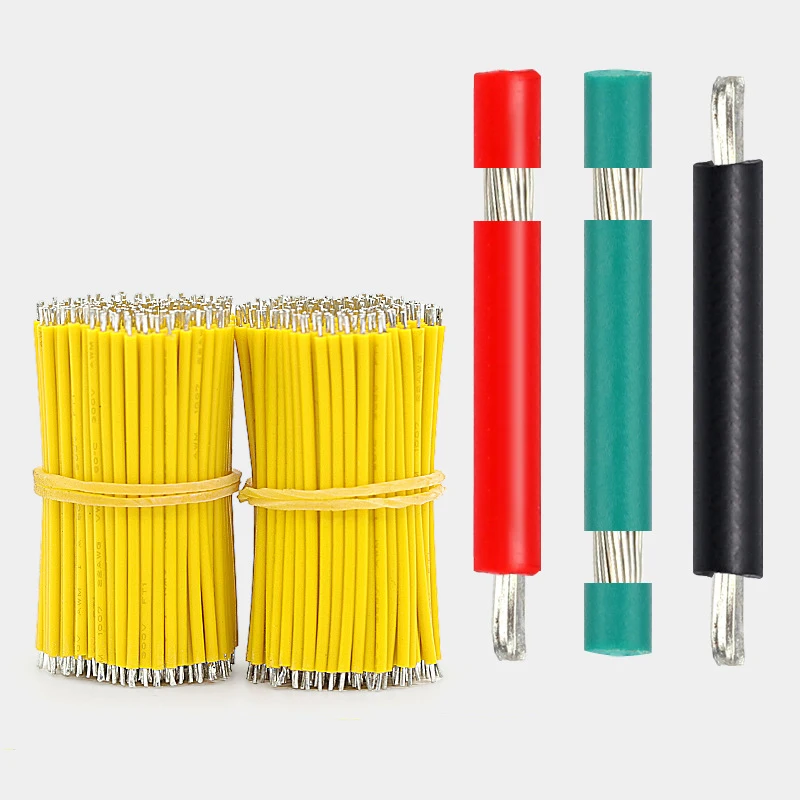
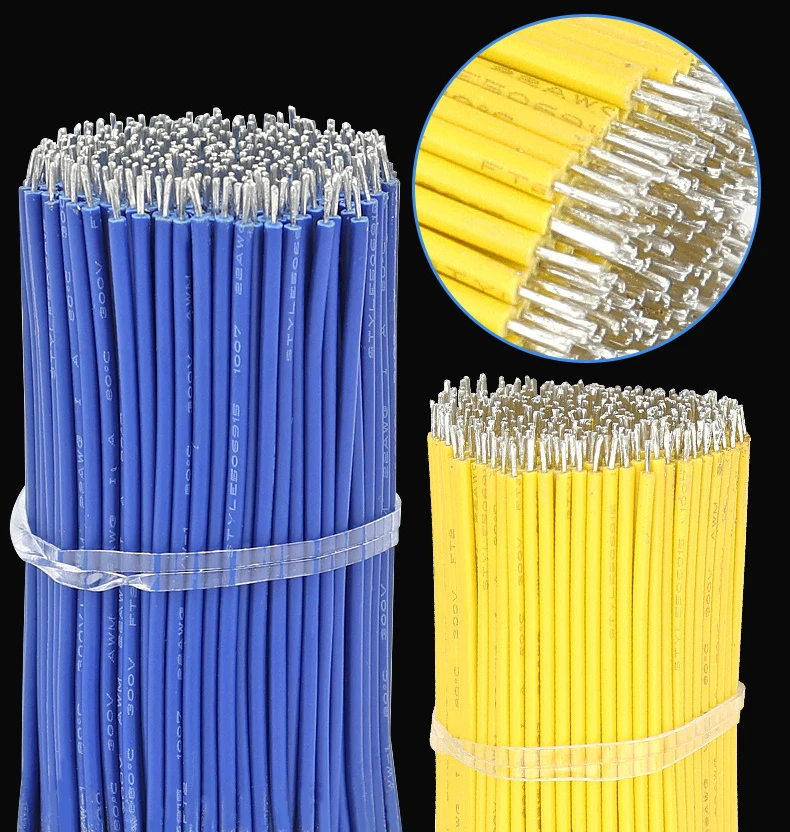
The Free Sample PVC 1007 Electrical Precut Wire Jumpers are precision-engineered for efficiency and reliability. Featuring color-coded, pre-cut tinned copper cables in 20-26AWG gauges, these wires are bundled with reusable plastic ties for organized storage and deployment. Ideal for power and cable applications, they combine corrosion-resistant tinning with durable PVC insulation for long-term performance in demanding environments.
| Feature | Specification | Application Scenario |
|---|---|---|
| Conductor Material | Tinned Copper (both ends tin-plated) | Enhanced corrosion resistance in harsh environments |
| Insulation | PVC (1007 grade) | Safe, flexible insulation for electrical projects |
| AWG Gauges | 20, 22, 24, 26 (pre-cut lengths) | Versatile use in electronics, circuit boards, and wiring harnesses |
| Color Coding | Blue, Red, Black (standard) | Quick identification in multi-wire setups (e.g., voltage differentiation) |
| Bundling System | Clear plastic ties (reusable) | Neat organization during storage and installation |
Adjustable parameters include:
These wires are perfect for DIY electronics, robotics, automotive repairs, and industrial wiring. With pre-cut lengths and color-coded clarity, they simplify complex projects while ensuring compliance with safety standards.
| Parameter | Base Model | Advanced Model | Pro Model |
|---|---|---|---|
| AWG Range | 24-26 (standard) | 22-26 (extended) | 20-26 (full range) |
| Insulation Thickness | 0.2mm (base) | 0.3mm (+50% durability) | 0.4mm (+100% heat resistance)* |
| Tinning Quality | Standard (5µm) | Enhanced (10µm) | Premium (15µm)* |
Three Technical Breakthroughs:
Version Selection Guidance:
*Pro Model’s 0.4mm insulation meets IEC 60245 Class 5 standards for extreme environments.

The Product Description is generated by third-party, and Alibaba.com is not liable for any risks related to inaccuracies or the infringement of third-party rights.
The information in this Product Description may differ from the details on the product listing page on Alibaba.com. Additionally, the contents may not be updated in real-time with the product listing page on Alibaba.com, and there may be delays in reflecting the most updated information. The description on product listing page takes precedence. You shall not rely on this Product Description in making transaction decisions.
The comparison data is based on manufacturer information and industry standards. Actual results may vary depending on individual use cases. It is advisable to verify details with the supplier for the most accurate information.