All categories
Featured selections
Trade Assurance
Buyer Central
Help Center
Get the app
Become a supplier

Customization:
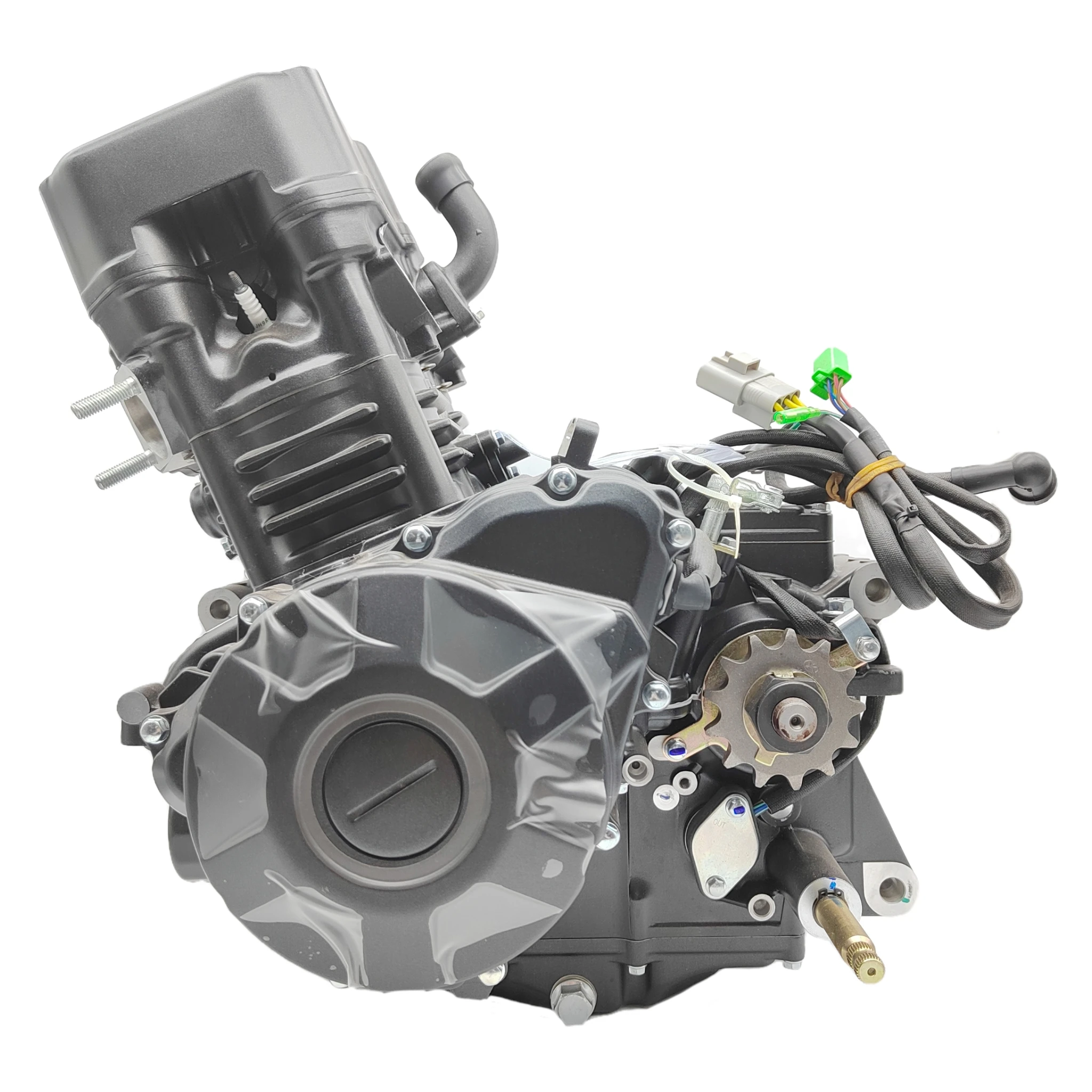
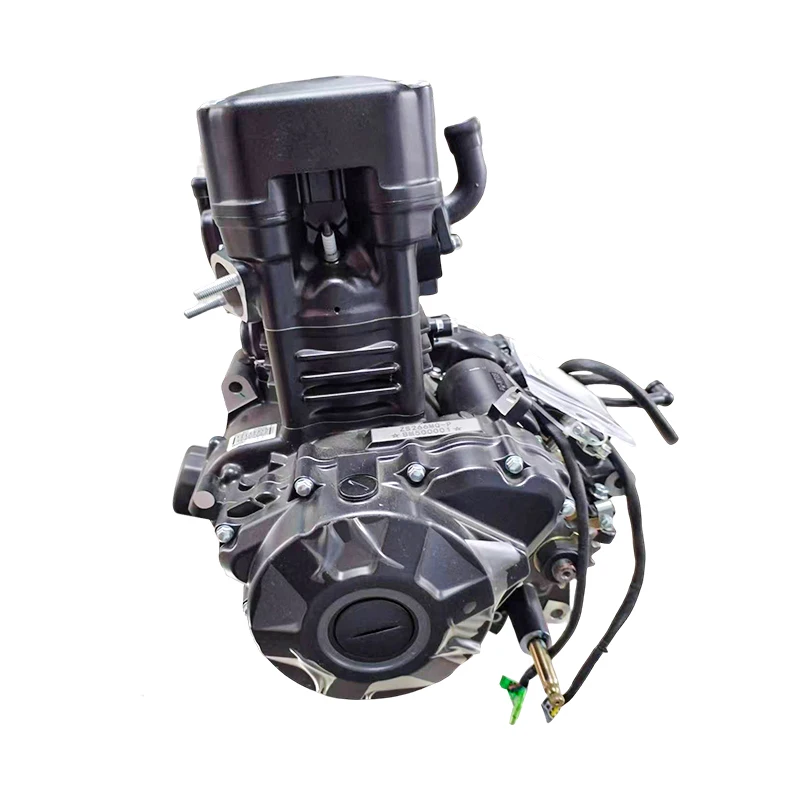
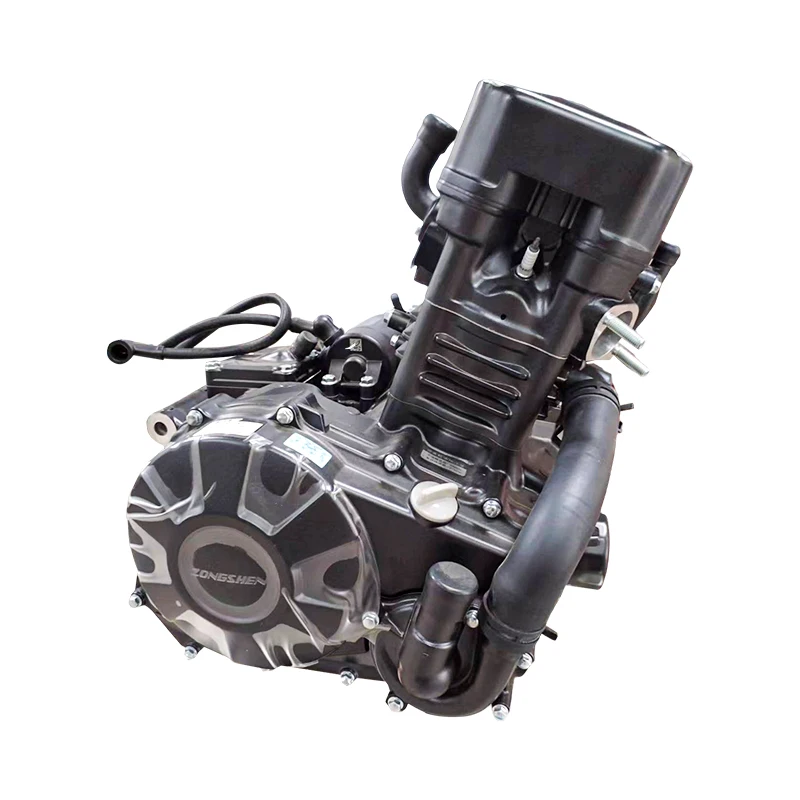
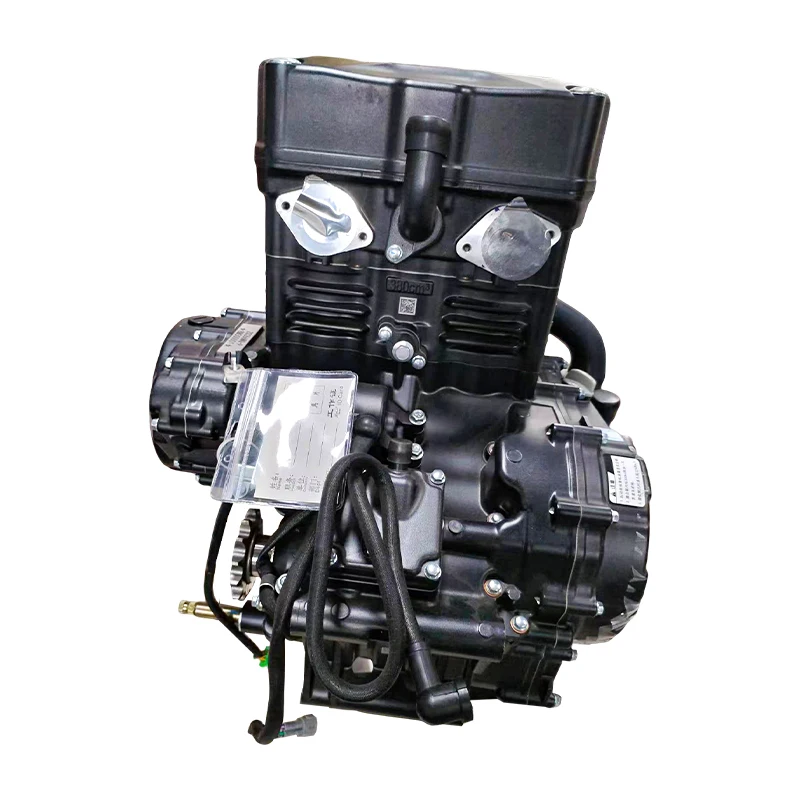
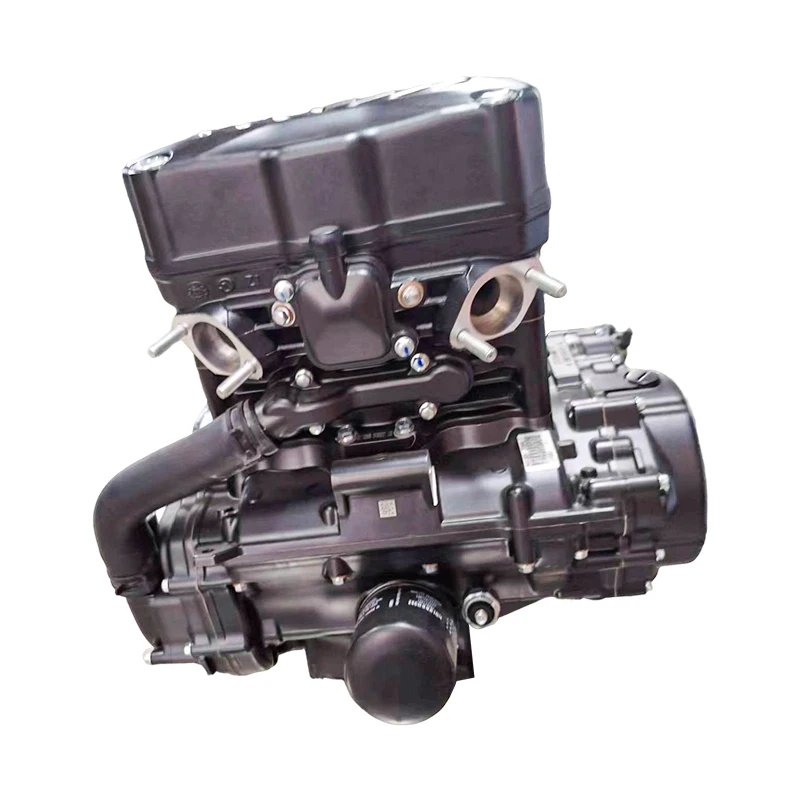
The TC400R 400cc 4-stroke water-cooled motorcycle engine combines lightweight aluminum construction with advanced engineering for high-performance applications. Designed for dirt pit bikes, racing, and off-road use, it delivers reliable power and durability through optimized heat dissipation and modular design.
| Feature | Specification | Application Scenario |
|---|---|---|
| Displacement | 400cc | Power for off-road racing and adventure |
| Engine Block Material | Aluminum (lightweight, high strength) | Reduces weight while maintaining rigidity |
| Cooling System | Water-cooled | Ensures stable performance in extreme conditions |
| Design | Modular, compact | Easy integration into custom motorcycle builds |
| Heat Management | Finned block + optimized airflow | Prevents overheating during prolonged use |
| Certification | Meets ISO 8855 emission standards | Complies with global environmental regulations |
Adjustable mounting points and modular components allow customization for chassis compatibility, power tuning, or accessory integration. For example, recalibrating the cooling system or adjusting the fin density can optimize performance for specialized racing or endurance scenarios.
Whether you’re building a lightweight off-road machine or a high-performance pit bike, the TC400R’s balance of power, durability, and adaptability makes it a versatile choice for enthusiasts and professionals alike.
| Parameter | Base Model (TC400R) | Advanced Model | Pro Model |
|---|---|---|---|
| Displacement | 400cc | 450cc (+12.5%) | 500cc (+25%) |
| Power Output | 38 HP @ 8,000 RPM | 42 HP (+10%) | 48 HP (+26%) |
| Cooling Efficiency | Standard water-cool | Dual-channel | Turbo-cooled* |
| Weight | 72 kg | 75 kg (+4%) | 68 kg (-5.6%) |
| Certifications | ISO 8855 | ISO + SAE J1926 | ISO + FIM Racing |
Technical Breakthroughs:
Version Selection Guidance:
With the Pro model’s turbo-cooled system, you can sustain peak performance in high-temperature races. Pair its lightweight aluminum frame with advanced cooling to minimize thermal stress and maximize track time. For builders, the modular design enables seamless integration into custom chassis, ensuring optimal fit and function.

The Product Description is generated by third-party, and Alibaba.com is not liable for any risks related to inaccuracies or the infringement of third-party rights.
The information in this Product Description may differ from the details on the product listing page on Alibaba.com. Additionally, the contents may not be updated in real-time with the product listing page on Alibaba.com, and there may be delays in reflecting the most updated information. The description on product listing page takes precedence. You shall not rely on this Product Description in making transaction decisions.
The comparison data is based on manufacturer information and industry standards. Actual results may vary depending on individual use cases. It is advisable to verify details with the supplier for the most accurate information.