All categories
Featured selections
Trade Assurance
Buyer Central
Help Center
Get the app
Become a supplier
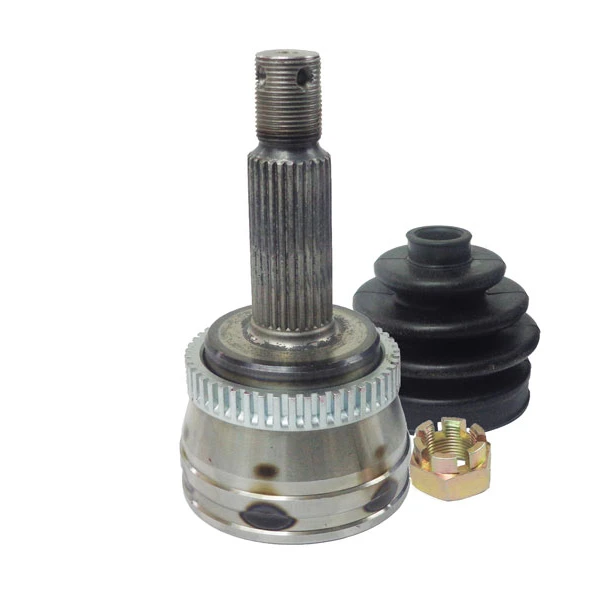
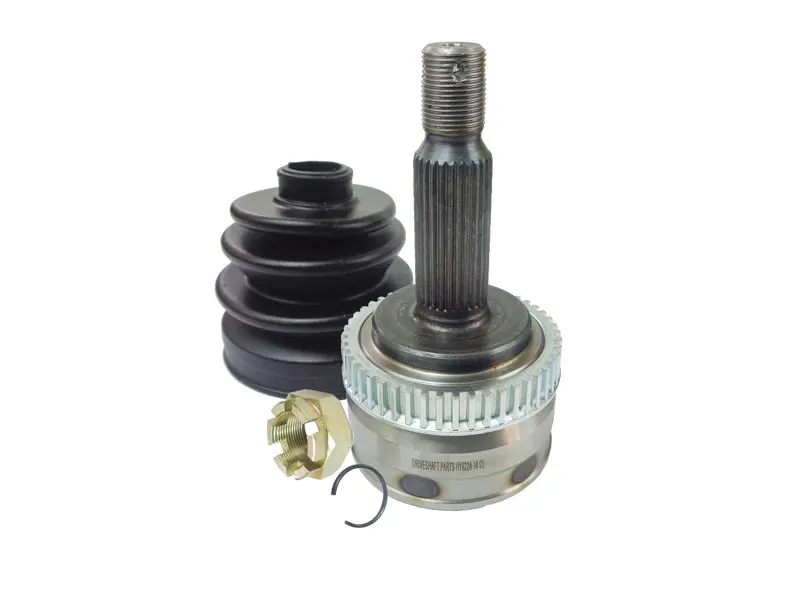
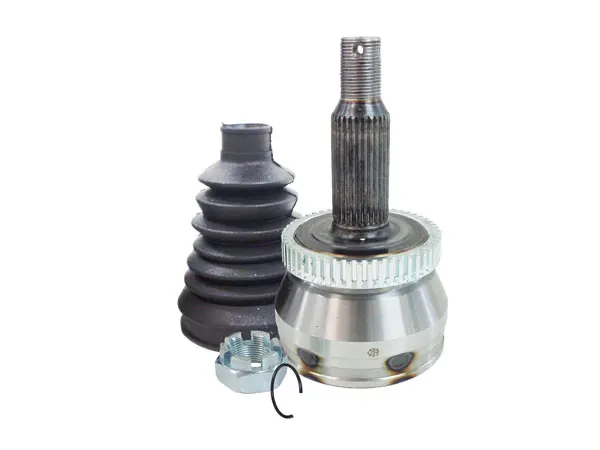
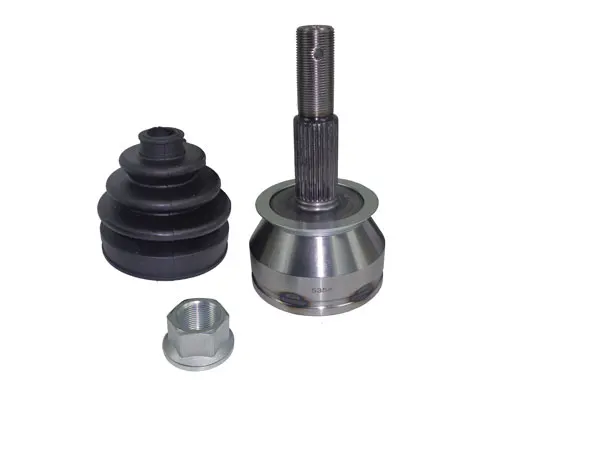
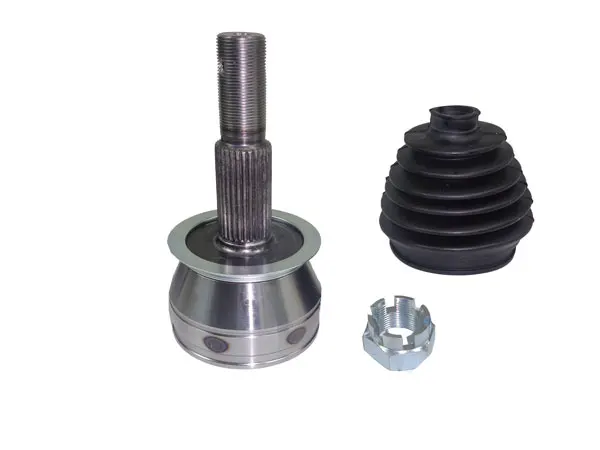
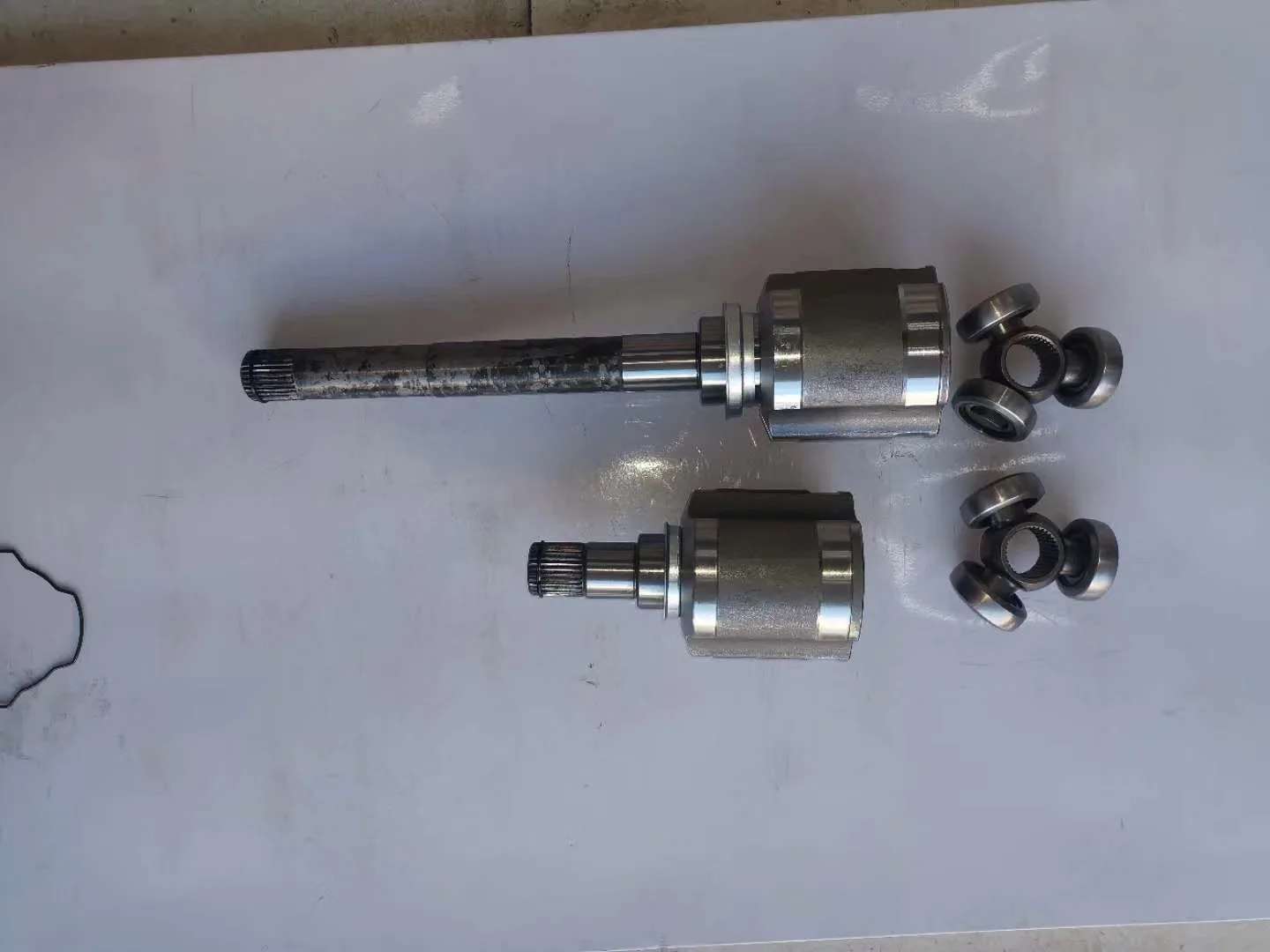
The MTIN-EA Inner CV Joint is a precision-engineered drivetrain component designed for Mitsubishi and Hyundai vehicles (1989-1995 models). Crafted from high-strength steel, it ensures reliable power transmission in front-wheel-drive systems, with a durable CV boot and optimized spline design for seamless rotation under load.
| Feature | Specification | Application Scenario |
|---|---|---|
| Material | Steel | Withstands high torque and drivetrain vibrations in Mitsubishi/Grandis models |
| Compatibility | Mitsubishi Chariot/Space Wagon Grandis | Direct-fit replacement for N84W/N94W models (1989-1995) |
| Design | Splined outer joint with rubber boot | Protects internal components from contaminants in off-road or urban driving |
| Certification | JIS Standard | Meets Japanese Industrial Standards for automotive drivetrain parts |
Adjust spline dimensions or boot material (e.g., reinforced rubber) to meet custom drivetrain configurations or harsh environmental conditions.
With a steel-reinforced body, this CV joint ensures durability in high-torque scenarios. Its sealed boot design prevents debris ingress, extending lifespan in dusty or wet environments.
| Parameter | Base Model | Advanced Model | Pro Model |
|---|---|---|---|
| Torque Capacity | 1,200 Nm | +15% (1,380 Nm) | +30% (1,560 Nm)* |
| Vibration Damping | Standard | Enhanced polymer | Dual-layer damping |
| Corrosion Resistance | IP65 | IP67 | IP68 (marine-grade) |
Technical Breakthroughs:
Version Selection Guide:

The Product Description is generated by third-party, and Alibaba.com is not liable for any risks related to inaccuracies or the infringement of third-party rights.
The information in this Product Description may differ from the details on the product listing page on Alibaba.com. Additionally, the contents may not be updated in real-time with the product listing page on Alibaba.com, and there may be delays in reflecting the most updated information. The description on product listing page takes precedence. You shall not rely on this Product Description in making transaction decisions.
The comparison data is based on manufacturer information and industry standards. Actual results may vary depending on individual use cases. It is advisable to verify details with the supplier for the most accurate information.