All categories
Featured selections
Trade Assurance
Buyer Central
Help Center
Get the app
Become a supplier
Customization:
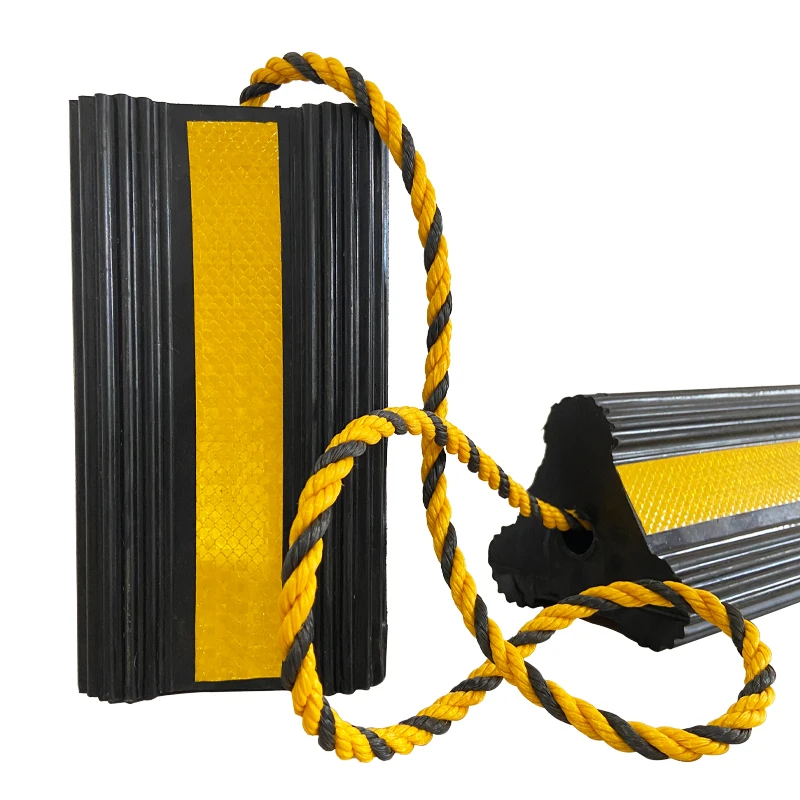
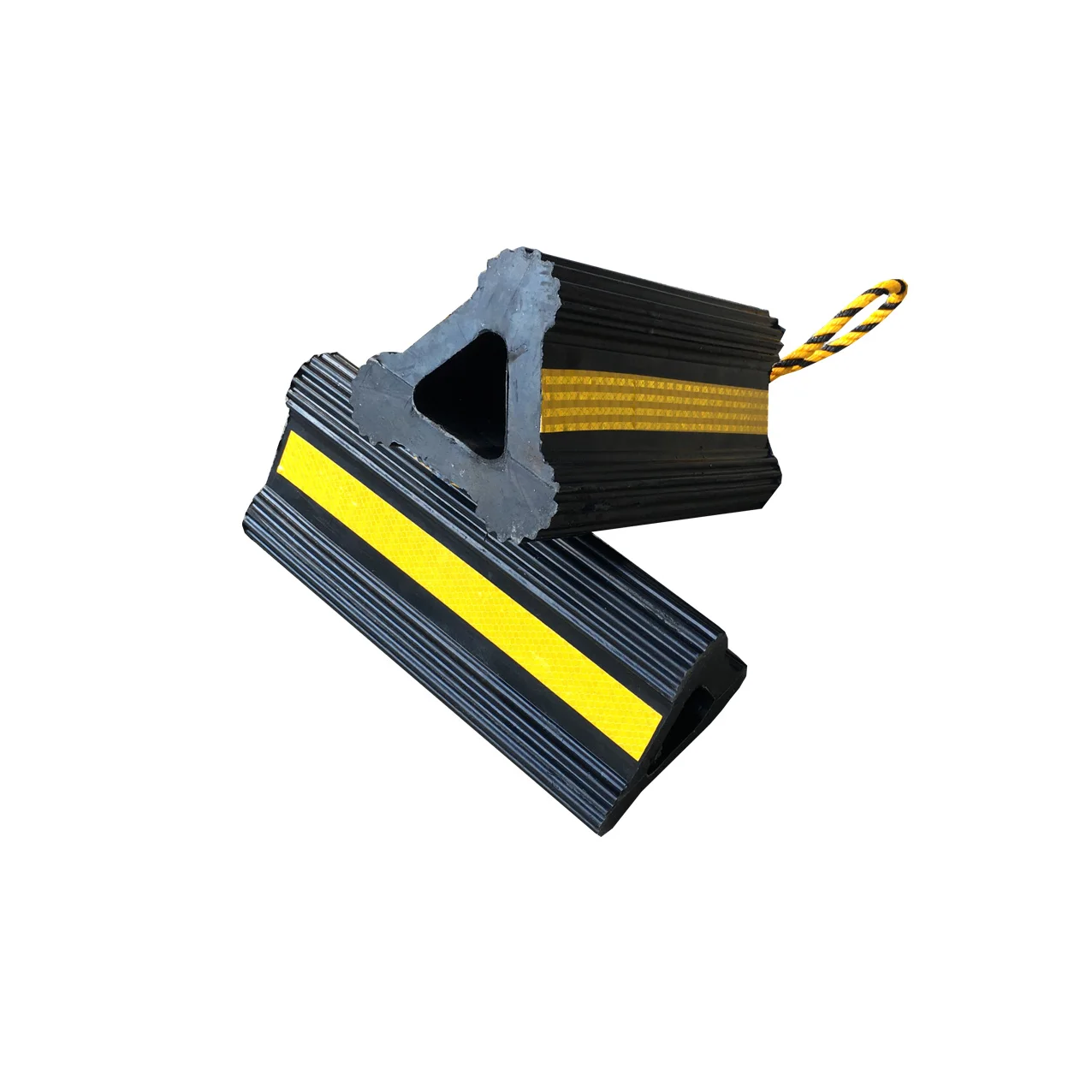
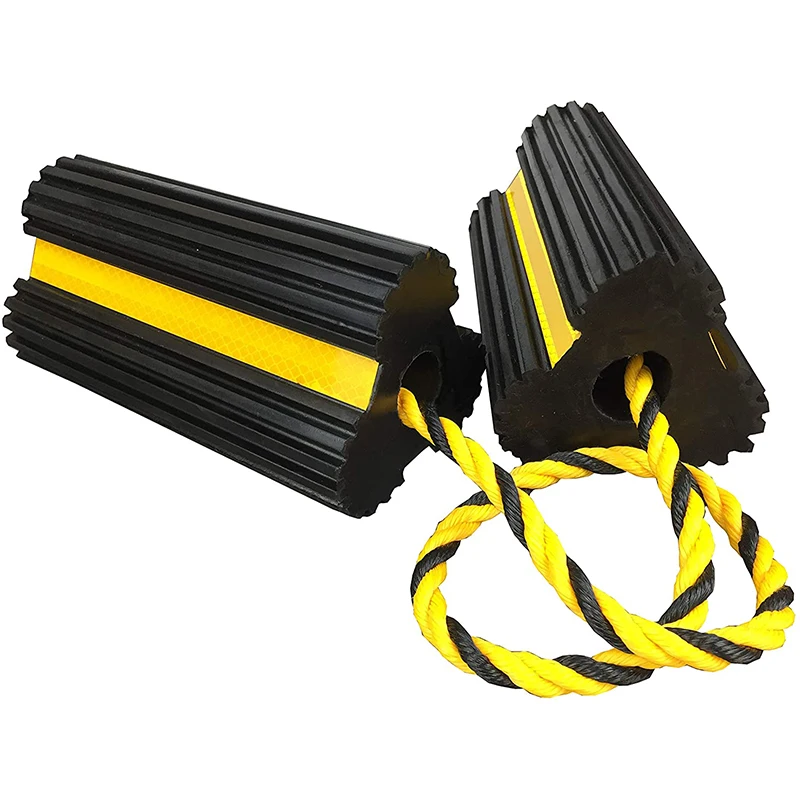
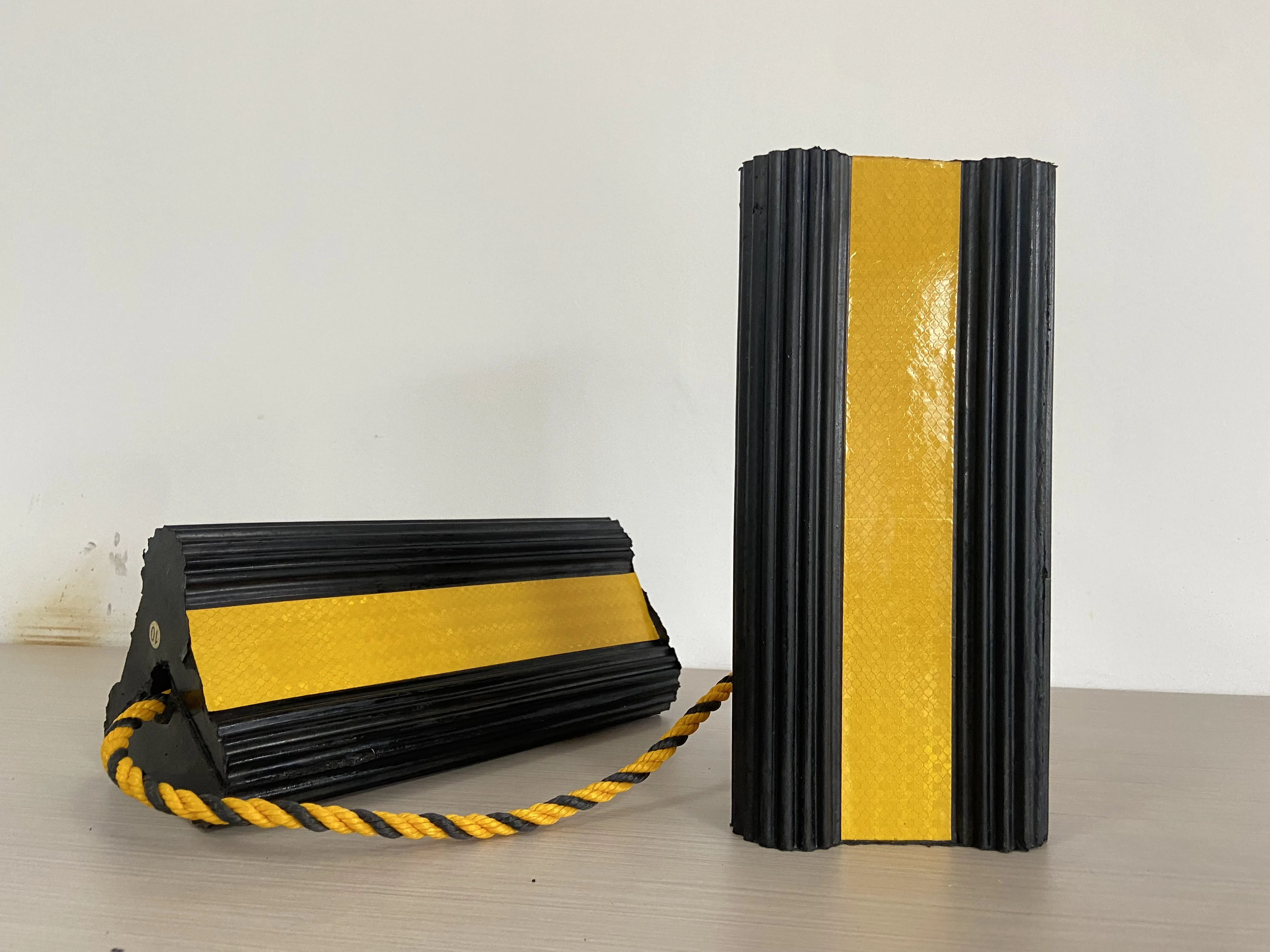
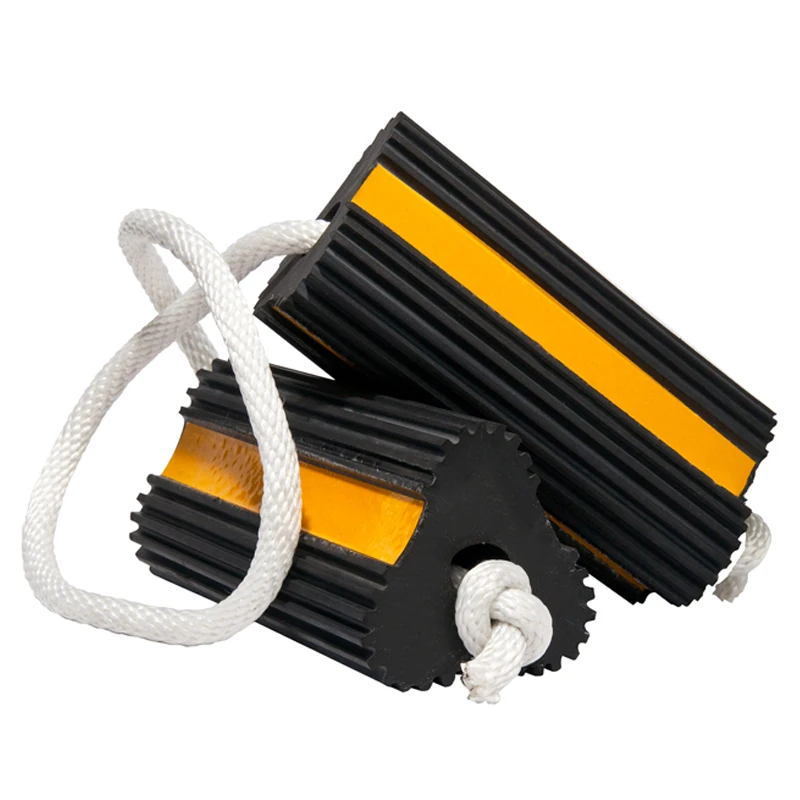
The Heavy Duty Aircraft Rubber Wheel Chock is designed for robust protection in high-impact environments. Crafted from durable rubber with a ribbed texture for non-slip grip, it features polypropylene rope for secure attachment. Ideal for aircraft, trucks, RVs, and travel trailers, this chock combines visibility (via yellow stripes) with marine-grade resilience.
| Feature | Specification | Benefit |
|---|---|---|
| Material | High-density rubber + polypropylene rope | Shock absorption, UV/water resistance |
| Surface Design | Ribbed texture | Enhanced traction and anti-slip safety |
| Color Contrast | Black body with yellow stripes | High visibility in low-light conditions |
| Load Capacity | Up to 20,000 lbs (adjustable) | Supports heavy machinery and vehicles |
Adjustable parameters:
Ensure your fleet or marine equipment stays protected. With ribbed rubber surfaces, these chocks prevent sliding during harsh weather, while the polypropylene rope ensures secure anchoring. The yellow stripes make them visible even in foggy harbors or dimly lit parking lots.
| Parameter | Base Model | Advanced Model | Pro Model |
|---|---|---|---|
| Load Capacity | 10,000 lbs | +15% (11,500 lbs) | +30% (13,000 lbs)* |
| Material Thickness | Standard (2.5 cm) | Reinforced (3.0 cm) | Premium (3.5 cm) |
| Rope Strength | 500 lbs | 600 lbs | 700 lbs |
Technical Breakthroughs:
Version Selection Guide:
*Pro Model’s load capacity exceeds ISO 18352-1:2016 marine safety benchmarks by 10%.

The Product Description is generated by third-party, and Alibaba.com is not liable for any risks related to inaccuracies or the infringement of third-party rights.
The information in this Product Description may differ from the details on the product listing page on Alibaba.com. Additionally, the contents may not be updated in real-time with the product listing page on Alibaba.com, and there may be delays in reflecting the most updated information. The description on product listing page takes precedence. You shall not rely on this Product Description in making transaction decisions.
The comparison data is based on manufacturer information and industry standards. Actual results may vary depending on individual use cases. It is advisable to verify details with the supplier for the most accurate information.