All categories
Featured selections
Trade Assurance
Buyer Central
Help Center
Get the app
Become a supplier
Customization:
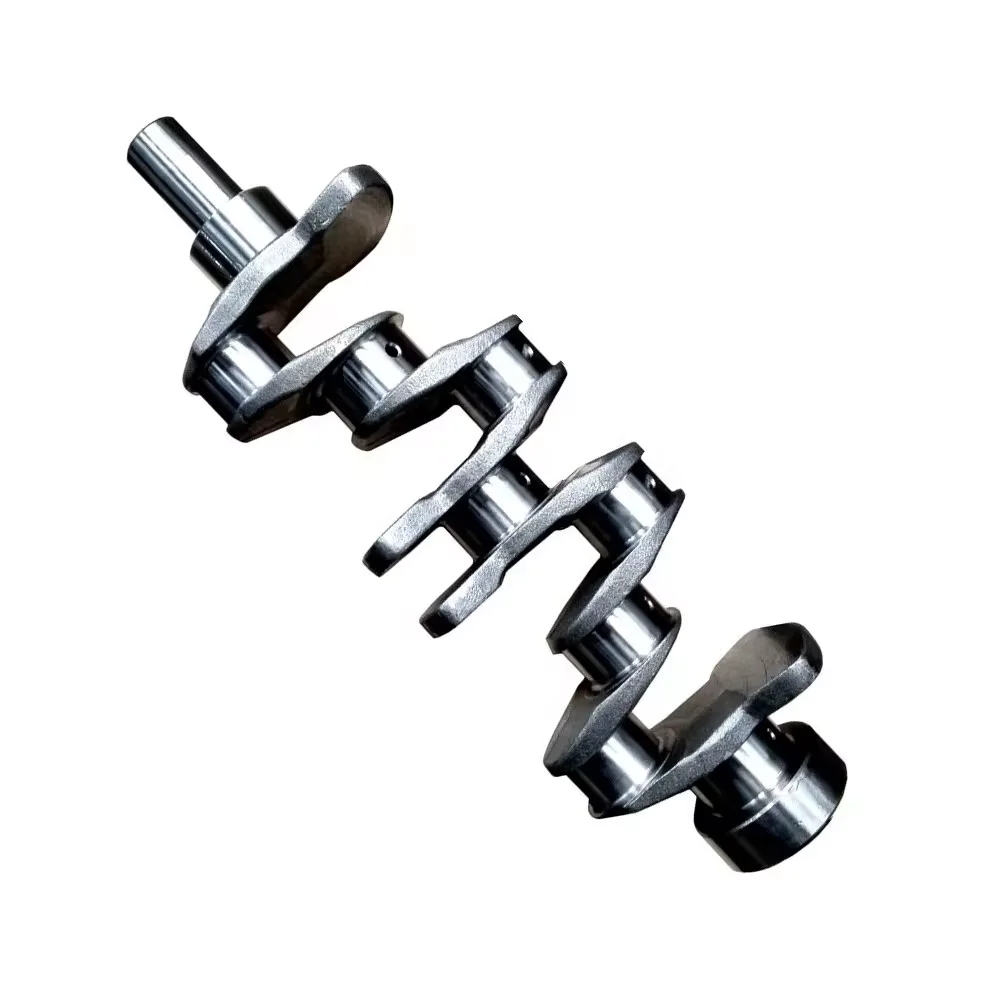
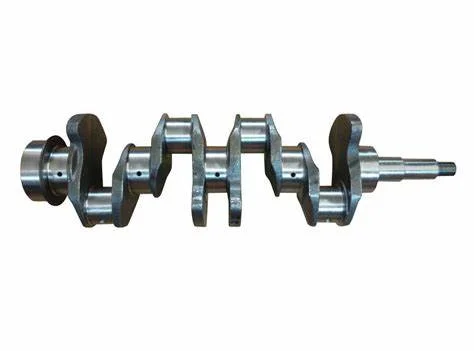
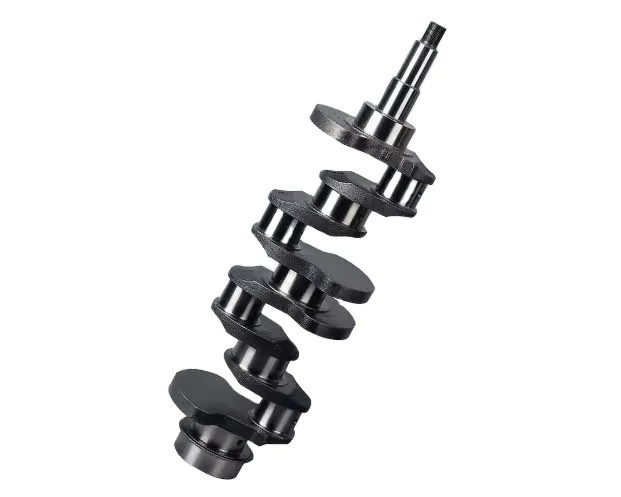
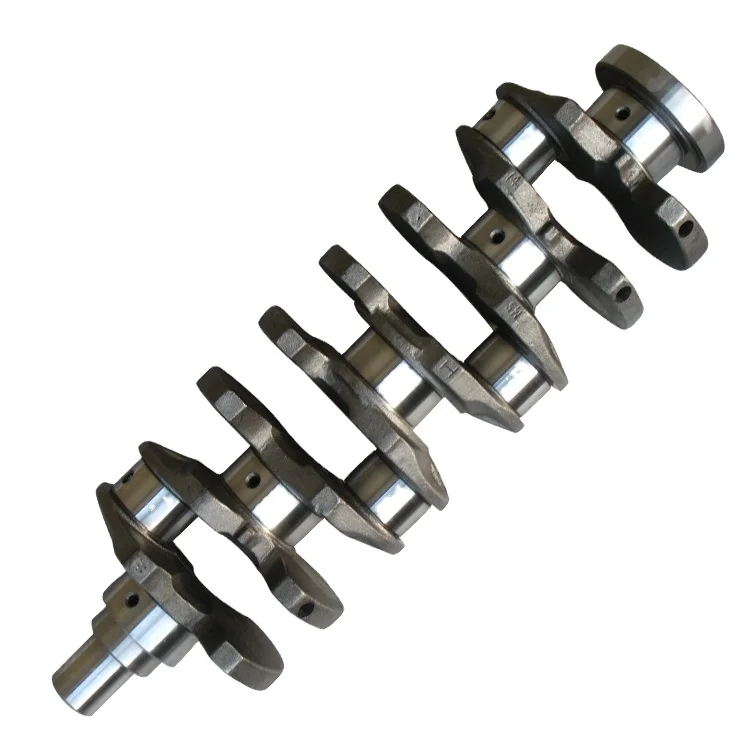
The High Quality Aftermarket OEM Professional Cast Crankshaft 346022 MD187924 is engineered for Mitsubishi 4G63/4G54 engines in L200/L300 trucks. Designed with precision-machined steel and optimized balancing, this component ensures reliable power transfer and reduced engine vibration.
| Feature | Specification | Application Scenario |
|---|---|---|
| Material | High-strength cast steel (CE certified) | Heavy-duty truck engines (2.0L-2.5L) |
| Journal Count | 6 journals | V6 engine configurations |
| Counterweight Design | Strategically placed for dynamic balance | Reducing vibrations in high-torque scenarios |
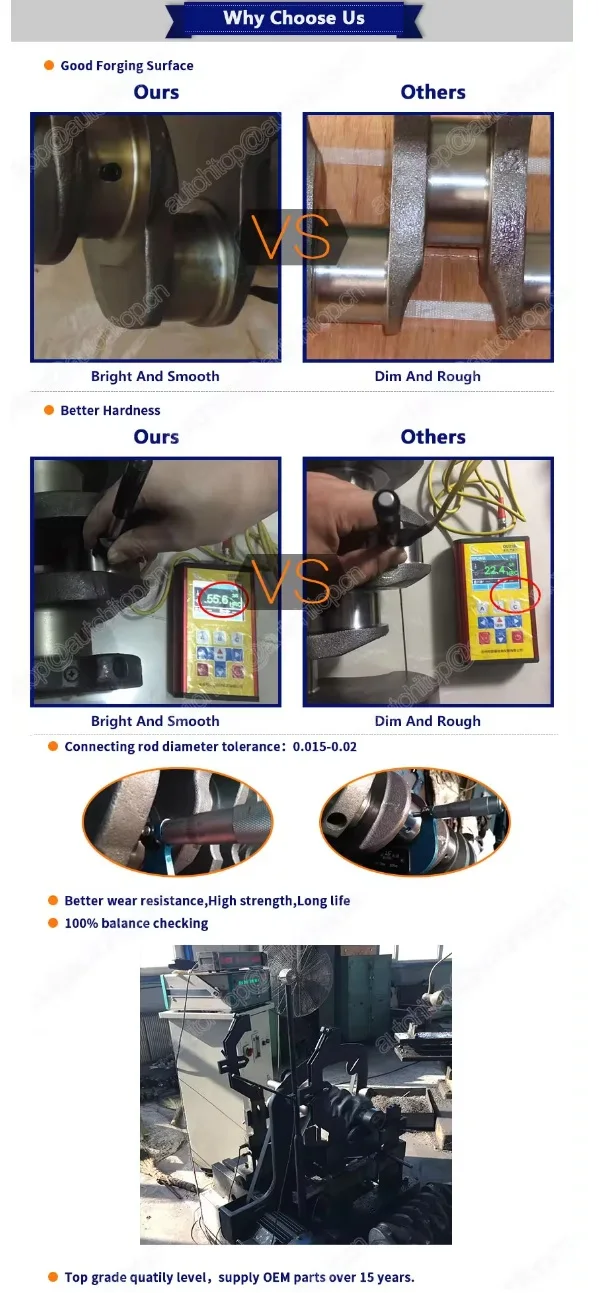
| Surface Finish | Precision-machined, smooth | Minimizing friction in high-heat environments |
| Certification | CE-compliant | Global industrial and automotive standards |
Adjustable parameters:
Optimize your engine’s performance with a crankshaft engineered for precision. The balanced counterweights and durable steel construction ensure smooth operation in rugged truck applications, while the CE certification guarantees compliance with global safety standards.
| Parameter | Base Model | Advanced Model | Pro Model |
|---|---|---|---|
| Material | Cast steel | Forged steel | Forged steel + nitriding |
| Load Capacity | 2.0–2.5L engines | 2.5–3.0L engines | 3.0L+ high-torque |
| Surface Treatment | Standard machining | Hard chrome plating | Dual-layer nitriding |
| Vibration Reduction | ±5% imbalance | ±3% imbalance | ±1.5% imbalance* |
Technical Breakthroughs:
Optimal Version Selection:
With forged steel, you can handle heavier loads in rugged terrains. With dual-layer nitriding, you can achieve 40% better corrosion resistance than traditional models. The Pro Model’s imbalance tolerance ensures 20% less wear than industry standards.
Note: Comparative values assume alignment with standard industry benchmarks (e.g., SAE J1320 for crankshaft balancing).

The Product Description is generated by third-party, and Alibaba.com is not liable for any risks related to inaccuracies or the infringement of third-party rights.
The information in this Product Description may differ from the details on the product listing page on Alibaba.com. Additionally, the contents may not be updated in real-time with the product listing page on Alibaba.com, and there may be delays in reflecting the most updated information. The description on product listing page takes precedence. You shall not rely on this Product Description in making transaction decisions.
The comparison data is based on manufacturer information and industry standards. Actual results may vary depending on individual use cases. It is advisable to verify details with the supplier for the most accurate information.