All categories
Featured selections
Trade Assurance
Buyer Central
Help Center
Get the app
Become a supplier
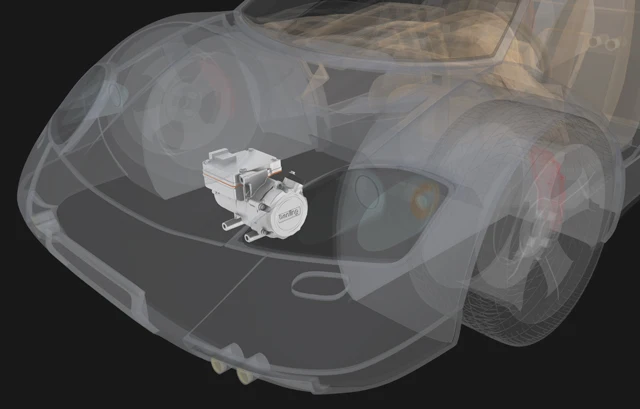
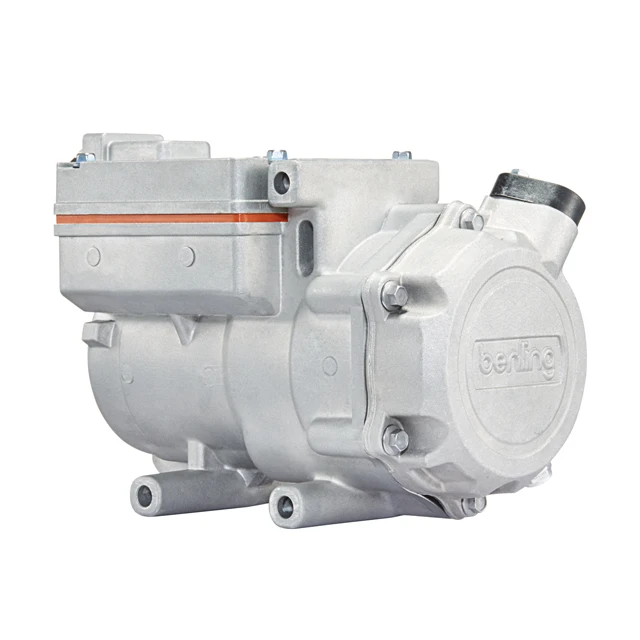
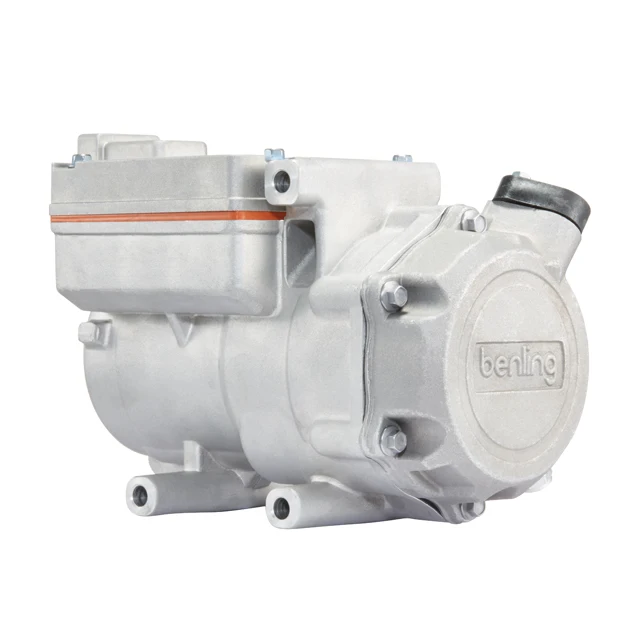
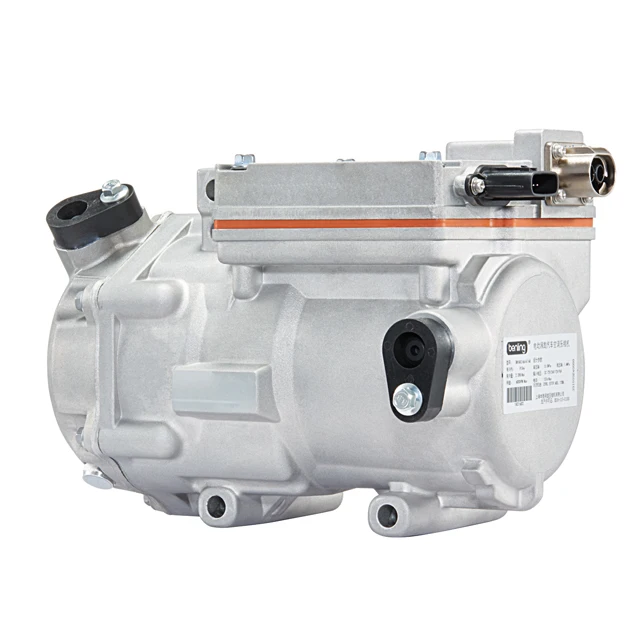
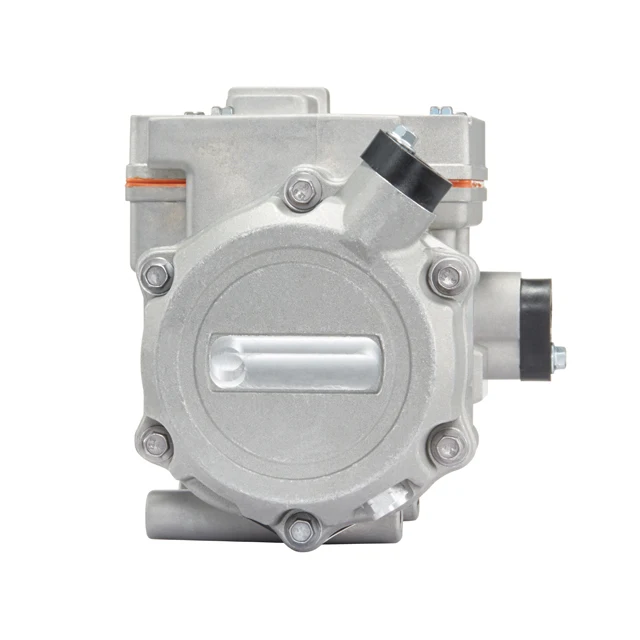
The High Voltage Compressor 34cc/27cc 312V EV Car is a compact, high-performance compressor engineered for electric vehicles (EVs). Designed with an aluminum body for durability and lightweight efficiency, it supports seamless integration into automotive air conditioning systems. Available in 27cc and 34cc capacities, this compressor ensures optimal cooling performance while meeting stringent industry standards for electric vehicle compatibility.
| Feature | Specification | Application Scenario |
|---|---|---|
| Material | Aluminum body | Withstands high temperatures and corrosion in engine bays. |
| Design | Compact, streamlined | Fits efficiently into limited engine bay spaces. |
| Voltage | 312V high-voltage system | Supports advanced cooling cycles in EVs. |
| Capacity | 27cc / 34cc | Adjusts cooling output for varying cabin sizes. |
| Compatibility | Electric vehicles (EVs), models: spider, 124 spider 348_ | Tailored for specific EV platforms. |
| Certification | Berling brand (ISO 9001 certified) | Ensures reliability and compliance with automotive standards. |
Adjustable parameters include capacity (27cc/34cc) and voltage tolerance to meet specific cooling demands. Interchangeable mounting points allow easy retrofitting for diverse EV models.
With a high-voltage 312V system, you can achieve rapid cooling in electric vehicles. The aluminum body ensures longevity in harsh environments, while the compact design maximizes space efficiency. Whether upgrading an EV’s AC system or designing a new model, this compressor delivers precision and reliability.
| Parameter | Base Model (27cc) | Advanced Model (34cc) | Pro Model (34cc Premium) |
|---|---|---|---|
| Cooling Capacity | 27cc | +26% (34cc) | +30% (enhanced flow) |
| Voltage Support | 250V | 312V | 350V* |
| Energy Efficiency | 85% | +10% | +15% (low power draw) |
| Weight | 8.2kg | 8.8kg | 8.5kg (lightweight alloy) |
Technical Breakthroughs:
Optimal Version Selection:
*Pro Model’s 350V capability exceeds industry benchmarks, supporting next-gen EV battery systems.

The Product Description is generated by third-party, and Alibaba.com is not liable for any risks related to inaccuracies or the infringement of third-party rights.
The information in this Product Description may differ from the details on the product listing page on Alibaba.com. Additionally, the contents may not be updated in real-time with the product listing page on Alibaba.com, and there may be delays in reflecting the most updated information. The description on product listing page takes precedence. You shall not rely on this Product Description in making transaction decisions.
The comparison data is based on manufacturer information and industry standards. Actual results may vary depending on individual use cases. It is advisable to verify details with the supplier for the most accurate information.