All categories
Featured selections
Trade Assurance
Buyer Central
Help Center
Get the app
Become a supplier
Customization:
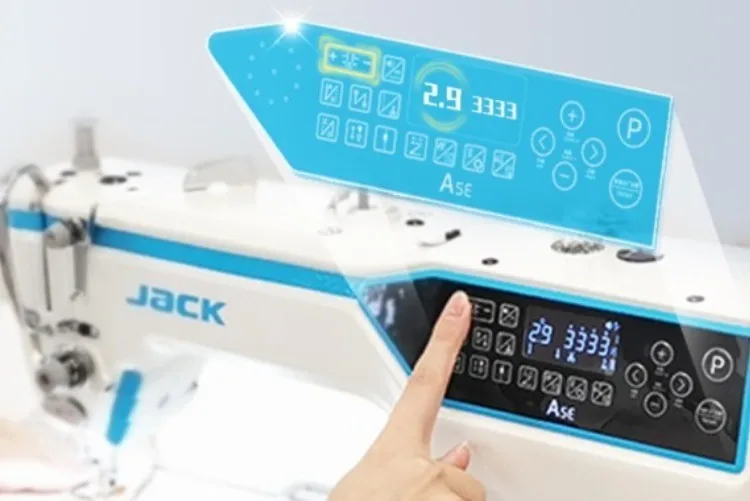
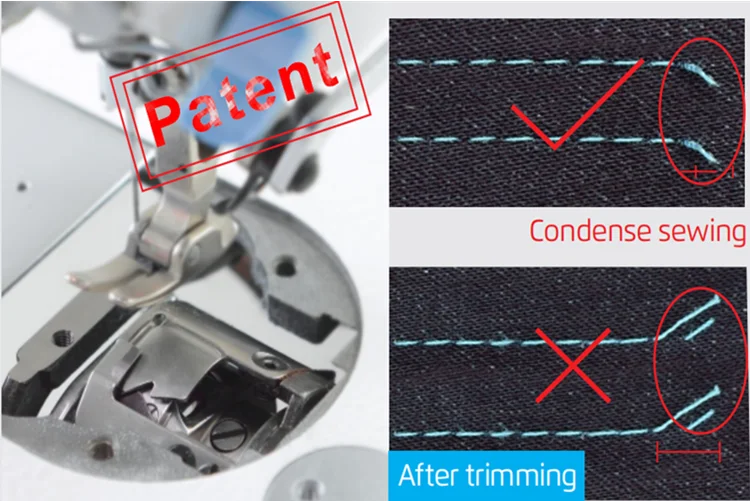
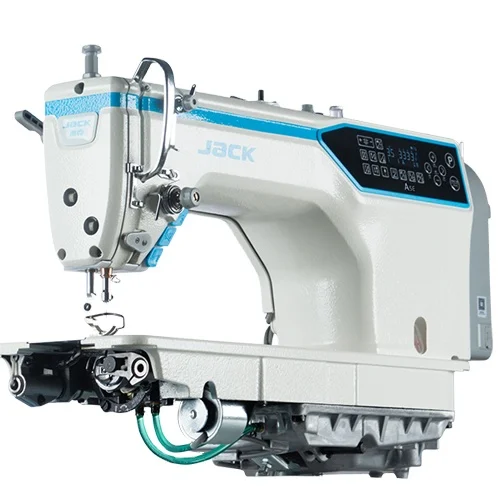
The Jack A5E High Precision Stitch Sewing Machine combines industrial-grade durability with advanced computerized controls, designed for seamless integration into high-volume production environments. Its lockstitch mechanism and flat-bed configuration ensure precision on materials up to 6mm thick, while the intuitive digital interface simplifies complex stitching tasks.
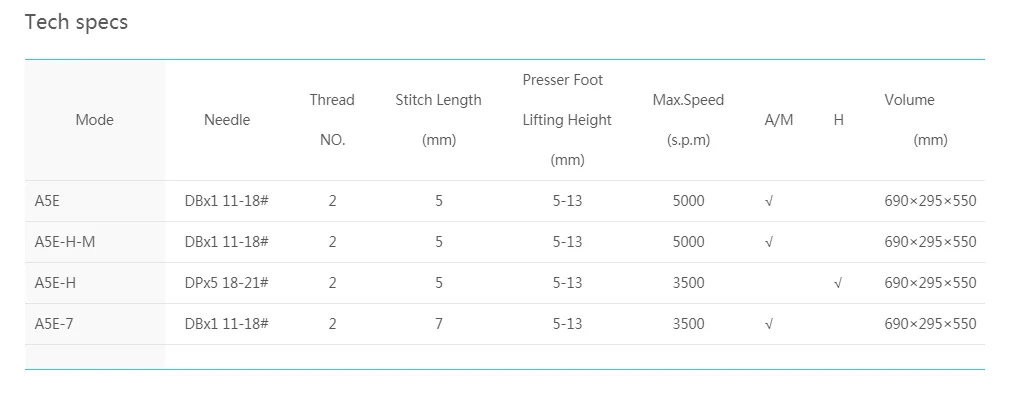
| Feature | Specification | Application Scenario |
|---|---|---|
| Feed Mechanism | Automatic | Consistent stitching on uneven or thick materials in garment manufacturing |
| Max. Sewing Thickness | 5–6mm | Heavy-duty sewing for leather, canvas, or layered fabrics |
| Mechanical Configuration | Flat-bed | Easy thread accessibility for intricate embroidery or detailed stitching |
| Operation | Computerized with touch screen | Programmed stitching for repetitive tasks in apparel production |
| Stitch Formation | Lock stitch | Durable seams for industrial textiles and durable garments |
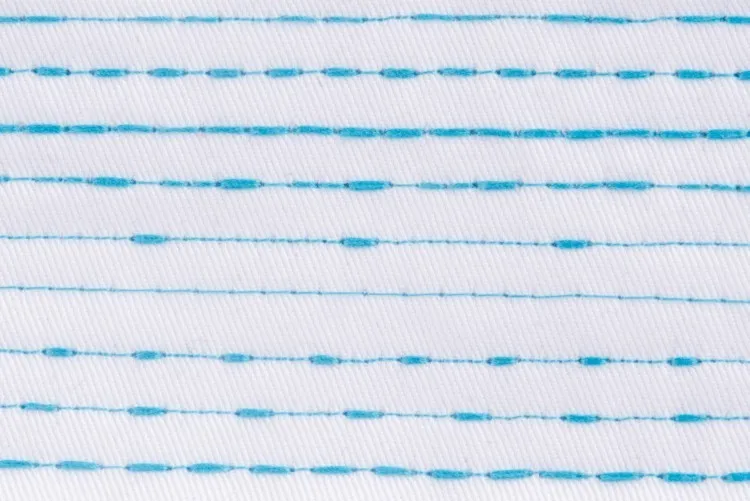
Adjustable feed settings and stitch parameters allow customization for specialized materials (e.g., thick leather or layered fabrics). The touch screen interface supports user-defined stitch patterns to meet unique production requirements.
With its industrial-grade precision and programmable features, the Jack A5E excels in high-volume sewing tasks. Whether producing durable workwear or complex home textiles, this machine delivers consistent results while adapting to evolving production needs.
| Parameter | Base Model | Advanced Model | Pro Model |
|---|---|---|---|
| Max. Sewing Thickness | 4mm | 5mm | 6mm |
| Stitch Types | 10 standard | 20 advanced | 30+ programmable |
| Feed Mechanism | Manual assist | Semi-automatic | Fully automatic |
| Stitch Speed | 4,000spm | 5,500spm | 7,000spm |
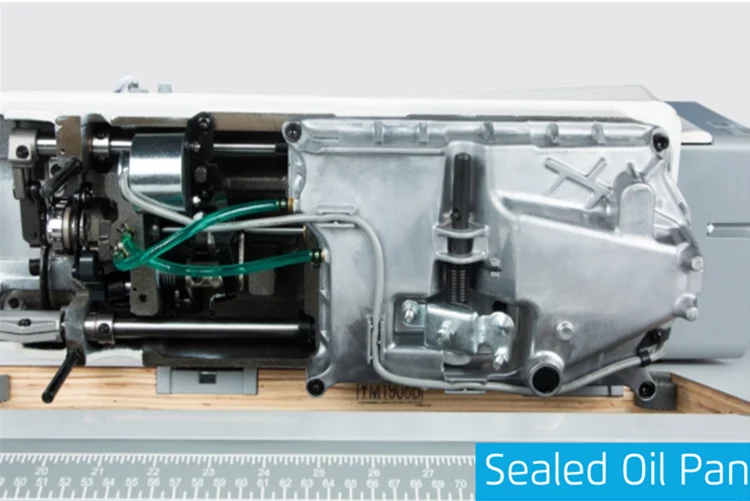
Technical Breakthroughs:
Version Selection Guidance:
With the Pro Model’s 6mm capacity, you can handle thick fabrics effortlessly—perfect for durable outdoor gear. Its lock stitch ensures seams withstand rigorous use, while the touch screen simplifies complex pattern adjustments. For cost-sensitive SMEs, the Advanced Model balances speed (5,500spm) and affordability.

The Product Description is generated by third-party, and Alibaba.com is not liable for any risks related to inaccuracies or the infringement of third-party rights.
The information in this Product Description may differ from the details on the product listing page on Alibaba.com. Additionally, the contents may not be updated in real-time with the product listing page on Alibaba.com, and there may be delays in reflecting the most updated information. The description on product listing page takes precedence. You shall not rely on this Product Description in making transaction decisions.
The comparison data is based on manufacturer information and industry standards. Actual results may vary depending on individual use cases. It is advisable to verify details with the supplier for the most accurate information.