All categories
Featured selections
Trade Assurance
Buyer Central
Help Center
Get the app
Become a supplier
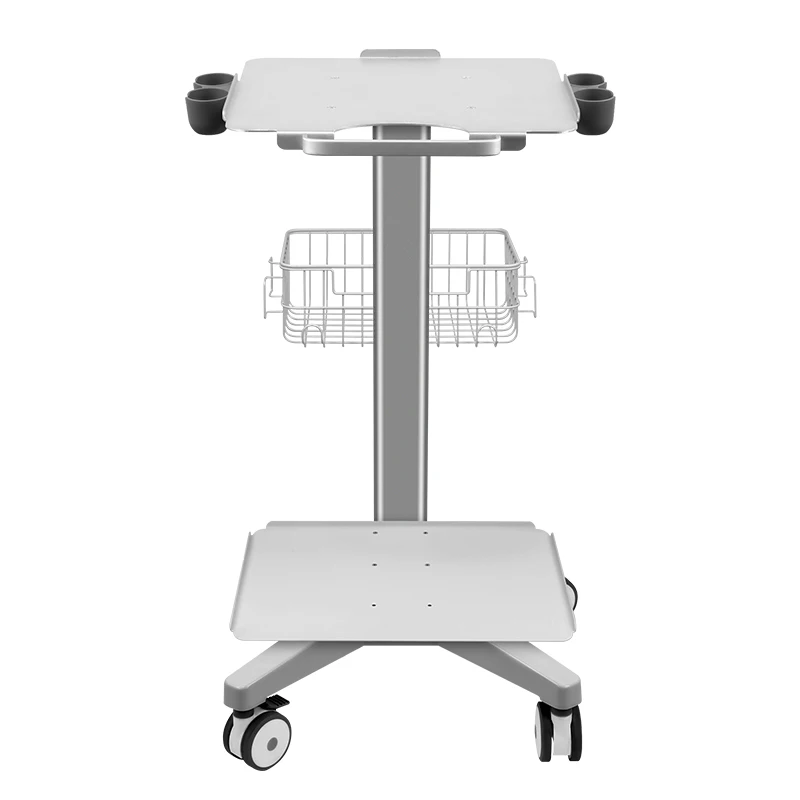
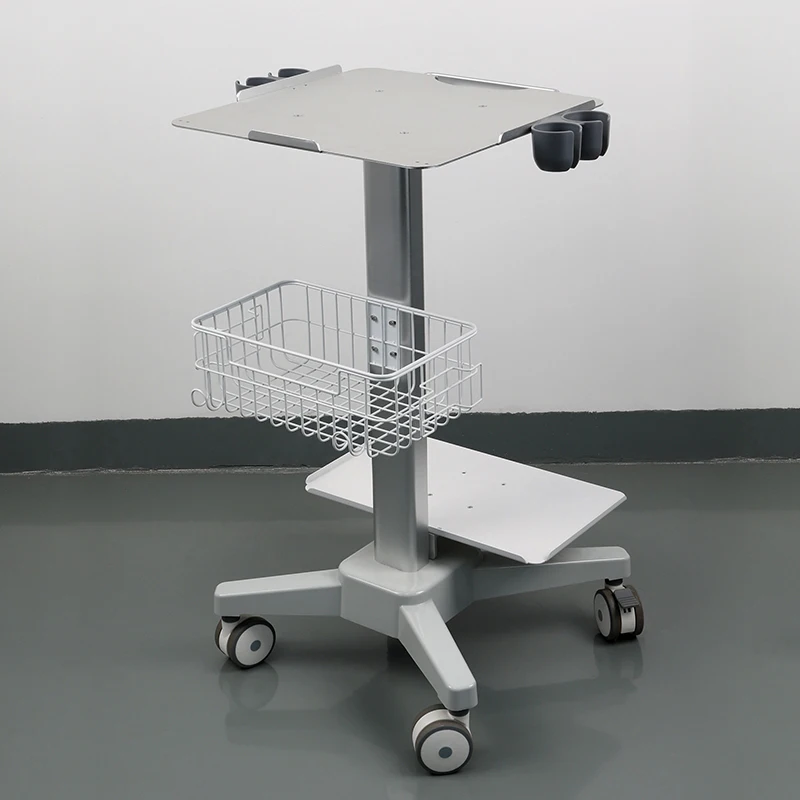
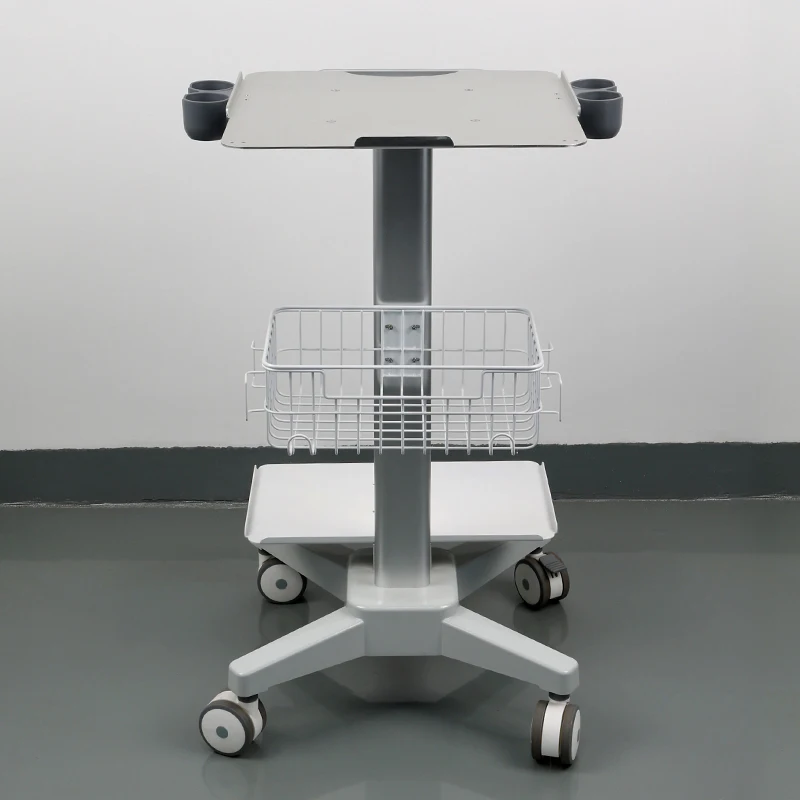
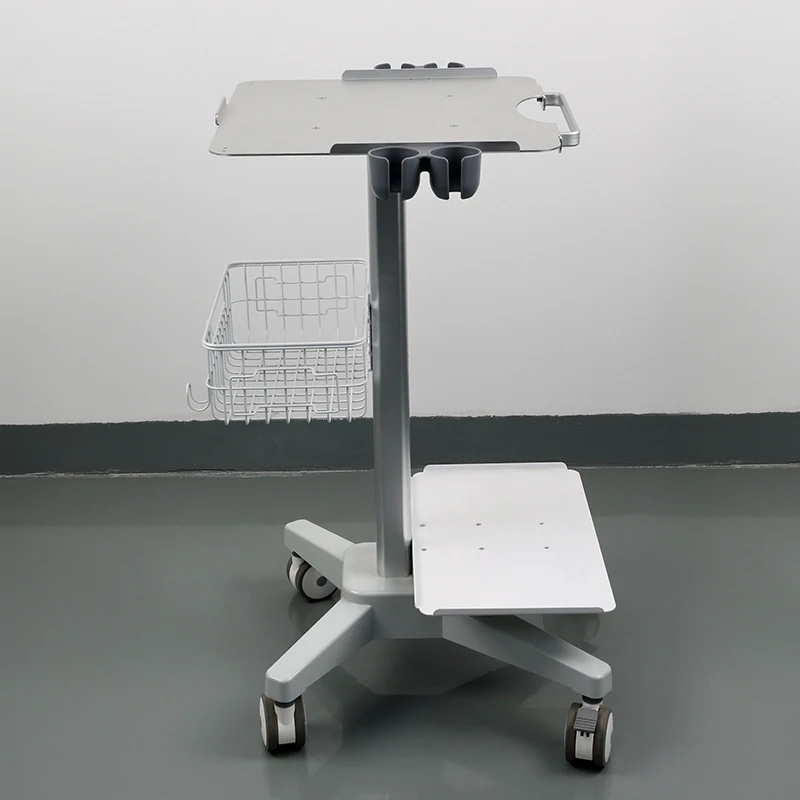
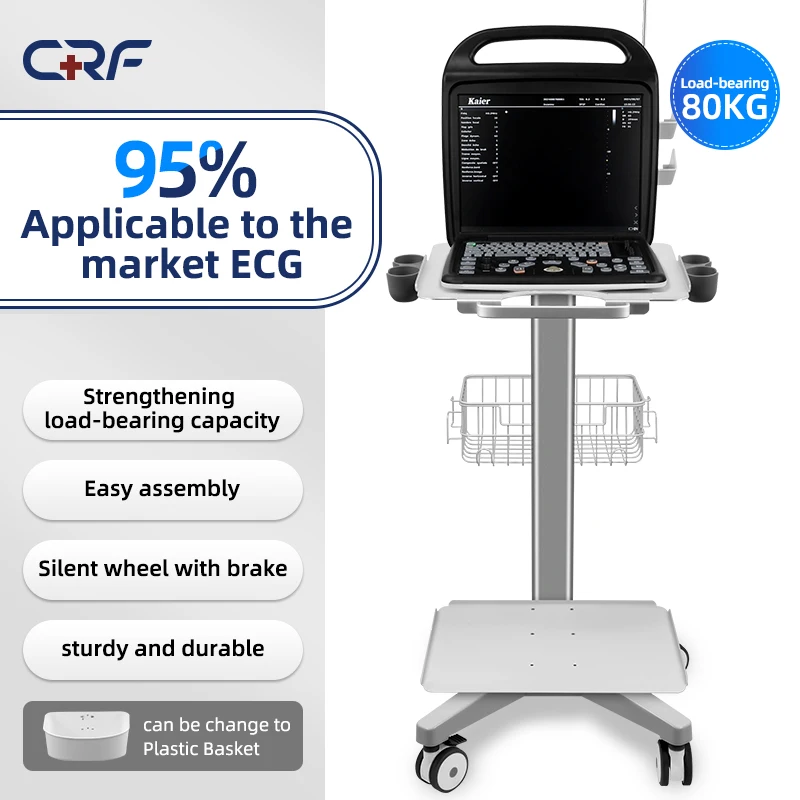
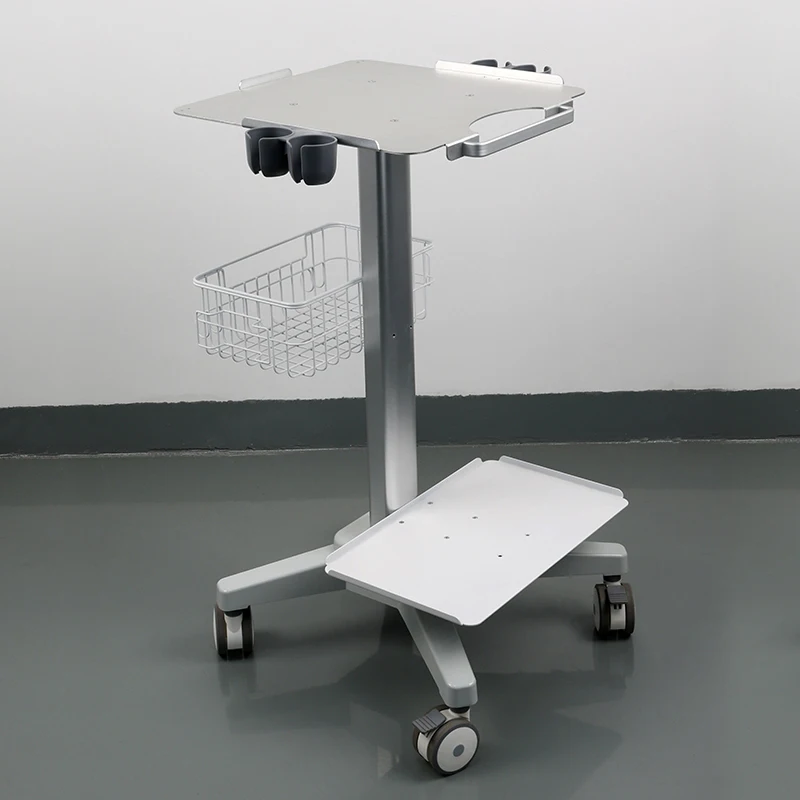
The Hospital Trolley is a versatile, durable rolling cart designed for seamless transport of emergency tools, testing instruments, and small monitoring equipment in healthcare and laboratory settings. Built with a lightweight aluminum frame and reinforced metal shelves, it combines portability with robust load-bearing capacity. Its modular design and swivel casters enable effortless maneuvering and customizable storage solutions.
| Feature | Specification | Benefit |
|---|---|---|
| Frame Material | Aluminum alloy (lightweight, corrosion-resistant) | 20% lighter than steel frames for easy handling |
| Shelves | Reinforced metal (stainless steel optional) | Supports up to 150 kg per shelf; scratch-resistant |
| Wheels | 4-wheel system (2 swivel casters) | 360° rotation for agile navigation in tight spaces |
| Modularity | Adjustable compartments and removable trays | Customizable storage to fit specialized equipment |
| Certifications | ISO 9001, Medical-grade compliance | Ensures safety and durability for healthcare use |
Adjustable shelf heights and removable dividers allow customization to accommodate specific tool sizes or instrument configurations. For high-corrosion environments, upgrade to stainless steel shelves (+20% chemical resistance).
Optimize workflow efficiency with a trolley that adapts to your needs. Whether transporting lab samples, emergency supplies, or patient monitors, this cart’s modular design and smooth mobility ensure precision and reliability in fast-paced healthcare settings.
| Parameter | Base Model | Advanced Model | Pro Model |
|---|---|---|---|
| Load Capacity | 200 kg total | 250 kg (+25%) | 300 kg (+50%) |
| Material Composition | Aluminum frame + steel shelves | Aluminum + stainless steel shelves | Full stainless steel (+30% corrosion resistance) |
| Wheel Type | Standard casters | Locking casters | Silent, anti-static casters |
| Compartment Config | Fixed 3-tier | Adjustable 4-tier | Modular 5-tier (+40% storage space) |
| Chemical Resistance | Basic | Enhanced | Medical-grade (+ triple durability) |
Technical Breakthroughs:
Optimal Version Selection:
With the Pro Model’s anti-static wheels, you can safely transport sensitive electronic equipment without risking data loss. Pair its stainless steel construction with locking casters to secure high-value medical devices during transit.

The Product Description is generated by third-party, and Alibaba.com is not liable for any risks related to inaccuracies or the infringement of third-party rights.
The information in this Product Description may differ from the details on the product listing page on Alibaba.com. Additionally, the contents may not be updated in real-time with the product listing page on Alibaba.com, and there may be delays in reflecting the most updated information. The description on product listing page takes precedence. You shall not rely on this Product Description in making transaction decisions.
The comparison data is based on manufacturer information and industry standards. Actual results may vary depending on individual use cases. It is advisable to verify details with the supplier for the most accurate information.