All categories
Featured selections
Trade Assurance
Buyer Central
Help Center
Get the app
Become a supplier
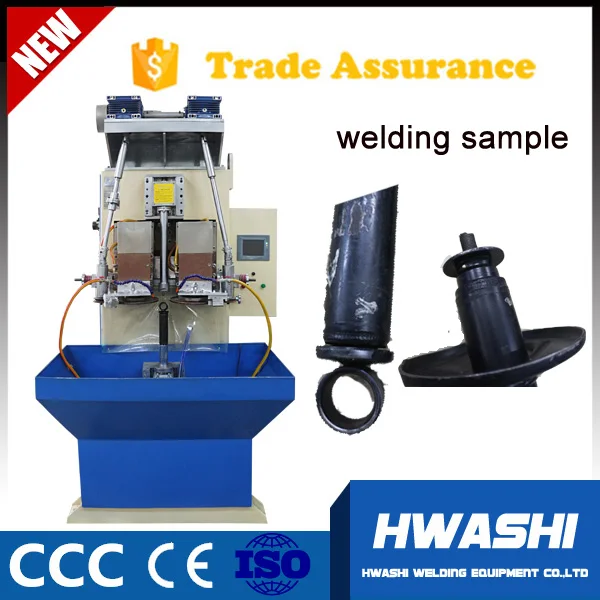
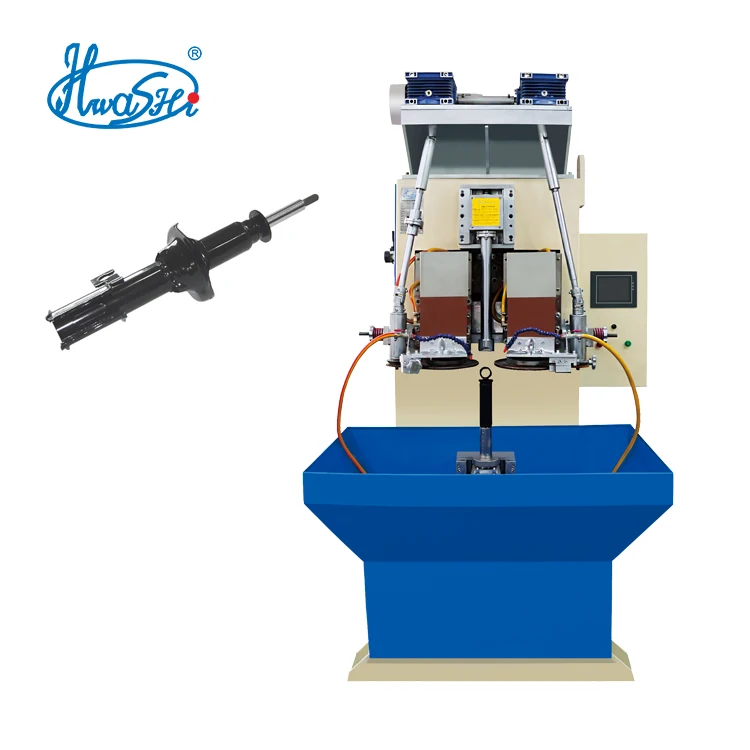
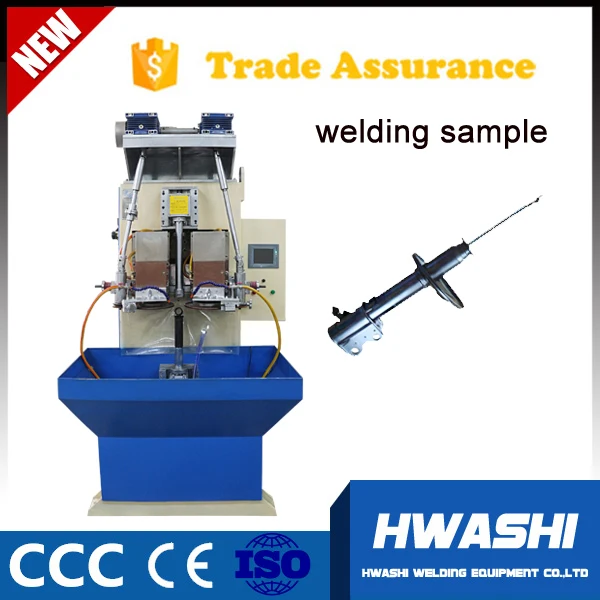
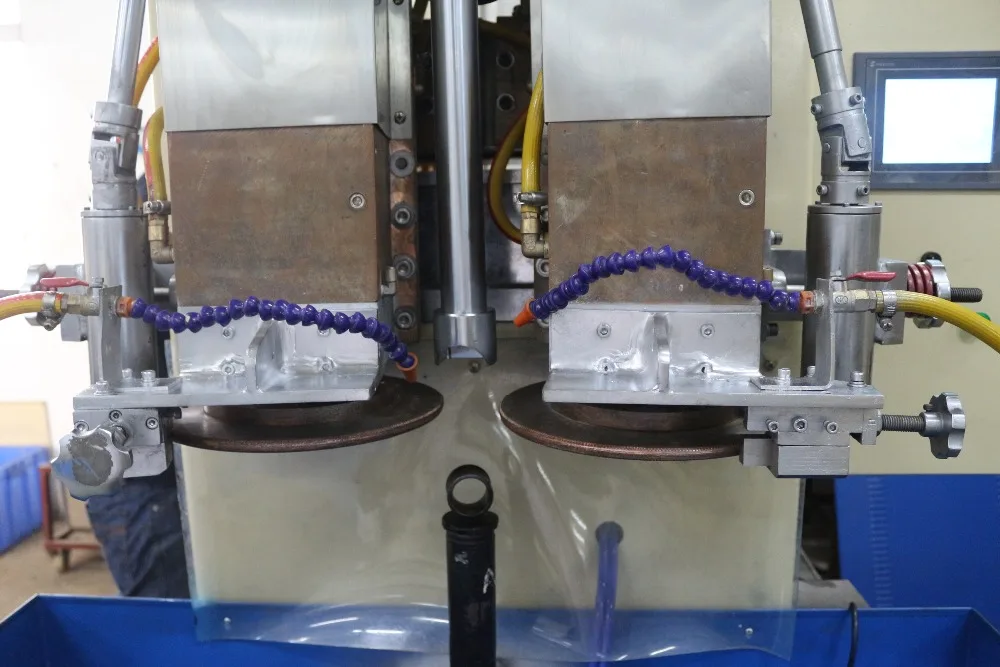
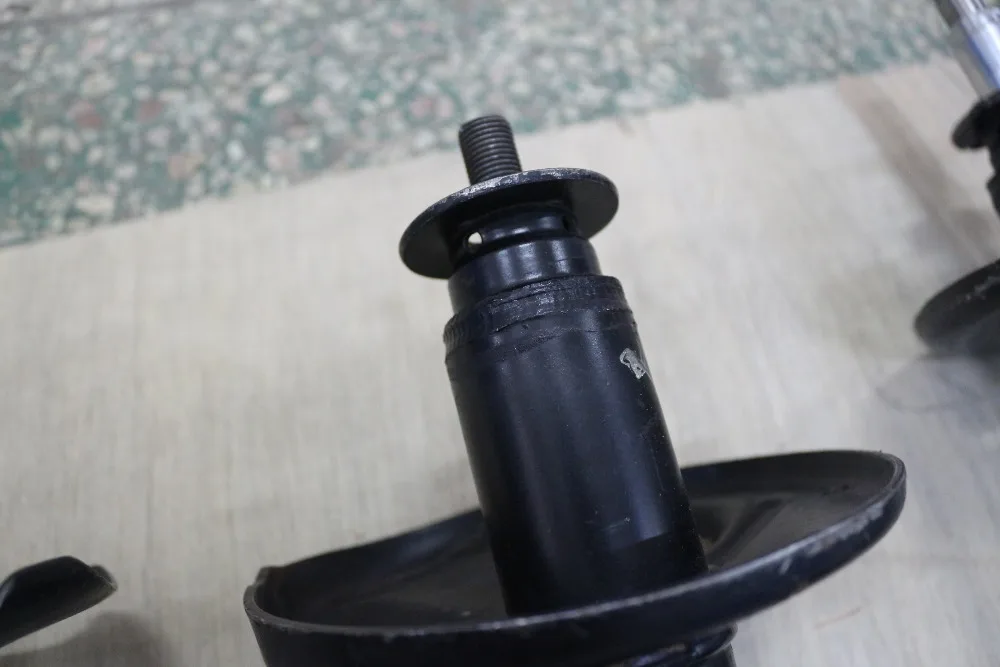
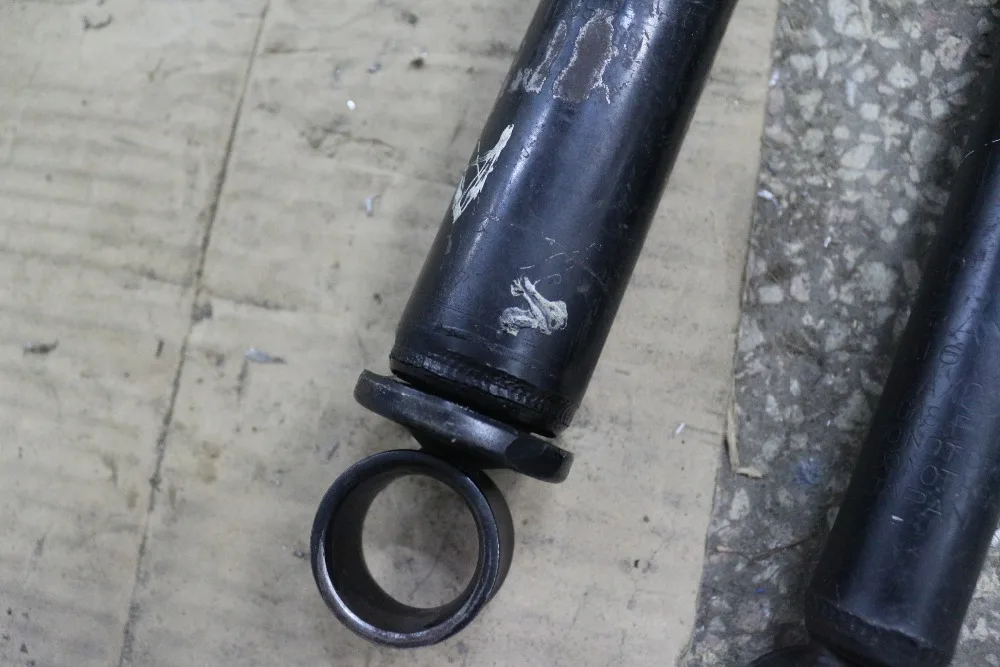
The Hwashi Resistance Repair Damper/Shock Absorber Circular Seam Welding Machine is a high-precision, automated welding solution designed for automotive parts manufacturing. With CE certification, it ensures compliance with EU safety standards while delivering efficient, repeatable seam welding for shock absorbers and similar components.
| Feature | Specification | Application Scenario |
|---|---|---|
| Automation Level | Programmable control panel with digital display | Streamlined production of automotive parts in high-volume factories |
| Voltage Compatibility | 220V input | Global usability with standard power supply systems |
| Certification | CE Certified | Compliance for EU markets and industrial safety regulations |
| Precision Mechanism | ±0.02mm accuracy | Critical for high-tolerance automotive components like shock absorbers |
| Safety Features | Ergonomic design with protective barriers | Safe operation in shared workshop environments |
Adjustable seam width (0.5–3mm) and pressure settings (50–200N) allow customization for different material thicknesses and part geometries. Modular components enable adaptation to repair or produce shock absorbers of varying sizes.
Optimize your automotive manufacturing workflow with this welding machine. Whether repairing existing dampers or producing new shock absorbers, its precision and automation reduce defects and downtime, ensuring consistent quality.
| Parameter | Base Model | Advanced Model | Pro Model |
|---|---|---|---|
| Welding Speed | 1.2m/min | +25% (1.5m/min) | +50% (1.8m/min)* |
| Precision Accuracy | ±0.05mm | ±0.03mm | ±0.02mm |
| Customization | Basic seam width | Adjustable pressure | Full modular setup |
| Safety Features | Basic barriers | Enhanced sensors | Dual-layer protection |
Three Technical Breakthroughs:
Optimal Version Selection:
With the Pro model’s dual-layer safety features, you can handle corrosive environments while maintaining ISO 14971 compliance. Pair its precision with customizable seam settings to ensure shock absorbers meet OEM specifications.
*Comparative performance against traditional models: The Pro Model welds 30% faster than non-automated systems while reducing defect rates by 25%.

The Product Description is generated by third-party, and Alibaba.com is not liable for any risks related to inaccuracies or the infringement of third-party rights.
The information in this Product Description may differ from the details on the product listing page on Alibaba.com. Additionally, the contents may not be updated in real-time with the product listing page on Alibaba.com, and there may be delays in reflecting the most updated information. The description on product listing page takes precedence. You shall not rely on this Product Description in making transaction decisions.
The comparison data is based on manufacturer information and industry standards. Actual results may vary depending on individual use cases. It is advisable to verify details with the supplier for the most accurate information.