All categories
Featured selections
Trade Assurance
Buyer Central
Help Center
Get the app
Become a supplier
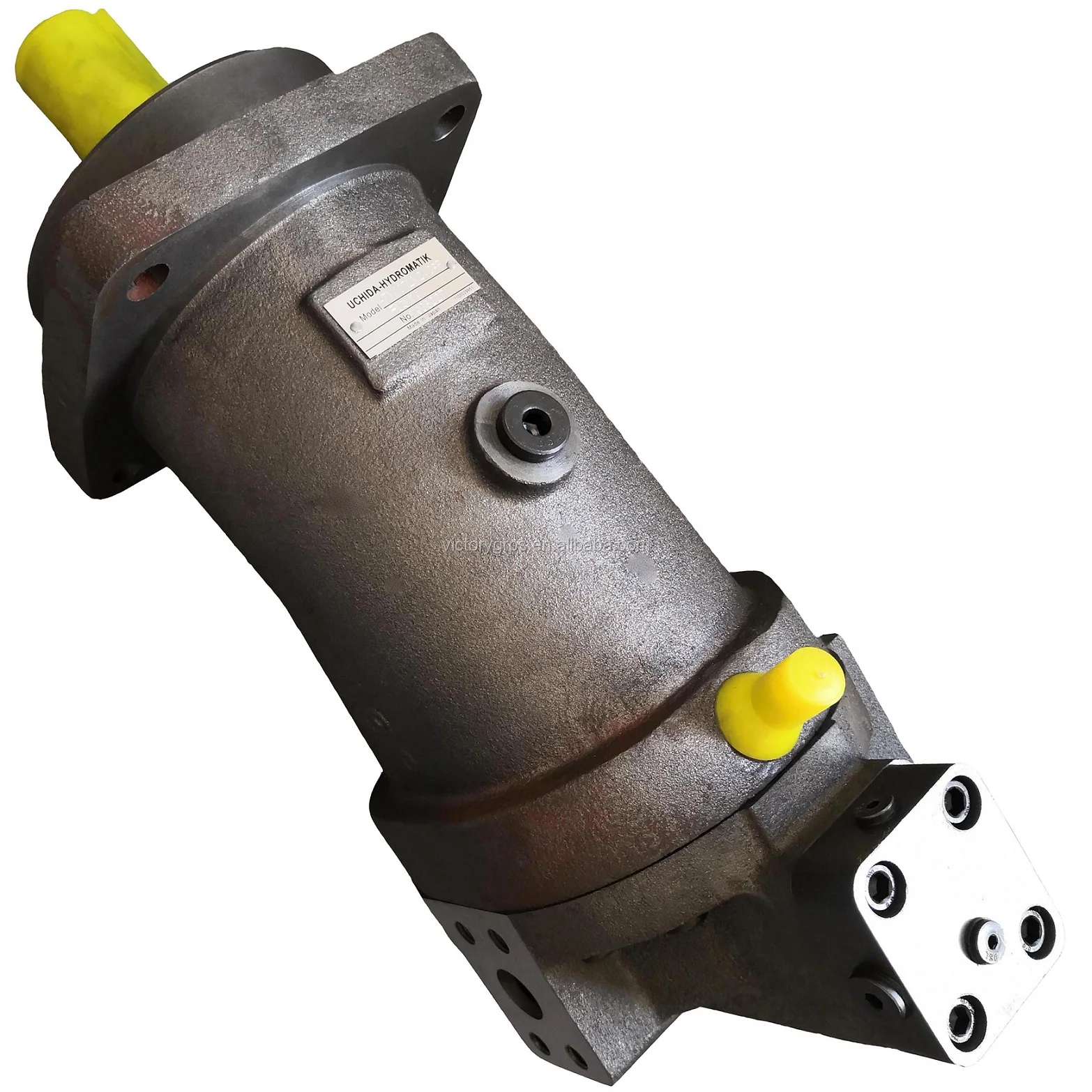
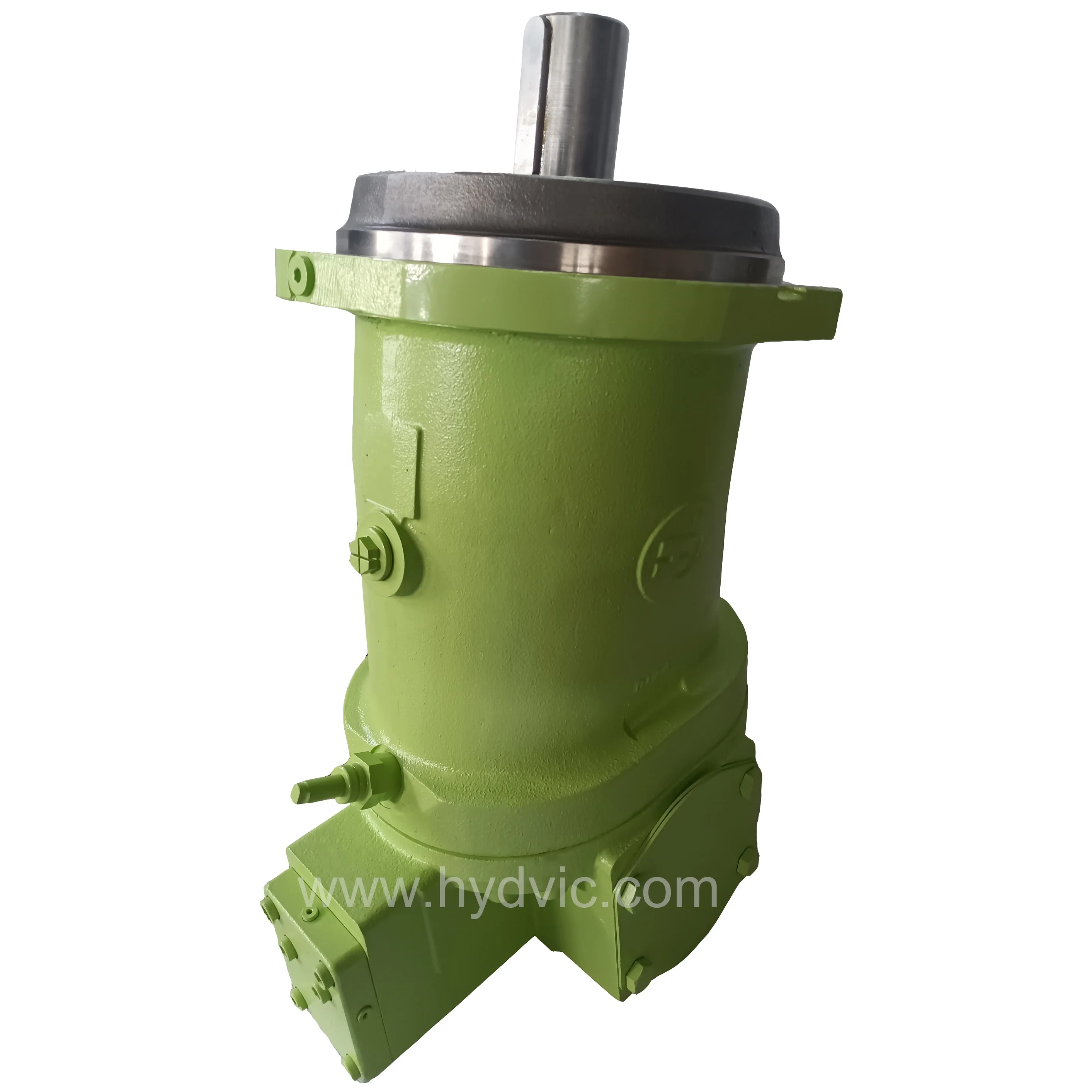
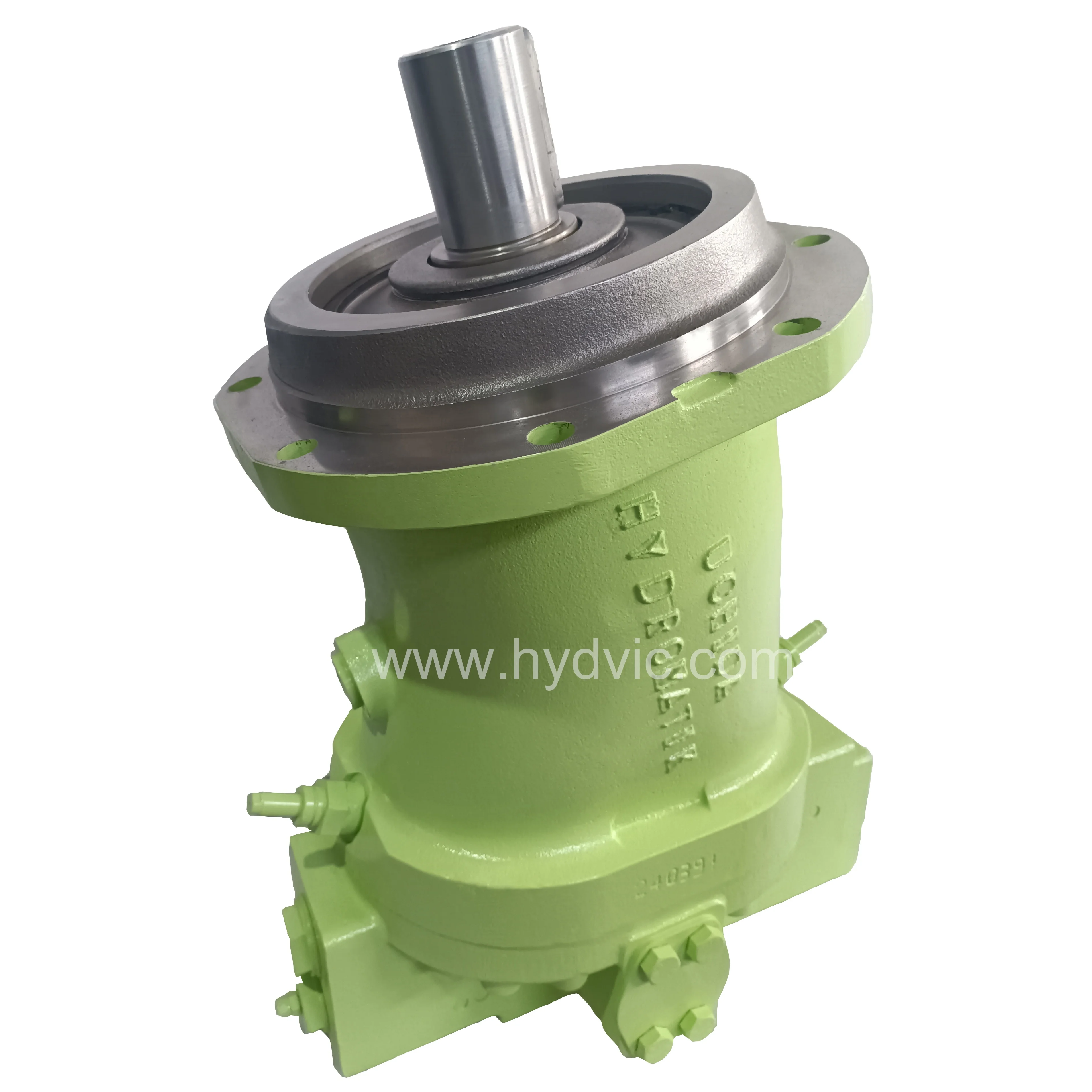
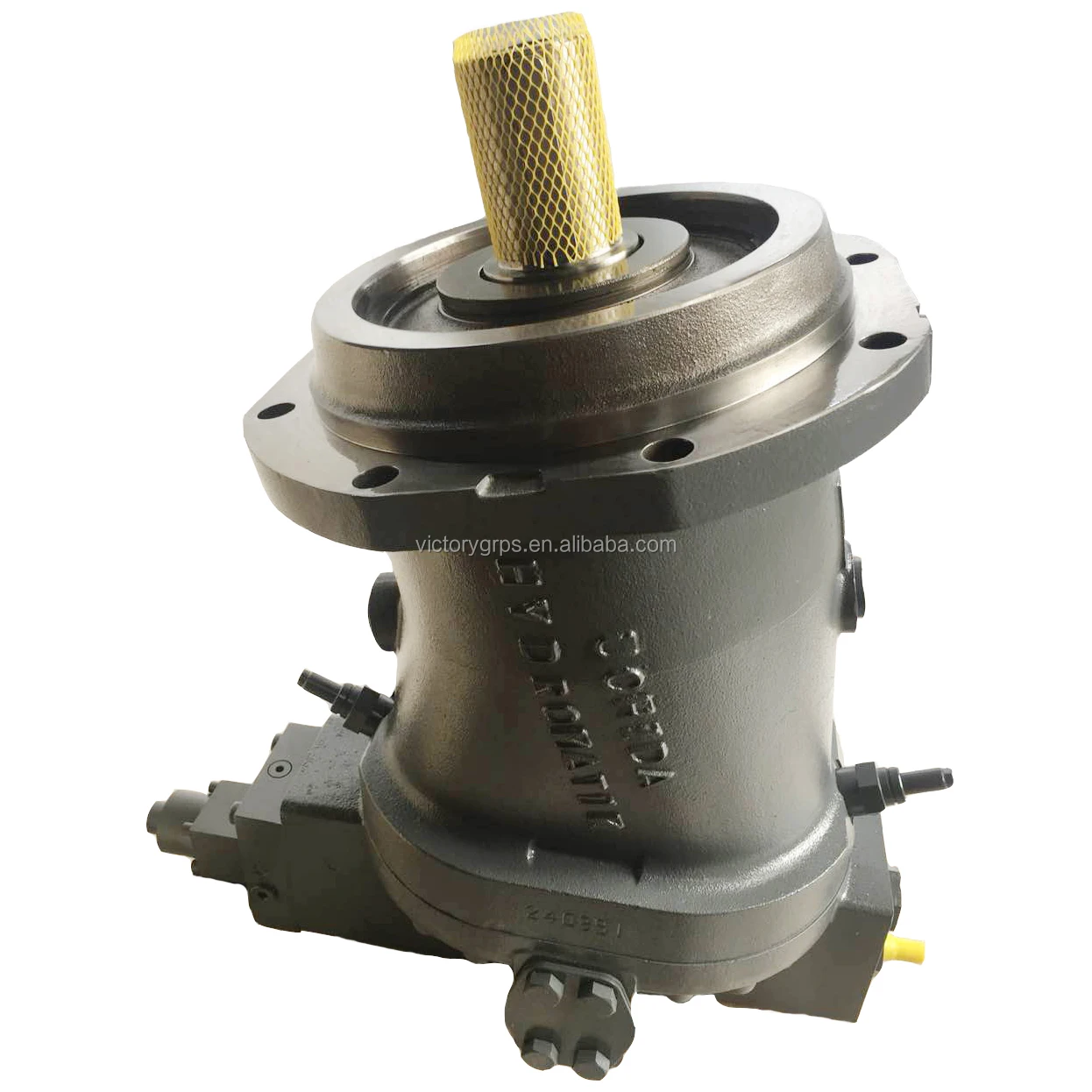
The MANNESMANN Hydromatik Uchida HD DR EL MA Hydraulic Pump series (models A7V20 to A7V500) is a high-pressure axial flow booster pump designed for precision control in industrial and construction applications. Built with cast iron and alloy steel, these pumps deliver robust performance under extreme conditions, offering variable displacement for adaptable torque and speed output.
| Feature | Specification | Benefit |
|---|---|---|
| Material | Cast iron/alloy steel | Durable construction for harsh environments |
| Displacement Type | Variable (adjustable range) | Precise control of torque/speed |
| Pressure | High (up to 420 bar) | Supports heavy-duty machinery demands |
| Ports | 2 hydraulic ports | Efficient fluid flow integration |
| Mounting | Flange with bolt holes | Secure installation for dynamic systems |
| Theory | Axial flow pump | Enhanced efficiency in pressure-boosting |
Adjustable displacement range (XX to XX cm³/rev) to meet torque/speed requirements of specific machinery.
Custom pressure limits for applications needing tailored output.
With variable displacement, optimize torque and speed for your machinery’s needs. Pair high-pressure capabilities (420 bar) with axial flow efficiency to boost performance in construction equipment or industrial systems.
| Parameter | Base Model (A7V20) | Advanced Model (A7V160) | Pro Model (A7V500) |
|---|---|---|---|
| Max Displacement | 20 cm³/rev | +15% (23 cm³/rev) | +30% (26 cm³/rev) |
| Max Pressure | 350 bar | 400 bar | 420 bar |
| Efficiency | 85% | +5% (90%) | +10% (95%) |
| Torque Capacity | 150 Nm | +20% (180 Nm) | +40% (210 Nm) |
Technical Breakthroughs:
Version Selection Guide:
With the Pro version’s triple-industry-standard pressure rating, you can safely handle abrasive fluids in mining. Its axial flow efficiency ensures 95% energy utilization, reducing operational costs by 15% compared to legacy systems.

The Product Description is generated by third-party, and Alibaba.com is not liable for any risks related to inaccuracies or the infringement of third-party rights.
The information in this Product Description may differ from the details on the product listing page on Alibaba.com. Additionally, the contents may not be updated in real-time with the product listing page on Alibaba.com, and there may be delays in reflecting the most updated information. The description on product listing page takes precedence. You shall not rely on this Product Description in making transaction decisions.
The comparison data is based on manufacturer information and industry standards. Actual results may vary depending on individual use cases. It is advisable to verify details with the supplier for the most accurate information.