All categories
Featured selections
Trade Assurance
Buyer Central
Help Center
Get the app
Become a supplier
Customization:
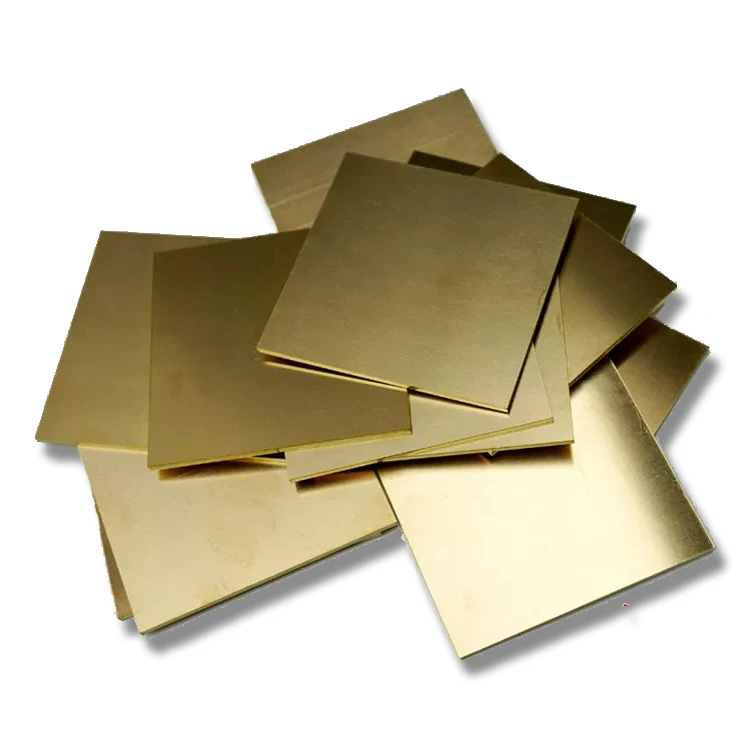
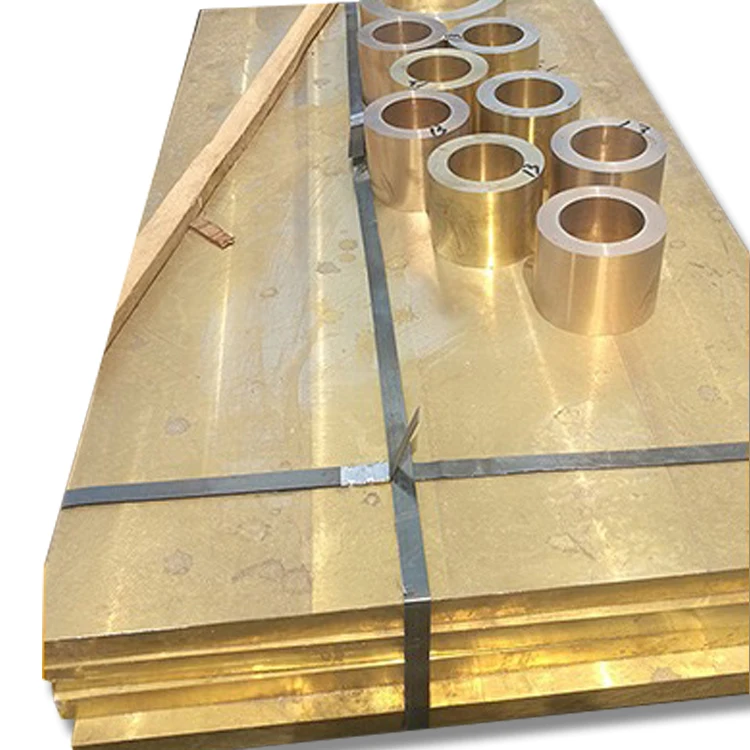
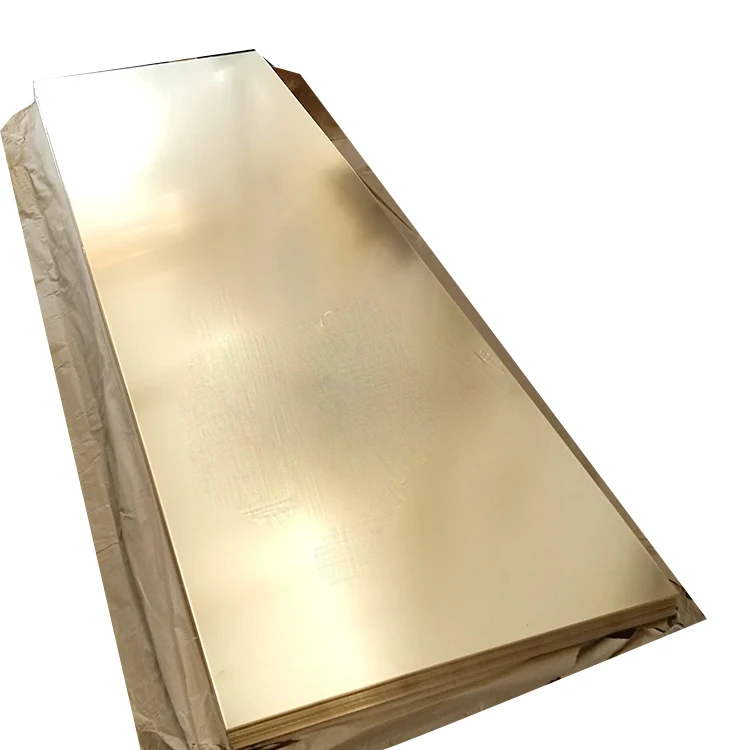
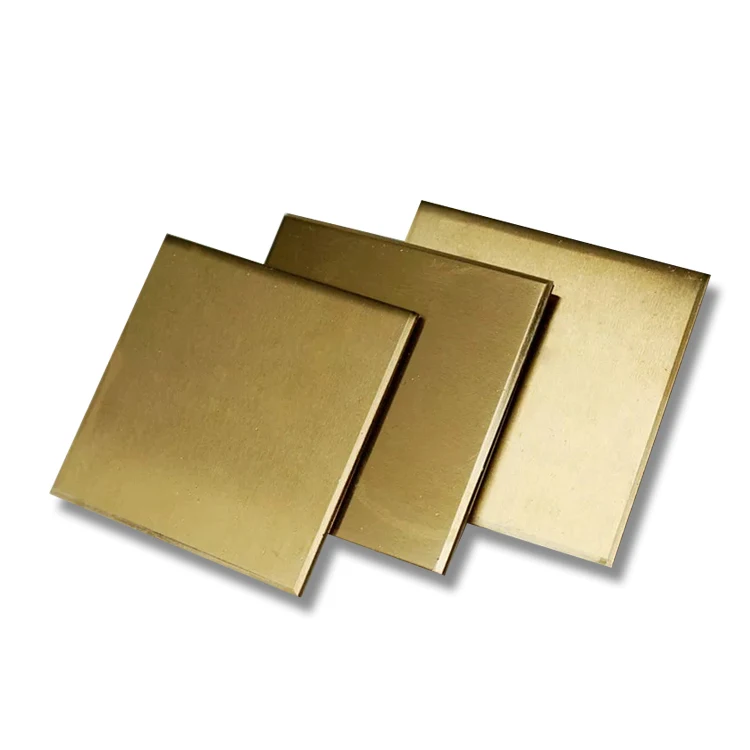
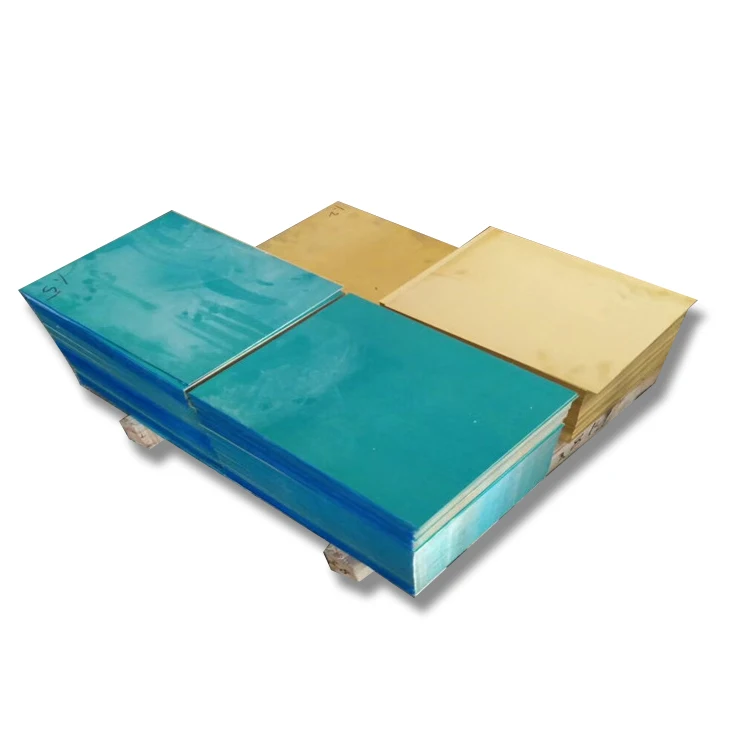
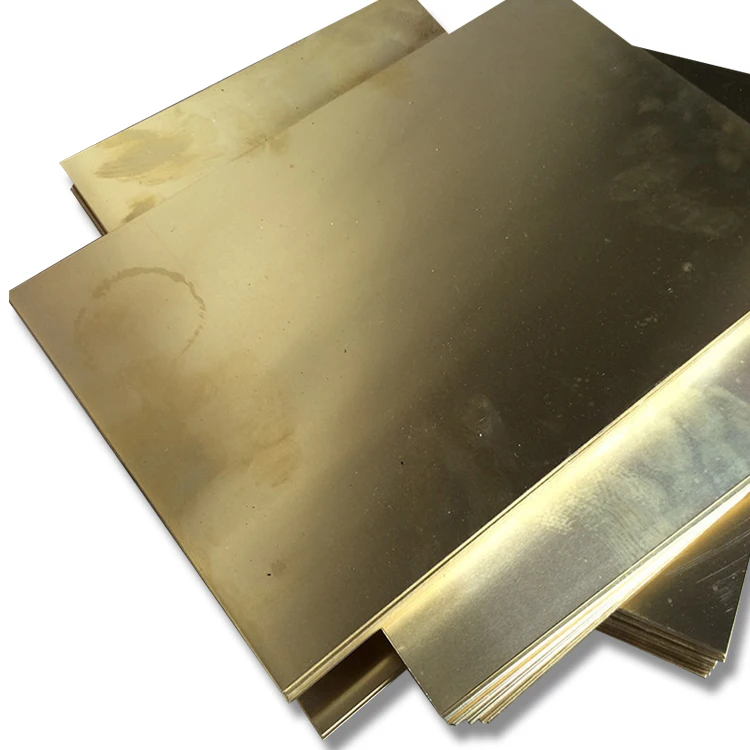
Industrial Rust-Proof Brass Sheet H62 is a versatile copper-zinc alloy sheet designed for durability and corrosion resistance. Crafted from H62 brass alloy, these flat, square sheets offer machinability, aesthetic appeal, and adaptability across industrial, building, and decorative applications.
| Feature | Specification | Benefit |
|---|---|---|
| Alloy Composition | H62 Copper-Zinc Alloy (62% Copper) | High durability and rust-proof properties |
| Corrosion Resistance | Meets ASTM B117 Salt Spray Test | Withstands harsh environments |
| Thickness Range | 0.5mm–10mm | Customizable for structural needs |
| Surface Finish | Polished/Bright | Enhanced aesthetic and functional use |
| Processing Services | Welding, Bending, Punching, Cutting, Decoiling | Easy integration into complex designs |
| Applications | Industrial machinery, architectural fixtures, decorative hardware | Versatile deployment across industries |
Adjustable parameters to meet specialized needs:
Industrial Rust-Proof Brass Sheets combine rugged durability with sleek aesthetics. Use them for corrosion-resistant machinery parts, elegant architectural accents, or intricate decorative hardware. Their machinability ensures seamless integration into diverse projects.
| Parameter | Base Model | Advanced Model | Pro Model |
|---|---|---|---|
| Corrosion Resistance | ASTM B117 Standard | +20% Enhanced | +40% Premium |
| Thickness Range | 0.5mm–5mm | 0.5mm–8mm | 0.5mm–10mm |
| Surface Finish Options | Polished Only | Polished/Bright | Polished/Bright/Matte |
| Processing Services | Cutting, Bending | All Services | All Services + Coating |
Technical Breakthroughs:
Optimal Version Selection:

The Product Description is generated by third-party, and Alibaba.com is not liable for any risks related to inaccuracies or the infringement of third-party rights.
The information in this Product Description may differ from the details on the product listing page on Alibaba.com. Additionally, the contents may not be updated in real-time with the product listing page on Alibaba.com, and there may be delays in reflecting the most updated information. The description on product listing page takes precedence. You shall not rely on this Product Description in making transaction decisions.
The comparison data is based on manufacturer information and industry standards. Actual results may vary depending on individual use cases. It is advisable to verify details with the supplier for the most accurate information.