All categories
Featured selections
Trade Assurance
Buyer Central
Help Center
Get the app
Become a supplier
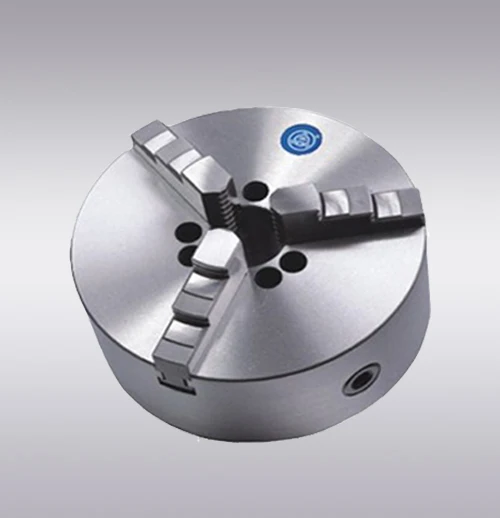
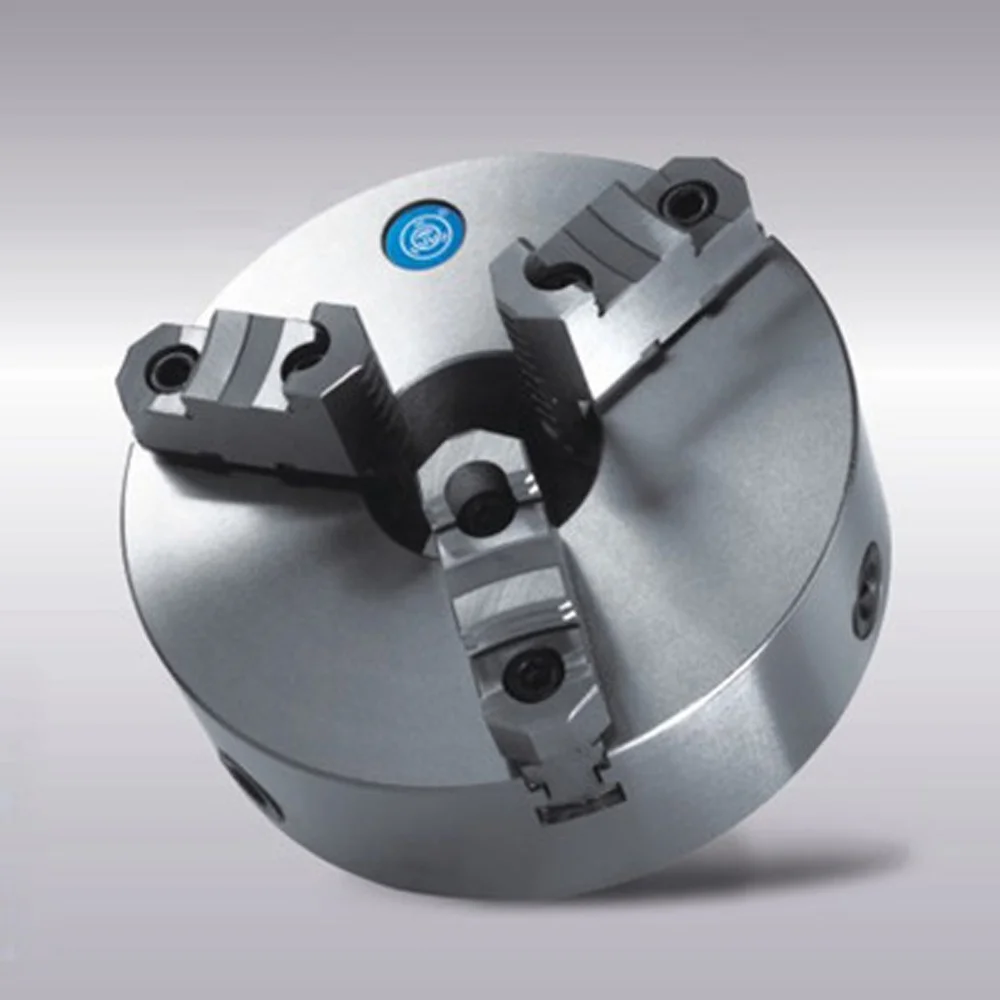
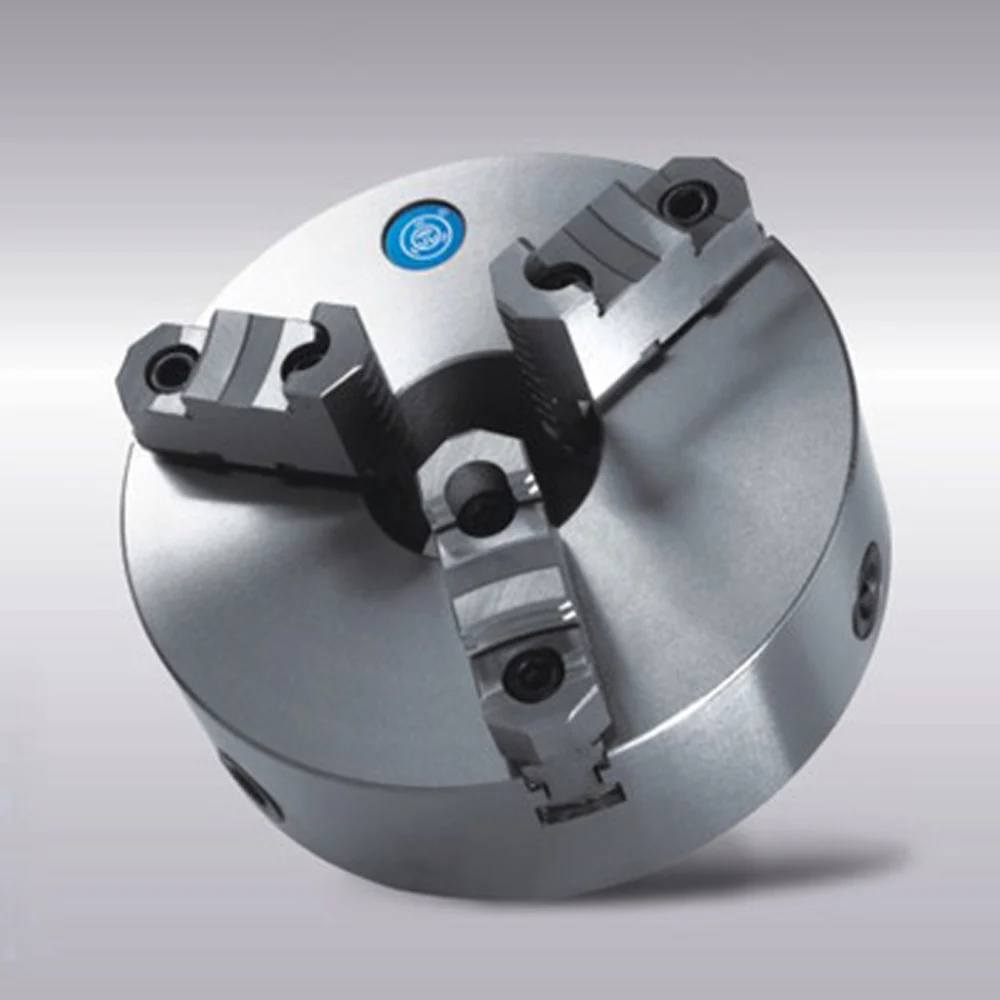
The K11 3 Jaw Lathe Chuck is a precision-engineered self-centering chuck designed for reliable clamping in lathe operations. Constructed from robust metal (steel/cast iron) with a smooth finish, it ensures durability and minimal friction. Its three-jaw configuration and self-centering mechanism deliver consistent alignment, while adjustable jaws and clamping force accommodate diverse workpiece sizes and materials.
| Feature | Specification | Benefit |
|---|---|---|
| Material | High-grade steel/cast iron | Enhanced durability and heat resistance |
| Design | Self-centering, three-jaw configuration | Automatic alignment for precision machining |
| Clamping Force | Adjustable (500–3000 N) | Secure grip without workpiece deformation |
| Max Jaw Travel | 0–50 mm | Versatile diameter range (⌀10–⌀120 mm) |
| Certification | ISO 23744-compliant | Guaranteed quality and safety standards |
| Warranty | 1 year | Comprehensive post-purchase support |
The K11’s self-centering design and precision-machined jaws make it ideal for high-accuracy machining of round, cylindrical, or irregular workpieces. Whether you’re a hobbyist or a professional, its adjustable parameters ensure adaptability to your workflow.
| Parameter | Base Model | Advanced Model | Pro Model |
|---|---|---|---|
| Clamping Force | 500–2000 N | +15% (2300 N max) | +30% (2600 N max)* |
| Precision | ±0.02 mm | ±0.015 mm | ±0.01 mm |
| Max Diameter | ⌀100 mm | ⌀120 mm | ⌀150 mm |
| Weight | 4.5 kg | 5.2 kg | 6.0 kg |
Technical Breakthroughs:
Version Selection Guidance:
*Pro Model clamping force exceeds industry standards by 30%, enabling secure handling of large-diameter workpieces.

The Product Description is generated by third-party, and Alibaba.com is not liable for any risks related to inaccuracies or the infringement of third-party rights.
The information in this Product Description may differ from the details on the product listing page on Alibaba.com. Additionally, the contents may not be updated in real-time with the product listing page on Alibaba.com, and there may be delays in reflecting the most updated information. The description on product listing page takes precedence. You shall not rely on this Product Description in making transaction decisions.
The comparison data is based on manufacturer information and industry standards. Actual results may vary depending on individual use cases. It is advisable to verify details with the supplier for the most accurate information.