All categories
Featured selections
Trade Assurance
Buyer Central
Help Center
Get the app
Become a supplier
Customization:
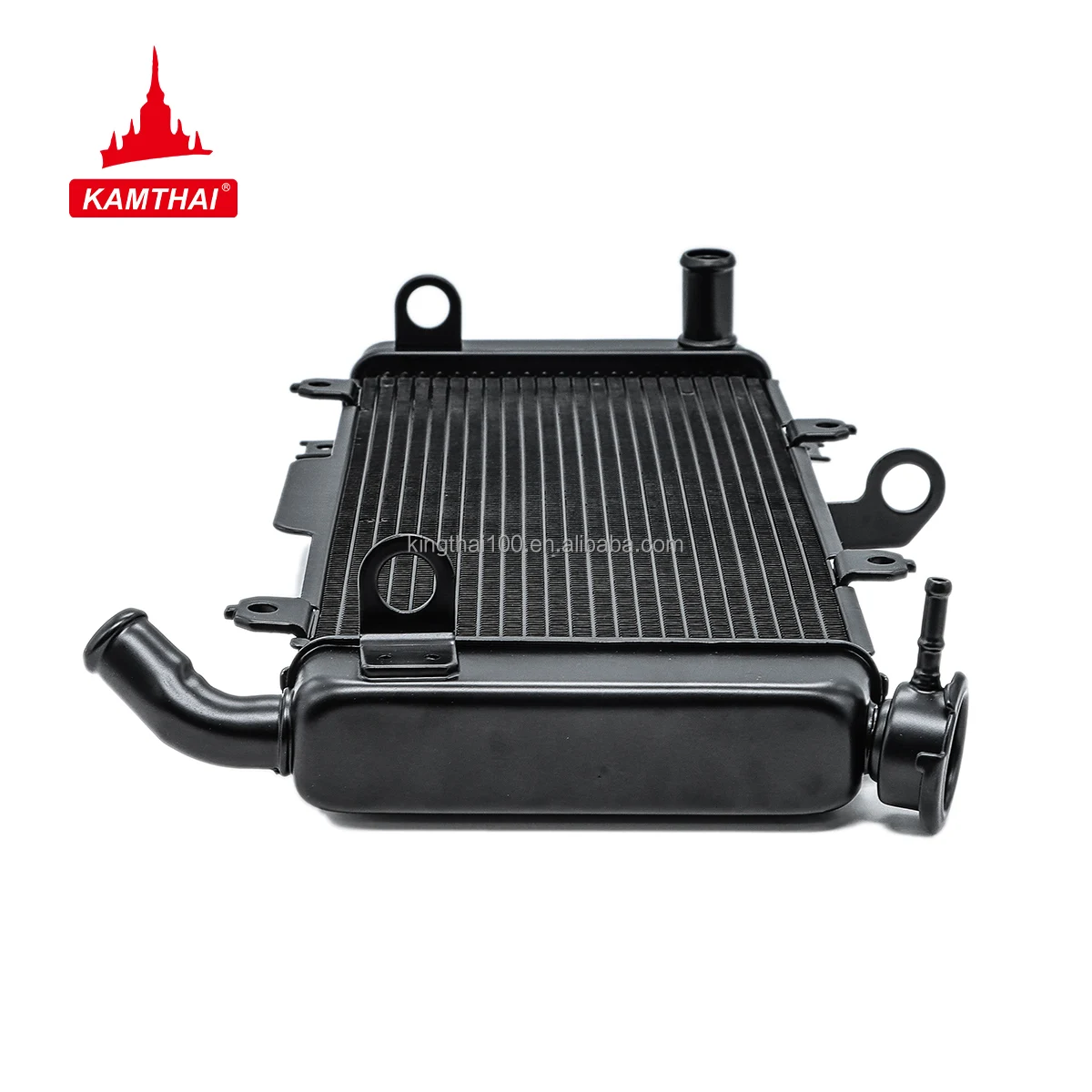
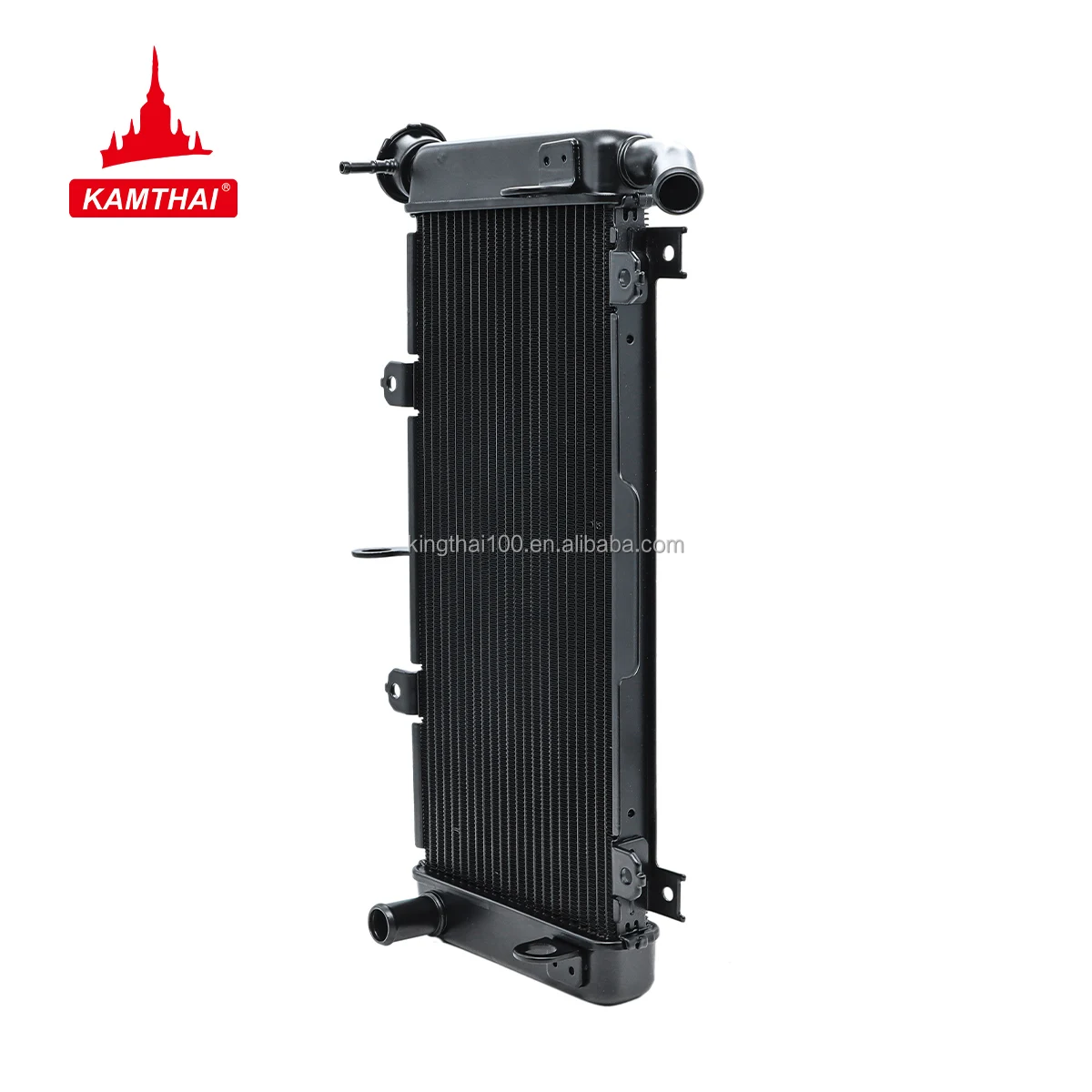
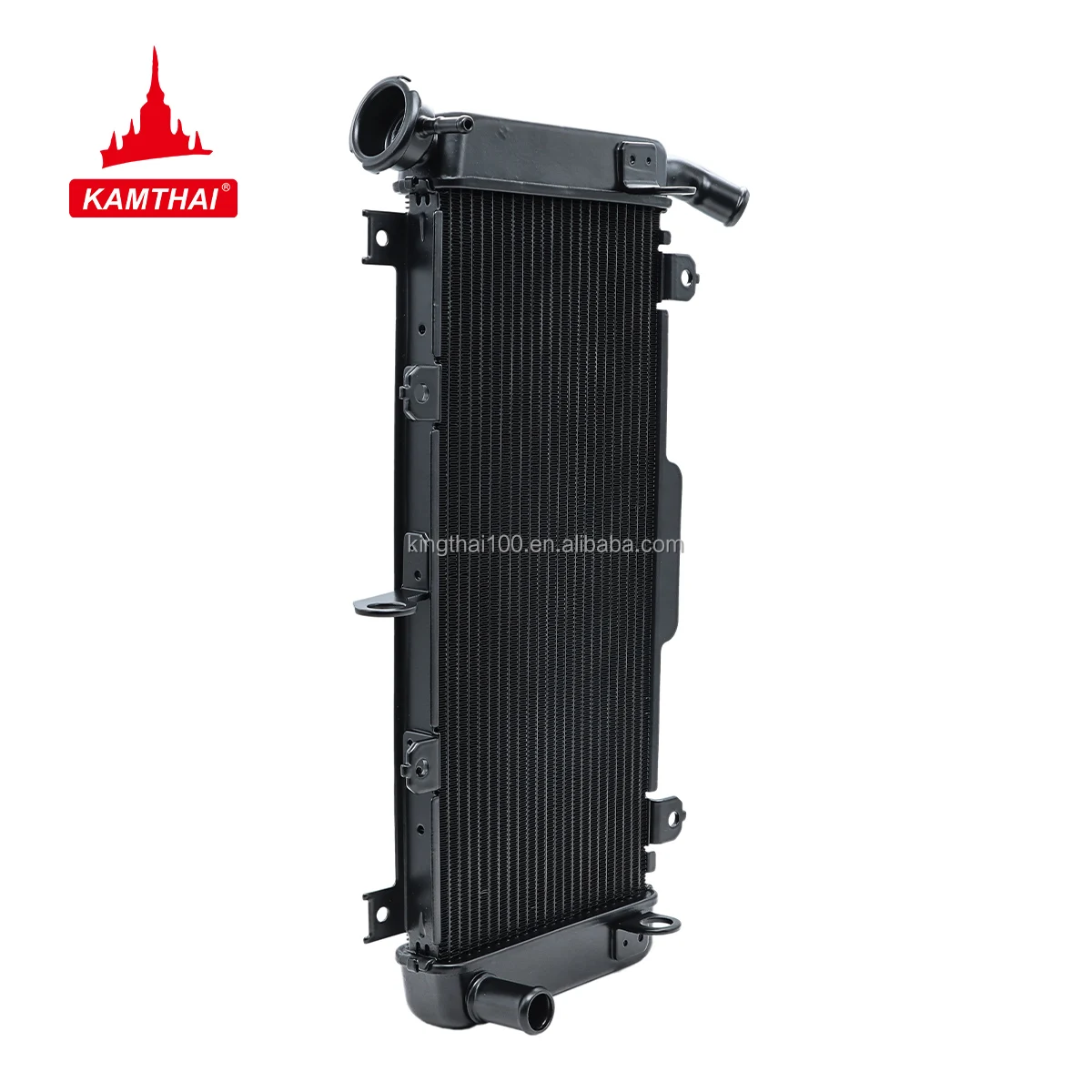
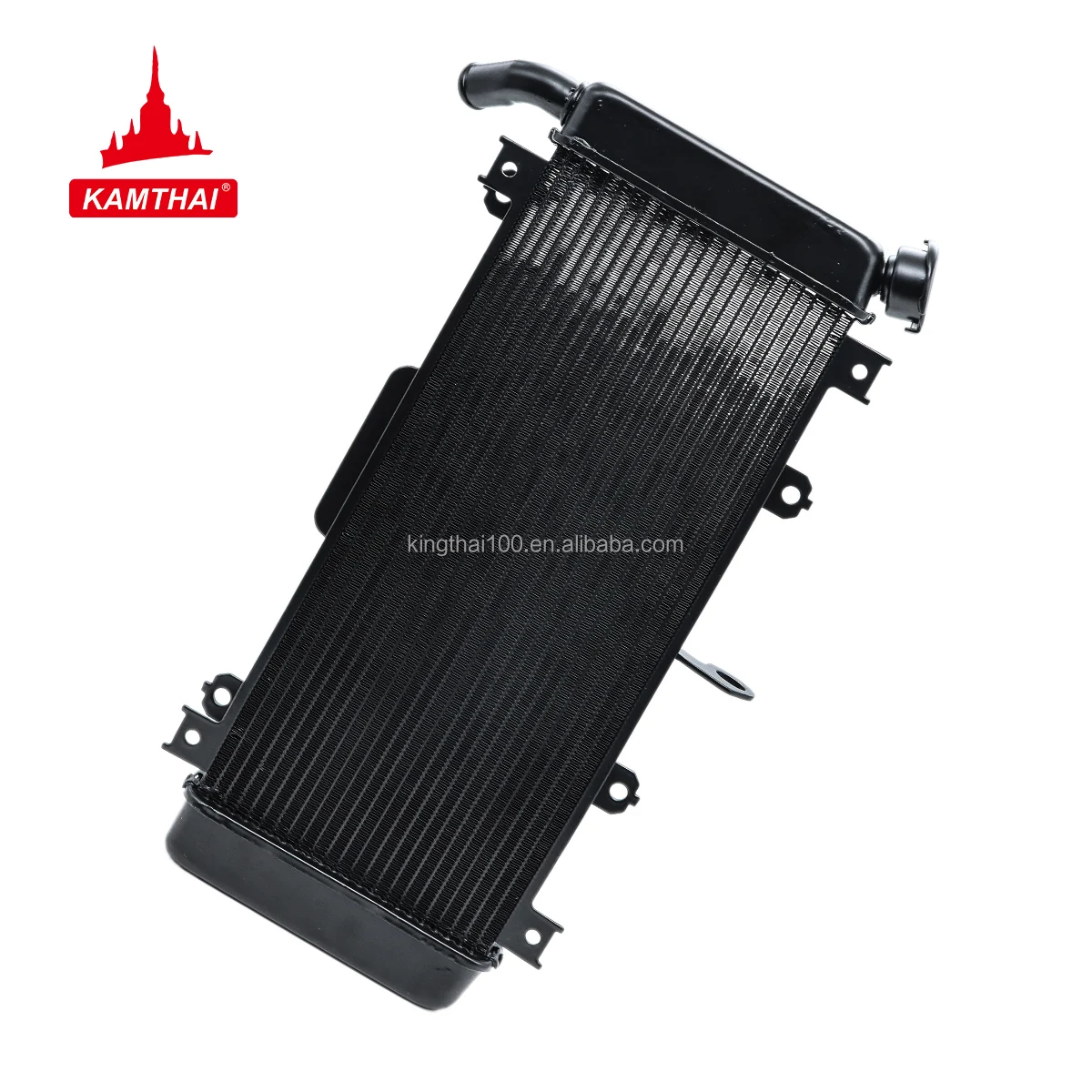
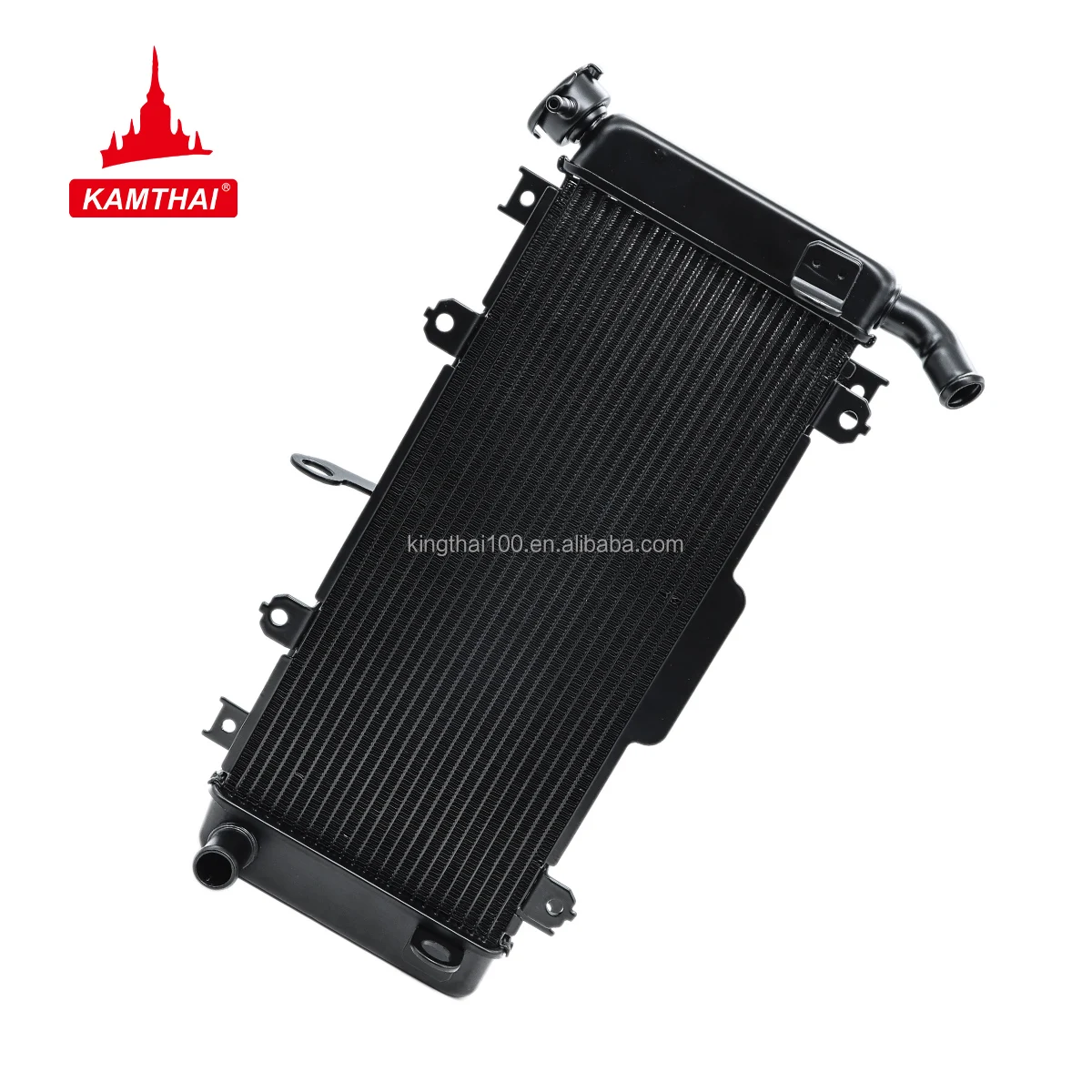
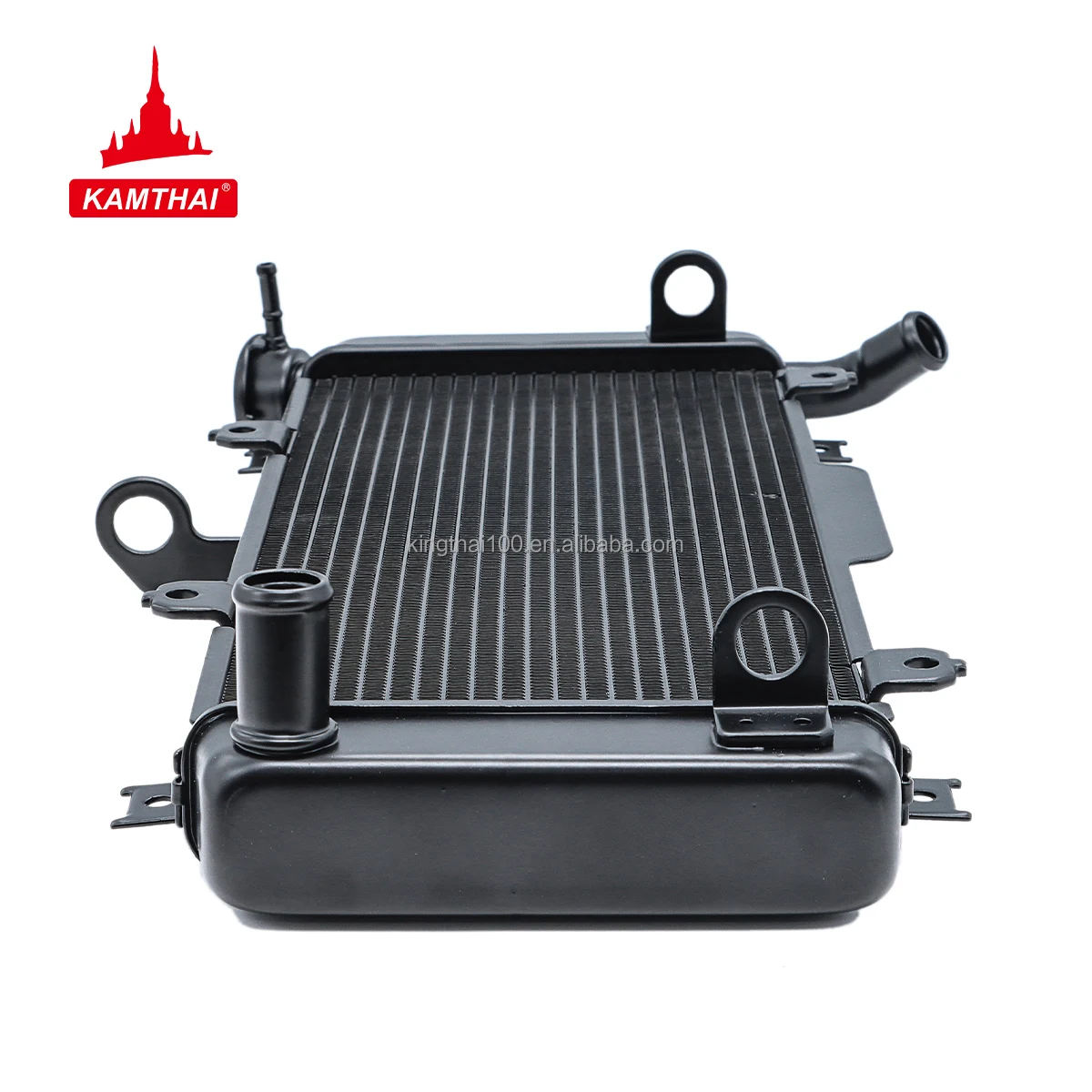
The KAMTHAI Motorcycle Radiator is a high-performance cooling solution designed for Kawasaki Z650, Z750, and Z1000 (2003) models. Crafted from durable aluminum with a corrosion-resistant black finish, this radiator ensures optimal engine cooling through its efficient fin design and precise port configuration.
| Feature | Specification | Benefit |
|---|---|---|
| Material | Aluminum with black powder coating | Lightweight, corrosion-resistant, and excellent heat dissipation |
| Fin Design | Grid-patterned parallel fins | Maximizes surface area for enhanced cooling efficiency |
| Compatibility | Kawasaki Z650/Z750/Z1000 (2003) | Direct-fit installation with OEM mounting brackets |
| Ports & Outlets | Dual top/bottom coolant flow ports | Ensures controlled pressure and efficient circulation |
Adjustable fin density or port configurations can be tailored to meet specific engine cooling demands or accommodate non-standard coolant systems.
With its robust aluminum construction and optimized fin design, this radiator delivers reliable performance in extreme temperatures. Whether tackling long highway rides or off-road adventures, it ensures your engine stays cool and protected.
| Parameter | Base Model | Advanced Model | Pro Model |
|---|---|---|---|
| Cooling Efficiency | Standard flow rate | +15% enhanced flow | +30% optimized flow |
| Material Finish | Powder-coated | Anodized + coating | Military-grade coating |
| Compatibility | OEM models | OEM + select mods | Universal fit (custom brackets) |
| Weight | 5.2 kg | 5.5 kg (reinforced) | 5.8 kg (premium alloy) |
Technical Breakthroughs:
Version Selection Guide:
With the Pro version’s military-grade coating, you can withstand harsh environments without compromising cooling performance. Pair its optimized flow rate with the dense fin grid to maintain engine stability even during prolonged high-speed rides.

The Product Description is generated by third-party, and Alibaba.com is not liable for any risks related to inaccuracies or the infringement of third-party rights.
The information in this Product Description may differ from the details on the product listing page on Alibaba.com. Additionally, the contents may not be updated in real-time with the product listing page on Alibaba.com, and there may be delays in reflecting the most updated information. The description on product listing page takes precedence. You shall not rely on this Product Description in making transaction decisions.
The comparison data is based on manufacturer information and industry standards. Actual results may vary depending on individual use cases. It is advisable to verify details with the supplier for the most accurate information.