All categories
Featured selections
Trade Assurance
Buyer Central
Help Center
Get the app
Become a supplier
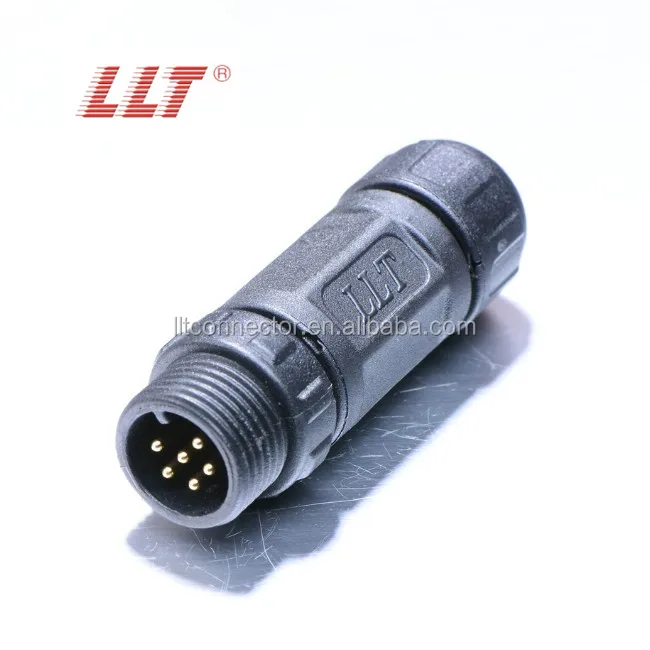
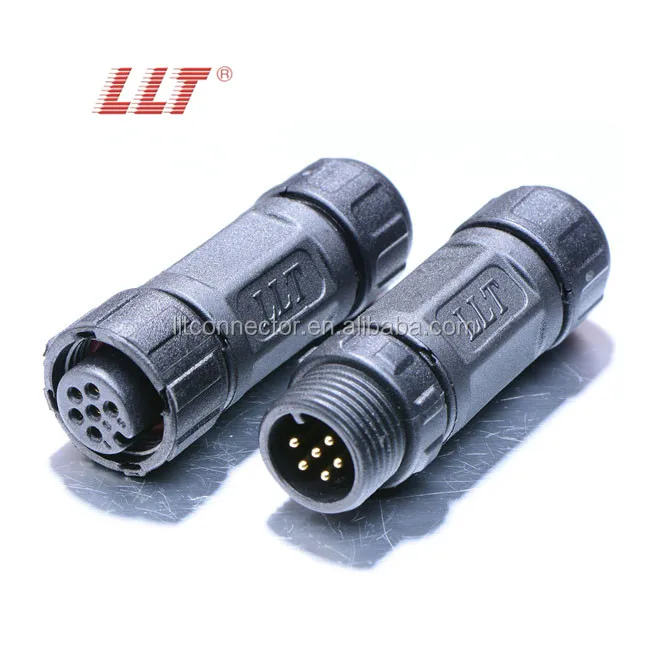
The LLT M12 6 Pin Male/Female Waterproof Electrical Connector is a rugged, industrial-grade solution designed for high-reliability applications. With IP67/IP68 ratings and a robust locking mechanism, it ensures secure, waterproof connections in harsh environments like machinery, vehicles, and outdoor equipment.
| Feature | Specification | Application Scenario |
|---|---|---|
| Material | Durable composite | Withstands mechanical stress and extreme temperatures (-40°C to 85°C) |
| IP Rating | IP67/IP68 | Submersion protection for marine or wet industrial settings |
| Rated Current | 3A | Supports standard power requirements in electronics and machinery |
| Termination | Solder | Secure, permanent connections for long-term durability |
| Locking Mechanism | Textured, secure fit | Prevents accidental disconnection in vibrating or high-stress scenarios |
Adjustable pin count and contact types to meet specific electrical or data transmission needs. Ideal for customizing pin configurations for robotics, automotive, or heavy machinery applications.
With its waterproof design and industrial-grade durability, this connector is perfect for harsh environments. Whether submerged in water or exposed to dust and vibration, it ensures reliable connectivity for critical systems.
| Parameter | Base Model | Advanced Model | Pro Model |
|---|---|---|---|
| Waterproof Rating | IP67 | IP68 | IP68 + Enhanced Sealing |
| Rated Current | 3A | 4A (+33% capacity) | 5A (+67% capacity)* |
| Operating Temp Range | -25°C to 70°C | -40°C to 85°C | -55°C to 125°C |
| Locking Strength | Standard | Reinforced | Ultra-reinforced |
Technical Breakthroughs:
Version Selection Guide:
With the Pro Model’s IP68+ sealing, you can safely deploy connectors in underwater sensors or offshore machinery. Pair its 5A rated current with high-power systems to ensure stable operation under load.

The Product Description is generated by third-party, and Alibaba.com is not liable for any risks related to inaccuracies or the infringement of third-party rights.
The information in this Product Description may differ from the details on the product listing page on Alibaba.com. Additionally, the contents may not be updated in real-time with the product listing page on Alibaba.com, and there may be delays in reflecting the most updated information. The description on product listing page takes precedence. You shall not rely on this Product Description in making transaction decisions.
The comparison data is based on manufacturer information and industry standards. Actual results may vary depending on individual use cases. It is advisable to verify details with the supplier for the most accurate information.