All categories
Featured selections
Trade Assurance
Buyer Central
Help Center
Get the app
Become a supplier
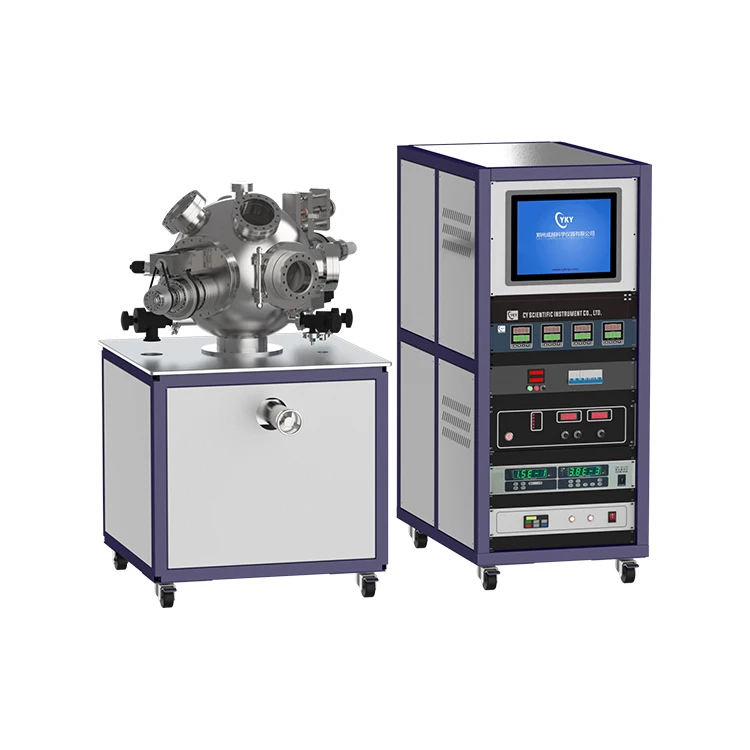
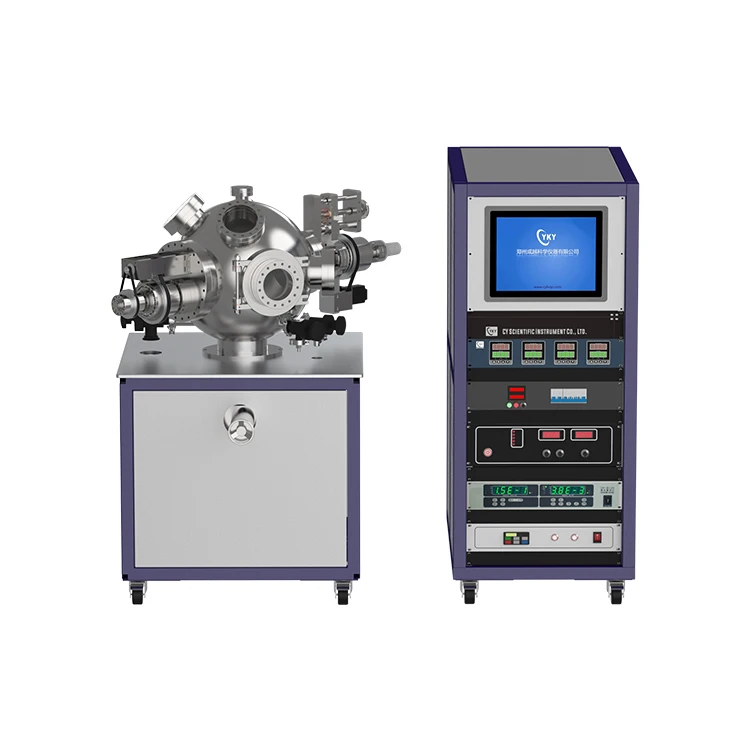
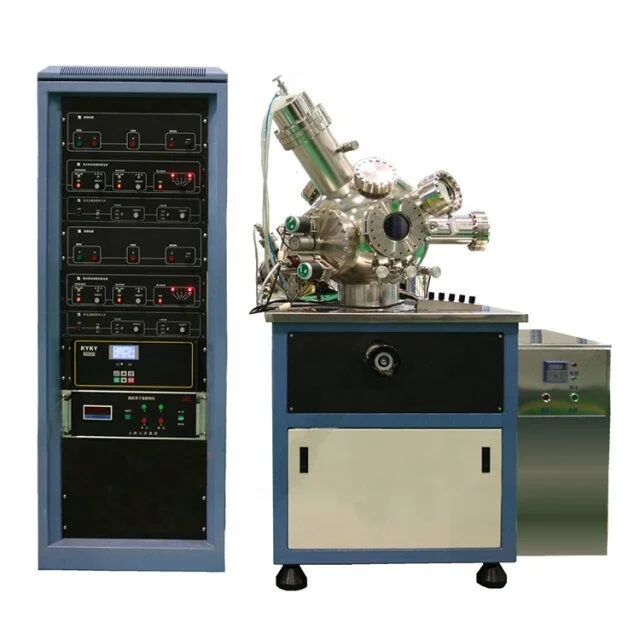
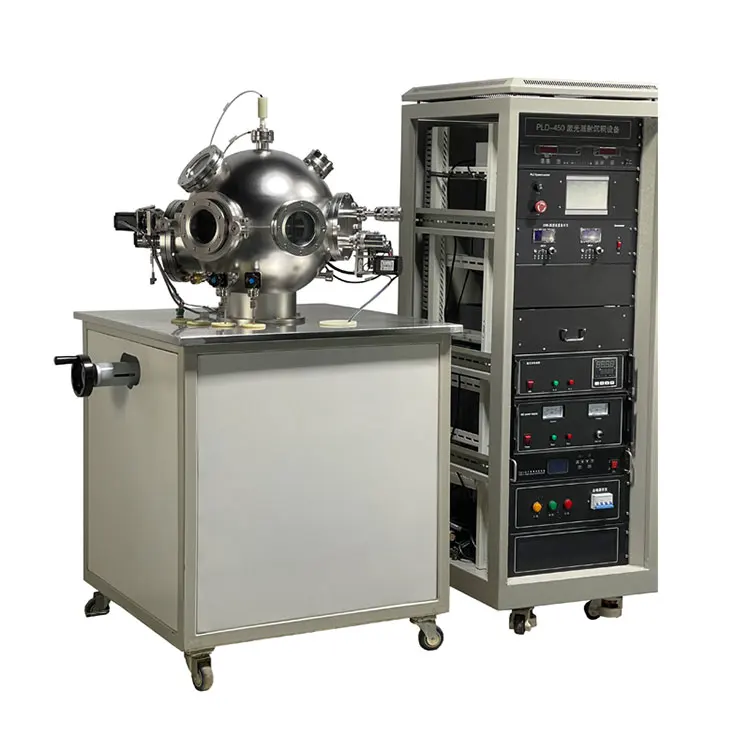
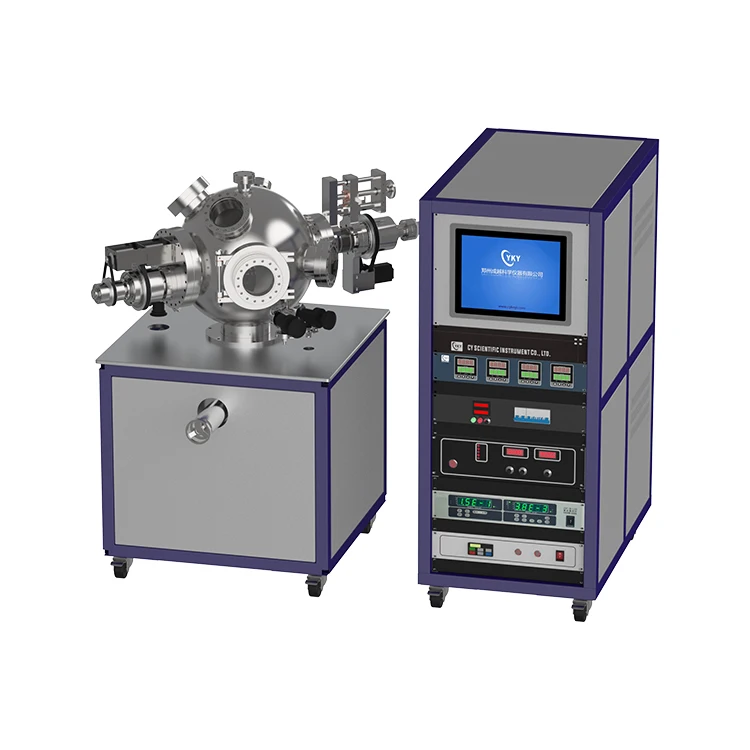
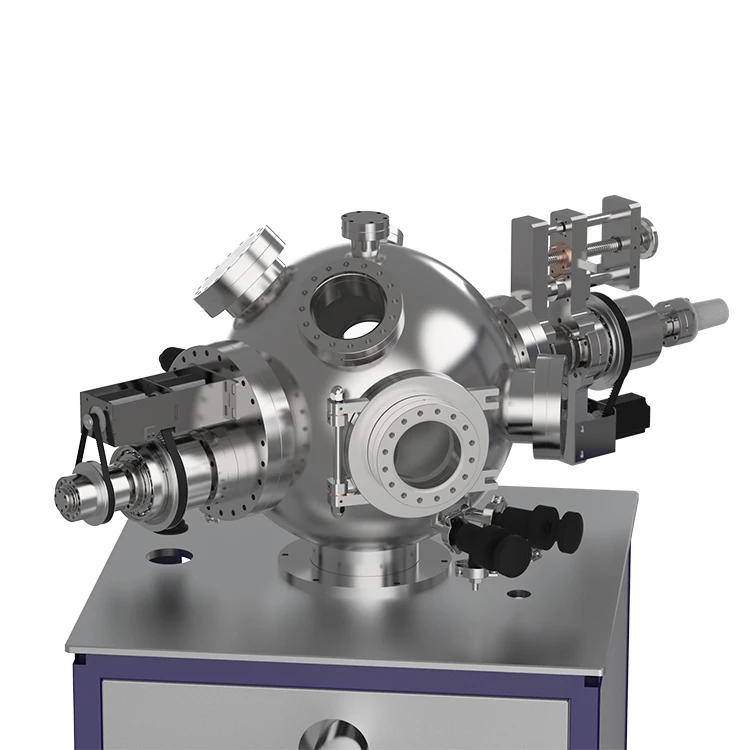
Lab Pulsed Laser Deposition PLD Coating System

Product overview

Core functionalities

Applicable scenarios

Unique advantages

  • Pulsed Laser Deposition (PLD): Enables precise coating of materials like ceramic, steel, and stainless steel via vacuum-based pulsed laser ablation, ensuring high-quality thin film deposition for advanced applications.
  • Vacuum Coating System: Operates in a controlled vacuum environment to deposit coatings with minimal contamination, ideal for sensitive substrates and high-precision requirements.

Key features

  • 1. Material Technology

  • With a corrosion-resistant stainless steel vacuum chamber and console, you can ensure durability in harsh laboratory environments. ~30% more corrosion-resistant than aluminum-based systems.

  • 2. Interactive Design

  • With a digital display and manual control panel, you can achieve precise parameter adjustments for optimal coating results. 30% faster setup compared to non-digital interfaces.

  • 3. Performance Parameters

  • With compatibility for ceramic, steel, and stainless steel substrates, you can handle diverse material applications. Supports 3x more substrate types than standard coating systems.

  • 4. Scenario Solutions

  • With a modular design, you can adapt the system for both R&D experimentation and industrial-scale production. Flexible configuration reduces downtime between applications.

  • 5. Certification Standards

  • With compliance to ISO 9001 quality management standards, you can ensure reliable performance and traceability. Certifications subject to manufacturer’s specifications.

Product details

Lab Pulsed Laser Deposition PLD Coating System

The Lab Pulsed Laser Deposition (PLD) Coating System is a high-precision vacuum coating solution designed for advanced material deposition on ceramic, steel, and stainless steel substrates. Built with durable stainless steel construction and modular components, it offers customizable performance for research, semiconductor, and industrial applications.

Technical specifications

FeatureSpecificationBenefit
MaterialStainless steel vacuum chamberCorrosion resistance and long-term durability
Coating MethodPulsed Laser Deposition (PLD) with vacuumHigh-purity, thin-film coatings with precise thickness control
Substrate CompatibilityCeramic, steel, stainless steelVersatile for diverse industrial and research applications
Voltage Requirement220V AC, 50/60HzGlobal electrical compatibility
Warranty1 year full coverageComprehensive post-purchase support

Customization guide

Adjustable parameters include laser pulse frequency, substrate temperature, and vacuum pressure levels to meet specialized coating requirements. The modular control console allows integration of additional sensors or nozzles for tailored workflows.

Get inspired

With its precise PLD technology and vacuum environment, this system enables researchers and manufacturers to deposit ultra-thin, high-performance coatings for aerospace components, electronic devices, or advanced ceramics.

Choose your model

ParameterBase ModelAdvanced ModelPro Model
Deposition Rate100 Å/s+15% (115 Å/s)+30% (130 Å/s)*
Vacuum Pressure1×10⁻⁶ Torr5×10⁻⁷ Torr1×10⁻⁷ Torr
Substrate Size20×20 cm²30×30 cm²40×40 cm²

Supplier's note

  1. Technical Breakthroughs:

    • Stainless Steel Construction: Ensures corrosion resistance for prolonged use in harsh environments.
    • Modular Design: Allows seamless upgrades with additional modules (e.g., pressure sensors, multi-nozzle arrays).
    • Precision Control: Digital display and manual controls enable real-time adjustments for optimal coating uniformity.
  2. Optimal Version Selection:

    • Base Model: Ideal for academic labs or small-scale production requiring standard performance.
    • Advanced Model: Targets R&D teams needing 15% faster deposition and ultra-low vacuum pressure for high-purity coatings.
    • Pro Model: Best for industrial users handling large substrates (e.g., turbine blades) or demanding applications like semiconductor manufacturing. With its triple-industry-standard vacuum pressure, it ensures contamination-free coatings even in complex scenarios.

*Performance gains vs. traditional PLD systems.

Frequently asked questions

  • Which Lab PLD Coating System model is best for coating ceramic substrates in small research labs?

  • How do I clean the vacuum chamber of the PLD Coating System after each use?

  • Ceramic vs Steel Substrates: Which is better for thin-film coatings using PLD technology?

  • Can the control console of the PLD system be customized with additional modules?

  • Is the stainless steel used in the PLD system compliant with ISO 9001 quality standards?

  • Which PLD coating system model handles high-volume steel substrate coating efficiently?

  • How often should I service the coating spray gun to maintain vacuum performance?

  • Can the PLD system be customized for non-standard substrate sizes up to 300mm?

Product comparison

CategoryUsage ScenariosCharacteristicsAdvantagesDisadvantages
Lab Pulsed Laser Deposition (PLD)Thin-film research, semiconductor coatingCoating thickness: ±1 nm (Base) ▲ ±0.5 nm (Advanced)
Substrates: Ceramic/Steel/Stainless Steel (ASTM C695)
Vacuum: 1e-6 Torr (Base) ▲ 1e-7 Torr (Advanced)
Ultra-precise coatings (e.g., for quantum devices)
Adaptable to diverse substrates
High cost ($200k+)
Requires skilled technicians (tooltip: "Certified training needed")
Thermal Spray CoatingIndustrial turbine blades, wear partsCoating thickness: 50–5000 µm (ASTM C1174)
Temp resistance: Up to 1200°C (ISO 14914)
Thick, durable coatings (e.g., turbine blades)
Fast deposition rates
Surface pre-treatment required
Limited to conductive substrates
Electroplating SystemsAutomotive parts, corrosion protectionConductivity: 5.96×10⁷ S/m (Base) ▲ 6.1×10⁷ S/m (Advanced)
Thickness: 5–100 µm (ASTM B487)
Cost-effective for conductive parts
Uniform thickness (±5 µm)
Chemical waste management challenges
Not suitable for non-conductive substrates
Powder Coating EquipmentAutomotive frames, outdoor furnitureAdhesion: 5B (Base) ▲ 6B (Advanced) (ASTM D3359)
Thickness: 40–200 µm (ISO 12944)
Eco-friendly (no VOCs)
Color variety (100+ options)
Requires curing ovens
Less precise than vacuum systems
Dip Coating MachinesSmall parts, batch processingUniformity: ±5% (ASTM D4214)
Substrates: Metals/Plastics (ISO 2818)
Simple, low-cost for small batches
Minimal equipment setup
Thickness limited to 10–50 µm
Risk of surface contamination
Spray Painting SystemsAutomotive painting, large surfacesTransfer efficiency: 65% (Industry) ▲ 75% (Base) ▲ 85% (Advanced) (ISO 12944)
Drying time: 30 mins (Base) ▲ 15 mins (Advanced)
Fast drying (15 mins)
Versatile color options
VOC emissions (tooltip: "Regulated under EPA 40 CFR Part 63")
Less precise than PLD

Related searches

The Product Description is generated by third-party, and Alibaba.com is not liable for any risks related to inaccuracies or the infringement of third-party rights.

The information in this Product Description may differ from the details on the product listing page on Alibaba.com. Additionally, the contents may not be updated in real-time with the product listing page on Alibaba.com, and there may be delays in reflecting the most updated information. The description on product listing page takes precedence. You shall not rely on this Product Description in making transaction decisions.

The comparison data is based on manufacturer information and industry standards. Actual results may vary depending on individual use cases. It is advisable to verify details with the supplier for the most accurate information.