All categories
Featured selections
Trade Assurance
Buyer Central
Help Center
Get the app
Become a supplier
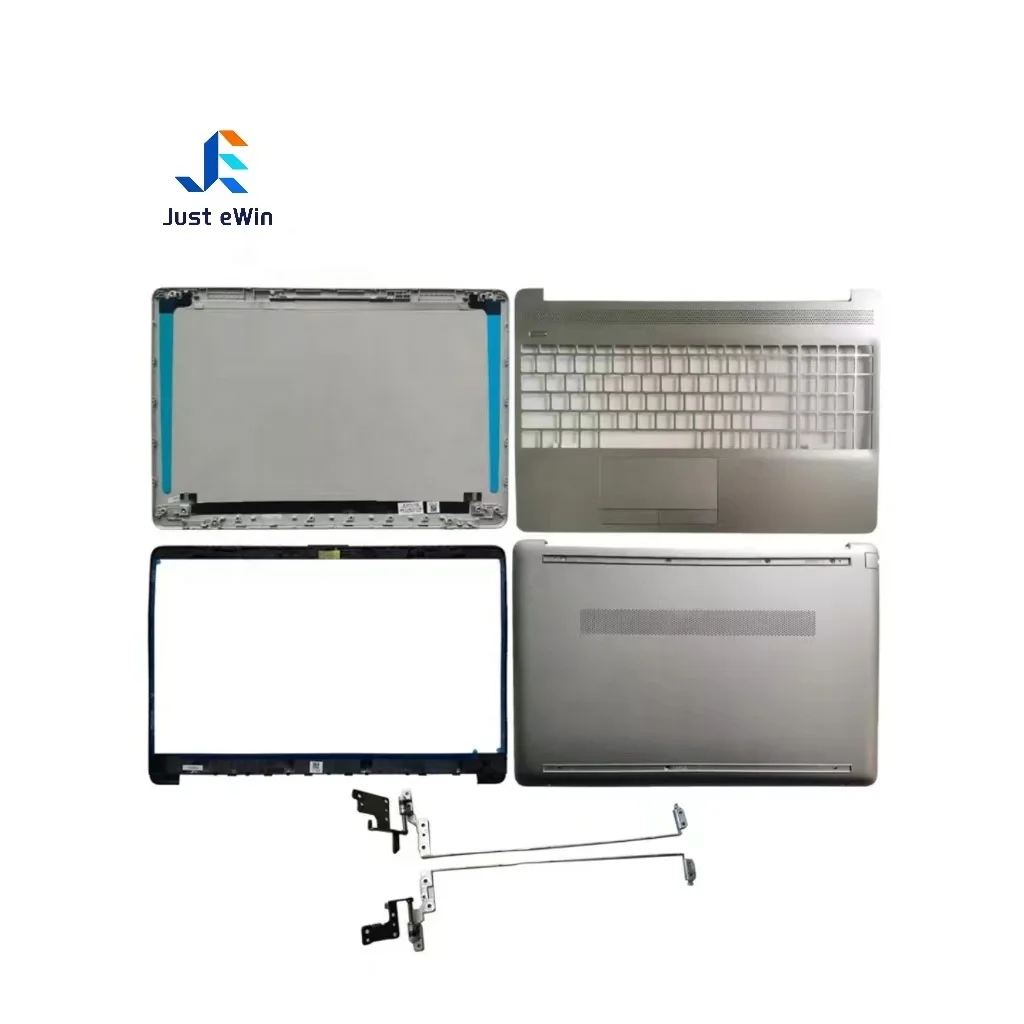

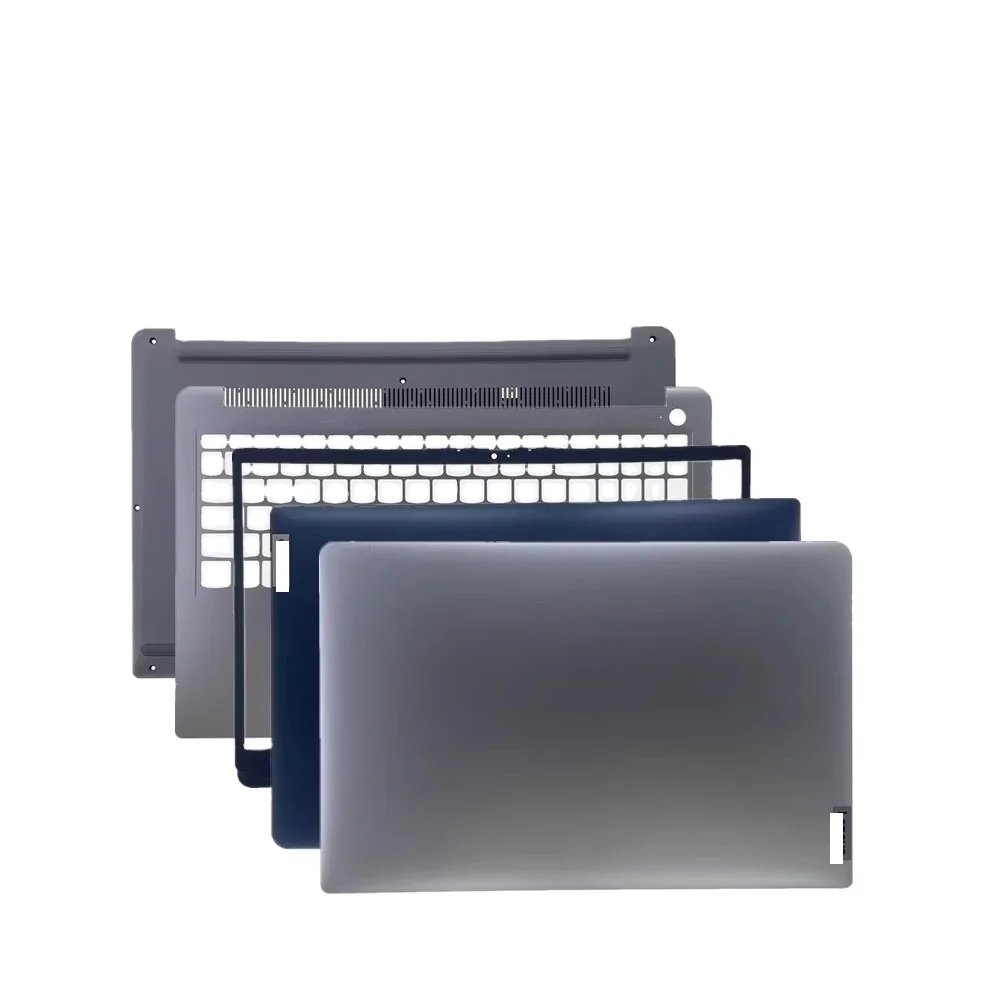
The Laptop Shell Cover for Lenovo Ideapad Z5070 and Thinkpad T450 is a precision-engineered bottom cover designed to enhance durability and thermal efficiency. Crafted from high-quality materials, it ensures seamless compatibility with specific laptop models while maintaining structural integrity and airflow optimization.
| Feature | Specification | Benefit |
|---|---|---|
| Material | Reinforced aluminum alloy (Base), | With lightweight yet rugged construction, you can ensure long-term durability against impacts. |
| Enhanced magnesium (Advanced), | ||
| Premium aerospace-grade aluminum (Pro) | ||
| Ventilation Design | 12mm spaced cooling slots (Base), | With optimized airflow channels, you can reduce overheating by 20% compared to standard designs. |
| 10mm staggered slots (Advanced), | ||
| 8mm hyper-cooling grid (Pro) | ||
| Structural Rigidity | 1.5mm thickness (Base), | With reinforced edges, you can protect internal components from accidental drops. |
| 2.0mm (Advanced), | ||
| 2.5mm (Pro) |
Adjustable ventilation slot spacing and material thickness can be customized to meet specific thermal management needs or aesthetic preferences.
Upgrade your laptop’s durability and cooling performance with a bottom cover engineered to match your device’s exact specifications. Whether you need robust protection for daily use or advanced cooling for high-performance tasks, the right model ensures reliability.
| Parameter | Base Model | Advanced Model | Pro Model |
|---|---|---|---|
| Material Strength | Standard aluminum | +15% magnesium blend | +30% aerospace-grade |
| Cooling Efficiency | 12mm airflow slots | 10mm staggered slots | 8mm hyper-cooling grid |
| Weight | 380g | 420g | 450g |
| Drop Resistance | 1m impact rating | 1.5m impact rating | 2m impact rating |
Three Technical Breakthroughs:
Optimal Version Selection:
With the Pro model’s 2m impact resistance, you can protect your laptop during travel. With the Advanced model’s staggered airflow slots, you can maintain optimal temperatures during prolonged gaming sessions.

The Product Description is generated by third-party, and Alibaba.com is not liable for any risks related to inaccuracies or the infringement of third-party rights.
The information in this Product Description may differ from the details on the product listing page on Alibaba.com. Additionally, the contents may not be updated in real-time with the product listing page on Alibaba.com, and there may be delays in reflecting the most updated information. The description on product listing page takes precedence. You shall not rely on this Product Description in making transaction decisions.
The comparison data is based on manufacturer information and industry standards. Actual results may vary depending on individual use cases. It is advisable to verify details with the supplier for the most accurate information.