All categories
Featured selections
Trade Assurance
Buyer Central
Help Center
Get the app
Become a supplier
Customization:
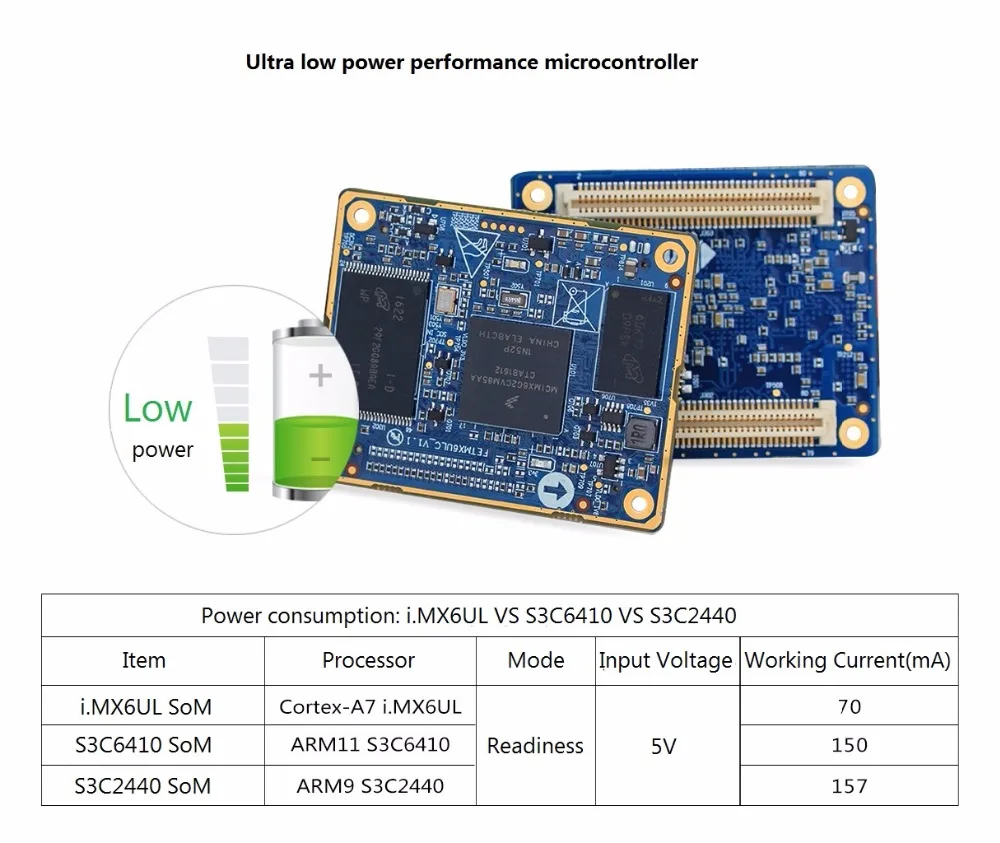
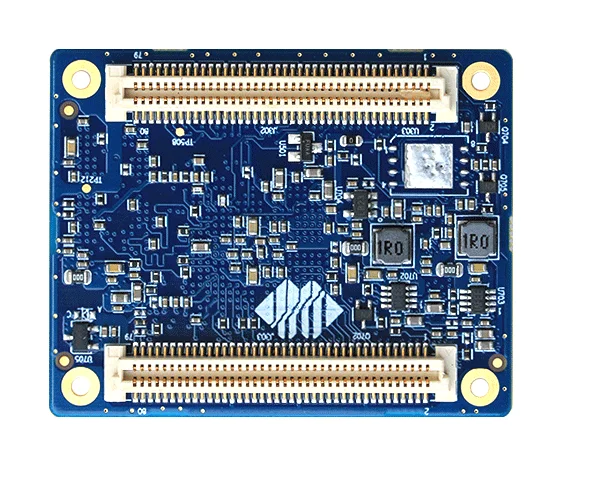
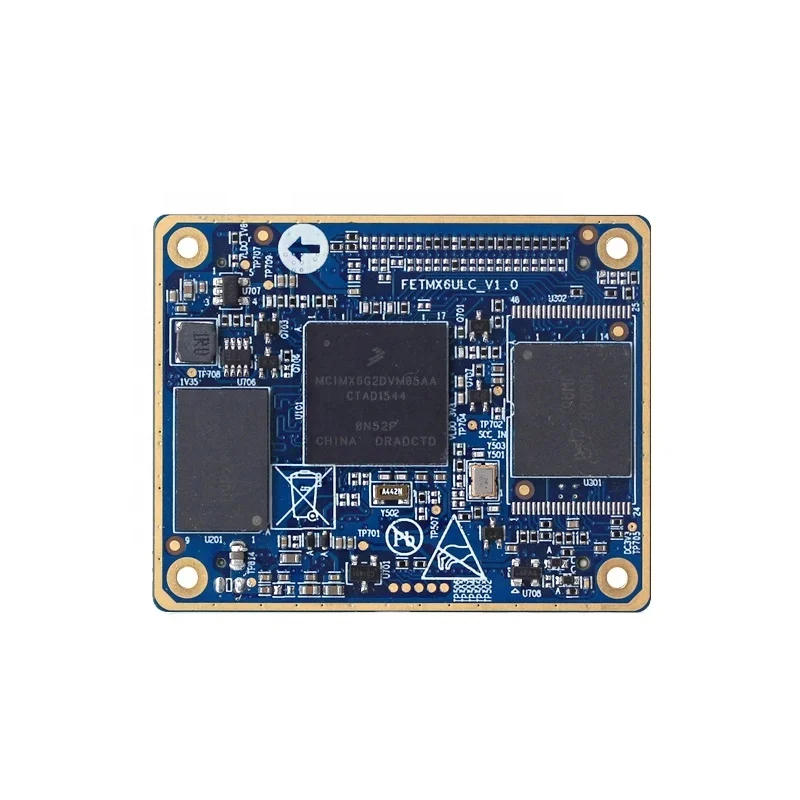
The Low Power IMX6 SoM System on Module is a compact, versatile embedded computing solution designed for low-power applications. Built on the Freescale i.MX 6 series microcontroller, it supports Linux Yocto for flexible software development and features a modular design with FR4 PCB material for durability. With 5V output voltage and a range of connectivity options, it is ideal for IoT devices, robotics, and industrial automation.
| Feature | Specification | Benefit |
|---|---|---|
| SoC | Freescale i.MX 6 series (MCIMX6G2DVM05AA) | High-performance computing with low power consumption |
| Memory | 512MB DDR3 RAM, 4GB eMMC storage | Efficient data processing and storage |
| Power | 5V output voltage | Stable power delivery for connected devices |
| Connectivity | USB 2.0, GPIO, SPI, I2C, UART | Versatile interface for peripheral integration |
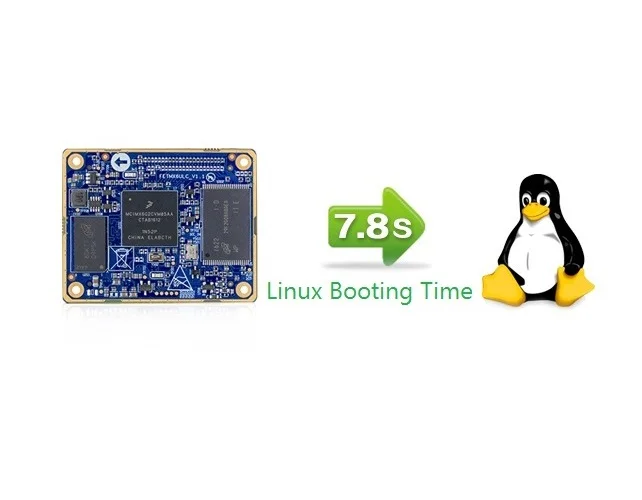
| OS Support | Linux Yocto | Customizable software environment |
| Material | FR4 PCB | Durable, high-temperature resistant |
Adjustable parameters such as RAM capacity (up to 2GB) and storage (up to 16GB eMMC) can be tailored to meet specific application needs, such as high-data IoT deployments or complex robotics control systems.
With the Freescale i.MX 6 series SoC, you can achieve high-performance computing in embedded systems while maintaining low power consumption. Its Linux Yocto compatibility ensures seamless integration with custom software solutions, making it ideal for prototyping smart devices or industrial automation systems.
| Parameter | Base Model | Advanced Model | Pro Model |
|---|---|---|---|
| Processing Power | 800MHz | 1.0GHz (+25%) | 1.2GHz (+50%) |
| RAM | 512MB | 1GB (+100%) | 2GB (+300%) |
| Storage | 4GB eMMC | 8GB eMMC | 16GB eMMC |
| Connectivity | USB 2.0, GPIO | USB 3.0, WiFi | USB 3.0, WiFi/Bluetooth |
| Power Efficiency | 0.5W idle | 0.45W (-10%) | 0.4W (-20%) |
Technical Breakthroughs:
Version Selection Guidance:
The Pro version’s 16GB eMMC storage, paired with its low-power design, enables reliable data logging in harsh environments. Its Bluetooth/WiFi support simplifies remote monitoring, making it a top choice for smart factory deployments.

The Product Description is generated by third-party, and Alibaba.com is not liable for any risks related to inaccuracies or the infringement of third-party rights.
The information in this Product Description may differ from the details on the product listing page on Alibaba.com. Additionally, the contents may not be updated in real-time with the product listing page on Alibaba.com, and there may be delays in reflecting the most updated information. The description on product listing page takes precedence. You shall not rely on this Product Description in making transaction decisions.
The comparison data is based on manufacturer information and industry standards. Actual results may vary depending on individual use cases. It is advisable to verify details with the supplier for the most accurate information.