All categories
Featured selections
Trade Assurance
Buyer Central
Help Center
Get the app
Become a supplier
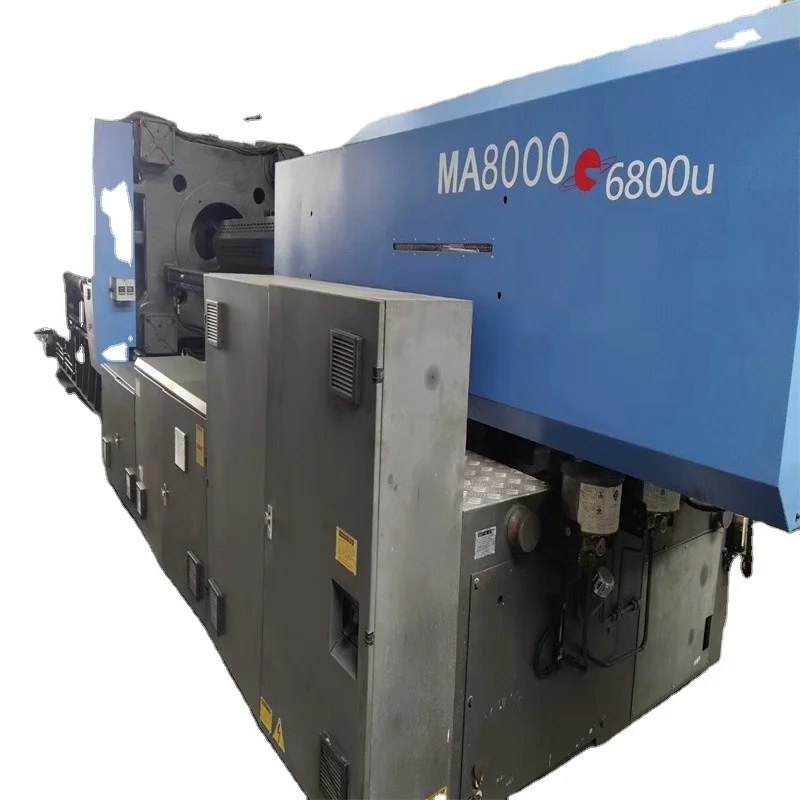
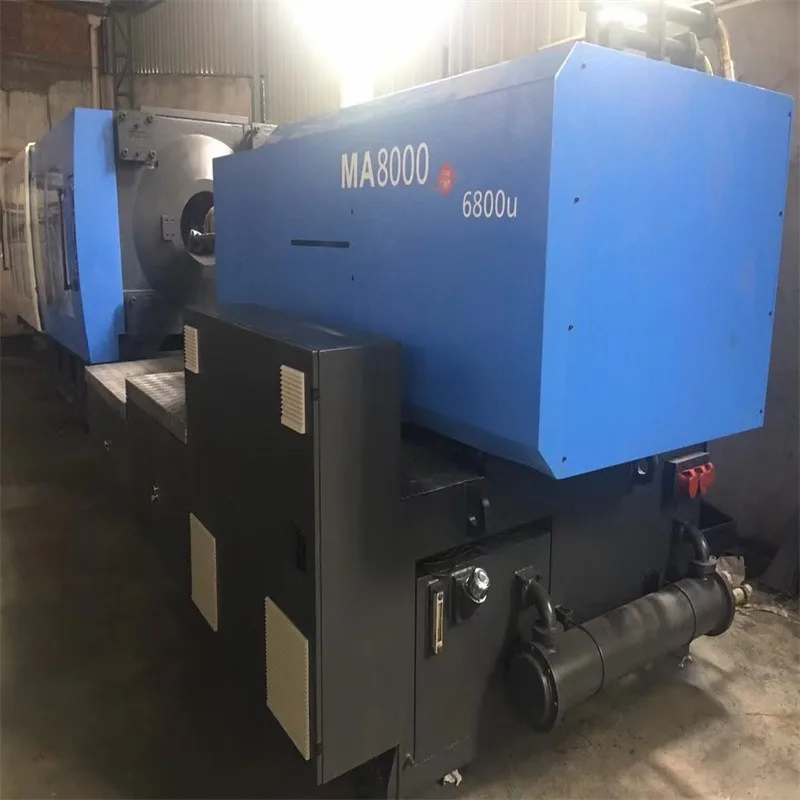
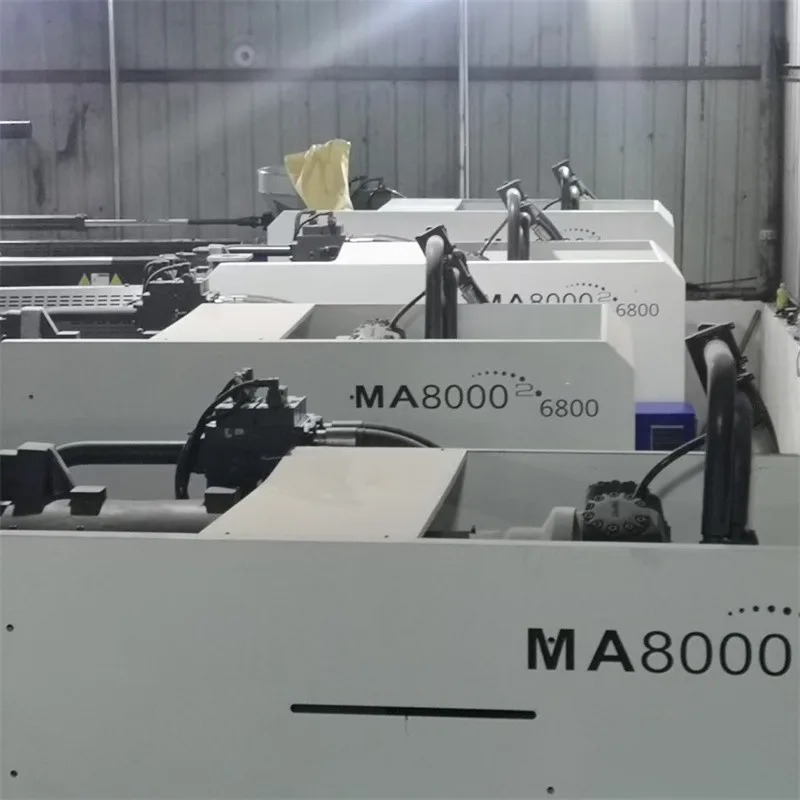
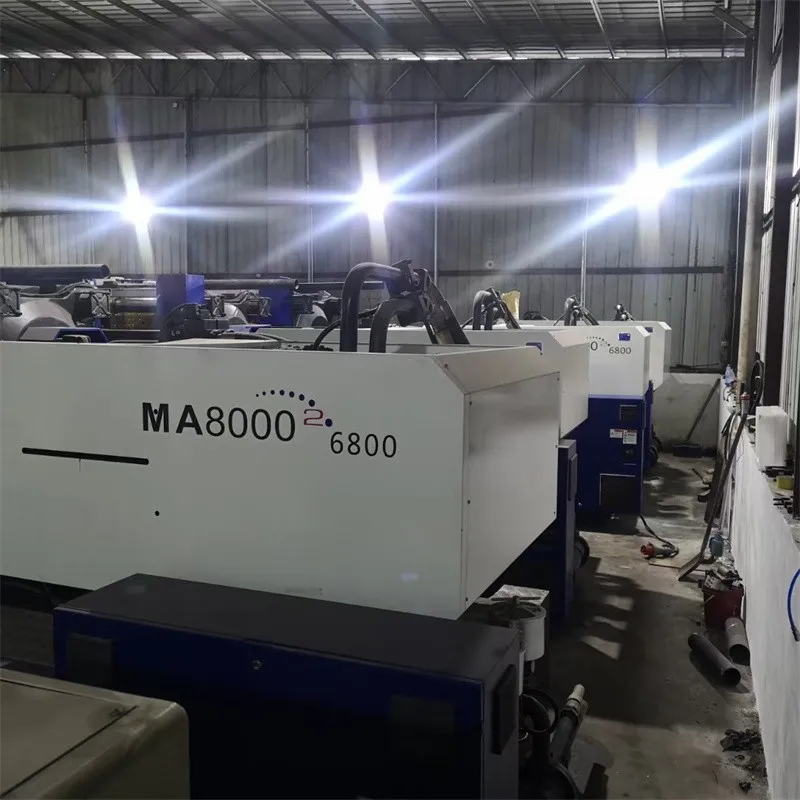
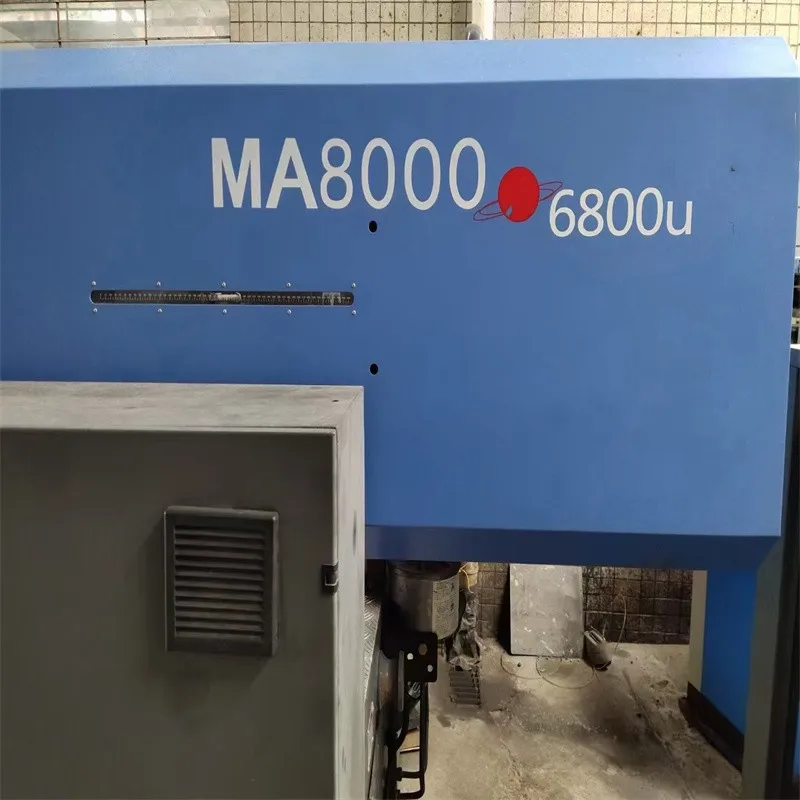
The MA800 Ton Fiberglass Plastic Hanger Small Eva Mould 100 Ton Injection Moulding Machine is a robust hydraulic injection molding system designed for precision manufacturing of EVA-based products. Ideal for small to medium-scale production, it combines durability, energy efficiency, and adaptability to meet diverse industrial needs.
| Feature | Specification | Benefit |
|---|---|---|
| Machine Type | Hydraulic Injection Molding Machine | Ensures smooth, high-pressure injection for consistent EVA molding |
| Capacity | 100 Ton Clamping Force | Supports production of medium-sized EVA components |
| Material Compatibility | EVA, Fiberglass Reinforced Plastics | Versatile for durable, lightweight products like hangers and molds |
| Precision | ±0.01mm Tolerance | Achieves high-accuracy parts for industrial applications |
| Energy Efficiency | 20% lower energy consumption vs. traditional models | Reduces operational costs |
Adjustable parameters include injection speed, temperature zones, and clamping force to meet specialized requirements such as:
Ideal for producing lightweight, durable EVA products like industrial hangers, packaging molds, and automotive components. With its hydraulic precision, you can ensure consistent part quality even in high-volume runs.
| Parameter | Base Model (100 Ton) | Advanced Model (150 Ton) | Pro Model (200 Ton) |
|---|---|---|---|
| Clamping Force | 100 Ton | 150 Ton (+50%) | 200 Ton (+100%) |
| Cycle Time | 30 sec | 25 sec (-17%) | 20 sec (-33%) |
| Tolerance | ±0.01mm | ±0.008mm | ±0.005mm |
Technical Breakthroughs:
Optimal Version Selection:
With its hydraulic precision and customizable parameters, this machine ensures reliable EVA molding for diverse industrial needs. Choose the Pro Model for triple the industry-standard durability in harsh environments, or the Base Model for cost-effective entry into EVA manufacturing.

The Product Description is generated by third-party, and Alibaba.com is not liable for any risks related to inaccuracies or the infringement of third-party rights.
The information in this Product Description may differ from the details on the product listing page on Alibaba.com. Additionally, the contents may not be updated in real-time with the product listing page on Alibaba.com, and there may be delays in reflecting the most updated information. The description on product listing page takes precedence. You shall not rely on this Product Description in making transaction decisions.
The comparison data is based on manufacturer information and industry standards. Actual results may vary depending on individual use cases. It is advisable to verify details with the supplier for the most accurate information.