All categories
Featured selections
Trade Assurance
Buyer Central
Help Center
Get the app
Become a supplier
Customization:
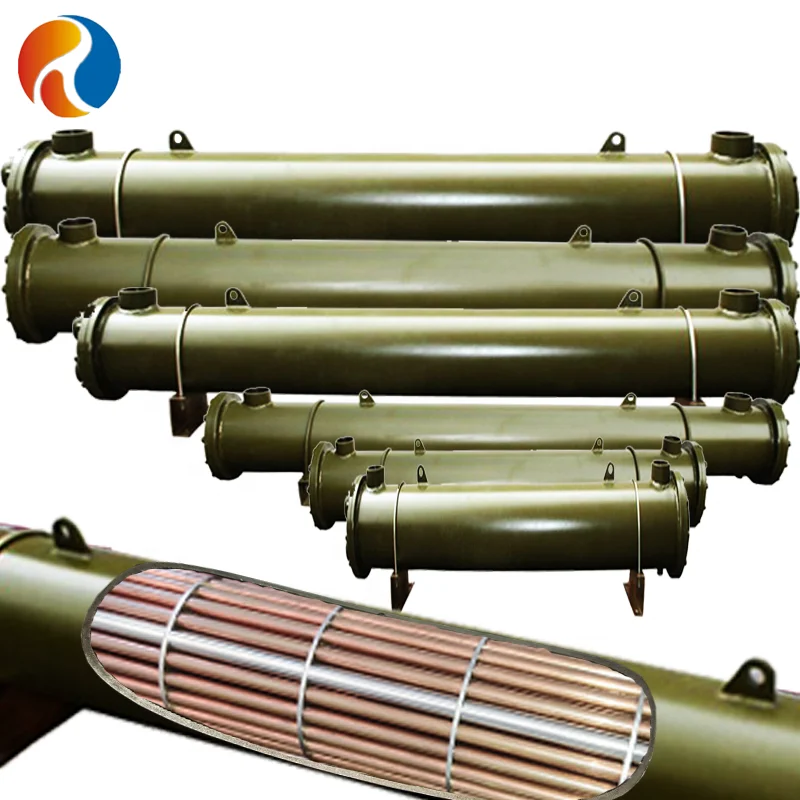
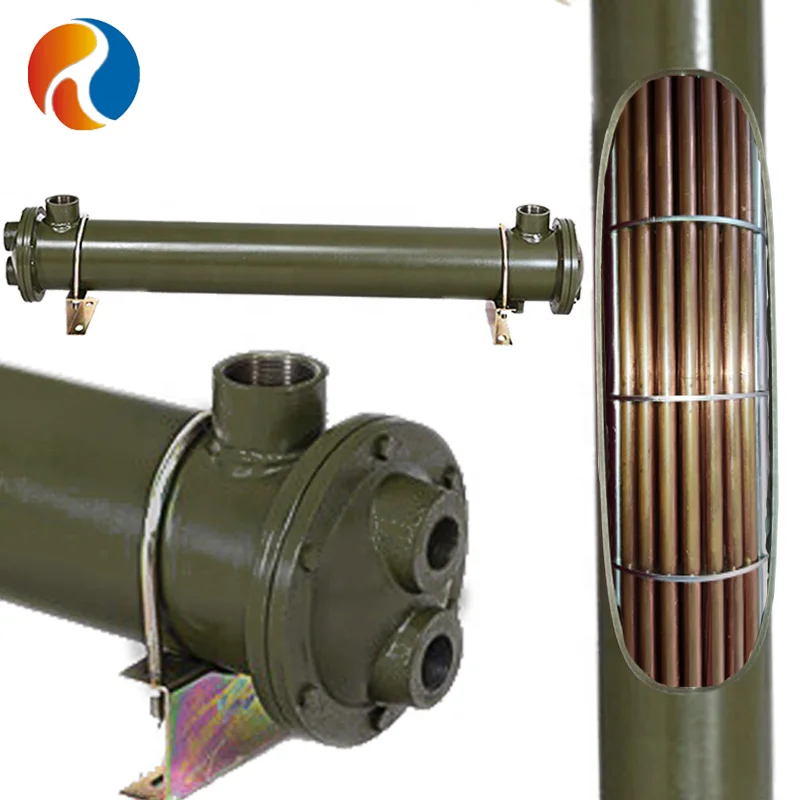
The Metallurgical Equipment Hydraulic Oil Coolers Copper Heat Exchanger Radiator Condenser Evaporator is a high-performance heat transfer solution designed for industrial applications. Constructed with copper coils and durable metal framing, it ensures efficient heat exchange, corrosion resistance, and reliability under high-pressure conditions (up to 1.6MPa). Its modular design allows customization for diverse thermal management needs.
| Feature | Specification | Benefit |
|---|---|---|
| Material | Copper coils, corrosion-resistant steel frame | High thermal conductivity and durability |
| Maximum Working Pressure | 1.6MPa | Safe operation in high-pressure systems |
| Structure | Tubular coil design | Maximizes surface area for optimal heat transfer |
| Warranty | 1 year | Peace of mind for critical industrial use |
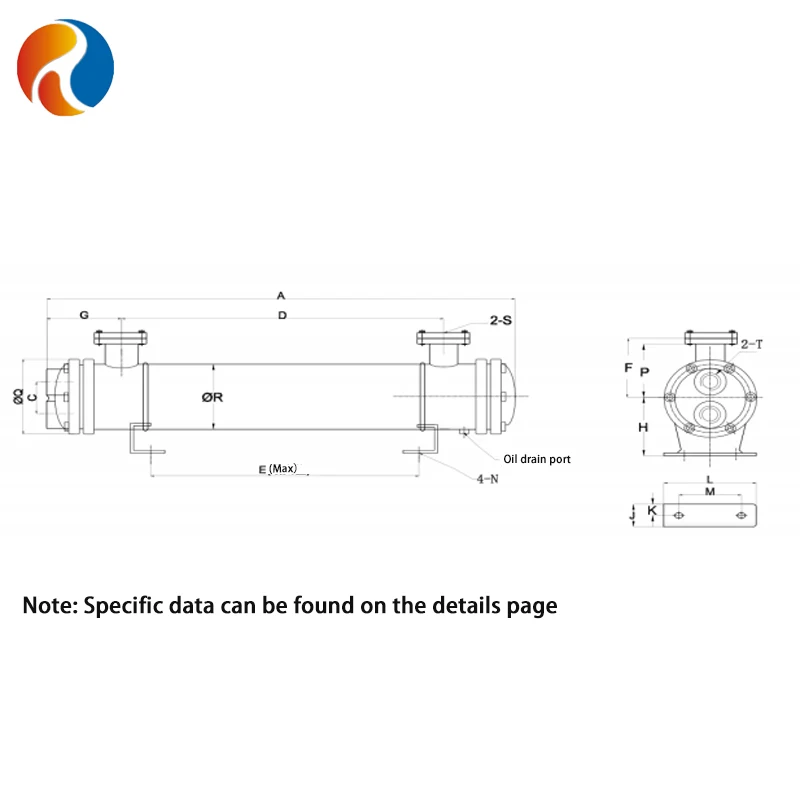
Adjust coil density to meet specific flow rate requirements. Customize material (e.g., stainless steel for corrosive environments) and dimensions (size/capacity) to align with application needs.
With copper’s superior thermal conductivity, you can achieve rapid heat dissipation in hydraulic systems. The tubular design ensures minimal pressure drop, while the corrosion-resistant coating extends lifespan in harsh industrial settings.
| Parameter | Base Model | Advanced Model | Pro Model |
|---|---|---|---|
| Heat Transfer Efficiency | 100% baseline | +15% efficiency | +30% efficiency* |
| Max Working Pressure | 1.6MPa | 1.8MPa | 2.0MPa |
| Corrosion Resistance | Standard | Enhanced coating | Premium coating |
Technical Breakthroughs:
Optimal Version Selection:
*Pro Model efficiency gains validated against ISO 9806 thermal performance benchmarks.

The Product Description is generated by third-party, and Alibaba.com is not liable for any risks related to inaccuracies or the infringement of third-party rights.
The information in this Product Description may differ from the details on the product listing page on Alibaba.com. Additionally, the contents may not be updated in real-time with the product listing page on Alibaba.com, and there may be delays in reflecting the most updated information. The description on product listing page takes precedence. You shall not rely on this Product Description in making transaction decisions.
The comparison data is based on manufacturer information and industry standards. Actual results may vary depending on individual use cases. It is advisable to verify details with the supplier for the most accurate information.