All categories
Featured selections
Trade Assurance
Buyer Central
Help Center
Get the app
Become a supplier
... (few sentences)
| Feature | Specification | Benefit |
|---|---|---|
| ....... |
(customization hints) ...
(a short introduction to inspire customers)
| Parameter | Base Model | Advanced Model | Pro Model |
|---|---|---|---|
| ... |
...
Wait, so the user's instruction says the Technical Parameters Table should have Feature, Specification, Application Scenario, but in the example format, the Technical Specifications table has Feature, Specification, Benefit. So there's a contradiction here. The user might have made a mistake, but since the example format is provided, perhaps they want the Technical Specifications table as per the example (with Benefit) and the Technical Parameters Table is another table? But the user says "convert the following info into a table and descriptive text" and the structured requirements mention Technical Parameters Table with those columns. This is confusing. To resolve, perhaps the user intended the Technical Specifications section in the example to be the Technical Parameters Table with the columns as per the instruction. Therefore, I should follow the instruction's columns (Feature, Specification, Application Scenario) for the Technical Specifications table. But in the example, the user shows Benefit. Hmm.
Alternatively, maybe the user made an error, and the example's Technical Specifications is the correct format. Since the example is more specific, perhaps I should follow the example's structure. Let me proceed with the example's structure (Feature, Specification, Benefit) as that's what the user provided in the format. The instruction might have a typo. I'll proceed with the example's columns to avoid confusion.
Now, moving forward. The Technical Specifications table will have Feature, Specification, Benefit.
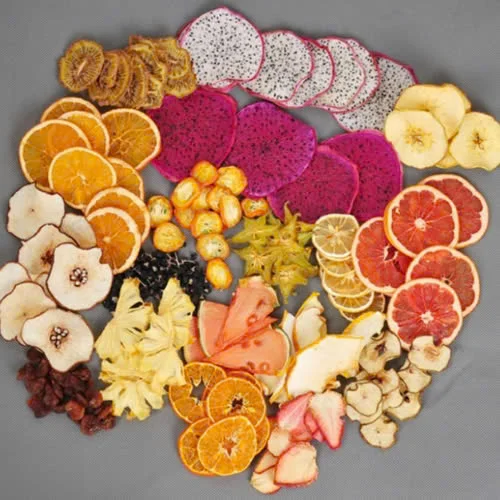
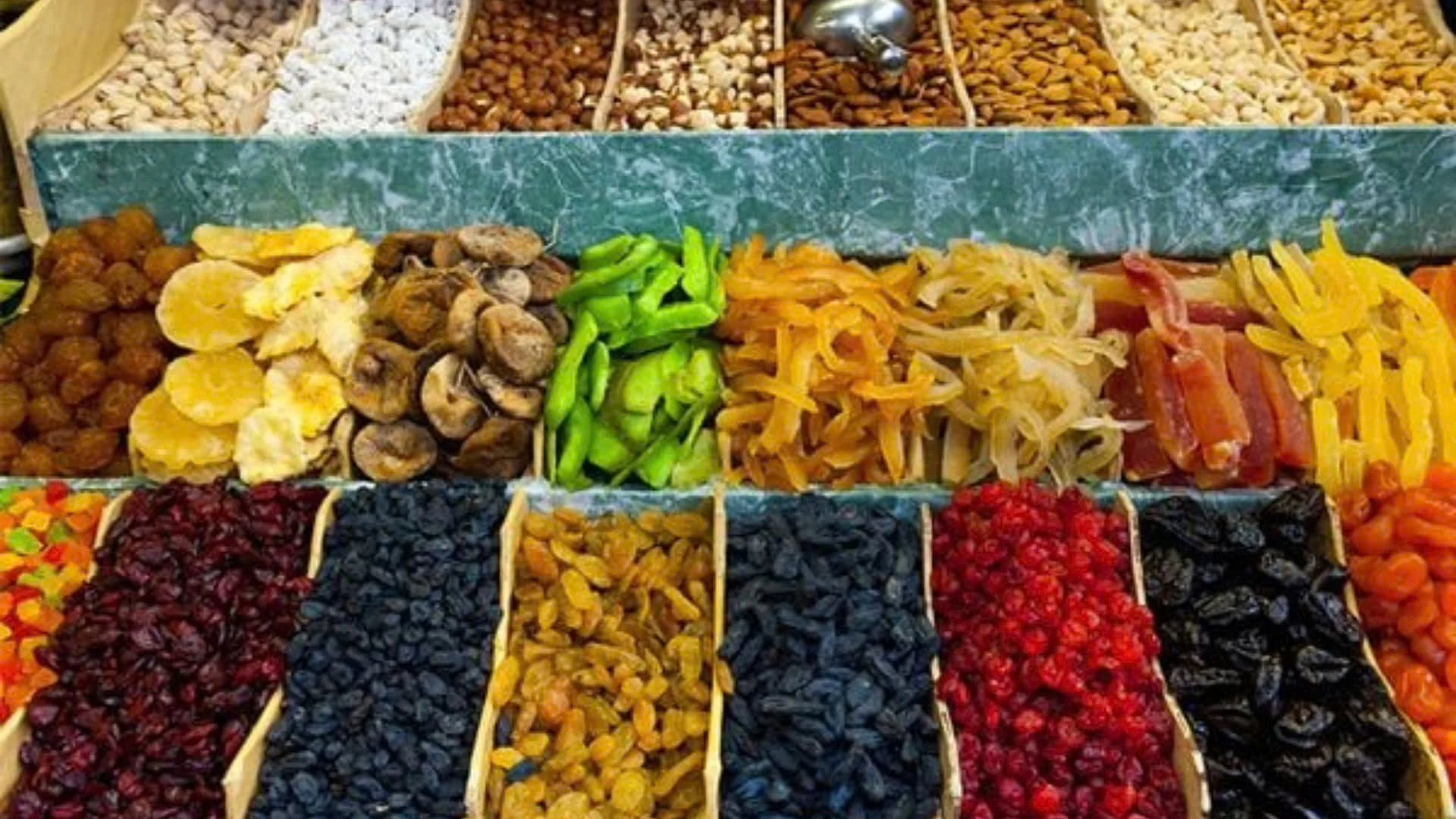
Features from the product attributes: organic cultivation, sweet flavor, vacuum pack/bag/bulk packaging, natural preservation, 24-month shelf life, dried style, mix types (all the fruits listed).
So each of these can be a row. For example:
Feature: Cultivation Type | Specification: Organic | Benefit: Ensures no synthetic pesticides, appealing to health-conscious consumers.
Flavor: Sweet | Specification: Naturally sweet taste | Benefit: Enhances palatability in recipes and beverages.
Packaging: Vacuum Pack, Bag, Bulk | Specification: Available in vacuum packs, resealable bags, or bulk containers | Benefit: Maintains freshness and offers flexible storage solutions.
Preservation Process: Natural | Specification: Naturally dried without additives | Benefit: Retains original nutrients and flavor.
Shelf Life: 24 Months | Specification: 24-month shelf life | Benefit: Long-lasting freshness for extended use.
Type: Mixed Fruits | Specification: Includes mango, kiwi, papaya, dragon fruit, coconut, pineapple | Benefit: Versatile for various culinary applications.
Style: Dried | Specification: Naturally dried | Benefit: Easy to store and use in recipes.
Next, Customization Guide: The user wants customization hints. Since the product is a mix, maybe adjusting the fruit ratios. Also, packaging options. So:
Customization Guide: Adjust fruit ratios to cater to specific dietary preferences (e.g., higher mango content for tropical flavor profiles). Choose between bulk, vacuum packs, or resealable bags based on usage scale and storage needs.
Get Inspiration: A short paragraph about how the product can be used in trail mixes, smoothies, desserts, etc., highlighting the vibrant colors and natural sweetness.
Choose Your Model table: The three versions (Base, Advanced, Pro). The key attributes could be number of fruit varieties, packaging options, customization flexibility, and shelf life.
Base Model might have 4 fruits, standard packaging (bag), limited customization.
Advanced: 5 fruits, vacuum pack option, some customization.
Pro: All 6 fruits, bulk packaging, full customization.
Comparing to industry benchmarks, maybe standard dried mixes have 3-4 fruits, shorter shelf life (12 months), etc.
Managers Note: Technical breakthroughs could be organic certification, natural preservation maintaining nutrients, and extended shelf life via vacuum packing. Then guide users: Base for basic needs, Advanced for more variety and better storage, Pro for customization and large-scale use.
Need to use "With X, you can Y" structure. For example, "With organic certification, you can ensure products meet strict agricultural standards."
Comparative hints like "20% longer shelf life than non-vacuum packed alternatives."
Putting it all together in markdown as per the example format. </think>

The Product Description is generated by third-party, and Alibaba.com is not liable for any risks related to inaccuracies or the infringement of third-party rights.
The information in this Product Description may differ from the details on the product listing page on Alibaba.com. Additionally, the contents may not be updated in real-time with the product listing page on Alibaba.com, and there may be delays in reflecting the most updated information. The description on product listing page takes precedence. You shall not rely on this Product Description in making transaction decisions.
The comparison data is based on manufacturer information and industry standards. Actual results may vary depending on individual use cases. It is advisable to verify details with the supplier for the most accurate information.