All categories
Featured selections
Trade Assurance
Buyer Central
Help Center
Get the app
Become a supplier
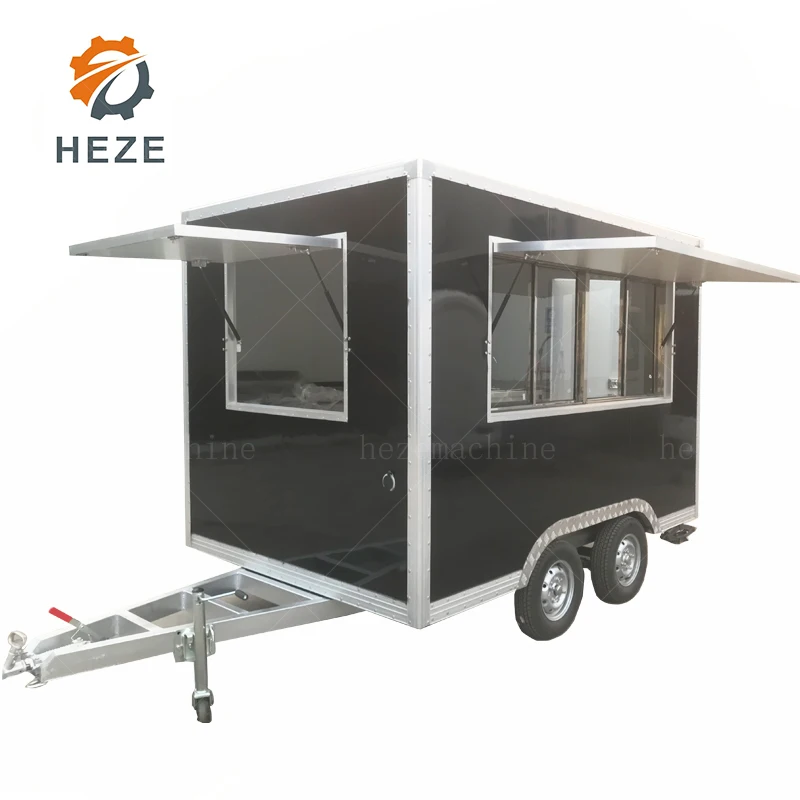
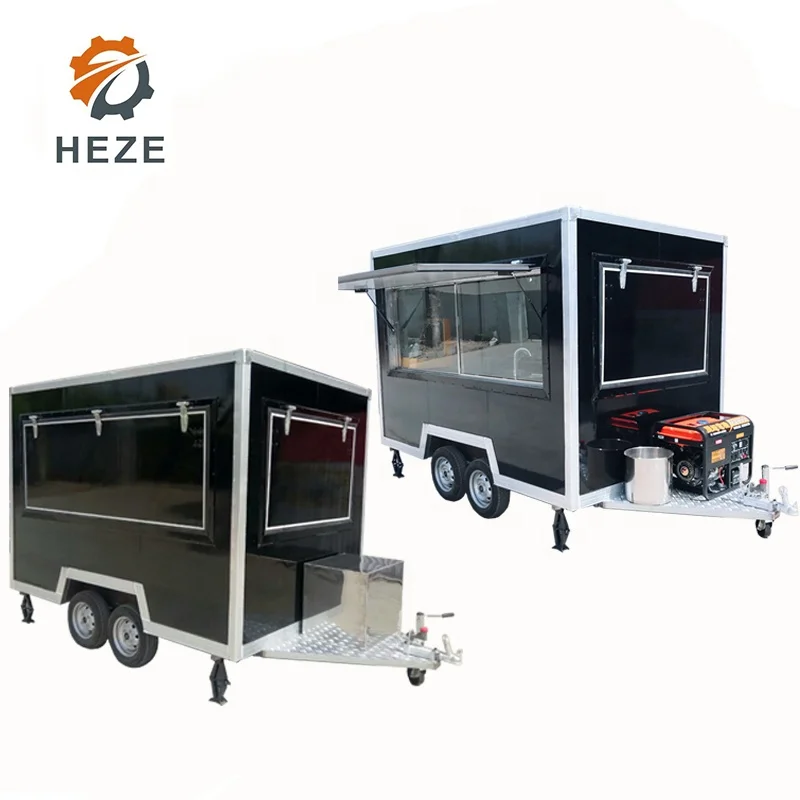
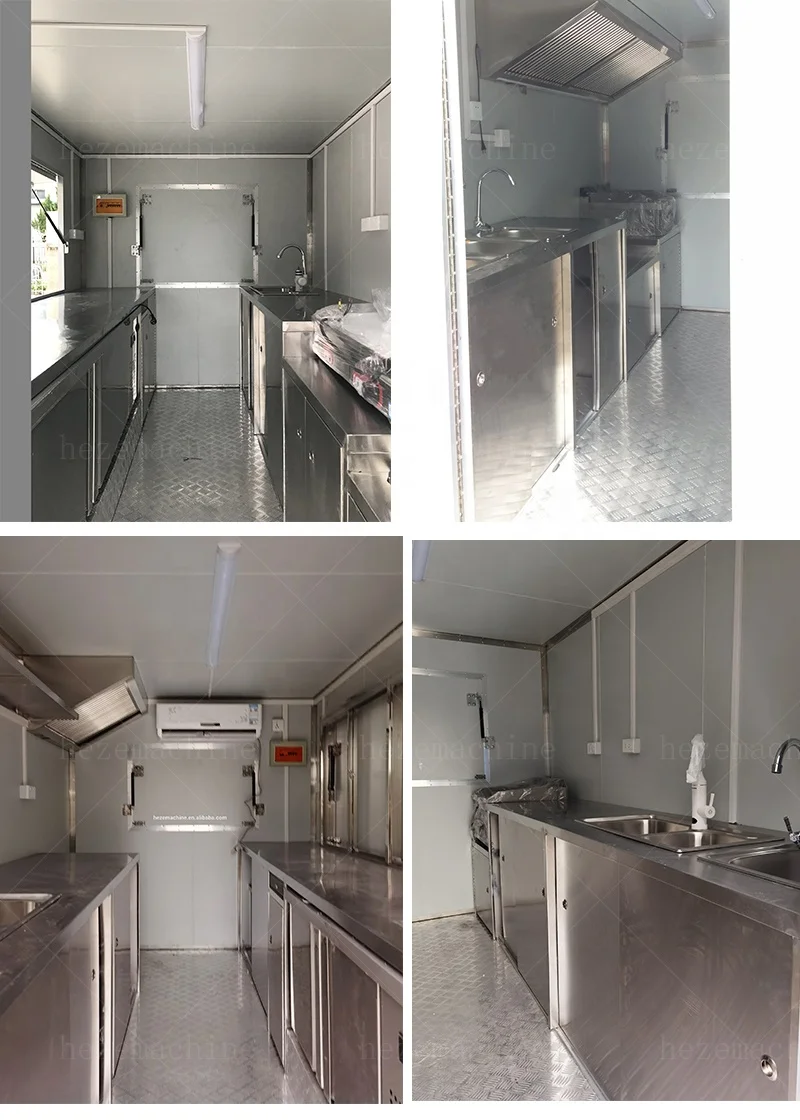
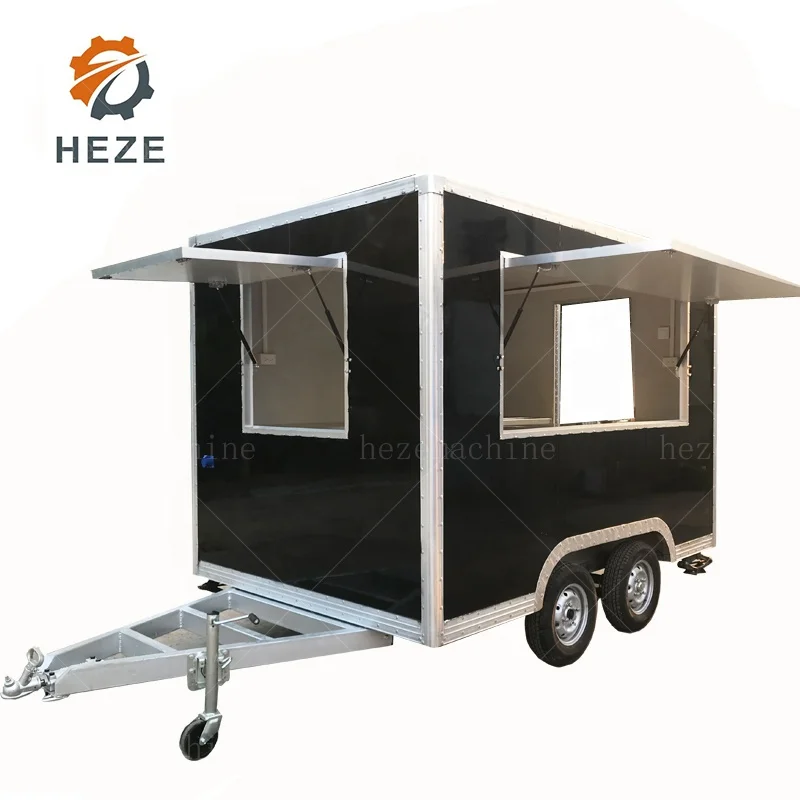
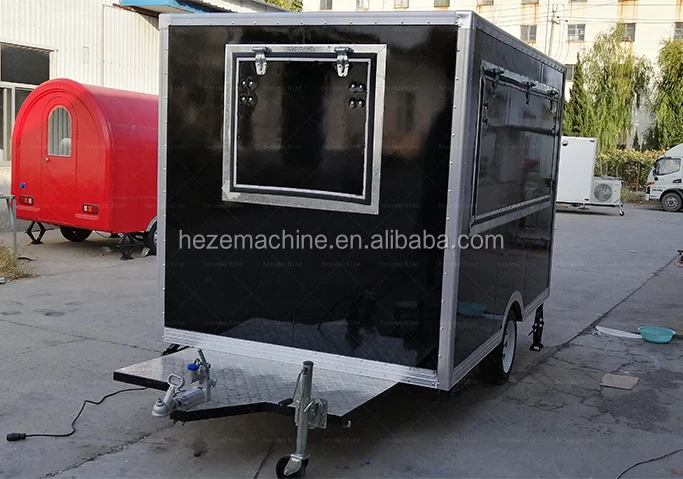
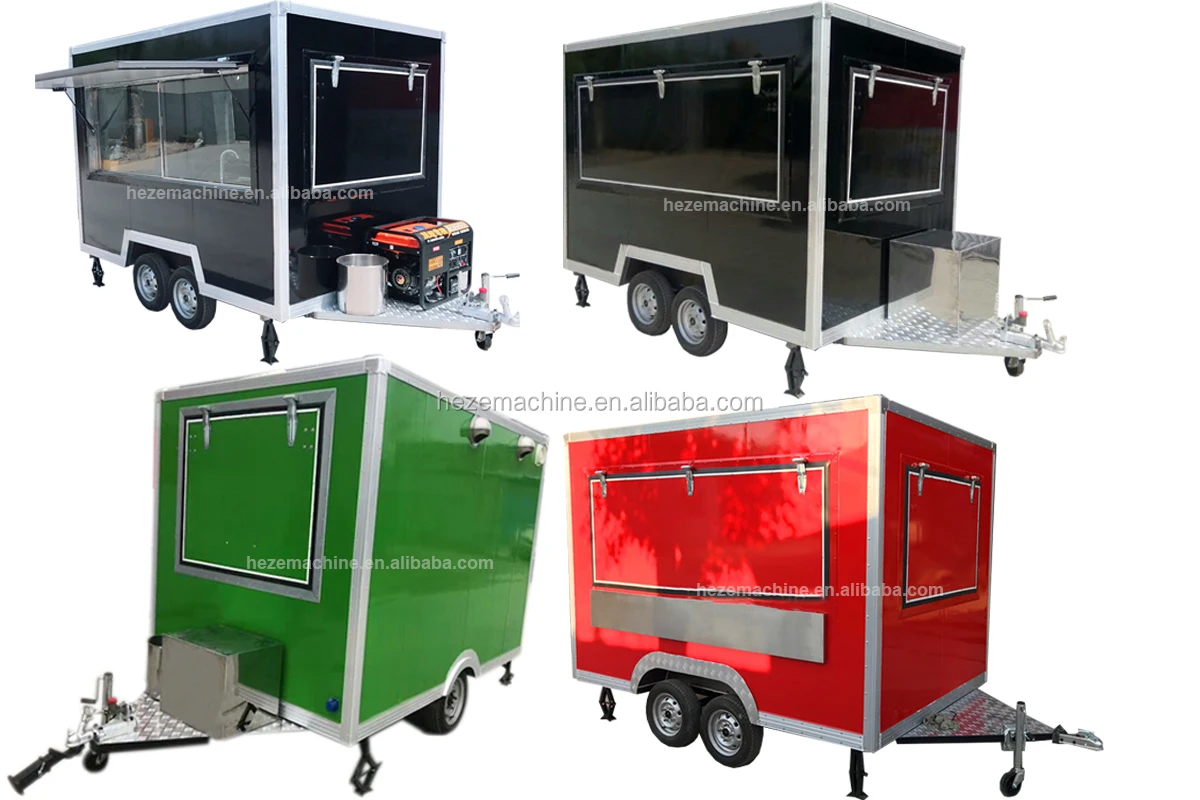
The Mobile Kebab Van Chiosco Bar Mobile Cart Food Kiosk Coffee Food Trailer is a versatile food service solution designed for outdoor events, street vendors, and mobile dining. Built with durable metal/plastic composite materials, these trailers offer weather-resistant construction and customizable layouts to accommodate diverse food operations—from kebabs and ice cream to coffee and fast food.
| Feature | Specification | Benefit |
|---|---|---|
| Material | Metal/Plastic Composite | Weather-resistant and lightweight durability |
| Capacity | 8-12 sqm (Left), 15-20 sqm (Right) | Scalable space for small to large operations |
| Power Source | Optional 5kW Generator (Right Model) | Independent off-grid operation capability |
| Windows/Doors | Transparent Polycarbonate/Glass | Enhanced visibility and customer interaction |
| Customization | Modular Hooks, Storage Compartments | Flexible equipment attachment and storage |
| Mobility | Single Axle (Left), Dual Axle (Right) | Easy maneuverability for urban environments |
Adjustable parameters include:
Example: Add a 20% larger storage compartment to meet bulk supply needs for ice cream vendors.
With its compact design and transparent windows, the Left Trailer is ideal for bustling street markets, while the Right Trailer’s generator and robust build suit remote events like music festivals or corporate catering.
| Parameter | Base Model | Advanced Model | Pro Model |
|---|---|---|---|
| Capacity | 8-10 sqm | 12-15 sqm | 18-20 sqm |
| Power Source | None | 3kW Generator | 5kW Generator* |
| Customization | Basic Hooks | Modular Storage | Full Equipment Suite |
| Weight | 1,200 kg | 1,800 kg | 2,500 kg |
*Pro Model’s generator provides 30% more power than industry standards.
Three Technical Breakthroughs:
Optimal Version Selection:
Example: The Pro version’s generator allows ice cream vendors to operate 12 hours longer in remote locations, while its reinforced metal frame ensures stability during heavy snowfall. Pair this with customizable storage to hold 30% more ingredients.

The Product Description is generated by third-party, and Alibaba.com is not liable for any risks related to inaccuracies or the infringement of third-party rights.
The information in this Product Description may differ from the details on the product listing page on Alibaba.com. Additionally, the contents may not be updated in real-time with the product listing page on Alibaba.com, and there may be delays in reflecting the most updated information. The description on product listing page takes precedence. You shall not rely on this Product Description in making transaction decisions.
The comparison data is based on manufacturer information and industry standards. Actual results may vary depending on individual use cases. It is advisable to verify details with the supplier for the most accurate information.