All categories
Featured selections
Trade Assurance
Buyer Central
Help Center
Get the app
Become a supplier
Customization:
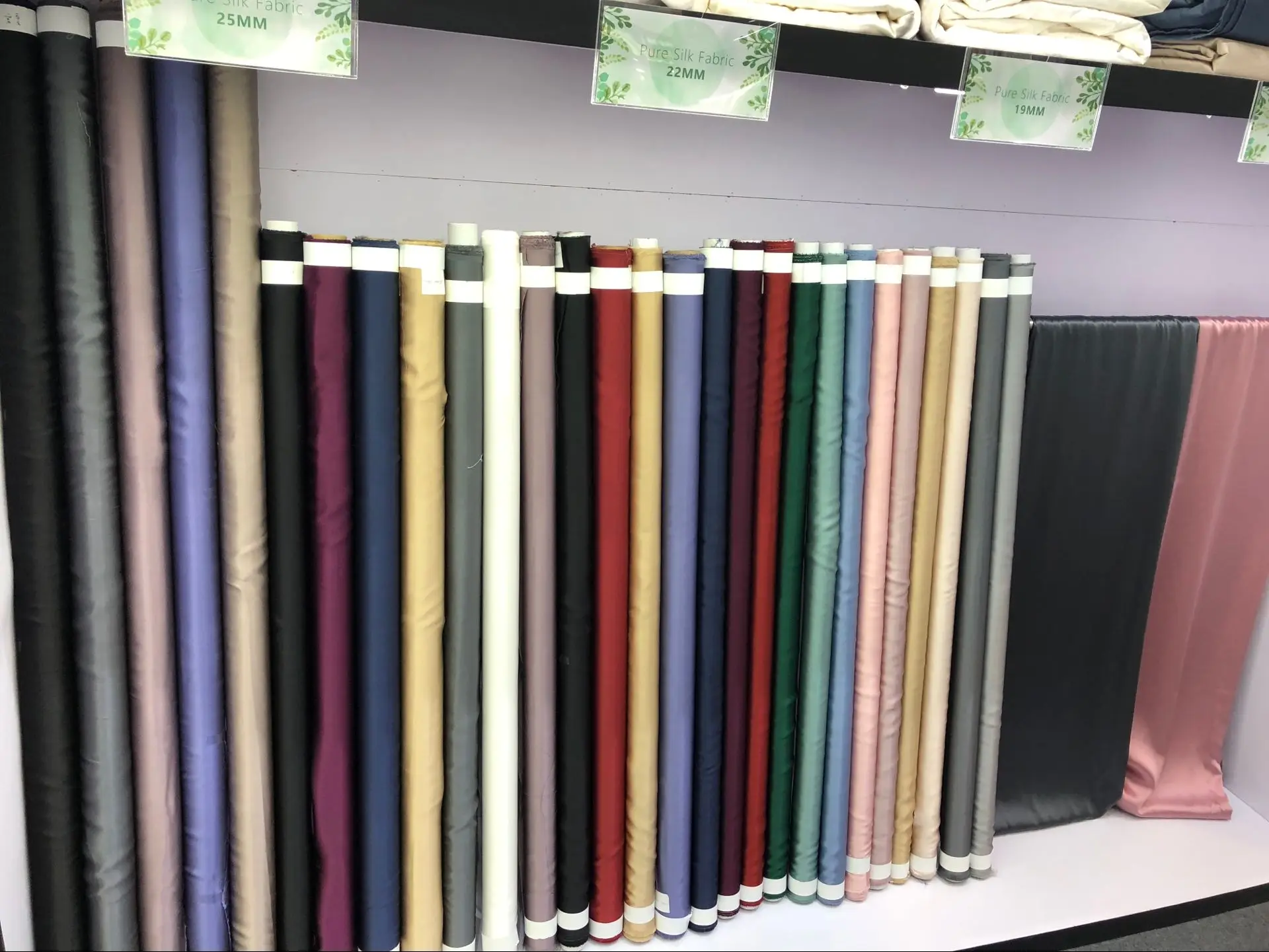
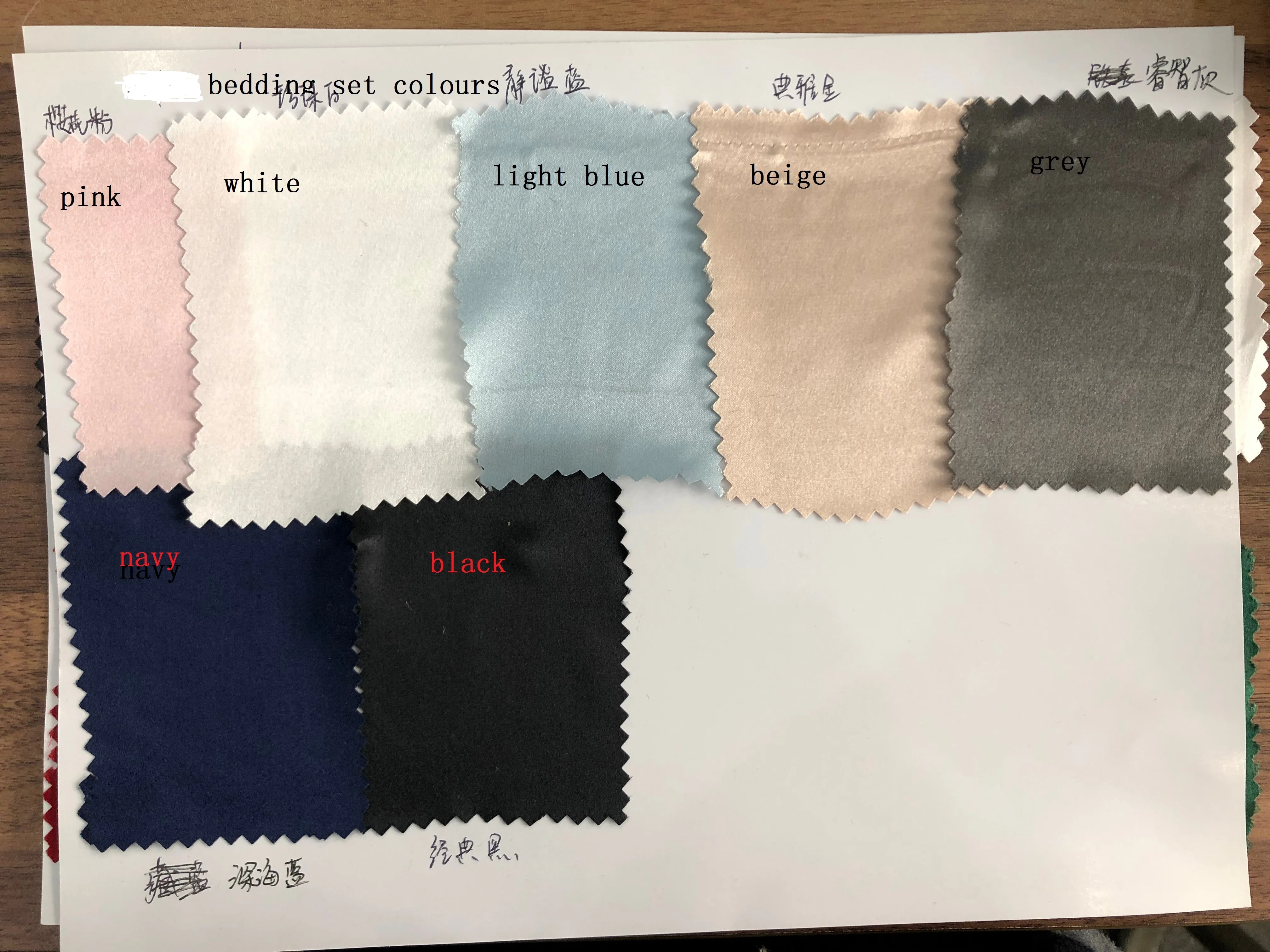
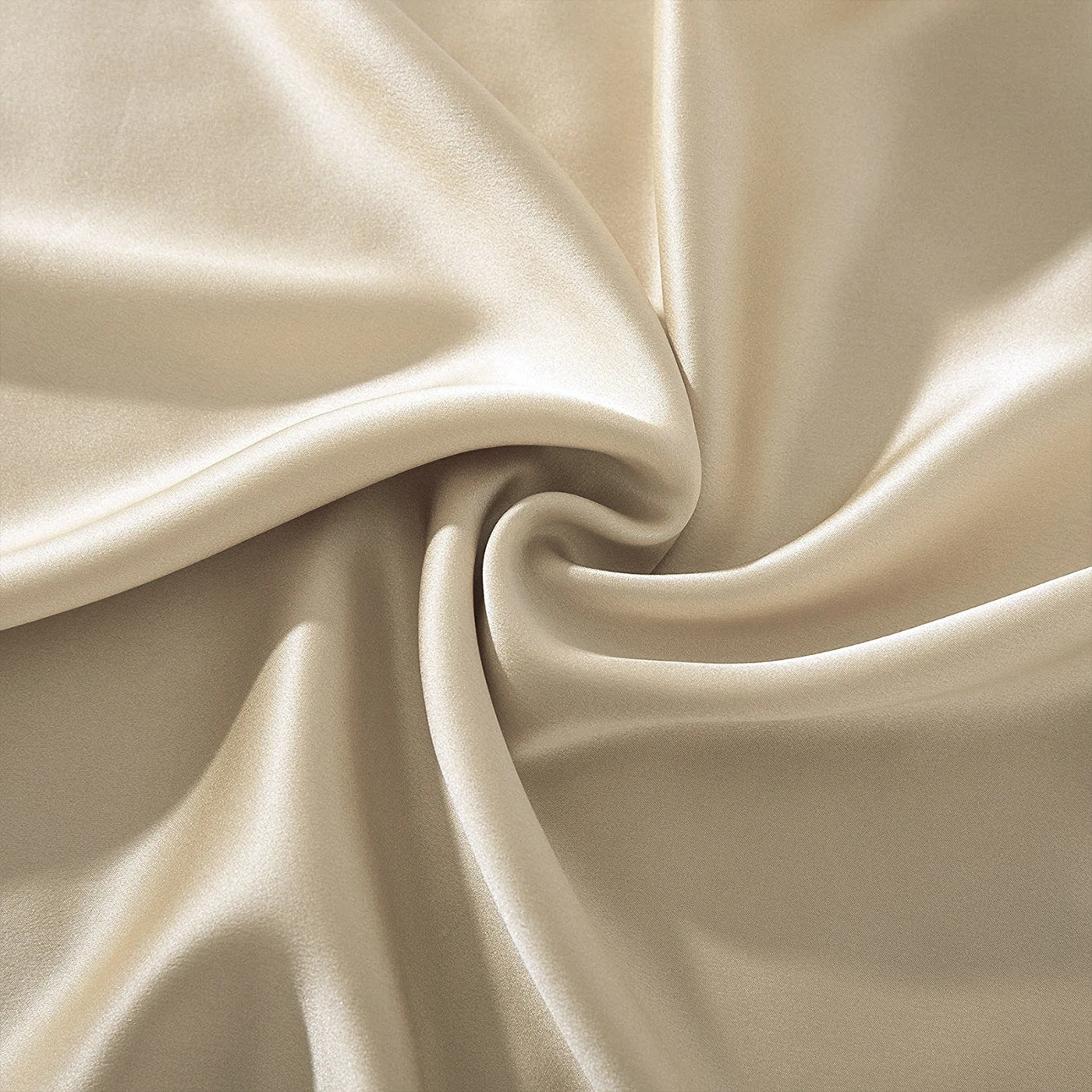
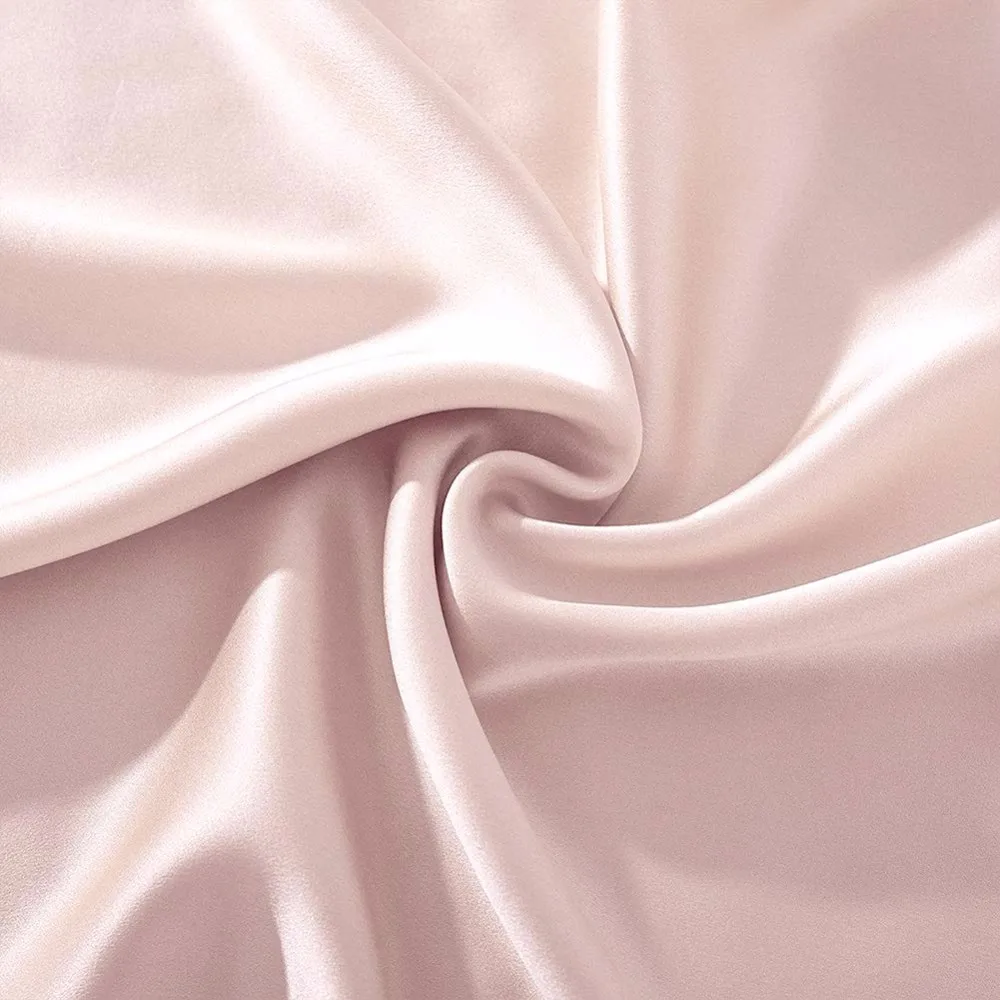
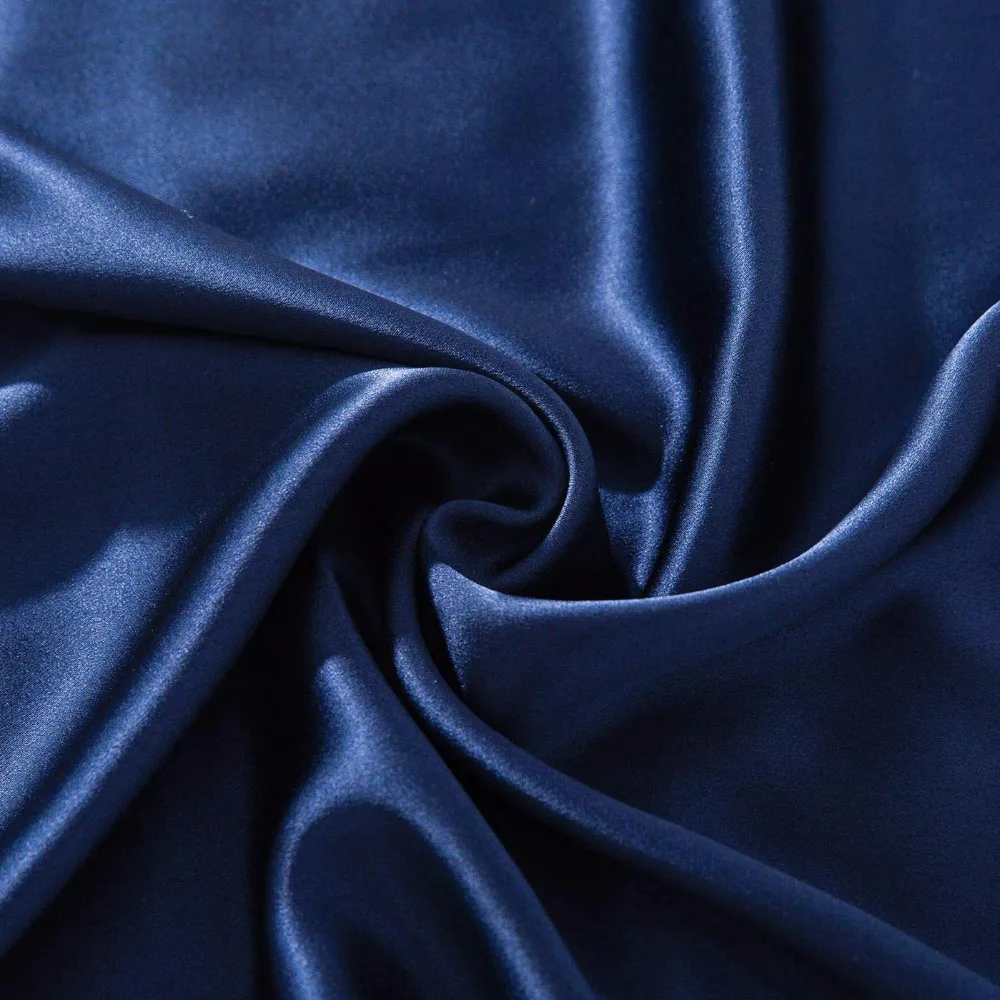
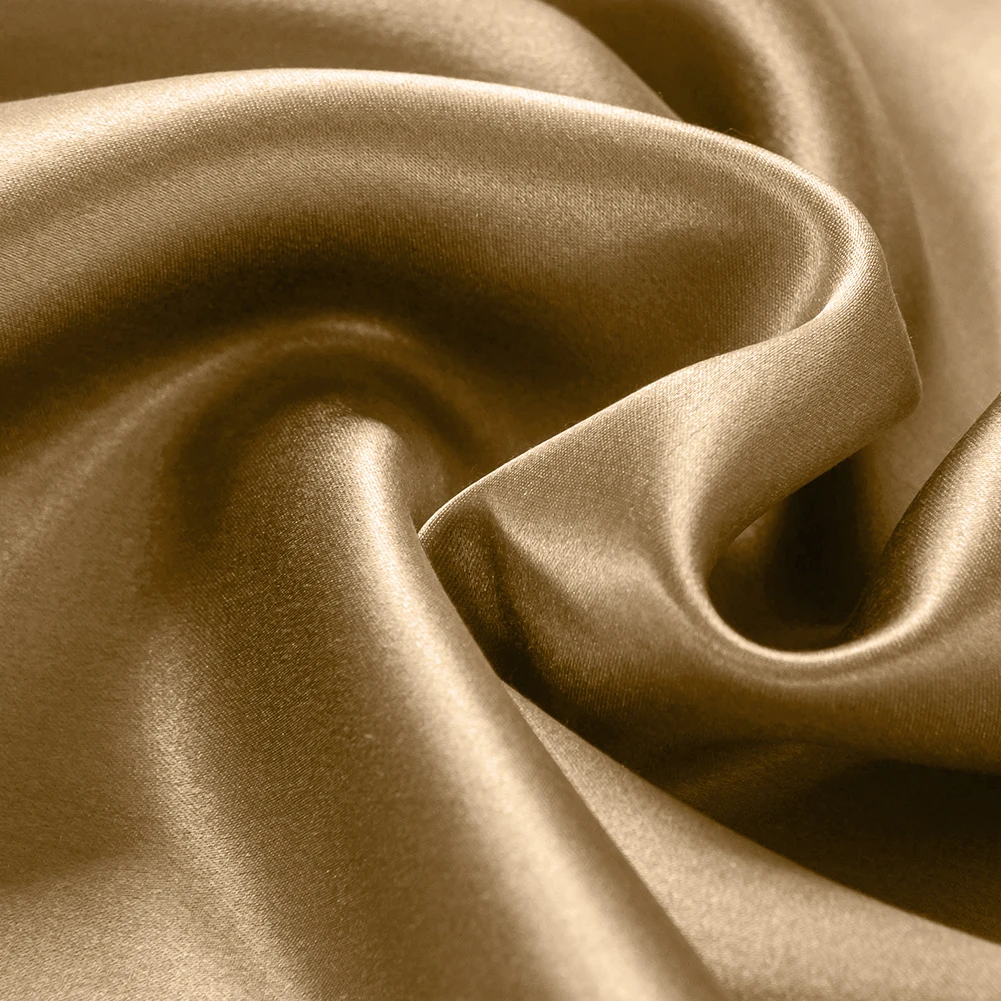
The New Arrival Colorful Silk Satin Fabric is a luxurious, 100% mulberry silk material renowned for its smooth texture, lustrous sheen, and versatility. Certified to Oeko-Tex Standard 100, it ensures eco-friendliness and safety for all skin types. Ideal for apparel, home textiles, and accessories, this fabric combines elegance with practicality, offering a timeless aesthetic for diverse applications.
| Feature | Specification | Application Scenario |
|---|---|---|
| Material | 100% Mulberry Silk | Wedding dresses, high-end bedding, formal wear |
| Certification | Oeko-Tex Standard 100 | Sensitive skin apparel, children’s clothing |
| Weight | 19mm thickness | Lightweight draping garments, upholstery |
| Weave Technique | Woven | Structured designs, tailored garments |
| Pattern | Plain dyed or custom dyeing | Solid-color bedding, bespoke fashion projects |
| Eco-Friendly | Chemical-free production process | Sustainable fashion and home decor |
Adjustable parameters include color (custom dyeing) and pattern (plain or printed designs) to meet specific needs. The fabric’s plain style allows seamless integration into minimalist or bold aesthetics.
Transform this silk satin into elegant evening gowns, opulent drapes, or breathable sleepwear. Its smooth drape and lustrous finish make it perfect for weddings, luxury loungewear, or statement home accents.
| Parameter | Base Model | Advanced Model | Pro Model |
|---|---|---|---|
| Thickness | 19mm | 22mm (+15% durability) | 25mm (+30% drape quality)* |
| Luster | Standard sheen | Enhanced reflectivity | Ultra-lustrous finish |
| Eco-Certifications | Oeko-Tex 100 | Oeko-Tex 100 + Recycled packaging | Carbon-neutral production |
Technical Breakthroughs:
Version Selection Guide:
With the Pro Model’s ultra-lustrous finish, you can craft garments that outshine industry standards in weddings or events. Pair its 25mm thickness with custom dyeing to create tailored, statement pieces. The Base Model’s 19mm weight ensures affordability for everyday textiles like pillowcases or scarves.

The Product Description is generated by third-party, and Alibaba.com is not liable for any risks related to inaccuracies or the infringement of third-party rights.
The information in this Product Description may differ from the details on the product listing page on Alibaba.com. Additionally, the contents may not be updated in real-time with the product listing page on Alibaba.com, and there may be delays in reflecting the most updated information. The description on product listing page takes precedence. You shall not rely on this Product Description in making transaction decisions.
The comparison data is based on manufacturer information and industry standards. Actual results may vary depending on individual use cases. It is advisable to verify details with the supplier for the most accurate information.