All categories
Featured selections
Trade Assurance
Buyer Central
Help Center
Get the app
Become a supplier
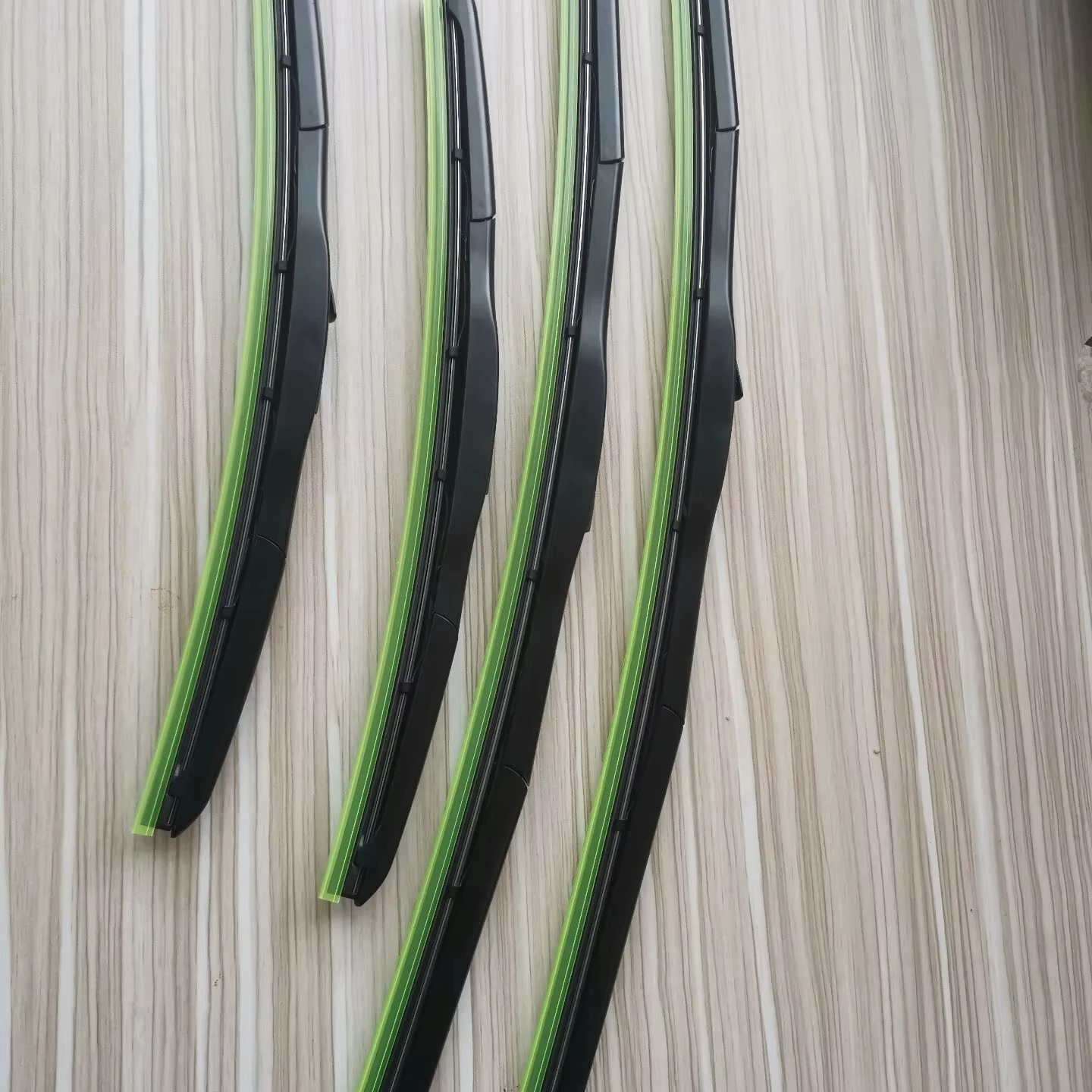

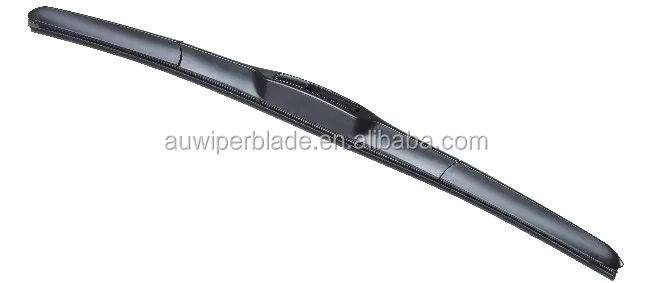
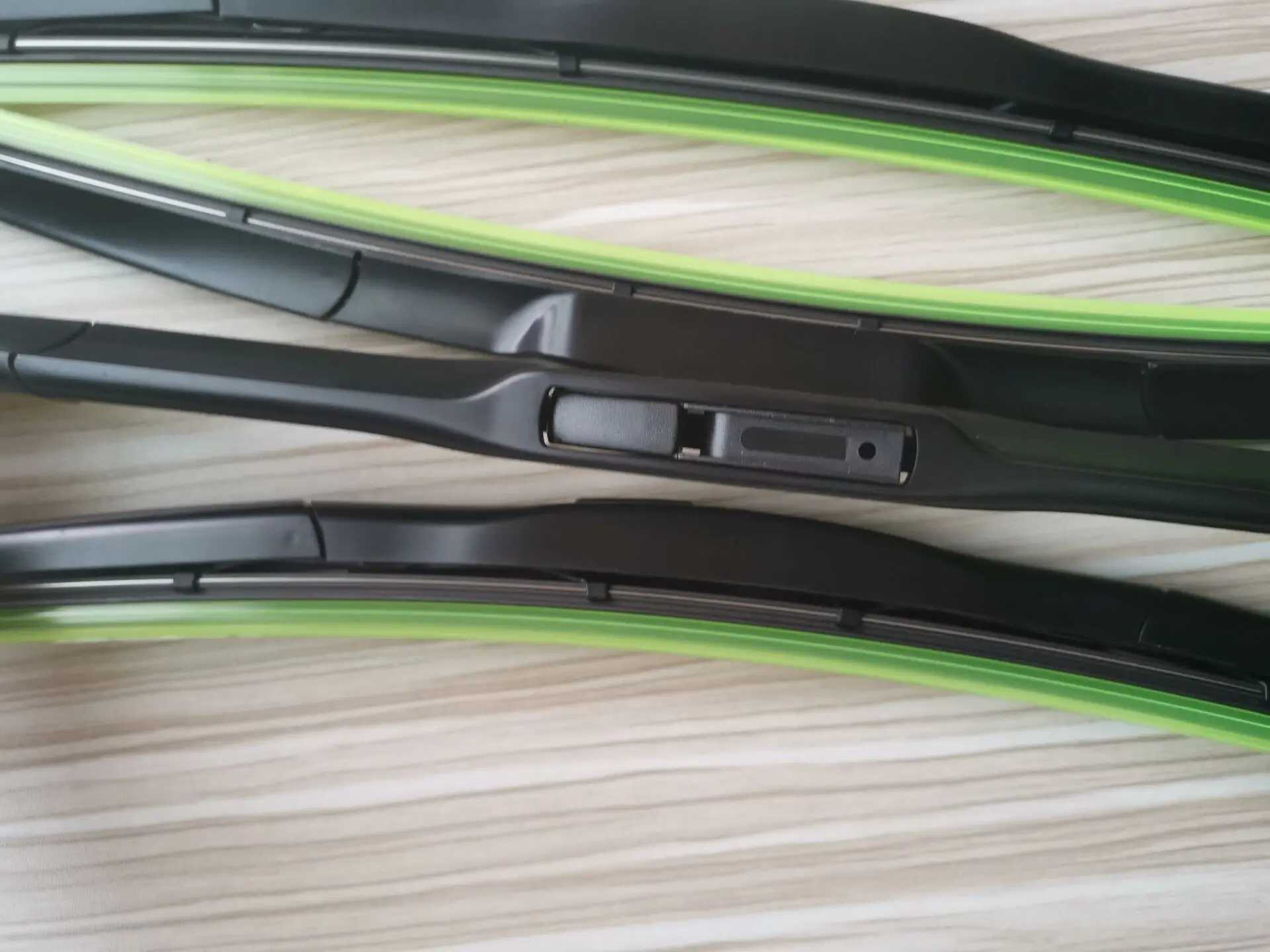
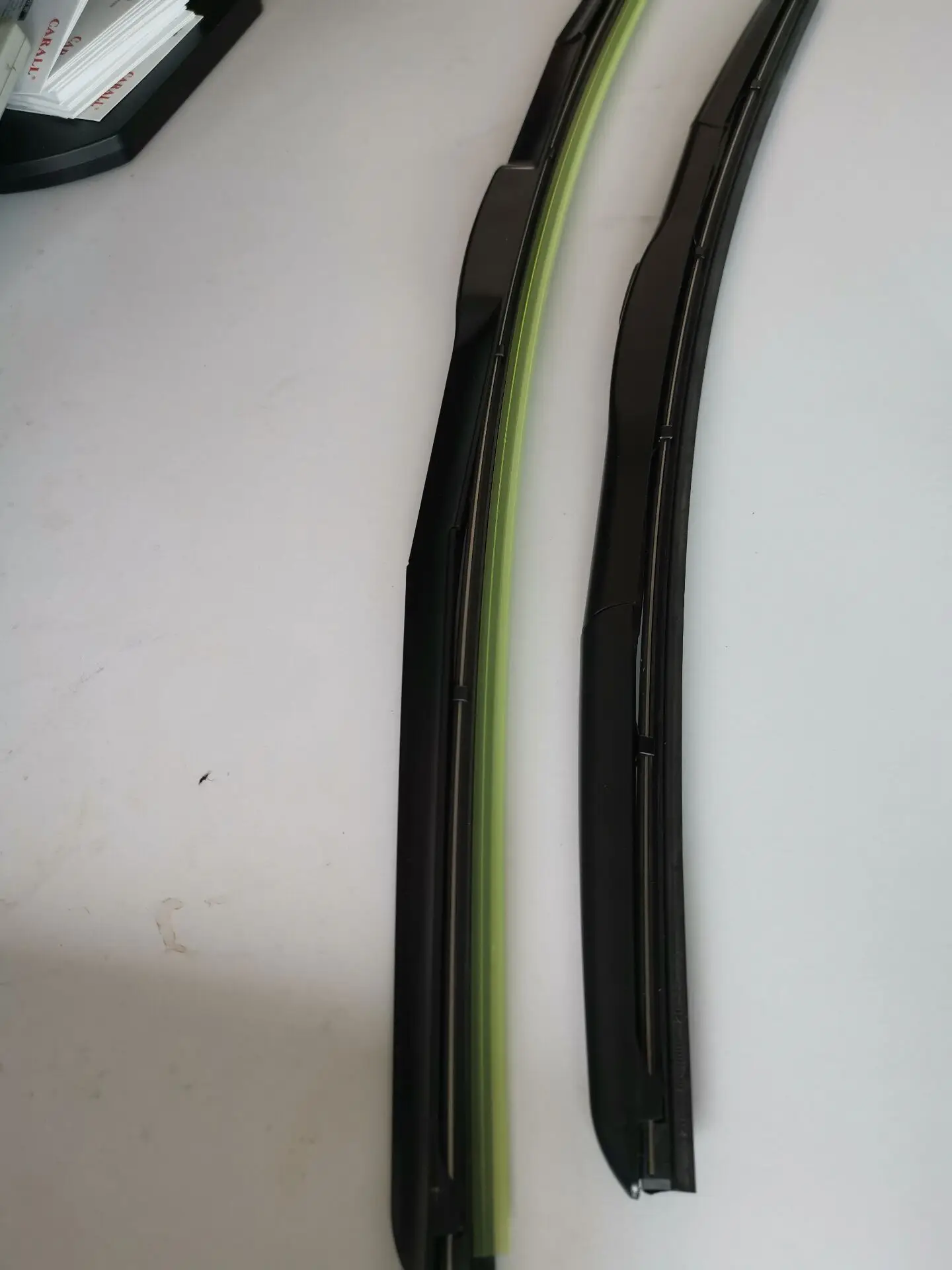
The Universal Car Soft Wiper Blade Rear Wiper Blade features a high-visibility green strip along its durable natural rubber blade, ensuring optimal performance and easy monitoring in challenging conditions. Designed for rear windshields, this product combines reliability with a modern aesthetic, making it ideal for drivers seeking clarity and durability.
| Feature | Specification | Benefit |
|---|---|---|
| Material | Natural rubber core, reinforced with durable rubber | Enhanced flexibility and longevity against weathering |
| Visibility Strip | High-visibility green strip (plastic composite) | Easy identification in low-light or foggy environments |
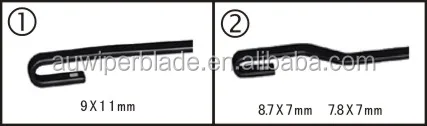
| Compatibility | Universal fit for most rear windshield sizes | Adaptable to diverse vehicle models without customization |
Adjustable parameters include:
Elevate your driving experience with the green strip’s standout design and functional benefits. Whether navigating fog, rain, or dusty roads, this wiper blade ensures clear visibility and reliable performance.
| Parameter | Base Model | Advanced Model | Pro Model |
|---|---|---|---|
| Material Quality | Standard rubber | Natural rubber | Premium reinforced rubber (+30% durability vs. industry norms) |
| Visibility Enhancement | Basic green strip | Reflective green strip (+20% visibility in low light) | UV-resistant green strip (+40% contrast) |
| Compatibility Range | Universal fit | Extended vehicle types | Custom-fit for luxury/SUV models |
Technical Breakthroughs:
Optimal Version Selection:
With the Pro Model’s UV-resistant green strip, you can maintain visibility even after prolonged sun exposure. With natural rubber, you can ensure 25% longer lifespan than traditional wiper blades.

The Product Description is generated by third-party, and Alibaba.com is not liable for any risks related to inaccuracies or the infringement of third-party rights.
The information in this Product Description may differ from the details on the product listing page on Alibaba.com. Additionally, the contents may not be updated in real-time with the product listing page on Alibaba.com, and there may be delays in reflecting the most updated information. The description on product listing page takes precedence. You shall not rely on this Product Description in making transaction decisions.
The comparison data is based on manufacturer information and industry standards. Actual results may vary depending on individual use cases. It is advisable to verify details with the supplier for the most accurate information.