All categories
Featured selections
Trade Assurance
Buyer Central
Help Center
Get the app
Become a supplier
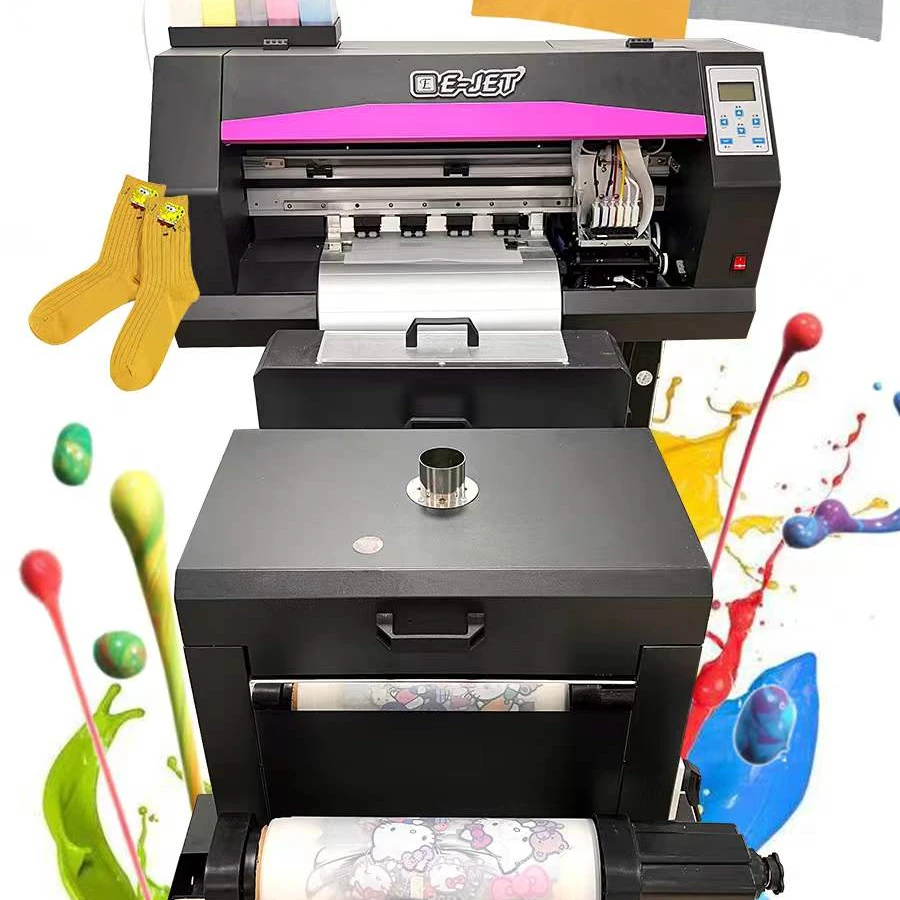
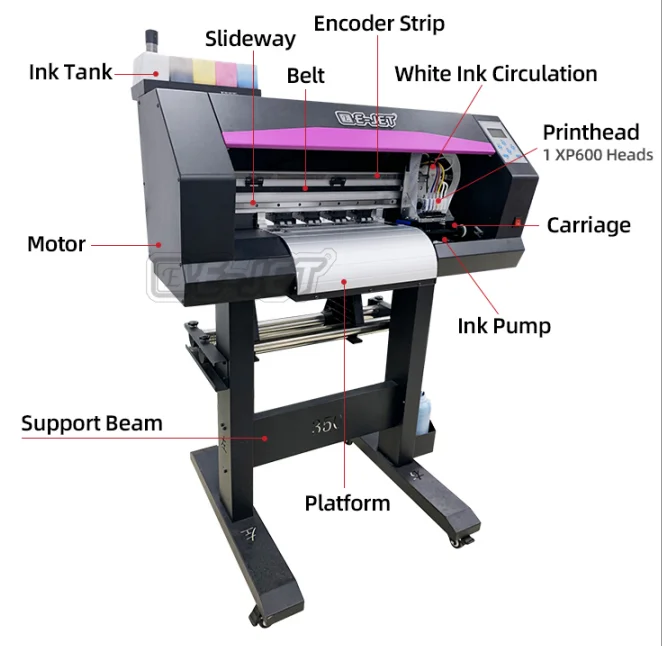
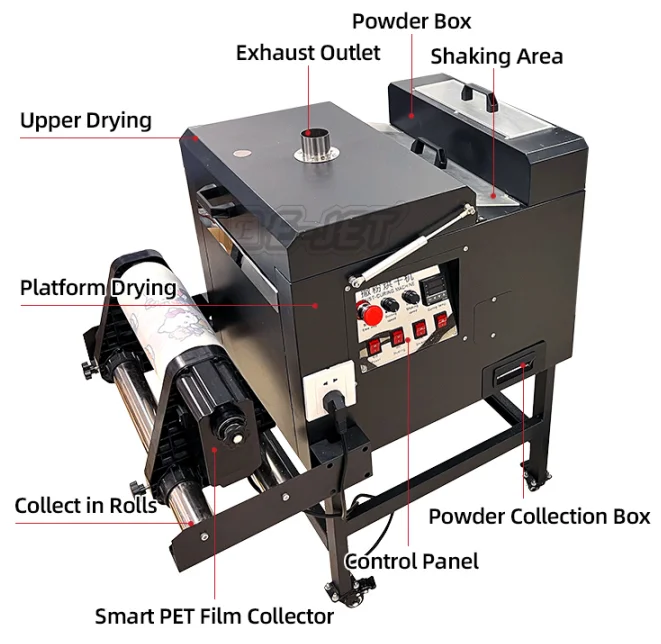
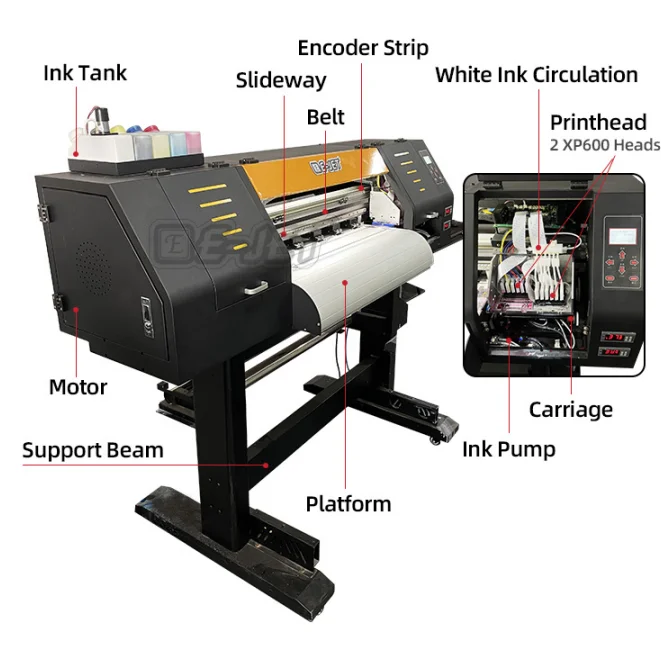
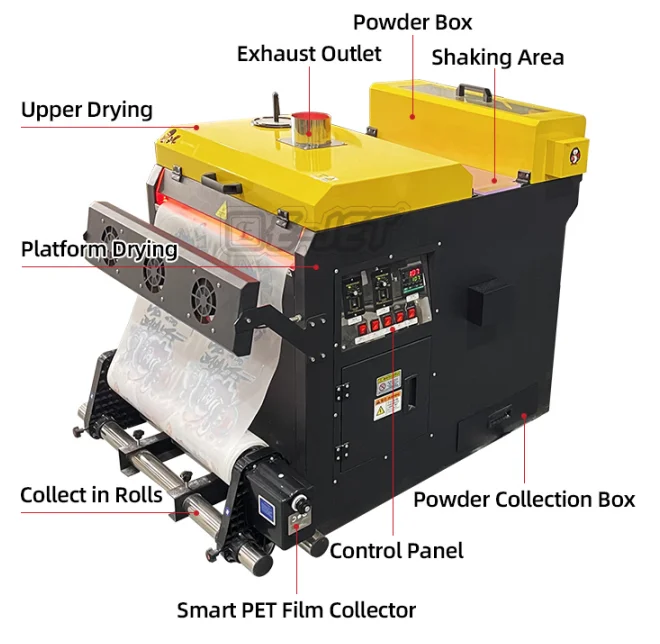
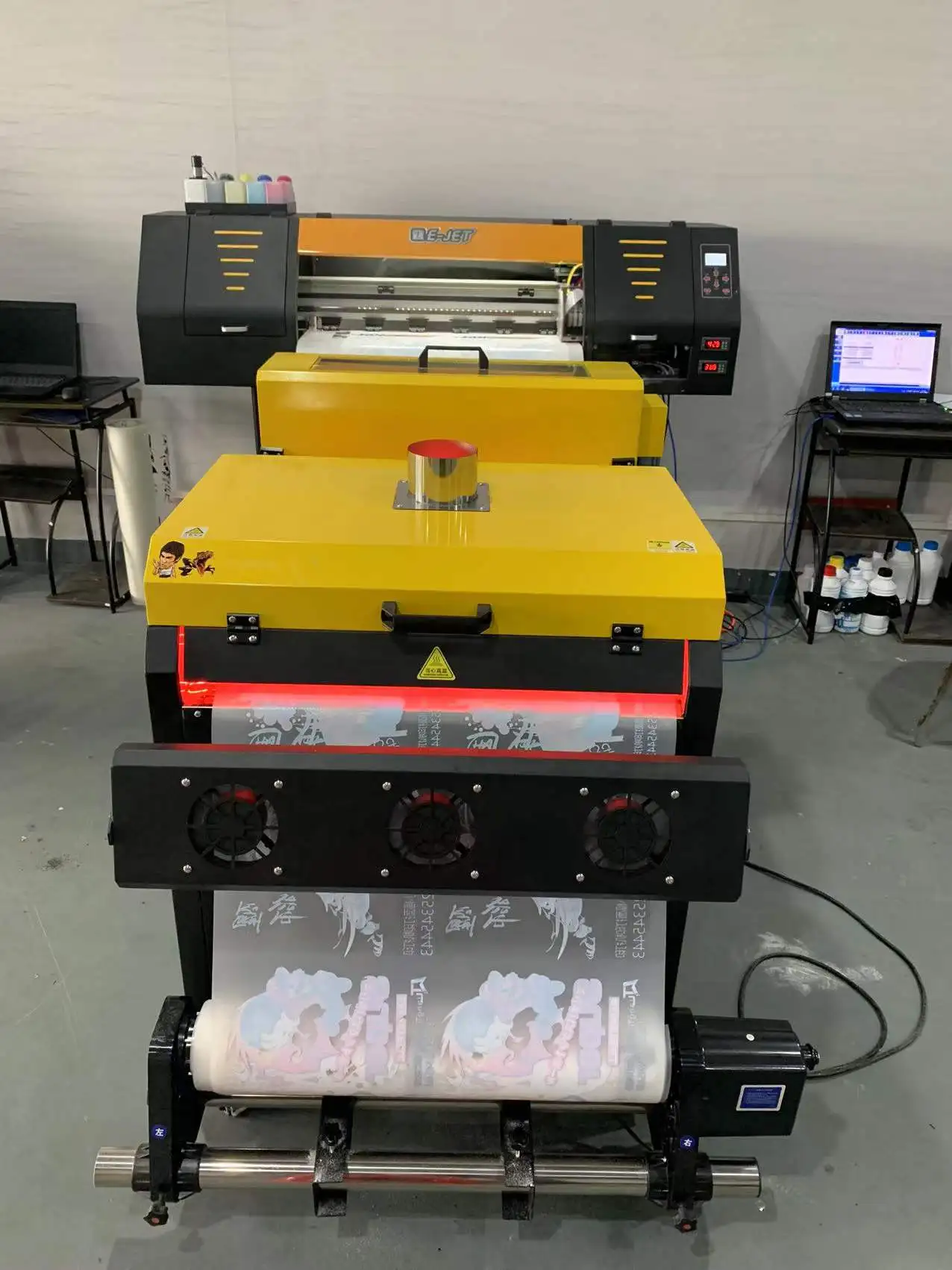
The New Dtf Printing Machine is a versatile digital printer designed for high-quality heat transfer printing on textiles, nylon, PET film, and more. Equipped with automatic operation, a flatbed heat press, and multi-color ink capabilities, it caters to businesses and creators needing precision and efficiency in custom printing for apparel, shoes, hats, and promotional items.
| Feature | Specification | Application Scenario |
|---|---|---|
| Automation Level | Fully Automatic | Streamlines production in garment workshops |
| Plate Type | Flatbed & Heat Press Plate | Versatile for t-shirts, shoes, and hats |
| Operation Type | Hot Press Technology | Ensures precise heat transfer on delicate fabrics |
| Material Compatibility | Textiles, Paper, Nylon, PET Film | Custom printing for apparel and accessories |
| Roll Feeder System | Continuous Material Feeding | Efficient large-scale production runs |
| Color Range | Multi-Color Ink System | Vibrant designs for fashion and branding |
| Voltage Requirement | 220V | Global compatibility with standard outlets |
Adjustable heat and pressure settings allow customization to meet specialized material requirements, ensuring optimal performance for delicate fabrics or thick substrates.
Transform plain materials into eye-catching products with this robust printer. Ideal for creating personalized t-shirts, branded shoes, or intricate PET film transfers, its versatility empowers both small-scale creators and industrial manufacturers.
| Parameter | Base Model | Advanced Model | Pro Model |
|---|---|---|---|
| Printing Speed | 20m/h | +15% (23m/h) | +30% (26m/h)* |
| Resolution | 600x600 dpi | 1200x600 dpi | 1200x1200 dpi |
| Max Material Thickness | 5mm | 8mm | 10mm |
Technical Breakthroughs:
Version Selection Guide:
With its multi-color ink system, you can produce vibrant logos for athletic wear. With the Pro’s 1200x1200 dpi resolution, you can achieve photo-realistic prints on PET film for premium packaging. The Advanced Model’s 8mm thickness capacity makes it ideal for printing on structured accessories like hats.

The Product Description is generated by third-party, and Alibaba.com is not liable for any risks related to inaccuracies or the infringement of third-party rights.
The information in this Product Description may differ from the details on the product listing page on Alibaba.com. Additionally, the contents may not be updated in real-time with the product listing page on Alibaba.com, and there may be delays in reflecting the most updated information. The description on product listing page takes precedence. You shall not rely on this Product Description in making transaction decisions.
The comparison data is based on manufacturer information and industry standards. Actual results may vary depending on individual use cases. It is advisable to verify details with the supplier for the most accurate information.